
FUKUOKA sub Camp 22 HONAMI, HIYUSHU ISLAND, JAPAN
FUKUOKA No. 22 Hyushu Island, Japan
(SUMITOMO KOGYO TADAKUMA TANKO)
FUKUOKA-ken, KAHO-gun, HONAMI-mura, TADAKUMA
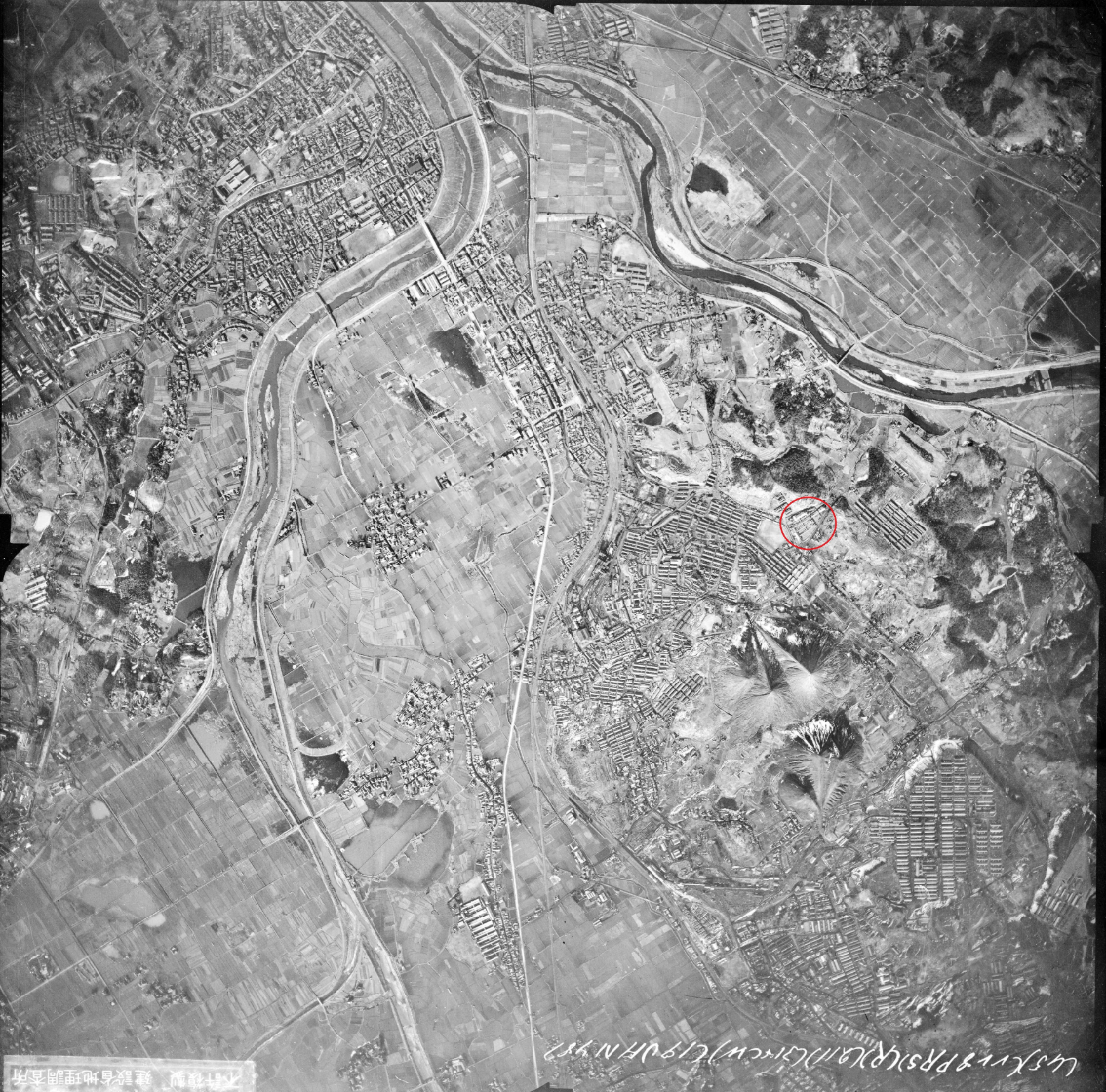
This camp is 30 miles south west of Moji and 40 miles east of Fukuoka and 5 miles southeast of the City of Iizuka near to the town of Aokuma.
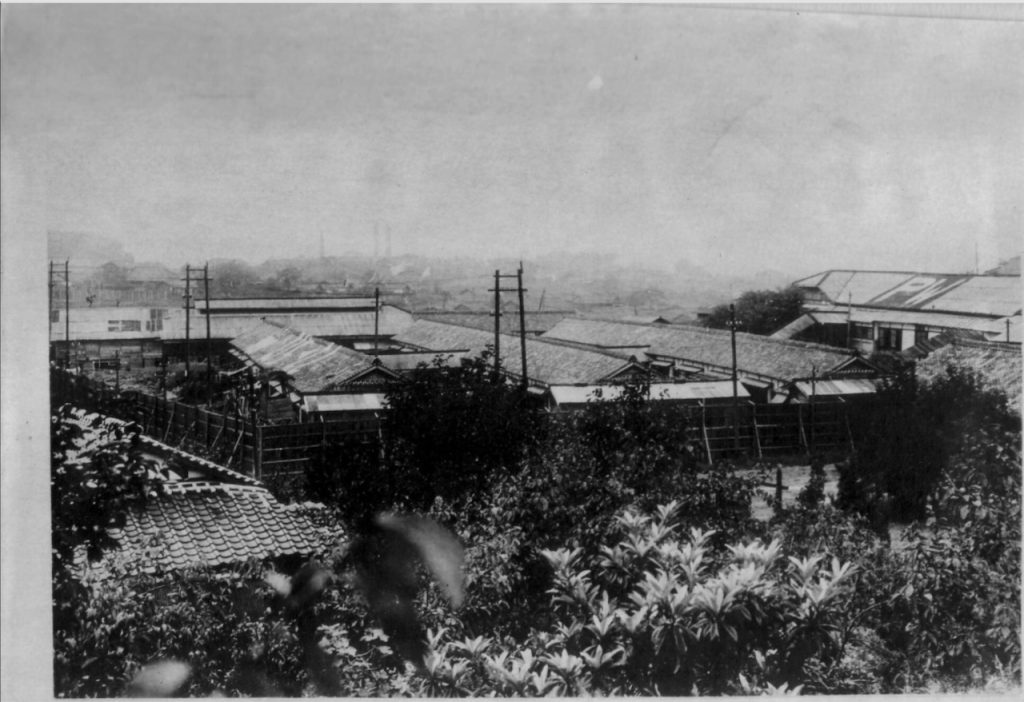
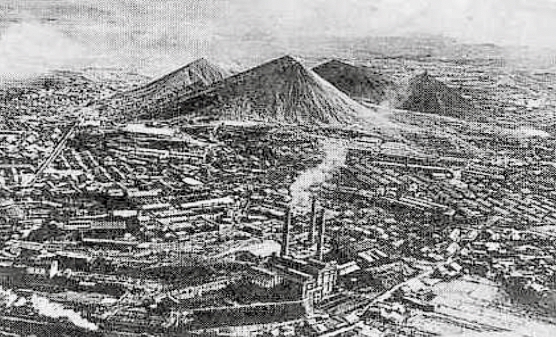
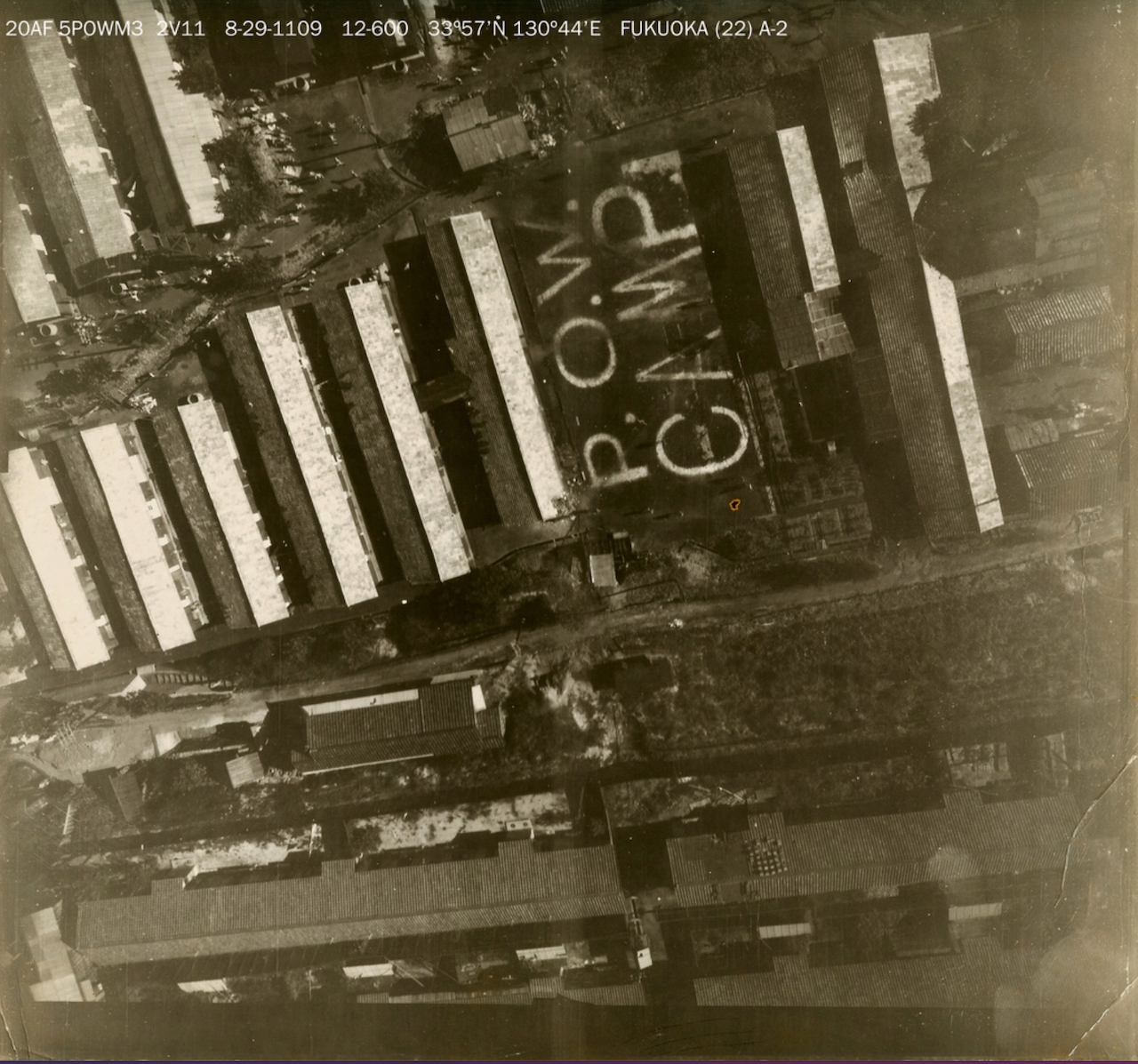
The prison compound was 300′ x 400′ surrounded by a 12′ high wood fence.
Australian Capt. Moore was senior MO followed by Australian Capt. Flynn, Australian Dr. Versol was head camp physician, and an American Medical Corpsmen by the name of Rogers was assistant to Dr. Versol. The senior ranking American officer was Capt. C.M. Smith, U.S. Navy Medical Corps.
In addition 34 of 110 POW survivors who had been placed in the military hospital at Moji after being rescued from Hell Ship Oryoku Maru, and the succeeding Hell Ship starting with 1619 American prisoners of war from the Philippines on 13 Dec. 1944, 19 American Military Officers, one American Navy Officer, one American Marine Corps Officer and eight enlisted men of the American army and Navy were sent to Fukuoka #22 on 22 Feb. 1945 and 14 March 1945.
Five POWs of this detail of 34 men remained in Moji because of their physical condition. 29 of these prisoners left Fukuoka #22 on 26 April 1945 for Mukden Manchuria, and remained there until they were liberated by the Russians on 17 Aug. 1945.
This camp was first occupied in Jan. 1943 by 104 Australian POWs, one Dutch and one American. When the American POWs left this location for Mukden the total prisoner personnel was 130 including the departing prisoners.
Having arrived MojI on ‘Awa’ Maru from Singapore, two 2/4th men were sent in a small work party from Omuta to Fukuoka No. 22 Honami. There were approx. 108 Australians mostly from NSW and Victoria. A well known West Australian from HMAS ‘Perth’ Fred SKEELS was also at No. 22 as well as several other Perth survivors from WA.
There was no mention of beatings and other forms of cruelty.
ACCOMMODATION: The following buildings constituted a part of the housing facilities:
(1) Six barracks 15′ x 75′ sub-divided into five sections each about 15′ x 15′ each section had sliding windows along the entire back. Double door openings onto a board walk were in the front. There was a 30′ space between each row of barracks.
(2) Covered board walks about 10′ wide were in front of each row of barracks leading to all other buildings in the compound.
(3) Basket-making workhouse communicating with bath house also housed the camp barber shop.
(4) There were two air raid shelters 30’x10′ covered with 4′ of dirt. All of the above buildings were of frame construction with tile roofs and wood floors except the bathroom and that had a tile floor. The buildings were electrically lit. POWs were bedded on mats placed on floors, about ten prisoners to each room.
FOOD: Basic daily ration was:
mine workers 705 grams of rice;
maintenance personnel 500 grams;
hospital patients 400 grams.
Evening meal usually contained a small amount of thin watery vegetable soup and, about once a week, a little fish. Quality of the rice and soup was good. The fish occasionally had reached an advanced stage of decomposition. While the quality of the food was generally good, the quantity was entirely inadequate. The prisoners were hungry continually and could not build up their weight, which was under 100 pounds per man.
WORK: None of the American prisoners were able to work in the coal mines due to their health. That work was performed by the Australian prisoners. The American officers able to walk did administrative work and gardening six hours per day. The coal mines were operated on two shifts of 12 hours each. Each prisoner was required to perform a certain task each day – namely to mine a given number of cars. It was a hard job, especially on inadequate rations, under dangerous working conditions, with no safety measures. There was no elevator in the mines and the prisoners were made to walk down and up 382 steps each day.
MESS HALL: separate frame building 24′ x 60′ with tile roof and concrete floor contained four long tables for the enlisted men and three smaller tables for officers. Identical mess was prepared for all prisoners. The prisoners able to walk had their meals in the mess hall. Food for bedridden prisoners was taken to them by Japanese ward attendants. The kitchen, which communicated with the mess hall occupied space at the end of the mess hall. It was equipped with cooking cauldrons. A storeroom adjoined the kitchen. Australian prisoners did the cooking under Japanese supervision.
LATRINES: There were three concrete deck latrines 15’x15′ straddle type adjacent to and communicating with the barracks by the covered board walks described in the preceding paragraph. Concrete pits were under the floor. Also there was a small latrine back of the hospital, 10′ x l0′. Each latrine contained a urinal about 12′ x 6′. No complaint of overflowing.
BATHING: The facilities were in a separate building. In it were two concrete vats 15′ x 15′, plenty of hot water and a smaller hot water vat for washing clothing. Concrete floor and frame building. About ten prisoners at a time would sit in the baths under the voluntary watch care of the Australian workers. Each prisoner was allowed one bath per week. The Australian prisoners, by reason of the debilitated condition of the American prisoners, washed their clothing for them and also deloused their garments.
MEDICAL FACILITIES: Hospital building was piped for steam heat but was pronounced to be cold.
It was a frame structure 24′ x 50′, total bed capacity 25 patients. The beds were placed together which meant that three or four patients were occupying a space equivalent to one bed. Medical care was administered by a Japanese doctor and attendant assisted by a Dutch doctor. Capt. Smith, U.S. Navy medical officer, later on assisted in looking after the sick. All medicine was under control of the Japanese doctor. Adequate Red Cross medicines and medical supplies were in the camp but as usual they were doled out inadequately to meet the real needs of the patients.
Again reference is made to the kind ministrations of the Australians who performed the most menial services for the American prisoners.
The hospital patients were bedded on mattresses about 2” thick placed on platforms made of wood. The Japanese doctor would visit the hospital about twice weekly and usually would remain all day. He would call at the convalescent ward once weekly.
SUPPLIES: (1) The Red Cross had provided food parcels, medicines and medical supplies but, as usual, these articles had been stored in the camp storehouse upon the claim of the commandant that they would be held for an emergency. That foreseeable emergency was anticipated air raids. 125 Red Cross parcels, both food and medicine were received during April 1945 none of which had been made available when the detail of 20 prisoners left the camp on 25 April 1945 for Mukden, Manchuria.
The Australian prisoners divided with the Americans some of their allotments from the British Red Cross.
(2) Japanese Issue: The special detail of 16 prisoners reaching Fukuoka #22 in Feb. 1945 were given an overcoat, green Japanese military uniform, underwear, shoes, towels and blankets. The remaining 13 prisoners of this special detail reaching #22 in March 1945, received no clothing. This detail was given five cigarettes per man per week.
MAIL: (1) Incoming: None. (2) Outgoing: None.
RELIGIOUS ACTIVITIES: Brief religious services were held weekly by Australian and American Chaplains. Special services were held in the hospital and the mine workers were afforded the opportunity of attending religious services which had been arranged for them.
TREATMENT: In comparison with other Japanese camps in which the Americans had been prisoners, the treatment was good, except the prisoners suffered from lack of heat and inadequate food. During air raids, which were becoming more and more frequent, the guards were confused as to the safest thing to do. Some of the guards opened wide the windows. Others would order the windows to be closed and the shades pulled down. At night there were opposite actions in regard to lights, some guards would let them stay on, others would not. Eating and smoking were not allowed during raids. The air raid shelters belied their name, they were traps, and all prisoners who could walk were made to go there and stand for hours in the cold. Thoughtfully the camp commandant suggested to the Sr. American officer that a memorial service in memory of the late President of the United States be arranged. The service was arranged and conducted by the camp Chaplain.
Camp morale was said to be good because POWs had access to up-to-date news of the war.
(Above Information is from ‘POW Camps in Japan & Japanese controlled areas as taken from Reports of Interned US POWs Liason & Research Branch American POW Information Bureau’ by JOHN M. GIBBS31 July 1946)
WX7757 Hugo Clarence WELLS and WX8822 Henry James ‘Harry’ COOPER. Both men survived, were recovered and returned home.
Below: Wells

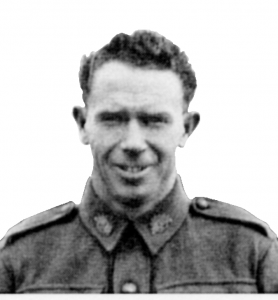
Above: Harry Cooper
The total number of Australians at No. 22 was 108. Three Australians died and one Dutch.VX
Also at No. 22 was Chaplain Capt. William Irving FLEMING VX39448 who remained at Konkhan 55km Hospital Camp, Burma with 2/4th Staff Sergeant WX7504 Desmond Bruce CHAPMAN following his second amputation for an extensive tropical ulcer on his leg. Sadly Chapman died Sept 1943.
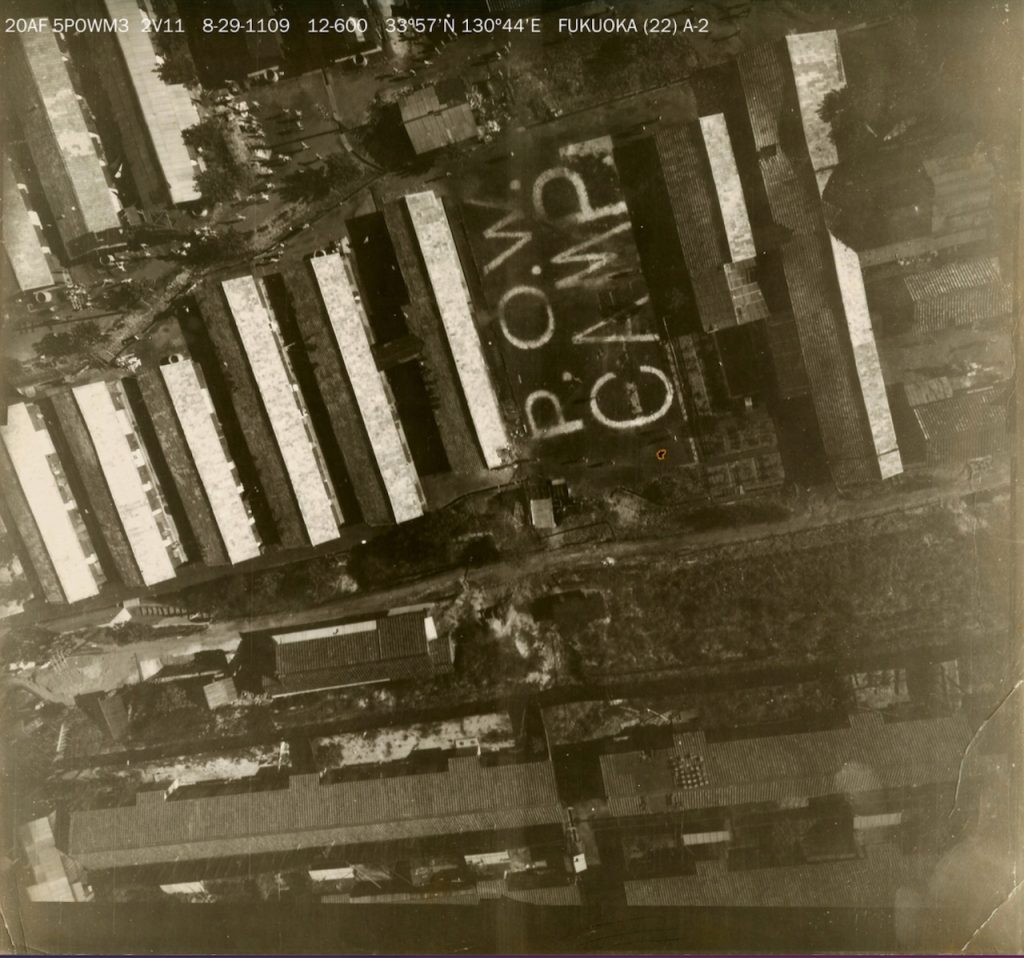
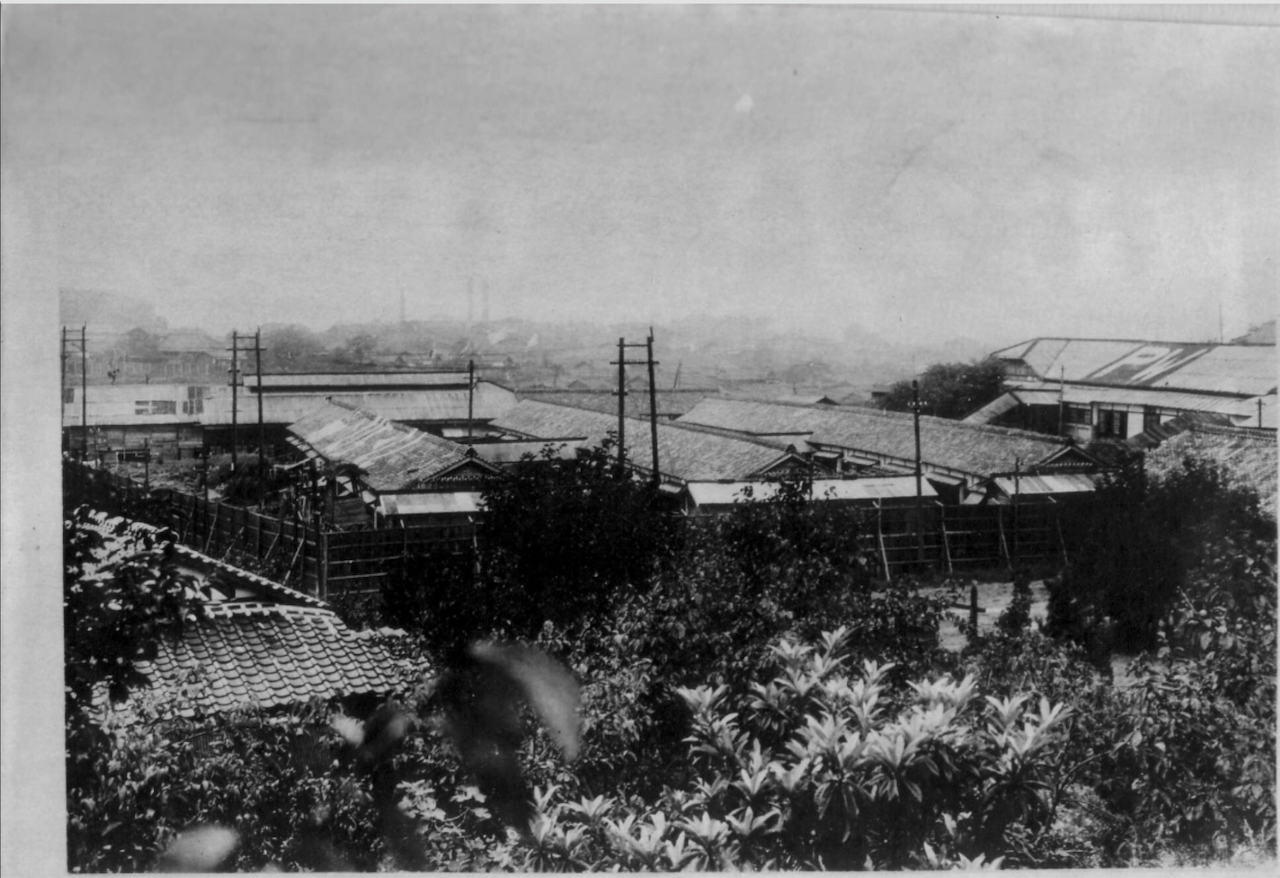
Below: Tadakuma mine area
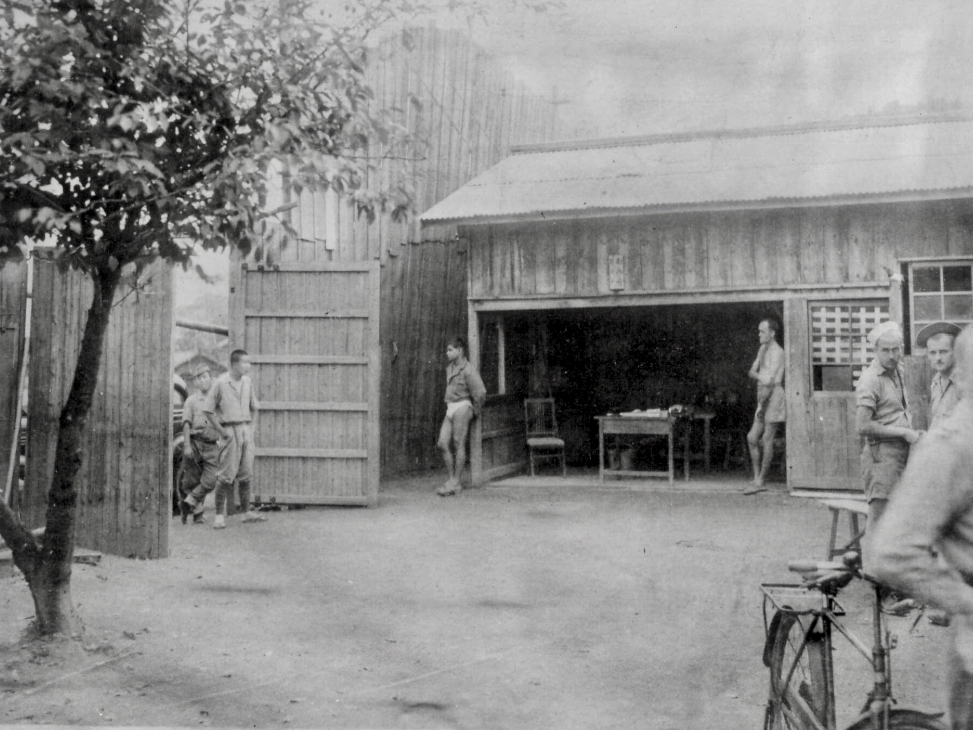
Below: Main Gate No 22 Sept 1945
NAME,RANK,REG NO,UNIT,DIED
Anderson Andrew Walter John ,VX19224,Pte,2/2 Pioneer,
Anderson Arthur George ,VX60277,Cpl,2/10 Wk Shp,
Ashford Harry ,VX17735,Cpl,2/2 Pioneer,45.01.21
Backshall Michael John ,VX22754,Father,2/2 res MT,
Beasley Edward ,NX626,Pte,2/19th,
Beech W G ,NX48488,Pte,2/3rd MT,
Bennett Laurie Stuart Yates ,VX17045,Sgt,Pay Corp,
Bennett Leslie ,NX40979,Pte,2/18th,
Broadhurst Thomas Beach ,VX55418,Pte,2/2 Pioneer,
Brown Colin Alfred ,21999,A/B,R.A.N.,
Bunt George ,NX40996,Cpl,2/19th,
Burchell Harold Ernest ,NX14955,Sgt,2/19th,
Burrows Ronald ,VX63767,Pte,2/29th,
Campbell A R ,VX59339,Pte,2/29th,
Cantwell Bernard,NX49604,Pte,2/19th,
Carter Roy Tasman ,19592,L/S,R.A.N.,
Cavanough C R ,NX71954,Pte,2/3rd MT,
Cheeseman Wallace Henry ,VX19019,Pte,2/2nd Pioneer,
Church Keith Vernon,NX68646,Pte,2/2 res MT,
Clarke William Robert ,QX18215,Pte,2/20th,
Collis John ,NX17236,Pte,2/6th Fld Pk,
Cooper Henry James ,WX8822,Pte,2/4th M.G.,
Currie Gordon Douglas ,NX40536,Pte,2/18th,
Dam Dam Clifford ,NX73074,Pte,2/18th,
Delepervanche Charles Meziere ,NX40610,Pte,2/18th,
Denholm Alexander ,NX4333,Pte,2/30th,
Doyle Douglas Arthur ,VX21850,S/Sgt,2/10 Ord,
Egan Owen ,VX41502,Pte,2/29th,
Elsworthy Frank Arthur Ernest ,NX51361,L/Cpl,22nd Bde,[98 min interview]
Eustace Vivian Leigh ,VX59216,Pte,105 Tpt,
Ferris Stafford Roy ,NX40810,Pte,2/18th,
Fitzgerald C V ,VX63119,Pte,2/30th,
Flannagan William Haswell ,QX12329,Pte,8 Div Sigs,
Fleming William Irving ,VX39488,Chaplin,Padre 2/18th,
Flynn Michael John ,NX70423,Lieut,2/6th Fld Coy,
Fordham Kenneth Thomas ,VX23144,Pte,105 Tpt,
Frost Robert George ,NX21752,Pte,2/20th,
Glossop Clarence George F ,F2374,A/B,HMAS Perth,
Goggin Lawrence Mathew ,VX44983,Pte,2/29th,
Gollan Brendan Joseph ,NX70142,Pte,8 Div Sigs,
Grant Colin Stewart,VX52047,Pte,2/29th,
Hawke Allan Ross Lloyd,PA1661,L/Smn,HMAS Perth,45.01.19
Hogg James William David ,NX39070,Sgt,8 Div Mob Ldry,
Hooper Gary Martin ,VX13098,Pte,2/2 Pioneer,
Jarrett John Henry Charles,W1419,A/B,R.A.N.,
Johnson G H, TX2382,Pte,2/29th,
Johnstone Gordon Lindsay ,VX21631,Cpl,2/2nd Pioneers,
Jones William Charles ,VX63454,Cpl,2/7th Ord,
Kendall Allan Rosser ,VX63399,Pte,2/7th Ord,
Kiehne Lawrence ,NX72135,Pte,2/3rd MT,
Knight Frank ,NX43401,Pte,2/20th,
Lewis David ,NX48301,Pte,2/19th,
Livingstone Robert ,QX21240,Pte,2/20th,
Lowe George H ,VX21538,L/Cpl,2/2 Pioneer,
Mayoh George David ,NX65791,Pte,2/18th,
McKean Robert W ,NX73659,Pte,2/19th,
Miley Leslie Thomas,VX18410,Pte,2/2 Pioneer,
Moore Walter Ross Dendy ,NX76188,Capt,2/15th Fld Reg,
O Meagher B K ,WX6261,Pte,2/8th Fld Pk,
Oakroot William Henry ,QX12303,Pte,2/26th,
O’Dea Richard Thomas Clyde ,NX40849,Pte,2/18th,
Payne William George,NX56196,Pte,2/18th,
Pettersson Johan Bror ,QX22242,Pte,2/19th,
Pople William Robert,VX19352,Pte,2/2 Pioneer,45.04.26- Beri Beri
Porter John Arthur ,NX43402,Pte,2/19th,
Price Neil Joseph ,VX30739,Pte,8 Div Sigs,
Rahilly John Daniel ,QX14043,Pte,2/26th,
Reid Mac ,NX6561,Pte,2/19th,
Ridley John Wilson,NX29315,Pte,2/19th,
Riseborough James Lindsay ,VX53785,Sgt,2/10th Wk Sh,
Rixon Stanley Keith ,VX13963,Pte,2/2 Pioneer,
Robertson John Norman ,NX4777,Pte,2/19th,
Rogers Charles ,VX35352,Pte,8 Div Sigs,
Rose Frederick Francis ,VX46625,Pte,2/29th,
Roseberry Norman Julian ,NX59120,Pte,2/19th,
Ross Clarence George ,NX59883,Pte,8 Div Sigs,
Russell Edward Albert ,NX69698,Pte,8 Div Sigs,
Rutter John Thomas,SV63,Teleg,R.A.N.,
Ryan Charles Bruce ,NX30991,Pte,2/20th,
Ryan Leo Patrick,NX31792,Pte,8 Div Sigs,
Rylah Clarence Vivian ,NX30605,Pte,8 Div Sigs,
Scanlan Eric Thomas ,VX65951,Pte,2/10th Ord Fld Pk,
Schnabel William George ,NX73288,Sgt,2/19th,
Sharp Walter Melville ,20538,L/S,R.A.N.,
Shepley Edward Bryan ,NX37971,Pte,2/6th Fld Coy,
Simons Herbert Louis ,W1539,A/B,R.A.N.,
Sinclare John Malcolm ,NX78226,Pte,2/6th Fld Coy,
Skeels Frederick Gordon ,F3407,L/s,R.A.N.,
Skinner Amos Richard ,NX24832,Pte,2/29th,
Slattery William Francis ,NX51035,Pte,2/30th,
Spicer Frederick Elvery ,21660,L/S,R.A.N.,
Stewart Richard Dalley ,NX59551,Cpl,2/19th, (Short memoir available upon request)
Thomson Allan George ,22447,L/S,R.A.N.,
Thomson Frank English ,VX30615,Gnr,2/19th,
Thorpe J R,WX10477,Pte,105 Transport,
Thrower Maple John Leicester ,NX60363,Cpl,,
Tolra John Joseph ,NX37120,Pte,105 Transport,
Tucker Lionel Bruce ,VX17529,Pte,2/29th,
Tuft Alan ,NX20767,Sgt,2/6th Fld Co,
Wells Hugo Clarence ,WX7757,Pte,2/4th M.G.,
Whip Albert Hercules ,NX60366,Cpl,2/19th,
Whytecross L W ,VX35184,Pte,2/2 Pioneer,
Wilkinson Dudley Norman ,NX66840,Pte,2/30th,
Williams Robert Nanson,VX19575,Pte,2/2 Pioneer,
Winbank James Agus ,NX56218,Cpl,2/19th,
Winchester Alfred John ,NX51637,Pte,2/29th,
Wright Walter John ,NX41945,Pte,2/30th,
Fleming William Irving ,VX39488,Chaplin,Padre 2/18th, was with Bruce Chapman when he died following his second leg amputation for a large and very advanced leg ulcer at Konkhan 55 Km Hospital Camp, Burma Sept 1943. Please read further
2/4th men who sailed to Japan with ‘Awa’ Maru party and who went to Fukuoka sub-Camp No. 24, Sendyu included:
WX9175 HAYWOOD, William (Bill)Thomas
WX10792 MURTAGH, Edwin John
W13285 MAUDE, Jack
Those who sailed with ‘Awa’ Maru party and went to Omuta included:
WX8228 GRANT, Norman Herbert (Norm)
WX7757 WELLS, Hugo Clarence (Clarry or Hughie)
WX10745 HAMBLEY, Albert James
Please read further about ‘Awa’ Maru
Albert Hambley’s records show he was recovered from Fukuoka No. 17 Omuta in 13 September 1945 and taken to a Recovery Camp. On 7 October Hambley was emplaned Manila for Australia. On 11th October he was admited to 110 (P)MH Darwin suffering with malnutrition. Thereafter he was transferred to hospital, Perth.
We acknowledge Neil MacPherson’s more detailed contribution about the voyage of ‘Awa’ Maru and thank the Mansell website.
You may like to read further about the history and the later sinking of ‘Awa Maru.
Two men from 2/4th, were later sent in a work party from Omuta to Fukuoka No. 22 from where they were recovered. They were WX8822 Cooper and WX7757 Hugo Clarence Wells.
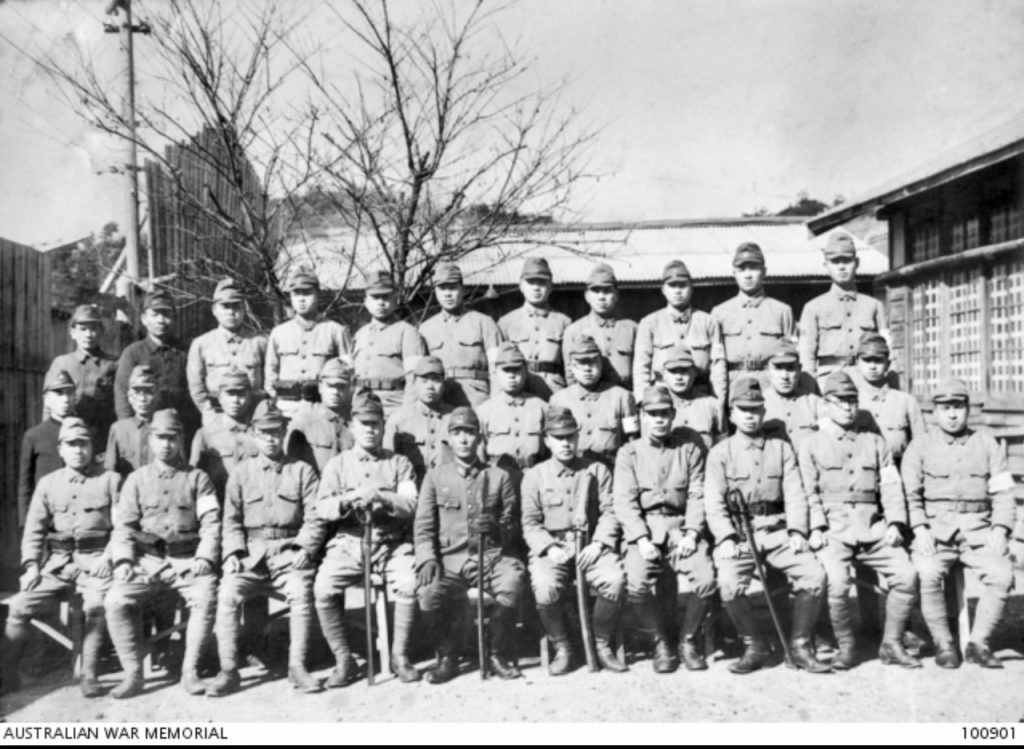
Group portrait of Japanese personnel on the staff of Prisoner of War Camp No. 22. The photograph was obtained from TX8286 Private Johnson, 2/29th Infantry Battalion.
Image Gallery
Attachments
attachment
attachment