The Soldier's Details

- Surname:
- Hopson
- First Name:
- Edward Mason
- Nick Name:
- Ted
- Rank:
- Private
- Regimental #:
- WX9241
- Company:
- 'B' Company, No. 7 Platoon
- Enlisted:
- 30.10.1940
- DOB:
- 7.02.1909
- Place of Birth:
- Albany, Western Australia
- Father's Name:
- Alfred Joseph Hopson
- Mothers's Name:
- Mary Jane Hopson (nee Hawkes)
- Religion:
- Presbyterian
- Pre-war Occupation:
- Farmhand
- Memorial:
- Dutch Cemetery, Atjeh, North Sumatra, Age 35.
- Force:
- Atjeh Party Sumatra
- Camps Java:
- Atjeh, Blangkenjeren
- POW#:
- 338
- Cause of Death:
- Appendicitis
- Place of Death:
- Tenal Gajoe
- Date of Death:
- 26.04.1944
- Buried:
- Soldier’s body was buried at a point 200 yards south of 28 kilometre peg on Blangkenjeren-Tekenong Road at location 3.59N-97.20E.
General Description
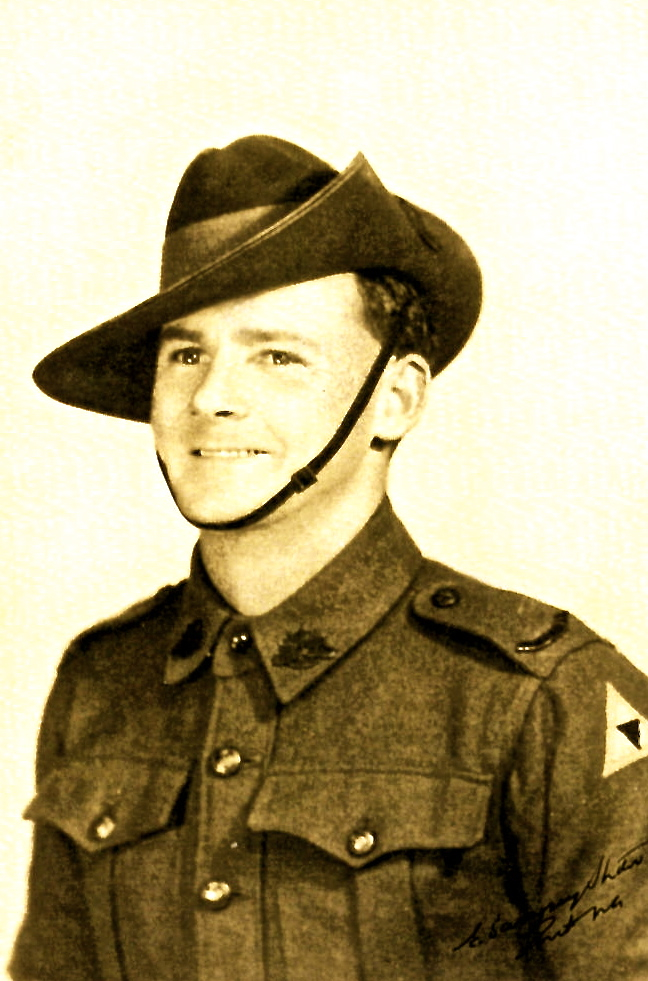
Listed as missing from Pasir Panjang on Sunday evening 15.2.1942. He escaped with Atjeh Party to Sumatra and was soon aftrer captured by Japanese. He remained a POW in Sumatra with Magill WX16886 and Quinn WX9285.
Following the fighting to save Singapore between 8-15th February 1942, Frank Thaxter wrote just a few words regarding Ted Hopson’s escape which took place during Sunday 15 February:
“5 or 6 of us decided to make a break with Tom’s (Bunning) blessing.”
From the above, we estimate Frank was in the party attempting escape which was unsuccessful.
Another member of this early attempted escape group was John McGegor WX12835. McGregor wrote of this attempted escape and was included in his book ‘Blood on the Rising Sun’ printed in 1980 shortly before he died.
Ted Hopson of ‘B’ Coy 7 Platoon reached Sumatra where he was not so long after, captured by the Japanese. He very tragically died at Tenal Gajoe hospital with appendicitis – unable to be operated on due to the fact Ted also had dysentery. Ted was a very popular bloke and the men in Sumatra were affected by his death on 26 April 1944.
Please read McGregor’s longer version of their attempted escape
Ted Hopson had been left at Tenal Gajoe suffering with appendicitis. Because he was also ill with dysentery it was not possible to perform an operation for fear of infection. Ted died on 26 April 1944 and was buried 200 yards south of 28 kilo peg on Blangkejeren-Tekencong Road.
Ted was popular and well liked amongst the group. He was described as being ‘a good bloke’. His body was brought to Blang Kedjeren where a coffin was constructed. The machine gunner was laid to rest about 100 yards from the camp. Amongst the POWs was a stonemason who cut a headstone, which was placed at the head of Ted’s grave.
To a (WX) Mother by Pte Frank Collins
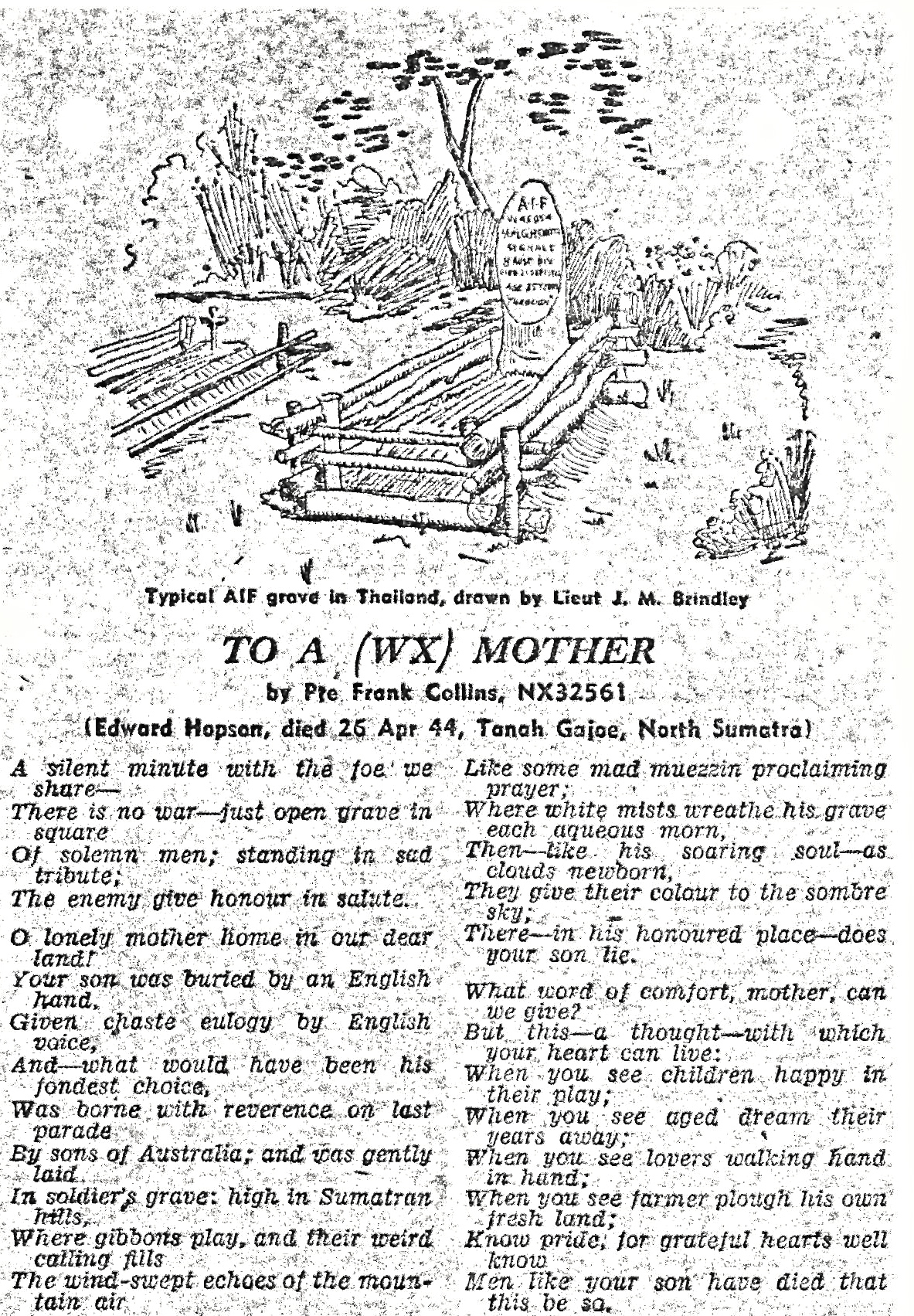
(Frank Collins NX32561 was with 2/19th Battalion.)
TO A (WX) MOTHER By Pte Frank Collins NX35261
Edward Hopson died 26 April 1944 Tanah Gajoe, North Sumatra.
A silent minute with the foe we share There is no war – just open grave in square Of solemn men; standing in sad tribute; The enemy give honour in salute
O’ lonely mother home in our dear land! Your son was buried by an English hand. Given chaste eulogy by English voice And – What would have been his fondest choice. Was borne with reverence on last parade By sons of Australia, and was gently laid In soldier’s grave; high in Sumatran hills Where gibbons play and their weird calling fills
The wind-swept echoes of the mountain air Like some mad Muezzin proclaiming prayer Where white wreaths his grave each aqueous morn, Then like his soaring soul – as clouds newborn, They give their colour to the sombre sky; There – in his honoured place – does your son lie.
What word of comfort, mother, can we give? But this – a thought – with which your heart can live: When you see children happy in their play; When you see aged dream their years away; When you see lovers walking hand in hand; When you see farmer ploughing his own fresh land; Know pride -for grateful hearts well know Men like your son have died so this may be so.
_________
Ted Hopson’s mother learnt after the end of war 1945 that her son had died in the remote mountains of North Sumatra. Ted had appendicitis however due to the fact he also had dysentery, doctors were unable to operate. He died 26 April 1944 aged 35 years at Tenal Gajoe and buried at the Dutch Cemetery, Atjeh, North Sumatra. (We have been informed his grave was never found by War recoveries team-the jungle had grown over during the intervening years)
He had successfully escaped Singapore to Sumatra only to be taken POW of the Japanese. He was one of about 100 Australian POWs initially held at Gloegoer Camp.
Hopson had been listed as missing from Pasir Panjang, Singapore on Sunday evening 15 Feb 1942 – the night of the Surrender.
Ted was popular not only amongst the Australian and English POWs. He was the first Australian to die. It is believed there were five casualties on this road, including an Englishman and three Dutchmen.
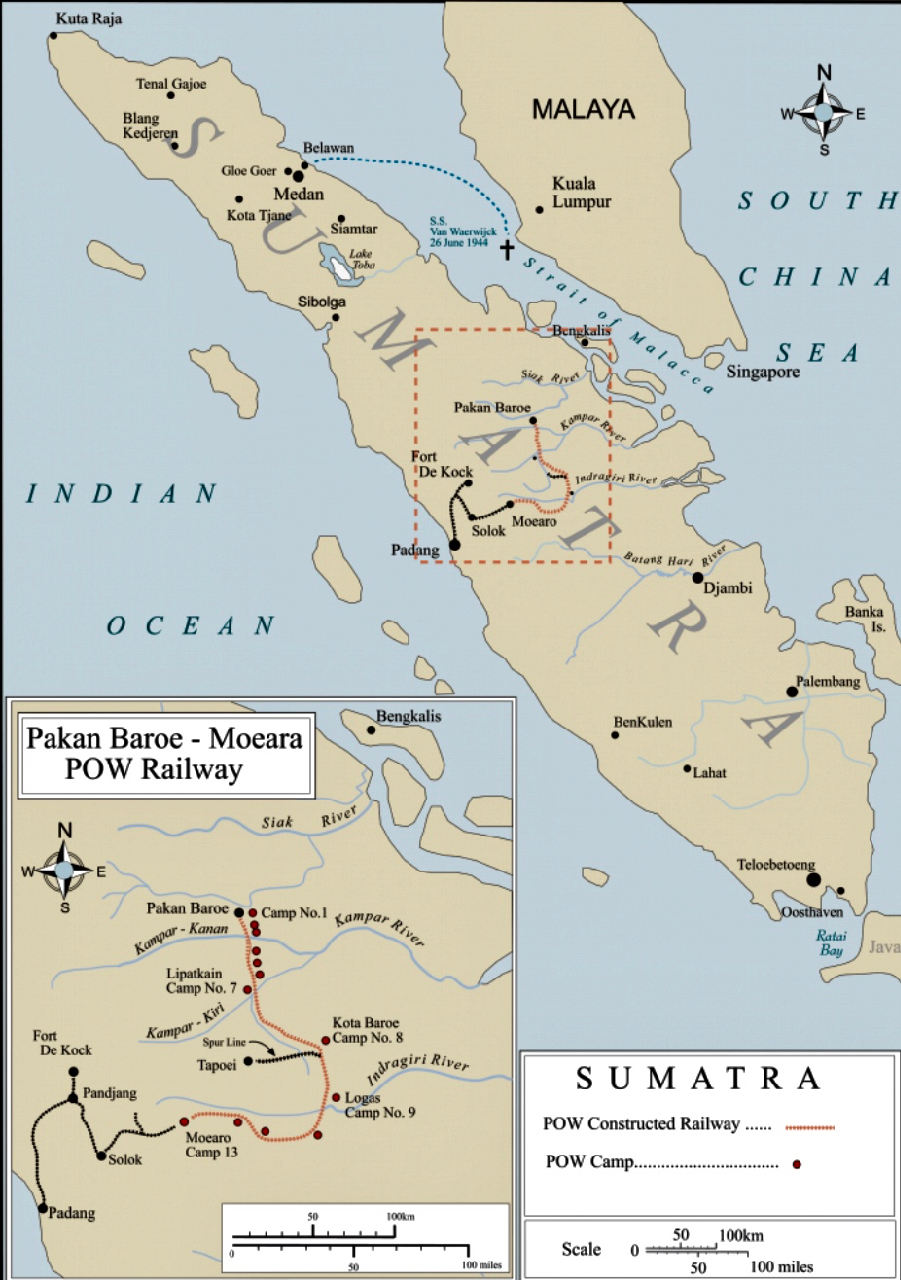
50 of the 100 Australians with approximately 225 British and 275 Dutch POWs were selected to work with what became known as Atjeh Party Sumatra. They were to build a road into Atjeh territory high in the mountain ranges of northern Sumatra. Atjeh Road was constructed over eight months between 8 March to 3 Nov 1944 and was to provide an evacuation route should the Allies invade Sumatra.
Dutch author and researcher Henk Hovinga believes of the 500 POWs, 438 of the original number arrived at Moeara on 3 Nov 1944 to start work on the Pakenbaroe/Moeara Railway.
The POWs were transported by truck about 300 km to Joetatjane (Katayana) on 8 March then forced to march approximately four days over 20 km to BlangKedjeran via Gunang Satin. It was here they rested for awhile. The work sites were one more day’s march away.
Blang Kedjeran had been the home of permanent Dutch Military Barracks. Dutch Major General Roelof T. Overrakker had surrendered 2,000 Dutch East Indies troops to the Japanese on 28 March 1942 ending any Dutch resistance in Sumatra. Blang Kedjeran became the hospital Camp. The 500 POWs became a very close-knit group to the extent they developed their own dialect made of up of words from several languages and incomprehensible to outsiders.
_____________


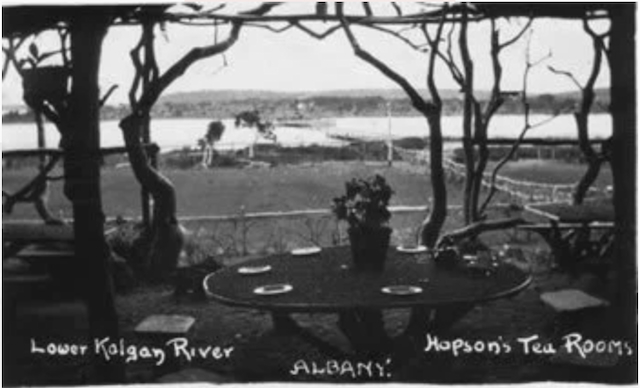
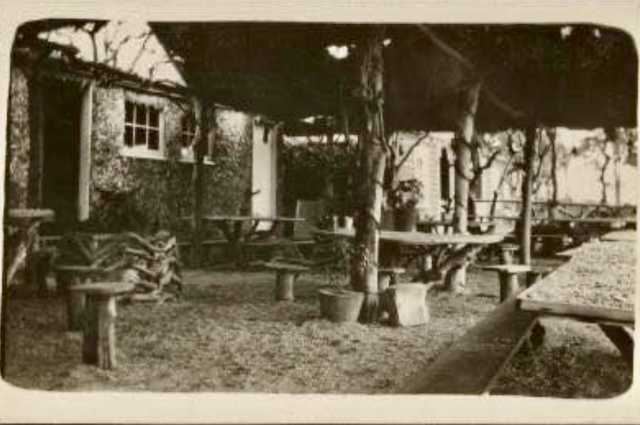
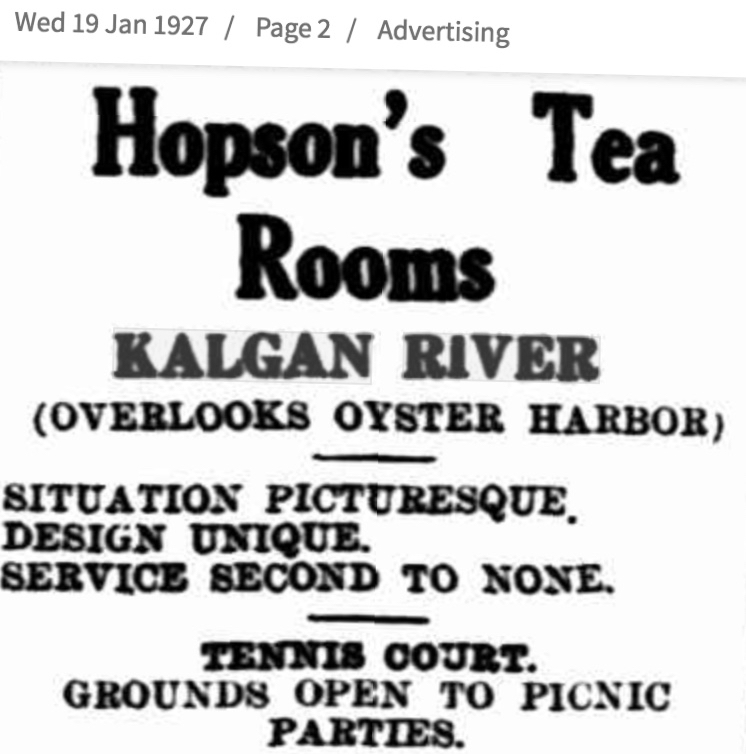
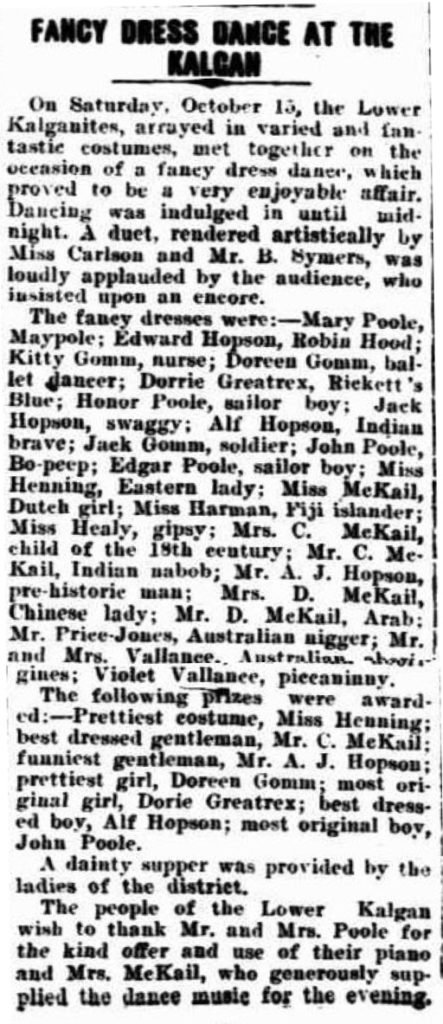
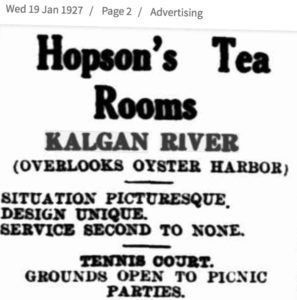
Above: Hopson’s Tearooms at Kalgan River.
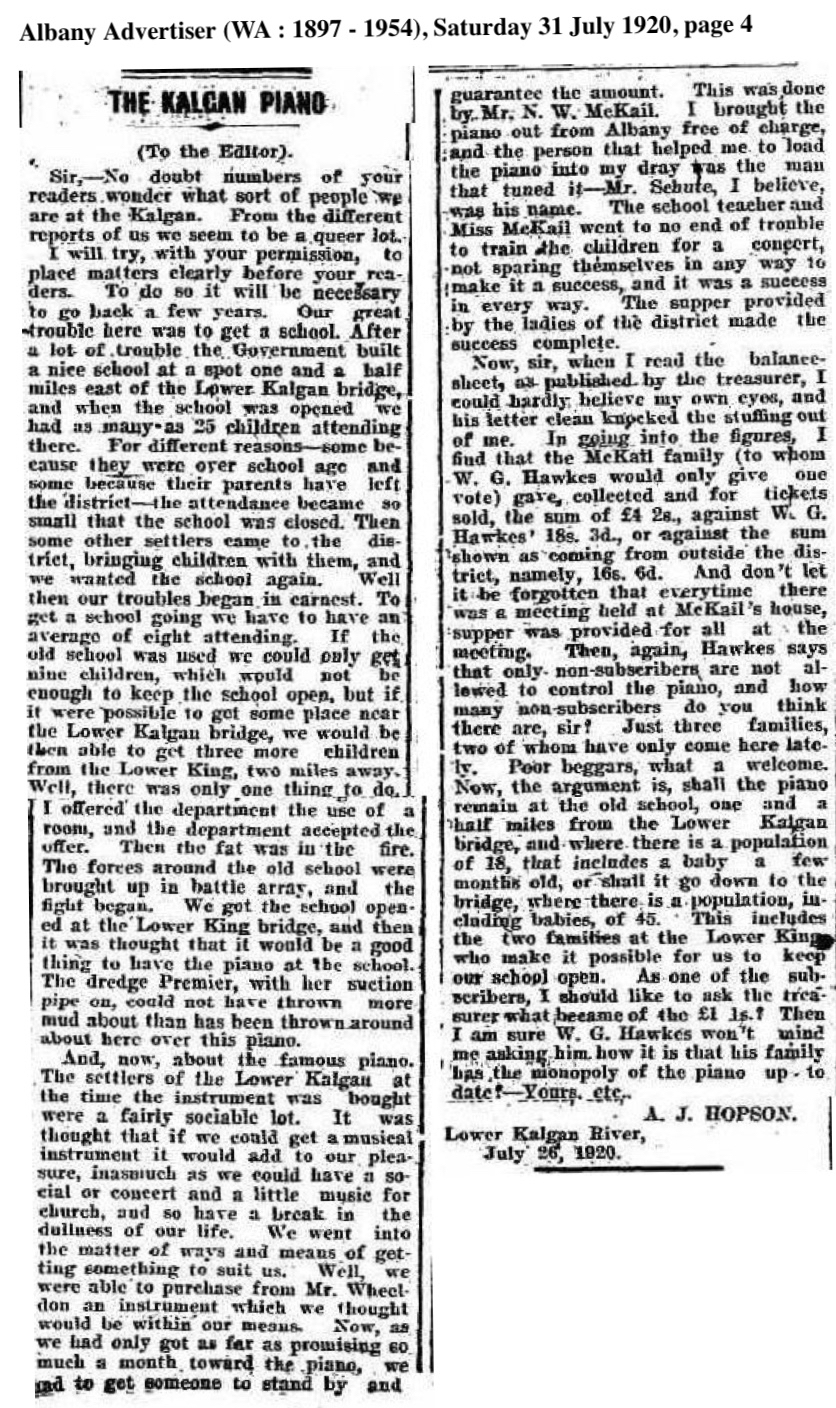
Alfred John Hopson was born in England and married 1902 at Albany to Mary Jane Hopson who was born Wallaroo, SA in 1878.
Alfred and Mary with their family farmed at Lower Kalgan until end of 1930’s, when Mary and her sons and daughter Eve moved to Albany to live.
Edward Mason was one of four sons born to Mary and Edward, and one daughter Eve. Sons include Alfred (Jnr), John and Cyril.
Alfred Joseph Hopson died in 1934.
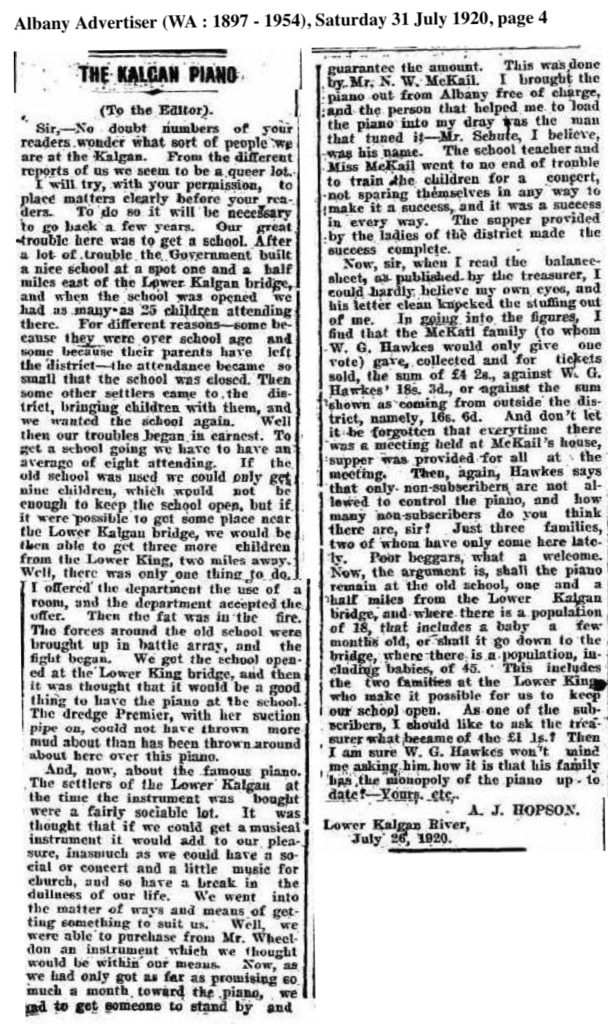
Below: 15 February 1922
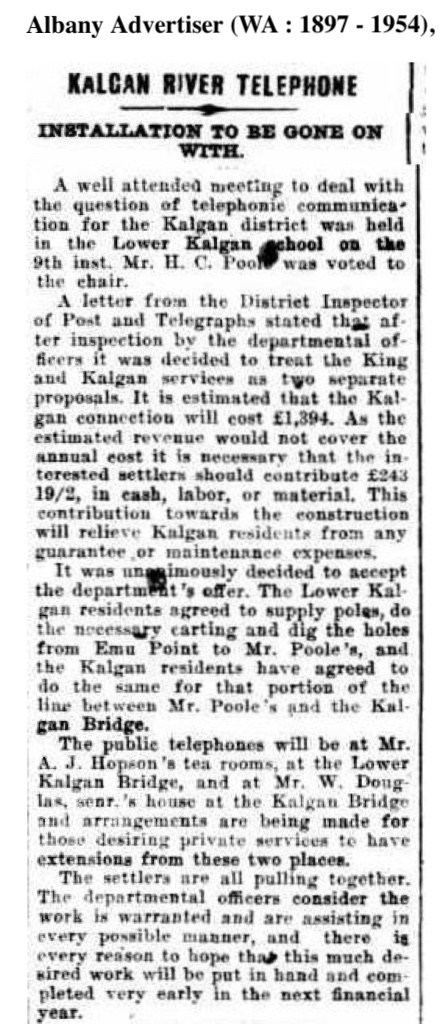
Above 1921 – happier family days!
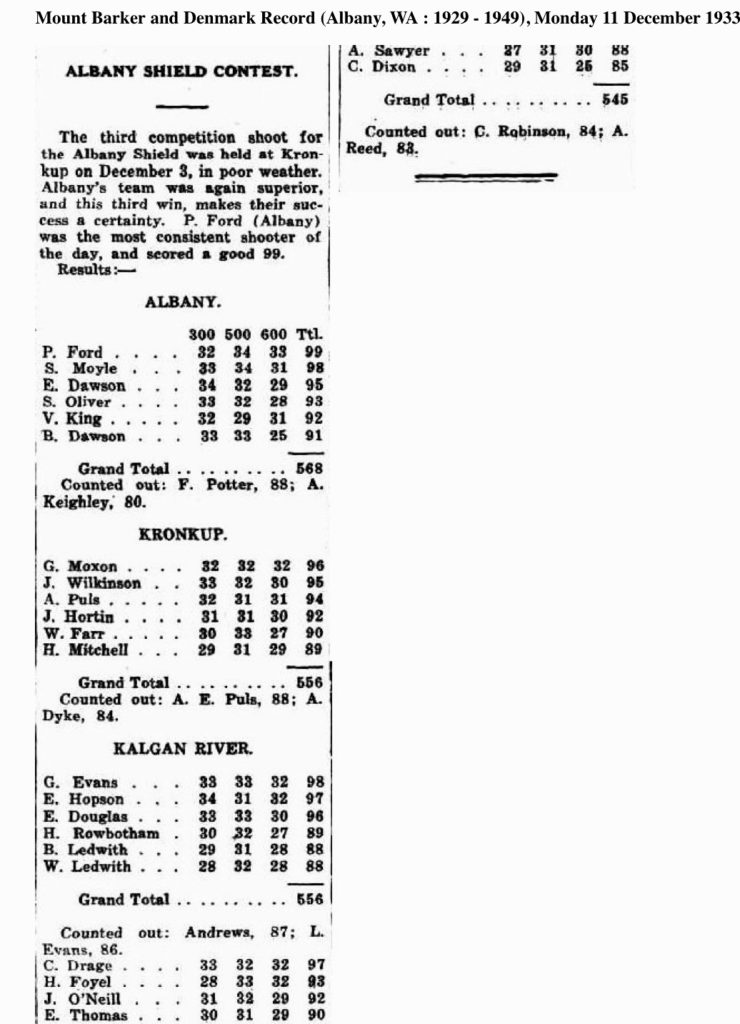
Above: Edward at local Shoot Club Competition.
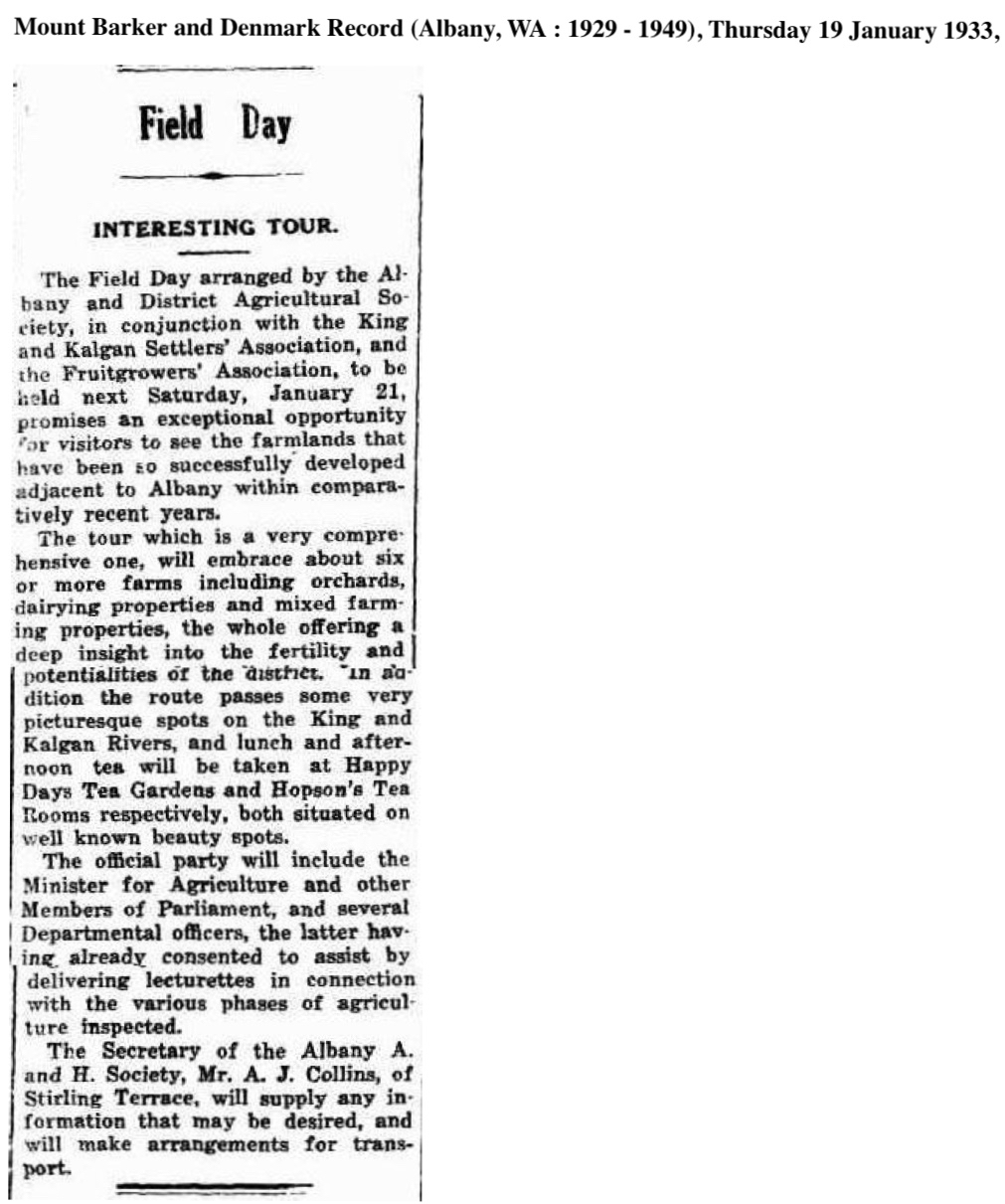
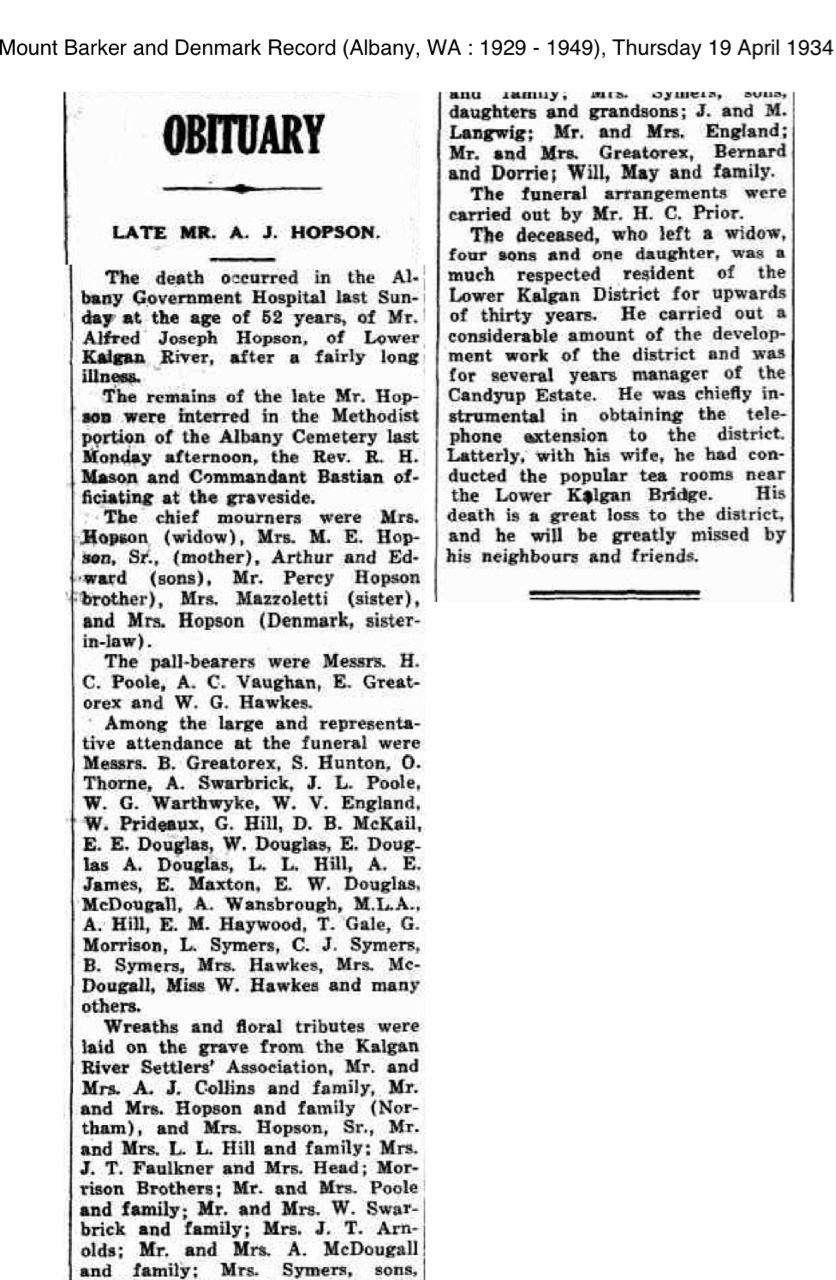
Above: Obituary for Alfred Joseph Hopson.
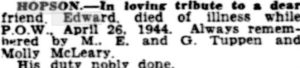
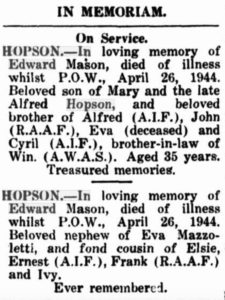
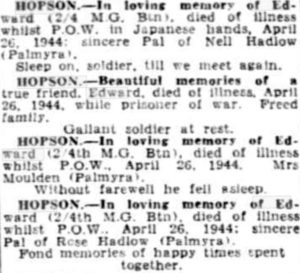
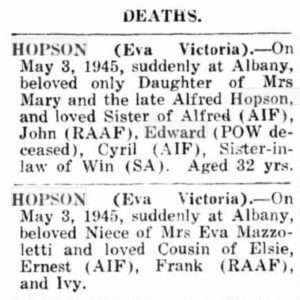
Below: Edward’s only sister Eva sadly dies in 1945.
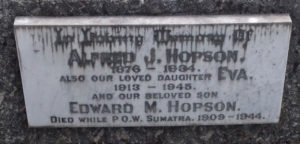
Alfred Hopson is buried with his daughter Eva at Albany with recognition of son Edward Hopson who died Sumatra 1944 aged 35 years.
Mary Jane Hopson died in 1957. She is buried at Albany Cemetery beside her husband and daughter.
Read about 2/4th who escaped from Singapore to Sumatra.
Hopkins was working on road construction with Sumatra Railway
Also please read about Gloe Gloer Camp
26 April 2024
Doreen Mear who resides in New Zealand, has most generously sent a donation to the association in support of our ‘wonderful work researching and preserving the stories of our 2/4 MG Bn soldiers.’ The donation is in memory of her second cousin Ted Hopson WX9241 who died 80 years ago today as a Japanese PoW in northern Sumatra. The website has pointed her in the direction of books for further information. Doreen is writing Ted’s story to share with the family (her mother was a Hopson).
Camp Locations:
- Gloe Gloer Camp - Sumatra
- Tenal Gajoe