Between September 1942 and January 1945 a total of 26 parties left Java.
In addition to POWs incarcerated in Singapore – 3,980 troops from 1st Australian Corps and 8th Division were POWs in Java. This figure included about 90 men from 2/4th who missed the Aquitania sailing from outside Fremantle on 16th January 1942. Please read further
Additionally there was a very large number of Netherlands East Indies troops (Indonesians) plus a number of POWs from other countries, and even some Java civilians. Of the AIF troops, 3,449 POWs who left Java were to work on the Burma or Thailand end of the Railway.
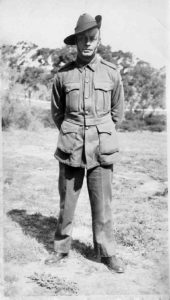
Java Party No. 3 – under command of Lt. C.J. Mitchell, 2/2nd Pioneer Battalion. The only 2/4th included in this party was WX8356 Walter Watkins.
Right: Wally
Watkins
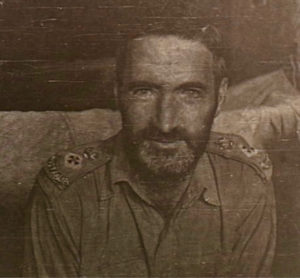
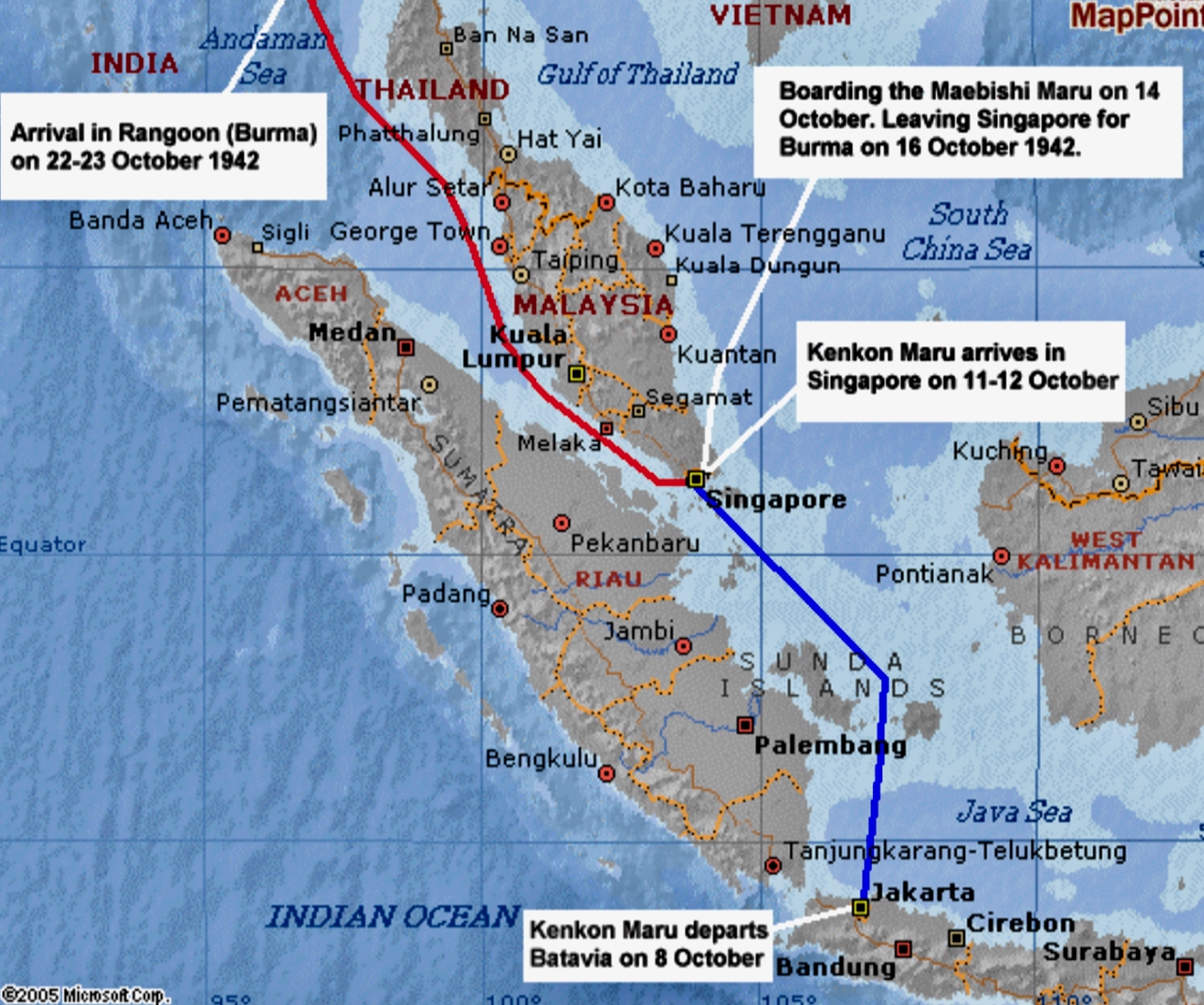
Java Party No. 4. under Command of Lt.-Col J.M. Willliams. This party departed Tanjong Priok on Kinmon Maru on 8 October 1942, disembarking at Singapore on 12 October 1942.
‘Informal portrait of Lieutenant Colonel J M Williams, Commanding Officer, 2/2nd Australian Pioneer Battalion in the Officers’ Compound at the Bicycle Camp after his release from the Kenpeitai (Japanese Military Police).’
‘He had been subjected to torture for 30 days by the Kenpeitai (Japanese Military Police) in an attempt to obtain from him matters of military importance. Persistent refusal to capitulate to the Japanese inquisitors was met by such treatment as poisoned food which brought on excessive vomiting and filling the stomach with water and being jumped on. On one occasion he was taken out before a firing squad. He was humiliated by being imprisoned with native prisoners and allowed only an occasional wash, but was not permitted to shave.’
Courtesy AWM.
From Peter Thompson’s ‘The Battle for Singapore’ Page 402
At Burma end of Railway.
‘Charles Anderson, ‘A’ Force Burma did a wonderful job from the point of view of morale’ said Dr. Rowley Richards ‘Anderson was ‘Softly, softly, lets educate the Japs’ whereas ‘John Williams who arrived from Java would clash with the Japanese at the drop of a hat’.
To read further about 2/2 Pioneers Battalion, 7th Division
And the 2/2 Pioneers Battalion, 7th Div AIF – their webpage
Lt. Mitchell’s advance party was reunited with Java Party No.4. at Changi.
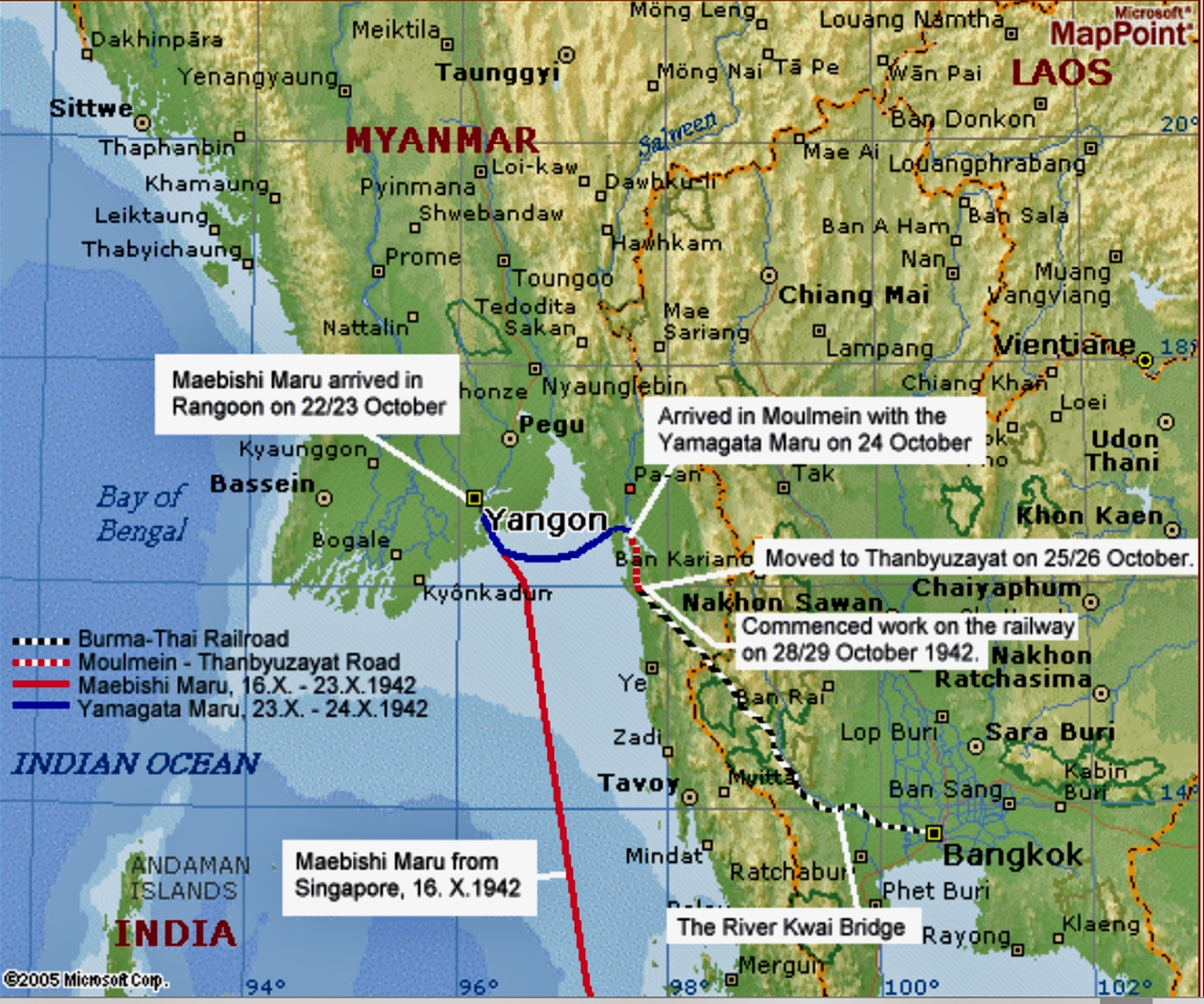
Two days later Java Parties 3 and 4 departed Singapore having boarded Maebashi Maru to Rangoon, Burma arriving on 23 October 1942. They were transhipped to a smaller vessel called Yamagata Maru which took the men up the Salaween River in Burma to Moulmein. They arrived late on 24 October and were accommodated overnight in the local gaol.
Java Party No. 4 was now organised into two groups. These were named after their commanding officers:
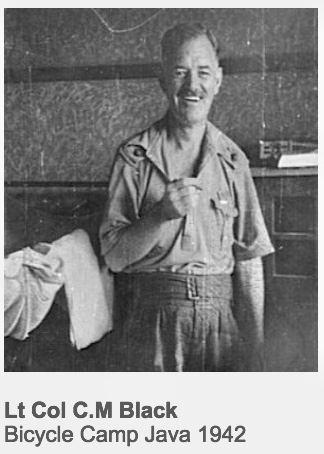
Black Force –
Lt-Col C.M. Black was the Commanding Officer of 2/3rd Reserve Motor Transport Company. There were about 6 men from 2/4th included.
Please read further about Lt-Col Black and 2/3rd Reserve Motor Transport Coy.
Wiliams Force – Lt-Col J.M. Williams, Commanding Officer of 2/2nd Pioneers Battalion. There were about 43 men from the 2/4th included.
Williams Force totalled 884 men also included 272 men from HMAS Perth.
On the morning of 26 October Williams and Black Forces marched 2 miles to South Moulmein railway station and embarked on a 40-mile train journey to Thanbyuzayat.
The two Forces were now incorporated into Burma Administration Group No. 3.(Also included were Green, Ramsay and Anderson Forces)
Williams Force was transferred to Tanyin 35 Km Camp the next day. Please read further
At the same time, Black Force commenced work at 40 km Beke Taung Camp the next day – due to failed water supply on 29 November 1942 and compelled to move back to Kun Knit Kway 26 km Camp.
Between 14-25 December 1942, Ramsay Force also moved to 26km camp to join Black Force.
‘It should be noted that in all Australian camps on the Burma end of the Railway, Officers accompanied the men on the work parties and actively intervened to protect the men from punishment, often taking the bashing themselves. This was very much the rule in Williams and Anderson Forces where the Officers had won the respect of the men in action in Syria, Java & Malaya, Col Anderson won his Victoria Cross in the Malaya fighting.’
FROM JAVA TO BURMA
by
Neil Ormiston MacPherson WX16572 of 2/2nd Pioneer Battalion of Williams Force Burma Thailand Railway 1942-1944, Japan 1945.
One of Australia’s last survivors of the Thai-Burma Railway, Albany’s Neil MacPherson OAM, died at the age of 96 in April 2019.
Mr MacPherson, whose story stands as an example of resilience, forgiveness and benevolence, died on Saturday in Albany.
In 1942, as a young private who had been eager to enlist for the war, he was one of more than 22,000 Australians taken as a prisoner of war by the Japanese.
Please read Ian MacPherson’s Anzac Day Address at Kanchanaburi 2004
https://www.pows-of-japan.net/articles/26.htm
On 7th October 1942 Neil, was one of 1800 POWs transported to Tanjong Priok and boarded the Emperor’s Prison Ship ‘Kenkon’ Maru, a 4574 ton battered, rusty, old hulk, which had been converted into a troop transport, conditions below deck were horrific, The Commanding Officer of the Pioneer Battalion Lt Colonel Jack Williams, was in charge of the prisoners, with Lt Colonel Black as second in command. Several tiered wooden shelves covered most of the hold, the head room between each layer would have been only 30 inches, and each POW had only enough space to sit up on, in the humid tropical condition, this enclosed hold soon rivalled the Black Hole Of Calcutta.
It was fortunate that these prisoners only spent five days on board, but as it was, there was one death in the stifling conditions, October 12th saw the vessel pull into Singapore Harbour, which eight months after the surrender was still crammed with sunken wrecks from the enemy bombings. After the usual prolonged wait after disembarking, the several counts and searches, the POWs were loaded into trucks like cattle and taken through the city and out to Changi Barracks. The trip was most demoralising, bomb damage was to be seen across most of the city, and the civilian [population looked cowed and hurried about there business pointedly looking the other way as the convoy of prisoners passed.
The arrival at Changi Barracks was an experience that left the Java contingent bewildered, no Jap guards were to be seen within the vast complex, the Australians had taken over a large area of what had been a 5 star complex, multi storey stone buildings had housed British troops in comfort.
While there, the prisoners from Java shared in a very rare issue of Red Cross Parcels, one parcel between six prisoners, the next time they were to see another issue was 13 months later at the 105 Kilo camp again it was one parcel between eight POWs.
Two days later,14th October they boarded the 7005 ton ‘Maebashi’ Maru, 1700 sweating dehydrated bodies crammed into several tiered holds and spent the next 5 hours sweltering below the steel decks, before the vessel departed to head north up the west coast of Malay.
On the 23rd October the vessel with its prisoners entered the Irrawaddy delta and finally moored at the wharf in Rangoon, in sight of a bombed and devastated city, the POWs were not only to suffer a night of suffocating heat in the deep holds they were invaded by thousands of hungry mosquitos.
On the same day another ship the 4621 ton ‘Shinyu’ Maru left Singapore loaded with 500 Australian and Dutch POWs on its way to Burma, on the following day it was attacked by the Dutch Submarine 0-23, 100 of the POWs on board were killed. Some of the survivors were picked up and returned to Singapore to travel later to Thailand by train, others were later picked up by vessels that continued to Rangoon, these prisoners eventually arrived at Thanbyuzayat in January 1943.
The following two maps show the journeys of the three Hell Ships.