
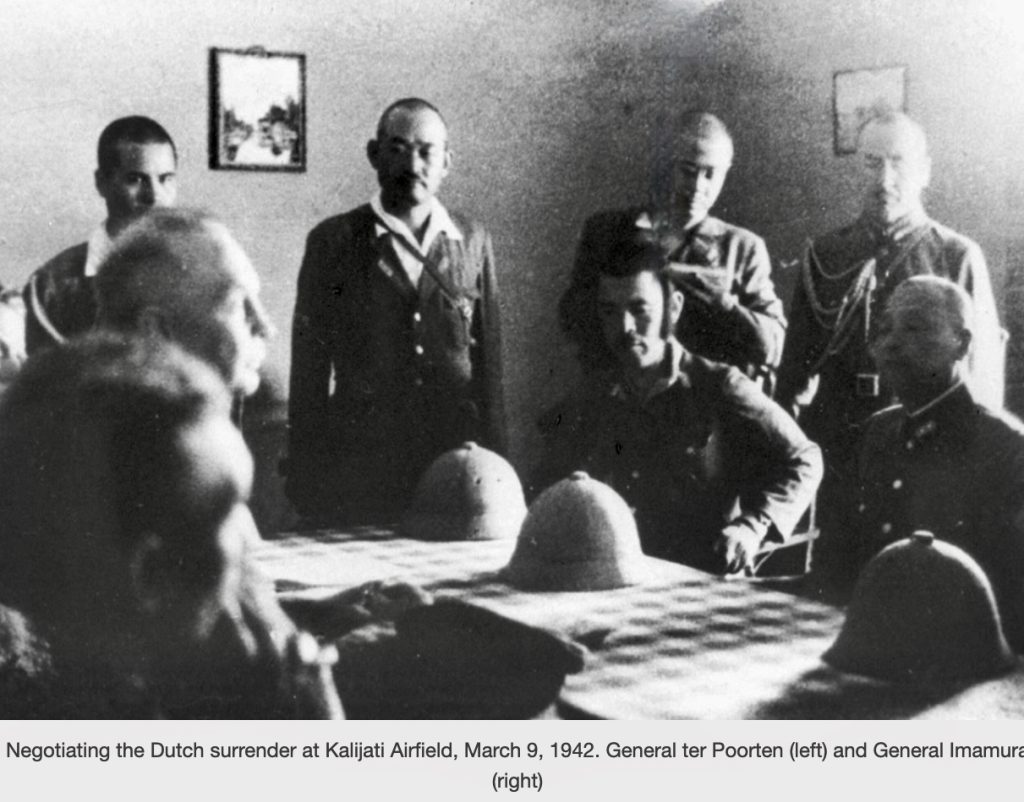
Java Party No. 3 & 4 Black & Williams Forces
Today the capital city of Java is known as Jakarta. In 1942 it was known as Batavia.
Twenty six parties left Java between September 1942 and January 1945. There were nearly 40,000 POWs on Java most of whom were Netherlands East Indies troops. Also British troops and of course the British and Australians who had deserted Singapore as well as though who escaped having been caught behind Japanese front lines plus those who escaped during capitulation. Of this number there were about 10,000 AIF troops from 1st Australian Corps and the 8th Division as well as survivors of ‘Perth’ and some Americans mostly from the sunken ‘Houston’.
Also taken POWs of Japan, were the 90 or so men of 2/4th MGB who had gone AWOL from ‘Aquitania’ when it anchored overnight 15 January 1942 to pick up supplies and reinforcements on its journey to Singapore. This group of soldiers had been unable to re-board their ship – Please read the story.
They were taken POWs of Japan when Java capitulated about 8 March 1942. They were imprisoned in various camps depending on where they were captured, however ultimately were moved to Bicycle Camp prior to departing Java with work parties going either to Burma-Thai Railway or Japan.
Of the 3,500 Australians who left Java – almost all were sent to work on Burma -Thai Railway – either the Burma or Thailand ends of the rail link. Those who remained behind were more often than not sick with one or more tropical illnesses.
The Australian doctors who accompanied these Forces included Albert Coates and Rowley Richards. Rowley Richards remained with Williams No. 1 Mobile Force, and from Thailand was sent to French Indo-China with ‘Rakuyo Maru’ Party, back to Singapore before sailing to Japan. The convoy the ‘Rakuyo Maru’ sailed with was attacked by American submarines on 12 September 1944 and sunk 12 hours later in South China Sea.
Miraculously Richards was picked up by a Japanese warship three days after the sinking and taken to Japan. On the ‘Rakuyo’ Maru were 1300 British and Australians POWs, most of whom perished. Some very lucky 153 POWs were rescued four days later by the same American Submarines which had days earlier, attacked the convoy.
Please read further about ‘Rakuyo’ Maru story
JAVA PARTY NO. 3
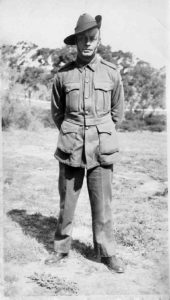
Was under the command of Lt. C.J. Mitchell from 2/2 Pioneer Battalion – included Walter Watkins from 2/4th MGB.
Right: Wally Watkins
JAVA PARTY NO. 4 (about 33 men survived, 10 died, 1 remained Singapore, one sent to Sandakan where he died)
Was under the command of Lt. Col J.M. Williams. This Party departed Tanjong Priok 8 October 1942 on ‘Kimmon Maru’ for Singapore where they disembarked 12 October 1942.
At Changi Java Party No. 4 was reunited with Java Party No. 3 who had reached Singapore a few days earlier.
Two days later Java Parties 3 and 4 departed Singapore having boarded ‘Maebashi Maru ‘ to Rangoon, Burma arriving on 23 October 1942. They were transhipped to a smaller vessel called ‘Yamagata Maru’ which took the men up the Salaween River in Burma to Moulmein. They arrived late on 24 October and were accommodated overnight in the local gaol.
Neil MacPherson prepared the following for www.mansell.com
MacPherson with with the 2/2 Pioneers Battalion
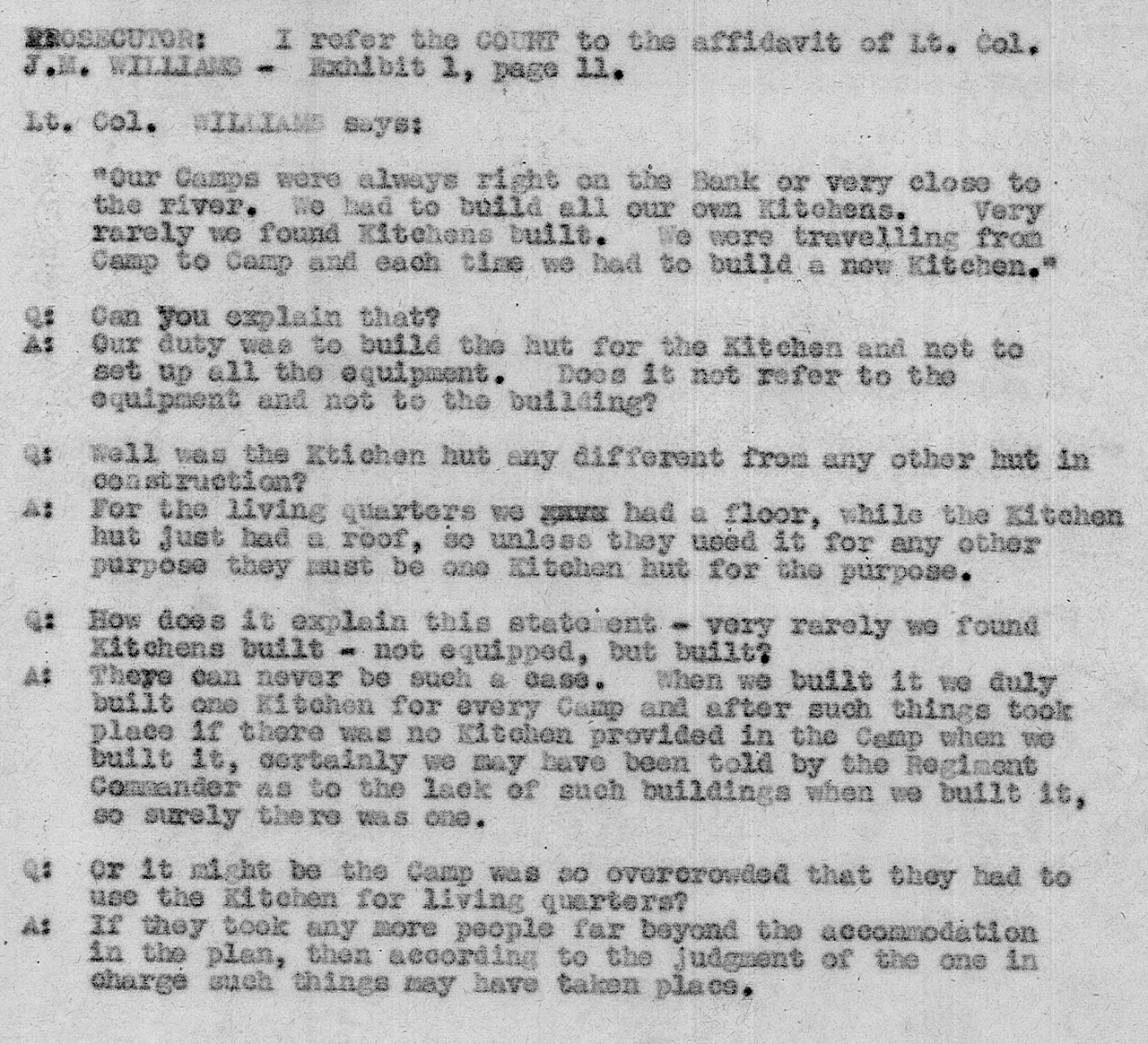
Williams Force under Lt Col John Williams C.O. of the 2/2nd Pioneers
Was made up of 884 men mainly 2/2 Pioneer Battalion, sailors of the Cruiser HMAS Perth, arrived Thanbyuzayat late October 1942 and became part of 3 Group, moved to Tanyin 35 kilo camp first. Camp Commandant Lt Yamada was one of the best and tolerant Japanese Officers on the Railway who respected Col Williams, unfortunately he was later moved.
The Medical Officer was Ear Nose & Throat Specialist Lt Col Eadie. In March 1943 with Anderson Force, they moved back to the 26 Kilo camp Kunknikway, here they were to come under the control of the unpredictable and drunkard Lt Naito.
On April 4th they commenced the work of laying the rails & sleepers through to where the two ends joined on 17 October 1943, known as No 1 Mobile Force.
It should be noted that in all Australian camps on the Burma end of the Railway, Officers accompanied the men on the work parties and actively intervened to protect the men from punishment, often taking the bashing themselves.
This was very much the rule in Williams and Anderson Forces where the Officers had won the respect of the men in action in Syria, Java & Malaya, Col Anderson won his Victoria Cross in the Malaya fighting.
(This unfortunately did not happen in Thailand)
In October 1942 by truck those who were in Williams Force under Pioneer C.O. Lt Col Williams travelled to Tanyin the 35-kilo camp where work on the railway was to commence. Black Force made up of half the group from Java, a mixed lot Australian American and Dutch, were sent to the 40 kilo camp, work commenced on the railway on the 29th October, these Australians along with Green Force who arrived early October were the first Australians to work on the Death Railway and subsequently experienced the longest period of work of any other Australian forces.
As day followed tedious day, as food supplies shrunk, as work quotas increased, few noticed the gradual deterioration in their health, fortunately the wet season with it’s plethora of diseases had not yet arrived, despite this the daily sick parade lengthened.
In December 1942 Neil in his state of malnutrition, lack of a balanced diet, contracted conjunctivitis, his condition became so bad that he was sent down to Thanbyuzayat, where a base hospital camp existed, with very few drugs, there was little the medical staff could do to treat the sick. Major W.E. Fisher was Medical Officer in charge of the hospital and he ruled with a rod of iron, nick-named the ‘Fuhrer’ he ran a strict but caring, operation. It was late in 1942 and although the railway construction had only been going for 3 to 4 months, long hours, poor and insufficient food was already starting to take its toll. There was little that could be done for the conjunctivitis patients except to protect their eyes from the cruel glare of the sun, give them rest, they were all also allowed to stand at the head of the queues for meals.
1943
By January, with rest, and a work free regime, Neil’s condition improved to the extent that he was discharged from hospital on the 16th February and returned to the work camp. By this time work had been in progress for 5 months and at the 35 Kilo camp most of the embankments were nearing completion the bridges in the area were also constructed.
29 Mar 1943 move from 35 Km Camp to 26 Km Camp Kunknikway
From the 35 Km William’s Force moved back to the Kunknikway, 26kilo camp on the 29th March 1943, the camp commandant was the much feared drunken Capt Nito, a real mental case whose behaviour was quite unpredictable, when cholera broke out in the camp and the cases were isolated from the main camp, he told British interpreter Capt Drower that he had cholera and made him move up into the Cholera camp.
About this time prisoners were allowed to send home a post card, they were restricted in what they could say and although they all realised it was a propaganda stunt they also felt it important that their families got news of their survival.
By now the monsoon season was upon the area but there was no respite to the drive by the Japanese to have the railway operating by midyear to allow supplies & reinforcements to be transported to the fighting on the India Burma border.
For obvious reasons William’s Force was selected for the arduous task of actually laying the rails, probably because they were still a disciplined group, still controlled by the battalion system, and with skills required by the Japs. Also chosen was Anderson Force, for similar reasons, Colonel Anderson won a Victoria Cross in Malaya, he had the elements of his battalions in his force. Construction of the railway on the prepared trace involved the heavy work of carrying timber sleepers and the rails, in all weather; it also involved the more arduous task of ballasting. The worst aspect of ballasting was driving the heavy metal under the sleepers by the use of a heavy hammer headed pick, this involved striking the metal with the hammer at the base of the sleeper, a miss stroke and the shock of striking the sleeper caused many shoulder injuries.
Burma. 1943.
Australian and British prisoners of war (POWs) laying track on the BurmaThailand railway.
The POWs working on the railway in Burma were all members of A Force, designated by the Japanese as Group 3 and Group 5. Most of the men in the track laying teams came from Anderson and Williams Force which came from Java and were part of “A” Force,.
Another serious hazard encountered by the Mobile Force was the movement from camp to camp as the line was extended, this meant that the Australians often moved into camps occupied by native labourers with all the filth and disease associated with these unfortunates whose deaths were in the thousands.
Another opportunity to send a message home was presented and again it held a strong propaganda content, all lies of course, Neil again grasped the opportunity. The second message was written as he was preparing for his departure from Tamarkan on the long journey to Japan.
Neil kept copy of records
A record of the inoculations received
Dr Rowley Richards maintained the Cholera injections saving the lives of hundreds of Mobile Force from the fate of many others on the railway.
Neil by now was suffering repeated bouts of malaria as well as dysentery, there were no drugs at this stage to treat the repeated attacks which left the sufferer weaker with each bout, Neil has only vague recollections of this period of his imprisonment. with the malaria attacks, cholera, dysentery, ulcers, Berri Berri pellagra and malnutrition were taking their toll of the work force. The Japanese attitude to the prisoners was that they were all expendable, there was an endless supply of them, the non workers, the sick & dying were put on half rations, in the work camps however all rations were averaged out by the camp leaders, in fact any extra food such as eggs or fruit coming into the camps was immediately reserved for the sick. In the hospital base camps with no workers rations were reduced which made recovery nigh impossible, some times the dead were kept on strength for a while to partly over come this deficiency.
750 Pioneers worked on the Burma Thailand Railway, of these 177 died there, about 25% a further 73 Pioneers from the Railway drowned on their way to Japan when their transport was torpedoed, only 2/3rd of the 910 taken prisoner survived to get home, amongst them Neil
In the August September & October period multiple deaths were a daily occurrence, bodies were sewn into rice bags before burial in an attempt to preserve the remains for reburial at the war’s end. Work continued through the worst areas for these diseases and camps at the 45 kilo 50 kilo & 60 kilo were cesspits, many had been occupied by native labourers whose hygiene left a lot to be desired. On several occasions on taking over a camp the Pioneers had to bury dead natives lying on the ground amongst the huts, not a very pleasant task, bed bugs left by previous occupants along with lice were also prevalent and made life miserable for all prisoners.
August saw Neil now in such a poor state after repeated malaria attacks and incapable of continuing with the work was transferred to the camp hospital, a hut situated in the lowest part of the camp surrounded with water, Colonel Edie an ear nose & throat specialist was camp doctor, with no drugs he could do little for the patients. When the work force moved out of the camp, Neil along with the chronically sick were transferred back to the 30 kilo camp which had recently been made the base hospital after repeated bombing of Thanbyuzayat had forced the evacuation of the patients there.
Allied bombing now was an added terror for the POWs, as the line progressed so did the tempo of the bombing raids increase, the Japanese deliberately placed the POW camps next to strategic targets such as rail junctions, army camps, bridges. Naturally the toll on prisoners was heavy, both in death & injury, morale also became effected, what with over work, malnutrition, disease, and death the raids were an additional threat.
August & September were terrible times for Neil, deaths in the camp soared, he continued to have repeated bouts of Malaria and he was just a skeleton, with pellagra, tinea and lice infestation his nights were spent tossing on the bare bamboo slats. Throughout this period he kept himself alive with thoughts of home and how much his mother would be worried at no news, every night he said his prayers calling on God to bless each one of his family by name.
October 1943 with the joining of the two ends of the railway at Nike with only maintenance work required most of the camps on the Burma end were closed and the prisoners concentrated at the 105 kilo camp about 6 km from the Burma Thailand border. Neil was one of the sick from the 30 kilo camp transferred to the 105 kilo camp, it was here that he fought the worst malaria bouts of his internment, for the first time quinine became available, up to eight large tablets a day was prescribed for the malaria sufferers. The side effects from quinine were almost as bad as the fever, also it was a cause of extreme depression, but it was here in December 1943, some 21 months after capture that letters from Jemima caught up with Neil. Oh how these letters were treasured, read & re-read it is possible that they were a major factor in his slow recovery, it was here also that he was reunited with his best mate Bluey Rowe who was one of the few who worked through the full period of the railway construction. As the railway construction had finished work parties were needed only for light work, but food was in short supply still, disease was rampant in this jungle area and the death rate continued to soar.
A diversion occurred no doubt as a move to lift morale in the camp, the Senior Officer asked the camp commandant to allow a special holiday on the first Tuesday in November, a National holiday in Australia Melbourne Cup day. The whole camp got into the spirit, even dressed some POWs up as ladies with parasols, bookies plied their trade and one of the prisoners who had a remarkable memory and could recite every cup winner since the start of the race last century, volunteered as the race commentator. The workshop made up a cabinet similar to the wireless cabinets of the day large enough for the commentator to crouch inside and call the race, the starters were all well known cup winners and no one but the commentator knew who was going to win. The climax of the meeting was the race and the commentator was superb, his voice filled with the excitement reminiscent of real races resonated through the camp and for a short few minutes the prisoners forgot their misery the squalor and the sickness and became a typical Australian race crowd.
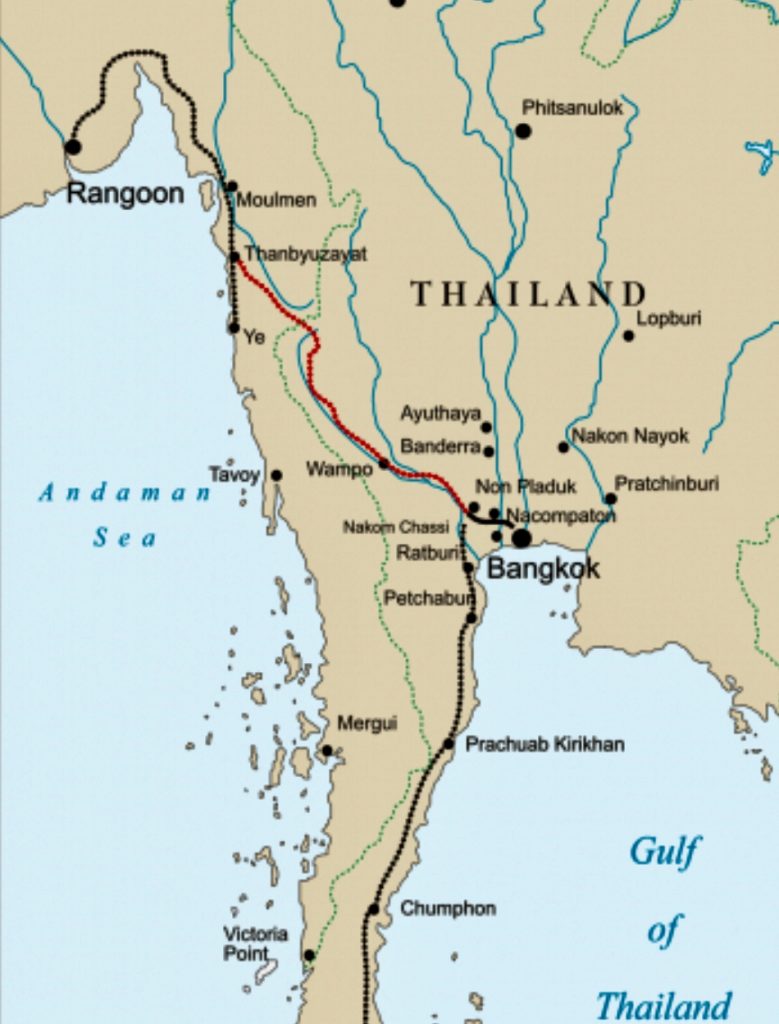
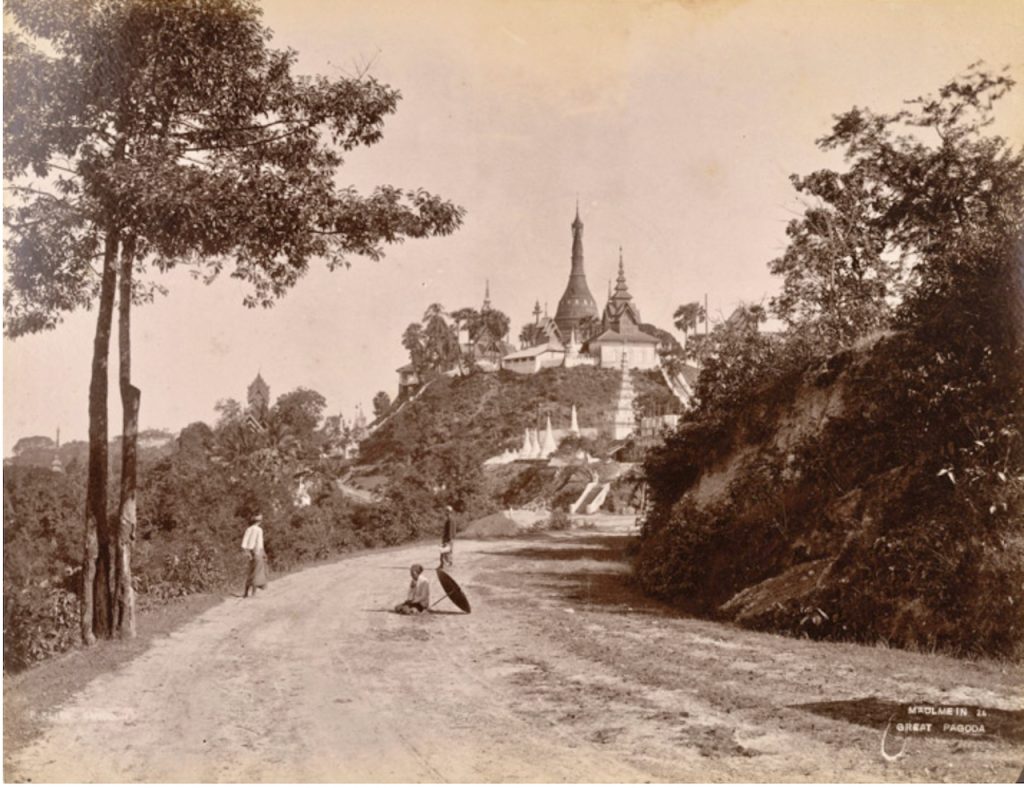
Above and Below Moulmein.
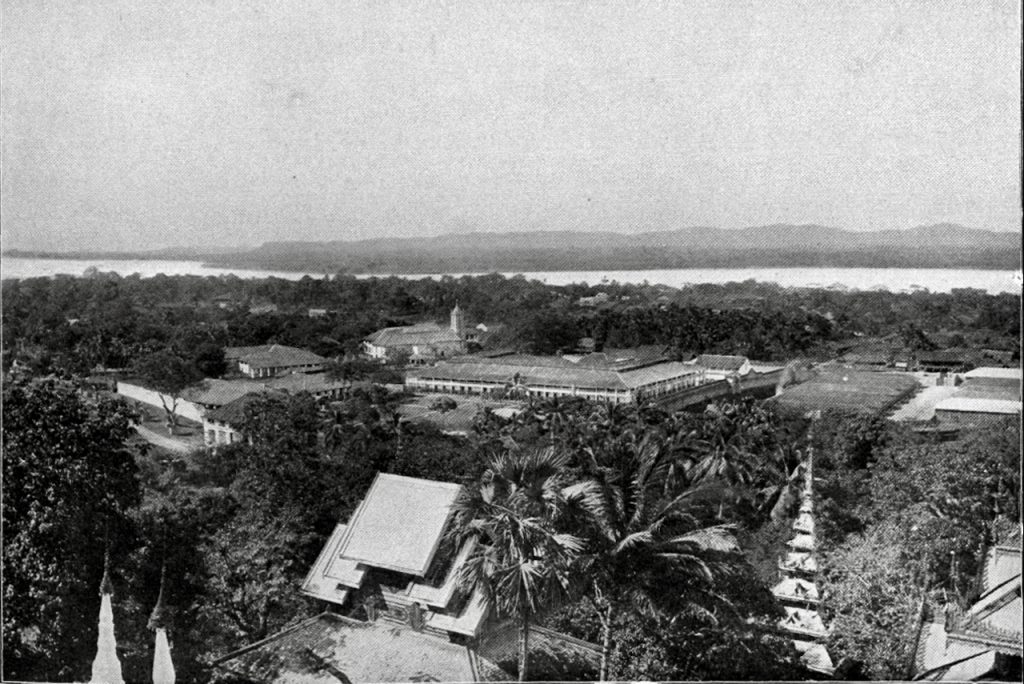
It was at Moulmein Java Party No. 4 was organised into 2 groups, Black and Williams Force. There were approximately 43 men from 2/4th with Williams Force (and about 6 men with Black Force, including William ‘Bill’ Gregory).
JAVA PARTY NO 4 WILLIAMS FORCE WILLIAMS FORCE:
WX1138 WILLIAMS, Alfred George – C Coy HQ ‘Blackforce” Java Party No. 4 Williams Force
W9827 STRIBLING, REGINALD HAROLD ‘C’ COY ‘Blackforce’ JAVA PARTY NO. 4 WILLIAMS FORCE
WX9419 STEELE, HAROLD WILLIAM ‘C’ COY HQ ‘Blackforce’ JAVA PARTY NO. 4 WILLIAMS FORCE
WX7893 SMITH, JAMES STANLEY ‘C’ COY ‘Blackforce’ JAVA PARTY NO. 4 WILLIAMS FORCE
WX16424 SING, ALFRED ‘A’ COY ‘Blackforce’ attached 2/2nd Pioneers JAVA PARTY NO. 4 WILLIAMS FORCE & RAKUYO MARU PARTY – RECOVERED
WX16427 ROBERTSON, DONALD CHARLES ‘B’ Coy ‘Blackforce’ JAVA PARTY NO. 4 WILLIAMS FORCE
WX9563 RANDALL, JOHN 88TH LAD ‘Blackforce’ attached 2/2nd Pioneers JAVA PARTY NO. 4 WILLIAMS FORCE AWA MARU PARTY **REMAINED SINGAPORE SICK ***
WX16417 NINYETTE, SAMUEL ‘D’ COY ‘Blackforce’ JAVA PARTY NO. 4 WILLIAMS FORCE
WX5536 MURDOCH, JAMES LEWIS ‘D’ Coy ‘Blackforce’ JAVA PARTY NO. 4 WILLIAMS FORCE
WX15746 MORRISON, ARTHUR EDWARD ‘D’ COY ‘Blackforce’ attached 2/2nd Pioneers captured Garoet 9 March 42 JAVA PARTY NO. 4 WILLIAMS FORCE
WX90826 MILLAR, HUBERT JAMES ‘C’ Coy ‘Blackforce’ Attached 2/2nd Pioneers JAVA PARTY NO. 4 WILLIAMS FORCE
WX9825 MCLOUGHLIN, CHARLES PETER ‘C’ Coy ‘Blackforce’ JAVA PARTY NO. 4 WILLIAMS FORCE
WX13285 MAUDE, JACK ‘A’ COY ‘Blackforce’ JAVA PARTY NO. 4 WILLIAMS FORCE- AWA MARU PARTY TO JAPAN – RTA
WX16341 MARTIN, SAMUEL THOMAS HQ COY ‘Blackforce’ JAVA PARTY NO. 4 WILLIAMS FORCE
WX11316 LEWIS, LAURENCE HAROLD ‘D’ Coy ‘Blackforce’ JAVA PARTY NO. 4 WILLIAMS FORCE
WX8336 KUHL, FRIEDRICH GODFRIED BTN HQ ‘Blackforce’ JAVA PARTY NO. 4 WILLIAMS FORCE
WX8695 HARRIS, WILLIAM DENNIS BTN HQ ‘Blackforce’ attached 2/2nd Pioneers JAVA PARTY NO 4 WILLIAMS FORCE
WX15736 HANSEN, ROBERT ‘D’ COY ‘Blackforce’ JAVA PARTY NO. 4 WILLIAMS FORCE
WX7123 HAMPSON, ROBERT DOUGLAS ‘A’ COY ‘Blackforce’ JAVA PARTY NO. 4 WILLIAMS FORCE***RAKUYO MARU – RESCUED USS BARB***
WX6975 HAM, REGINALD JOHN ‘D’ Coy ‘Blackforce’ JAVA PARTY NO. 4 WILLIAMS FORCE
WX8625 GREGORY, WILLIAM RICE ‘A’ Coy JAVA PARTY NO. 4 ******* BLACK FORCE************
WX6980 GOLDEN, PERCY A Coy ‘Blackforce’ JAVA PARTY NO. 4 WILLIAMS FORCE
WX7595 GLASS, GEORGE Btn HQ ‘Blackforce’ JAVA PARTY NO. 4 WILLIAMS FORCE
WX15422 FROST, BASIL MELVILLE HQ Coy ‘Blackforce’ JAVA PARTY NO. 4 WILLIAMS FORCE
WX9199 FARMER, ARTHUR ERNEST ‘A’ Coy ‘Blackforce’ JAVA PARTY NO. 4 WILLIAMS FORCE
WX7299 DOYLE, THOMAS FRANCIS ‘D’ COY ‘Blackforce’ JAVA PARTY NO. 4 WILLIAMS FORCE
WX9310 DICKSON, ANDREW ALFRED ‘A’ Coy ‘Blackforce’ JAVA PARTY NO. 4 WILLIAMS PARTY
WX16369 COCKING, ALFRED JOHN ‘B’ Coy ‘Blackforce’ attached 2/2nd Pioneers – RAKUYO MARU – RESCUED PAMPANITO
WX7600 BOUSFIELD GEORGE REGINALD ‘D’ COY ‘Blackforce’ JAVA PARTY NO 4 WILLIAMS FORCE
WX10322 BLAKEWAY, COLIN LT ESCORT OFFICER FREMANTLE TO JAVA ‘Blackforce’ attached ‘C’ Coy 2/3rd MGB – JAVA PARTY NO 4 WILLIAMS FORCE
WX6970 BARNES, ALFRED JOHN ‘A’ Coy HQ ‘Blackforce’ attached 2/2 Pioneers JAVA PARTY NO 4 WILLIAMS FORCE
WX7164 BARKER, FREDERICK ‘C’ Coy ‘Blackforce’ *****JAVA PARTY NO 4 BLACK FORCE*****
WX9367 BAKER, JOHN ROBERT ‘A’ Coy ‘Blackforce’. JAVA PARTY NO 4 ******BLACK FORCE*****
Deaths: (10 men died plus Thomas Green who was sent to Kutching, died Sandakan)
WX7905 ANNESLEY, FREDERICK JOHN HQ Coy ‘Blackforce’ – JAVA PARTY NO. 4 *****Black Force*****RAKUYO MARU PARTY – LOST SOUTH CHINA SEA
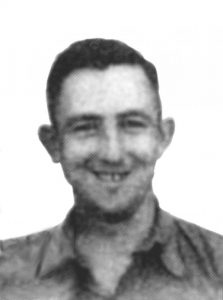
WX8682 BAKER, WLLIAM ROBERT SAMUEL ‘B’ Coy ‘Blackforce’ attached to 2/3RD MGB -Java Pary No 4 BLACK FORCE – RAKUYO MARU PARTY-LOST AT SEA
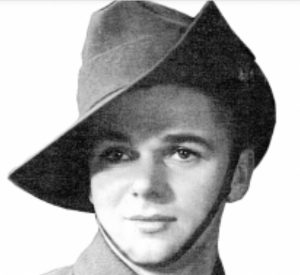
WX8855 DAVIES, DAVID JOHN HQ Coy. ‘Blackforce’ JAVA PARTY NO. 4 WILLIAMS FORCE. EVACUATED to DIED ILLNESS TAMARKAN 10 JUL 1944.
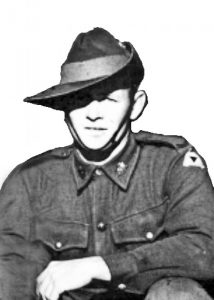
WX8830 DRUMMOND, ALEXANDER MCDOUGAL DONALD B Coy HQ. ‘Blackforce’JAVA PARTY NO. 4 WILLIAMS FORCE. ‘RAKUYO’ MARU PARTY TO JAPAN. LOST AT SEA
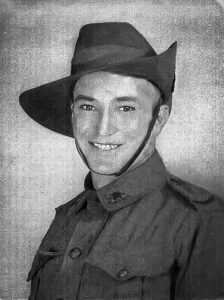
WX7569 FOXALL, STUART EDWARD ‘C’ Coy. ‘Blackforce’ JAVA PARTY NO. 4 WILLIAMS FORCE. Died Cholera Beke Taung hospital camp 7/7/43.
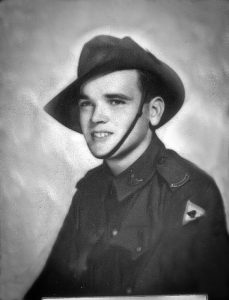
WX92370 FURY, THOMAS JOSEPH ‘A’ Coy. ‘Blackforce’ JAVA PARTY NO. 4 WILLIAMS FORCE. Killed allied air raid THANBUZAYAT 15/6/44.
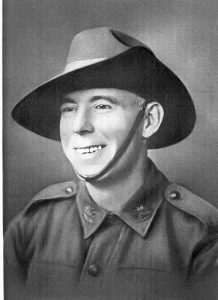
WX8540 GREEN, THOMAS WILLIAM HQ Coy. ‘Blackforce’ JAVA PARTY NO. 4 BLACK FORCE.TRANSPORTED TO KUCHING, E FORCE SANDAKAN. DIED SANDAKAN
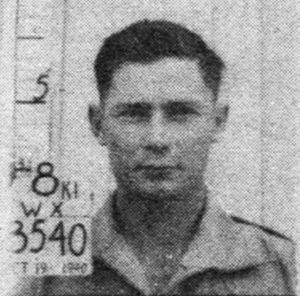
WX8408 HAYES, ALBERT GEORGE HQ Coy. ‘Blackforce’ JAVA PARTY NO. 4 WILLIAM FORCE. ‘RAKUYO’ MARU to Japan. Lost at sea.
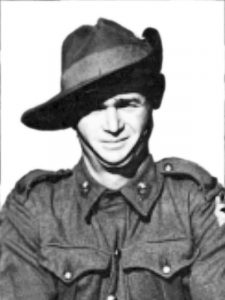
WX7465 HOLDMAN, NORMAN PHILLIP HQ Coy. ‘Blackforce’ attached ‘A’ Coy 2/3rd MGB. JAVA PARTY NO 4 WILLIAMS FORCE. Killed air raid Bangkok go downs 27 March 1945
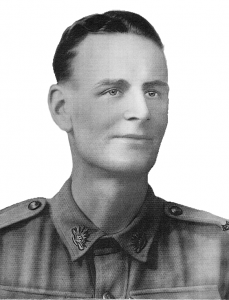
WX10795 HUGHES, RONALD EDWARD ‘A’ Coy. ‘Blackforce’ attached 2/2nd Pioneers.JAVA PARTY NO. 4 WILLIAMS FORCE.RAKUYO MARU PARTY TO JAPAN. LOST AT SEA
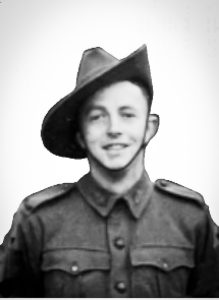
WX5118 JENKINS, JAMES MORGAN ‘C’ Coy. ‘Blackforce’ JAVA PARTY NO 4 WILLIAM FORCE. DIED ILLNESS THANBY 11/11 42.
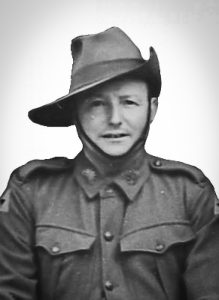
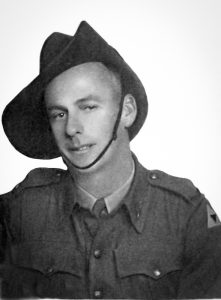
WX9059 RAMAGE, GEORGE ROBERT ‘BOB’ HQ NO 1 SIGNALS under CO Lt Curnow. ‘Blackforce’ Java Party No. 4, Williams Force. Bob died dysentery at Payathonzu 108 km Camp, Burma on 23 Sept 1943 aged 38 years. Bob was father to two children.
_______________
Those who remained Java:
WX10343 BANKS, NOEL EDWIN ‘C’ Coy HQ ‘Blackforce ‘ attached 2/2nd Pioneers*****Sent to Sumatra*****
WX8766 BOOTH, HAROLD VERNON B Coy ‘Blackforce’ JAVA PARTY NO 22 *****SUMATRA – DIED 1945 PAKAN BAROE RAILWAY
WX10365 CALDWELL, MAURICE WILLIAM Btn HQ ‘Blackforce’ *****REMAINED JAVA********
WX9551 CARROLL, FRANK VINCENT ‘C’ Coy ‘Blackforce’ *****REMAINED JAVA*****
WX5132 FISHER, GEORGE ‘C’ Coy ‘Blackforce’ *******Remained Java***************
WX107612 WATTERS, TOM MURRAY ‘Blackforce’ *****REMAINED JAVA*****
Those who evacuated and/or remained Singapore:
WX7333 BURNS, ARTHUR JOHN ‘B’ COY*****EVACUATED SICK TO CEYLON from JAVA. RETURNED TO AUSTRALIA*****
WX6155 BYRNE, LEO PATRICK ‘C’ Coy ‘Blackforce’ attached 2/3rd MGB Admitted hospital 18/2/42 to 25/2/42 *****Embarked ‘Wuseh’ to Columbo. Then Melbourne, Perth 1942*****
WX7285 LOVE, HARRIE ROBERT A Coy JAVA PARTY NO. 4. ** BLACK FORCE** ***********REMAINED SINGAPORE DID NOT CONTINUE TO RAILWAY**
On morning of 26 October the two Forces marched 2 miles to South Moulmein railway station for their 40 mile train journey to Thanbyuzayat POW Camp and Japanese HQ at that time.
The following day, Williams Force was transferred to Tanyin Camp, 35 km from Thanbyuzayat. The Force then moved to Anakwin 45 km and remained from 24 April to 13 May 1943. From this point onwards, when they left Anankwin 45 km on 13 May 1943 the Japanese did not permit movement from one camp to the next during working hours so as not to interfere with railway construction work!
They worked all day, went back to camp, packed their meagre belongings and exhausted, began their march during the night to next camp.
Williams Force was thankfully moved by rail motor to Taungzun 57km Camp on 13 May 1943.
Here, Williams and Anderson Forces became No. 1 Mobile Force.
The task of No. 1 Mobile Force now consisted of serious railway construction involving sleeper laying, ballasting and rail laying gangs; physically demanding and long hours of slave labour. This construction force kept apace of the ever forward thrust of the rail link towards the Thai border.
Included in No. 1 Mobile Force was the experienced engineering unit of 2/2nd, who had sailed from the Middle East to Java. The Japanese couldn’t believe their luck!
They were constantly on the move with the worsening weather (wet season), unreliable food supplies, little or no medical supplies/medicines and difficult jungle conditions.
On 13 July 1943 Williams No. 1 Mobile Force moved by rail and marched to Mezali 72 km Camp. Here they remained until 1 September 1943. Next it was to Apalon 77km camp from 1 September to 11 September 1943.
On 11 September the men marched during the day to Kyondaw 85 km, with the numbers of sick being transported by rail.
On 17 September No. 1 Mobile Force left Kyondaw for a night march to Payathonzu 108km Camp. They were now 108 km from Thanbyuzayat and not far from Three Pagoda Pass and the border of Burma and Thailand.
Every day was the same.
Walk to the railway, work and walk back moving or dragging one foot after the after.
One miserly small meal of watery rice, with weevils if lucky.
About every 10 kilometres the men would move camp.
The food and conditions were the same – terrible.
Punishment and Japanese brutality was an every day event.
The sick would mostly remain behind with others to look after them, or be evacuated to so-called ‘hospital’ camps were there were no medicines for the tropical illnesses they suffered from. Malaria, beri beri, dysentery, avitaminosis, etc. and ulcers where hard-working and dedicated doctors such as Bruce Hunt and Albert Coates performed amputations, which often resulting in death due to the general poor health of the men lack of medicines and equipment.
No. 1 Mobile Force arrived Kami Sonkurai 116km Camp, Thailand on 21 September and remained just four days working. The native coolie cholera camp was adjacent to the POWs huts, both situated on the slope of a hill. The Burmese coolies occupied huts on top of the hill and with the consistent rainy season food and excreta was washed down the side of the hill through the lines. The camp was located a distance from the railway line which ran around the base of the hill on which the camp was situated.
After this, all camp moves for No. 1 Mobile men were made during the monsoon season. Work camps were often awash with mud and atap roofs and tents leaked rain onto the men nightly. They would go to sleep wet and wake up wet.
Kami Sonkarai was the worst camp occupied by any forces from Burma. At the nearby ‘F’ Force camp at Changaraya, the British had 200 men die of cholera (they had to share accommodation with 500 Burmese coolies).
122 Camp 25.9.43 to 26.12.43
122 Camp was in the vicinity of Sonkurai No. 2 Camp. It was here the 600 Bridge had been constructed by the British of ‘F’ Force. It was to the great cost of lives. No.1 Mobile Force marched from Kami Sonkurai 116km to 122km Camp with 80 sick men and baggage transported by rail motor. Fortunately this was a better camp than 116km, but overcrowded as was 116.
At least here the camp was not awash with mud, but there were no palm leaves for roofs on the huts . The men had little protection from rain and weather.
Williams No. 1 Mobile Force worked as far south as Neikhe Camp in Thailand. They were forever on the move up and down the line and constantly pushed.
Nikhe-Nikhe 131 Wood Camp 26.12.43 to 11.1.1944
Located high in the ranges this camp was cold at night. The camp was a day’s march from 122 Camp. The sick were carried on stretchers and later that day transferred to 281.80 Nikhe Camp. On 11th and 12th January the sick were moved by train over a period of 24 hours to Kanchanaburi, Thailand. Some died on the journey. Those who survived were then marched 5km back to Tamarkan Base Hospital Camp No. 2!
Nikhe-Nikhe Wood Camp was near a series of small hills. Rail laying was suspended whilst cuttings were excavated. Once completed the rail laying gangs recommenced their work on 13 October 1943.
Nikhe 133 km Camp 11.1.44 to 25.1.44
Located just north of Nikhe Old HQ for Japanese Camp at 276 km point, this camp was last on the rail link for Williams No. 1 Mobile Force.
The two ends of the railway had been joined on 17th October 1943 at Upper Konkoita-Lower Teimonta at the 262.87 km point.
On 25 January 1944 the Force moved north back to the border to Changaraya 303.95km Camp (113.97 km from Burma end). About ten days later the Force was moved back to Aungganung 105 Camp. It was here No. 1 Mobile Force met up with the remnants of Australian work groups still in Burma.
Augganaung 105km Camp, Burma 5.2.44 to 25.3.44
It was during March 1944 at this camp that the fittest POWs were being selected to work in Japan. Those selected were sent to Tamarkan, Thailand which had become a collection centre.
At about this time Williams No. 1 Mobile Force like so many Forces was about to commence the move south into Thailand. On 22 March 105km Camp, Burma was machine gunned by two B24 Liberator bombers. This resulted in the remainder of the men being evacuated 2 days later heading to Kanchanaburi.
Following ‘Speedo’ those POWs sufficiently well were assembled at four large work Camps in Thailand. The sick who were deemed to survive were also sent down the line to hospitals. The very sick remained at the hospital camps in Burma, cared for by doctors and very dedicated orderlies until they died.
‘We should note that in all Australian camps on the Burma end of the Railway, Officers accompanied the men on work parties and actively intervened to protect the men from punishment, often taking the bashing themselves. This was very much the rule in Williams and Anderson Forces where the Officers had won the respect of the men in action in Syria, Java & Malaya, Col Anderson won his Victoria Cross in the Malaya fighting.’
(Unfortunately this was not the case in the Thailand work camps where it was very much officers in their camp sometimes with little interest or interaction with with their men. In too many cases officers took minimal responsibility to ‘lighten’ the load their men were forced to endure such as collecting food supplies at the end of a long working day on the rail, sometimes as long as 12 hours – under these circumstances surely the Officers could have collected to food.
Please read about Black & Williams Forces
Below: Williams at the War Trials
THE SINKING OF
HMAS PERTH & USS HOUSTON IN SUNDRA STRAIT 1942
‘On the night of 27 February 1942, an Allied force of 14 ships, including Perth, engaged Japanese naval forces in the disastrous Battle of the Java Sea. Attempting to prevent the Japanese invasion of Java, 5 Allied ships (3 Dutch and 2 British) were lost in the engagement. Perth and USS Houston were lucky to survive. The Japanese invasion of Java went ahead on the 28th, delayed by just one day.
After surviving the battle, Perth and Houston proceeded to Tanjong Priok. They received orders to continue on to Tjilatjap via the Sunda Strait. Air intelligence had identified a large enemy invasion force north-east of Batavia (Jakarta). however, it was thought that the convoy escort would be unlikely to interfere with the passage of Perth and Houston through the Sunda Strait.
The two Allied cruisers were already low on fuel and ammunition. They encountered the Japanese escort late on 28 February, north of Banten Bay, Java, and immediately engaged.
Perth received its first hit at 11:26pm, followed by 2 more hits in quick succession. Ammunition was reduced to a few 6-inch practice shells and some star shells. Perth’s commanding officer, Captain Hector ‘Hec’ Waller, decided to attempt to force a passage through the strait. He ordered full speed and altered course for Toppers Island.
Perth had barely steadied on course when it was struck on the starboard side by a torpedo at 5 minutes after midnight. A second torpedo hit, prompting Captain Waller to give the order to abandon ship. Perth sank at approximately 00:25am having received two further torpedo hits.
Houston was also struck by several torpedos and sunk shortly after Perth. Of its complement of 1,061, only 368 survived the sinking. A further 77 later died in captivity.
The above information has been copied from Australian Navy for which we thank and acknowledge.
HMAS PERTH CREW TAKEN POWS OF JAPAN IN JAVA
Of the 681 personnel aboard, 353, including Captain Waller, did not survive the sinking. Four later died having managed to reach shore on Java, and 106 died in captivity. Just 218 survived to be repatriated to Australia.
In October 1942 survivors from the HMAS Perth were shipped to Singapore, and then to Burma. In October 1942, 385 Australians, commanded by Major L.J. Robertson, left Java on board the Moji Maru; they joined up with A Force on 17 January 1943.
HMAS PERTH men well known to 2/4th include:
Ordinary Seaman ARTHUR BANCROFT
Able Seaman Norman Frederick FULLER
Stoker 2nd Class SYDNEY JAMES HARPER
Able Seaman Frederick Gordon SKEELS
Please read further the battle of these two ships in the Sundra Strait 1942 at the Warfare History Newtwork
EXTRACT OF:
MOVEMENTS OF JAVA PARTY NO. 4 (INCL. HMAS PERTH POWs, 2/2 PIONEERS BATTALION AND OTHERS)
08/10/42 LEFT TANJONG PRIOK, JAVA, ON ‘KENKON MARU’
12/10/42 ARRIVED SINGAPORE – CHANGI
14/10/42 LEFT SINGAPORE 0N ‘MAEBASHI MARU’
22/10/42 ARRIVED RANGOON, BURMA
23/10/42 TRANSHIPPED WITHOUT GOING ASHORE. LEFT RANGOON ON ‘YAMAGATA MARU’
24/10/42 ARRIVED MOULMEIN. STAYED IN LOCAL GAOL
WILLIAMS FORCE FORMED
26/10/42 LEFT MOULMEIN & MARCHED TO STH MOULMEIN RAILWAY STATION. THEN BY TRAIN TO THANBYUZAYAT (4O MILES)
‘WILLIAMS FORCE’ INCORPORATED INTO BURMA ADMINISTRATION GROUP NO 3,
(INCLUDING GREEN, RAMSAY & ANDERSON FORCES)
27/10/42 TFRD TO TANYIN, 35 KILO CAMP (2 ATAP HUTS, OPEN ONE SIDE, NATIVE WELL)
28/10/42 COMMENCED WORK ON THE RAILWAY
03/01/43 ‘WILLIAMS’ AND ‘ANDERSON’ FORCES COMBINED
27/03/43 MOVED BACK TO KUN KNITKWAY, 26 KILO CAMP DURING NIGHT
24/04/43 MOVED BY TRAIN AT NIGHT TO ANANKWIN, 45 KILO CAMP
FROM HERE ON, WHEN CHANGING CAMPS, TOOK BELONGINGS TO WORK IN THE MORNING
AND AFTER WORK MOVED ON TO FOLLOWING CAMP, MOSTLY IN THE DARK.
THEN CALLED ‘NO 1 MOBILE FORCE’ LAYING SLEEPERS & RAILS ALWAYS ON THE MOVE
RAILWAY JOINED IN OCT 43 AND FULLY OPERATIONAL BY DECEMBER 43
26/12/43- 1 DAY MARCH TO LITTLE NIEKE, 130 KILO CAMP, SICK, ON STRETCHERS, MOVED
11/01/44 ON 26/12/43 TO 281.8 KLM (Ni Thea) CAMP. THEN ON OR AFTER 11TH JAN 44 WENT BY TRAIN THROUGH THAILAND TO KANCHANABURI