A group of WA war veterans made the trip to Changi Prison a day after an emotional memorial service at Kranji War Cemetery to mark the 50th anniversary of the fall of Singapore…..
Read the article of Jack Kyros’ visit ‘For your tomorrow they gave their today’ from the Sunday Times February 23 1992.
New Additional history about Endeavour
Received from Mrs Patricia Adamson,
Secretary
MALAYAN VOLUNTEERS GROUP (Australia)
Please go to bottom of Page ****
Seven 2/4th men commenced work on Sumatran Railway. Richard Annear, Arthur Magill, Quinn & Squance who were joined by three 2/4th POWs from Java: Banks, Booth & McAskil. (Tragically Booth & McAskil died of illness 1945)
Ted Hopson died Atjeh Party.
Burgess, Semple and Harold Smith remained behind in Singapore with illness or injuries following sinking of POW Transport ship SS Harujkiju in 1944.
Total five 2/4th men survived working on Sumatran Railway & were recovered.
Repatriation of Australian POWs from South East Asia began 18 August 1945 and by 10 October 18,500 men had been evacuated from Thailand.
On 16 September 1945 Major Windsor AAMC from 2/14th Australian General Hospital was flown by a Douglas C47 to Pakan Baroe, to assess the situation of POWs in Sumatra. He immediately reported back that although morale was good, conditions under which the 169 Australian POWs were living were unbearable. The hospital was in poor condition and immediate evacuation by air was recommended.
It was thus decided to make Sumatra the No. 1 priority ahead of Thailand. It is worthwhile to remember the 220 kilometre railway project had just been completed. The POWs were emaciated and terribly ill.
At Pakan Baroe all motor transport, mostly in a state of disrepair was mustered to transport the worst cases from hospital to the airfield 5 kilometres away. By 16 September the equivalent of 3 planeloads of POWs were at the airfield awaiting evacuation to Singapore. When the rescue planes arrived at Pakan Baroe and saw the state of men who had been working on the Sumatra railway, they were reduced to tears.
Prior to Japan’s surrender, the POWs were forced to eat fungus and bark from trees just to keep themselves alive. At this time there was little to be had in the way of food supplies for anybody, including the Japanese.
The first aircraft returned to Singapore on the same day but did not return to Sumatra for the second evacuation flight. The RAAF had been directed that no further aircraft were to be sent to Pakan Baroe. Windsor immediately ordered a C47 aircraft return to Sumatra to at least evacuate one more load of sick men, who otherwise would have been forced to remain out in the open at night because they were too frail to return the 5 kilometres to the Hospital Camp.
Further enquiries and a conference about this event revealed the British DDMS cancelled all flights believing there was not sufficient accommodation on Singapore!
It was pointed out the very fragile condition of not only Australian POWs, but the British too and it was imperative they be airlifted to Singapore as soon as possible. The pilots arrived 19 September with ‘Endeavour’ and took the WA survivors, leaving 7 others to fly in the Dakota. The mercy flights continued evacuating all the British and Australian POWs from Sumatra.
The Australians on arrival at Singapore were admitted to 2/14th Australian General Hospital for immediate care. Several men from 2/4th were flown directly from Singapore to Guildford Airport a week later on 24 September, 1945.
These men were Richard ‘Win’ Annear, Noel Banks and ‘Squasher’ Squance.
Right: Noel Banks
Below: Richard Annear
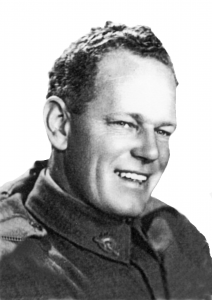
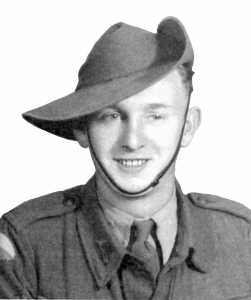 Left: Squance
Alf Burgess was rescued from Harukiku sinking and remained Singapore from 28 June1944 – he was recovered from Singapore and returned onboard 1st Netherlands Military Hospital ship Oranje.
Arthur Magill worked on the Sumatra Railway from where he was recovered. Taken to Singapore after the war ended, he returned onboard Arawa.
Cecil Quinn worked on the Sumatra Rail. Was recovered and flown toSingapore to returned home on the Highland Chieftain.
There were two deaths in Sumatra – Robert McAskil died cardiac beri beri working on the railway at 106 km point on 28 March 1945, and Harold Vernon Booth died of beri beri on 15 April 1945 at No. 2 Hospital Camp, Tengkirang about 5 kilometres south of Pakan Baroe.
Ted Hopson had died earlier, during road construction.
 Harold Booth
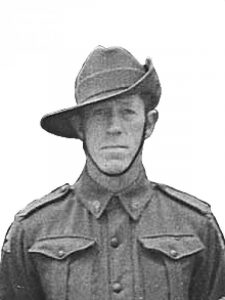 Robert McAskil


Below: Press photo of Cliff Squance, emaciated and very ill as he landed at Guildford Airport – being greeted by then Premier, Sir James Mitchell.


Note: D A C Quinn WX5054 remained in Singapore throughout war – not to be confused with Cecil George Quinn WX9285 who was recovered from Sumatra, but sailed from Singapore to Sydney by ‘Highland Chieftan’, then Sydney-Melbourne-Perth by troop train.
Only three of the very sick men from Sumatra flew on this plane – Annear, Banks and Squance. Magill sailed from Singapore on ‘Arawa’ to Sydney, train to Melbourne, ‘Strathmore’ to WA.

Avro York (Serial No. MW140), “Endeavour”, flew to Australia in 1945 to become the personal aircraft of HRH The Duke of Gloucester, Australia’s Governor-General. It was operated by the Governor-General’s Flight from 1945 to 1947; it was the RAAF’s only York.
You can view POWs at Pakan Baroe Sumatra at end of war
You can see former POWs arrive Singapore from Sumatra
Major Saggers, Lt. O’Sullivan, Lt. Mentiplay and several other Changi resident 2/4th men managed to get on this flight – as Saggers wrote – he found there were several seats available and asked for officers who would like to fly back to Perth.
I wish to acknowledge and thank Lt Col (Ret’d) Peter Winstanley OAM RFD (JP) for his work in ‘Articles about prisoners of war of the Japanese 1941-1945.’ The following has been copied from this Book.
The following dates are from a diary of Robert Lewis (Bob) Miller an Australian serving with Royal navy who became POW near Banka Island 18 Feb 1942
13 Aug 1945 Men dying fast from starvation
14 Aug 1945 Last outside working parties
15 Aug 1945 Japs and Kempetai ‘big eats’ (I believe this means they feasted well)
16/17/18/19 Aug 1945 Lull – no work parties. We are still wondering about the finish
20 Aug 1945 12.30 rice increased to 550 grams. BIGGEST ration in camp for two years. Japs still quiet about truce.
21 Aug 1945 Yasme – still in dark – 4 ? arrived in camp.
22 Aug 1945 Official news of truce – had fish, beans, gula. Quiet celebration – all camp restless – could not sleep. Pilots amazed us with news of outside.
23 Aug 1945 – Guards kept to guardroom – own police on gate – clothing, shirt, shorts, socks, blanket issue by Japs. Remove dying men to hospital.
24 Aug 1945 – issue of boots, fondouche, towel, soap. Greens and meat increase and soya cake. Still working as blacksmith – feeling well – cannot realise war is over.
25 Aug 1945 – coffee and gula 1st issue. Camp sick from overeating. Bad stomach cases. Pigs being killed. Camp improved. Mental cases.
26 Aug 1945 – Rumaweel convoys camp all afire. 1st issue of Senangat – 20 per man. One Chinese killed during night – one injured my MP.
27 Aug 1945 – Ben went to hospital – bad case. Gula issue 150 grams. Food still the same – 100 grams rice for breakfast, 200 nazi dinner and 250 rice with sauce for supper. Japs very cautious.
28 Aug 1945 12.30 – 3 planes over camp. The first planes we have seen since the war ceased for us. Issue of ? biscuits, toothbrush and soap. Takahashi (Commander of Camp) frightened of trouble – saying ‘Prisones should not walk about in fondouches’. A week ago we could not get clothes to cover our arse. He mentioned ‘we are a great military nation’ – absolute change of opinion.
30 Aug 1945 – ‘Pineapple’ (Jap guard) thumped on the nose.
1 Sep 1945 – still waiting – 12 noon Liberators over dropping stores by parachute – 28 containers consisting of cigarettes, towels, razors. Plane carrying the food crashed after dropping 2 lots. 9 killed. Party out, none survived. Camp very disheartened – 1 container just missing me – frying eggs.
2 Sep 1945 – Capt. Corry demanded military funeral. I am funeral party – grim ordeal. High Jap Officers. Corry made broadcast to world for food and medical gear. Men bartering cigarettes for food. All waiting to get away from this hell hole. Went ashore getting bits of pork and eggs. Bumper nazi for dinner. Awaiting Allied Commission.
3 Sep 1945 – nothing happened. Everybody chocker. Food no good – men swelling up with excess carbohydrate. Men ashore drunk – went around kampong – got one chicken, one duck eggs and fruit. Issue of towels and blankets.
4 Sep 1945 – news of Tokyo – occupation of Padang. Fed up waiting – Chinese contractor being in first lot of fruit and eggs – about time. Issue3 eggs, bananas, 1 pineapple. 4 men dropped with plane with radio, organising internees and POWs. Went ashore with mess – listen to first radio Sydney news and Singapore. Leave unofficial. Japanese very cautious.
6 Sep 1945 – Chinese and Malays very friendly. Issues eggs, meat, stews. Went ashore and listened to radio – very interesting. Jap Officer in cafe. Corry has car. Taken over Palembang radio. Stomach upset with food.
7/8/9 Sep 1945 – radios and cars in camp. First news and papers. Dutch Commission arrived by parachute. 1 Malay, 1 Dutch, 2 ? All men getting very impatient.
10 Sep 1945 – British Commission arrived. Royal Marine Major Jacob – 2 Aussies – great day. Roy Gillam from Mt. Barker. Aussies told us much news of home – all very strange. Had a fine meal – first European meal with Malay merchant (he wanted a favour).
11 Sep 1945 – Planes over dropped cigs and sweets – 20 each. Went ashore. Chinese very good to us. Very.
12 Sep 1945 – Liberators over. 54 containers dropped. Clothing, food and fags. Rackets in full swing. Bad cold – duty – stayed in camp – news of Sumatra – shore patrol armed.
13 Sep 1945 – nothing of interest taking it easy.
14-18 Sep 1945 – going up town – marvellous feeling.
29 Sep 1945 – pilots arrive in camp – take WA survivors – left with 7 others in Dakota for Singapore.
Arrived Changi – lousy – many Aussies made statements as to deaths to RAN.
Note: these are the WA survivors some of whom flew to Guildford on the ‘Endeavour’.
Translations:
fondouches – I believe this is same as ‘jap happys’
gula – palm sugar from from flowers of plants, coconut palm.
yasme – rest day.
****RECENT ADDITION (March 2025)
From: Mrs Elizabeth Adamson,
Secretary, Australia.
5 Penistone Street, Greenwood 6024 Western Australia Tel. (08) 9247 3374
Email. Bunneyelizabeth5@gmail.com
MALAYAN VOLUNTEERS GROUP (Australia)
PATRON: HER GRACE THE DUCHESS of NORFOLK
The late Mrs Merilyn Hywel-Jones told to me a couple of years ago.
Quote:
‘Her father George Booker, was born in British India in August 1915. His cousin Donald Donaldson, was also born in India, and was eight months older. The two boys were great friends.
George became a rubber planter in Malaya, and, of course, was in the Malayan Volunteers. He was involved in fighting against the Japanese, was captured in Singapore and was a prisoner for 3 ½ years
Meanwhile Don and his family came to Melbourne to live. He joined the RAAF in 1940, and eventually went to England, where he commanded a flight in 460 Squadron, Bomber Command, and later commanded 436 Australian Squadron in Lancasters. He was shot down over Northern France, escaped across France and Spain, then back to England.
Later that year Don was appointed Captain of the personal flight of HRH the Duke of Gloucester, when he was appointed Governor General of Australia. Don flew the ‘Avro York’ from England to Australia.
When the POWs in Singapore were freed in 1945, Don asked the Duke if he could take the plane and fly to Singapore to find and rescue his cousin. He loaded up the plane with crates of food and clothes, and landed at Kallang aerodrome. However, George had just left on Hospital Ship ‘Oranje,’ so Don delivered the stores and brought back 25 or more of Australian POWs.’
“Where were you on January 22 1942? If you lived in Cottesloe you may have been in the throes of moving your wife and children to the hinterland.
If you lived in Geraldton, Carnarvon, Wyndham, Broome or Darwin you were sitting and waiting nervously, fearful that the enemy might arrive on the next tide…..”
Read the remainder of the article WA was hit by fear published in the News Chronicle January 22, 1992, written 50 years after the commencement of the war for the men of the AIF and allied forces at Singapore.
There were a number of 2/4th men (8) who managed to escape Singapore Island, only to be taken POWs of Japan at Sumatra, then part of Netherlands East Indies.
Richard Annear, Burgess, Ted Hopson, Arthur Magill, Quinn, Semple, Harold Smith and Squance
Ted Hopson died 26 April 1944, was buried 200 yards south of 28 kilo peg on Blangkejeren-Tekencong Road.
(Ted Hopson’s grave was never located by War Graves, hence his body remains in Sumatra)
Following the sinking of POW Transport Ship SS Harujkiku in 1944, Burgess, Semple and Harold Smith remained Singapore with injuries or illness.
Richard Annear, Arthur Magill, Quinn and Squance returned to Sumatra and the Railway with Java POWs Banks, Booth and McAskil (Booth and McAskil died of illness on the Railway in 1945)
FIVE (5) 2/4TH MEN WERE RECOVERED FROM RAILWAY AT END OF WAR.
This escape route went across the Durian Straits between Singapore and Sumatra and then traced the Indragiri River, which was one of several east-west rivers past the towns of Tembilihan, Rengat as far as Ayer Molek. From here it was necessary to move on foot to Padang on the southwest coast of Sumatra.
From Padang of course those on the run hoped to be rescued by a ship and evacuated to safety!
Arthur Magill and Cliff ‘Squasher’ Squance reached Sumatra
During a Japanese ambush on 11 February 1942 at South-West Bukit Timah, Arthur Magill WX16886 who two days earlier at Bulim Village had been wounded in his neck and armpit, had his rifle shot out of his right hand and received two gunshot wounds to his 3rd and 4th fingers as well as his leg. Cliff ‘Squasher’ Squance WX16885 who was wounded in his left shoulder, managed to escape the scene of the ambush and assisted Arthur Magill over an embankment.
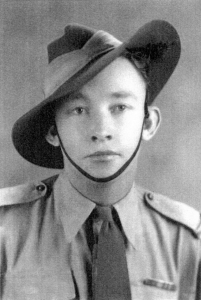
Right: Squasher Squance
Left: Arthur Magill
The two men headed for the coast where they met up with three other ‘fugitives’. They were Ron McLellan from Queensland, an English soldier and an Indian Sepoy.
The five fugitives managed to ‘borrow’ a dinghy equipped with an outboard motor from a seaside resort near Pasir Panjang. As the five men climbed into the dinghy they were joined by a further two men – the Rush brothers from 2/18th.
The group of 7 men motored away from the shoreline and against an outgoing tide until they eventually ran out of petrol. They were forced to put into an island in Keppel Harbour, close to Singapore City.
A vote was taken and it was decided to continue with their escape bid to Sumatra where they hoped they may be rescued.
They traded the dinghy with some locals for what they hoped would be in exchange for transport to Sumatra!
In darkness the men were taken in the general direction of Sumatra and dropped off at an island. During what must have been a worrying time for the escapees, they remained here for four days until the local island natives decided harbouring soldiers from Singapore could bring about terrible Japanese retribution.
Finally the locals plucked up sufficient courage to transport the seven men to another island where they were once again left to their own resources.
It was here that a Chinese junk arrived and picked them up. There were about 120 men already on board and another 120 escapees waiting on the island. The junk, greatly overloaded reached Sumatra but required a tow from a Dutch launch for part of the way up the swift flowing Indragiri River. This river was not easily navigated and eventually the men were forced to disembark at Ayer Molek.
The passengers now began their trek across Sumatra on foot, towards Padang.
Because ‘Squasher’ and Arthur Magill required medical attention for their wounds, the two men stopped at a hospital at Sawahunto. They continued on their quest but like most others striving for what they hoped would greater options towards freedom, they ran out of time before they were captured by the Japanese.
Richard Winston Annear better known as ‘Win’ WX13468 escaped from Singapore some time after Monday 16 February 1942 when Singapore was firmly under Japanese control.
Win who was in the company of two other 2/4th men, could see no rational reason why they should surrender and suggested they make a break for Sumatra.
Remember these men had been fighting for their lives for 8 or more days. They had been fired upon by Japanese mortars for hours and hours leaving them sleepless and the fighting had been had at times desperate, there had been great loss of life and in some areas, loss of leadership. The two men accompanying Annear made the decision they were utterly exhausted and hungry. They decided to return to Singapore and give themselves up.
Annear decided to go alone.
“I had $40 on me so I paid a native one dollar to row me to the next island where I picked up some other chaps.
From here we set off towards Sumatra and after many trials and foodless days we arrived at Sumatra, at a town called Rengat. There we met up (unfortunately) with an organised evacuation party which only slowed our travel. We eventually made the other coast of Sumatra, tired and hungry at a place called Padang, but by the time of our arrival we were two days too late and the last boat had already gone and the next one was sunk coming in. We were lucky that we missed these boats as very few of them got through the Japanese net.
Just before the Japs took Padang six of us decided to head south. All the Padang chaps were taken prisoner on 17 March. We, after much walking made it to a tea plantation and from there we took to the jungle where we stayed for two months eating weeds or rice, brown beans and trapping our own deer, the longest we went without meat was three days.
Eventually the natives gave us away
– we found ourselves back at Padang POW Camp on 9 May 1942. All the chaps there were starving and we were as fat as butter, then we starved along with them.”
Right: Annear
Hopson, Edward (Ted)
Listed as missing from Pasir Panjang on Sunday evening 15.2.1942. Hopson escaped with ‘Atjeh Party’ to Sumatra and was soon captured by the Japanese. He remained a POW in Sumatra with Magill WX16886 and Quinn WX9285.
Frank Thaxter WX7248 (fitter with Aust. Army Ordnance Corps) wrote just a few words of Hopson’s escape.
From the above, we estimate Frank was in the party attempting escape but was unsuccessful.
Ted Hopson of ‘B’ Coy 7 Platoon reached Sumatra where he was not so long after, captured by the Japanese. He very tragically died at Tenal Gajoe hospital with appendicitis – unable to be operated on due to the fact Ted also had dysentery. Ted was a very popular bloke and the men in Sumatra were affected by his death on 26 April 1944.
Others who escaped Singapore to Sumatra included Burgess, Harold Smith, Semple and Quinn.
Burgess, Smith and Semple survived the sinking of SS Van Waerwjick, were rescued, taken to Singapore where they remained behind due to Illness when the party returned to Sumatra.
WX7532, SEMPLE, Robin Roy (Bluey) Semple enlisted AIF Aug 1940 later joined 2/4th MGB’s ‘D’ Coy 15 Platoon under Commanding Officer Lt Meiklejohn.
He was wounded in action on 9/2/1942 receicing gunshot wounds to both legs and left upper arm. Semple escaped to Sumatra where he was captured and interned at Padang, Gloe Gloer Camp (Medan).
During the battle for Singapore the battalion was engaged in heavy fighting for 20 hours before being overrun by the enemy.
(Private Dudley Athelstan Annear, WX13457 of 2/4 MGB was killed in action at Singapore on 14 February 1942. He was attempting to escape with several others of the Platoon who had been trapped behind Japanese lines. He was 31. Bill Bell was also killed during this time.)
Following the sinking SS Harujkiku, Semple remained behind in Singapore he was fortunate to avoid working on the Sumatran Railway.
WX17448 SMITH, Harold.
Harold Smith enlisted AIF 27 Oct 1941 and was sent with reinforcements for 2/4th MGB, entrained from Northam to Fremantle boarding troop carrier ‘Aquitania’ at Gage Roads, Fremantle where he joined ‘E’ Company, Special Reserve Battalion. He was at south west Bukit Timah during the ambush when so many from this Battalion lost their lives.
Smith was listed as missing following the ambush at South-West Bukit Timah.
He escaped to Sumatra where he was imprisoned at Padang, Gloe Gloer Camp. He was moved to Singapore with the Hirukiku Maru Party – it was sunk by British submarines. All but 169 POWs survived in the water about 4 hours before a Japanese tanker came by and picked them up. They were taken to Singapore to River Valley Transport Camp for about a month before the POWs were sailed back to Sumatra. Harold was another POW to remain behind in Singapore – he suffered burst appendix.
(Three) 2/4th remained in Singapore, all suffering illness and didn’t continue their journey back to Sumatra. Harold Smith, Semple and Burgess.
Leaving (Four) men to return to work in Sumatra on the Railway: Quinn, Annear, Squance and Magill who were joined by (Three) Java POWs from 2/4th – McAskil, Booth and Banks. (Total 7 men worked on the Railway – 5 survived)
A further (3) 2/4th men imprisoned on Java joined the Sumatran group at Singapore and sailed to Sumatra to work on the Railway 1944/1945. McAskil, Booth and Banks. Banks was the only one to survive and return home.
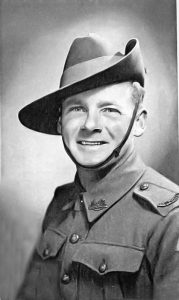
Right: Ted Hopson
Others to reach Sumatra
Ted Hopson WX9241 from ‘B’ Company also managed to escape from Singapore on Sunday night 15 February 1941.
Others included Cecil Quinn WX9285 from ‘D’ Company who was wounded at Lim Chu Kang Road. Alfred Burgess WX15756 and Harold Smith WX17448 from ‘E’ Company Special Reserve Battalion also escaped to Sumatra.
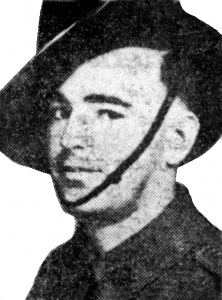
Left: Cecil Quinn
Right: Burgess
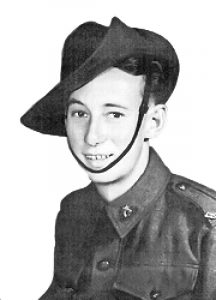
Below: Harold Smith
Read about other escapes from Singapore to Sumatra
Eight (8) 2/4th men had successfully escaped Singapore to Sumatra: Richard Annear, Burgess, Ted Hopson, Magill, Quinn, Semple, Harold Smith and Cliff Squance.
Ted Hopson died With Atjeh Party 1944
Three survivors of Harugiku’ sinking remained injured/ill in Singapore – Burgess, Semple and Harold Smith.
Four 2/4th returned Sumatra to work on Railway: Richard Annear, Magill, Quinn & Squance. They were joined by (3) 2/4th Java POWs Banks, Booth and McAskil. (Booth & McAskill died 1945)
Total Five 2/4th were recovered from Sumatra Railway war’s end.
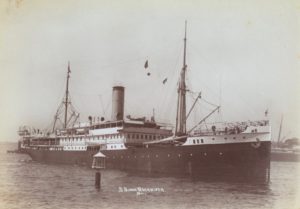
The S.S. van Warwijk was built in 1909 Netherlands.
Below: HMS Trucelent

The ship (which has several variations to her name) was scuttled by her crew in early 1942 at Tandjong Piok as part of a blockade to prevent the Japanese entering the port of Jakarta. Following their invasion the Japanese refloated and repaired Warwijk – after which renamed her ‘Harujkiki’ Maru becoming another Japanese ‘hell ship’.
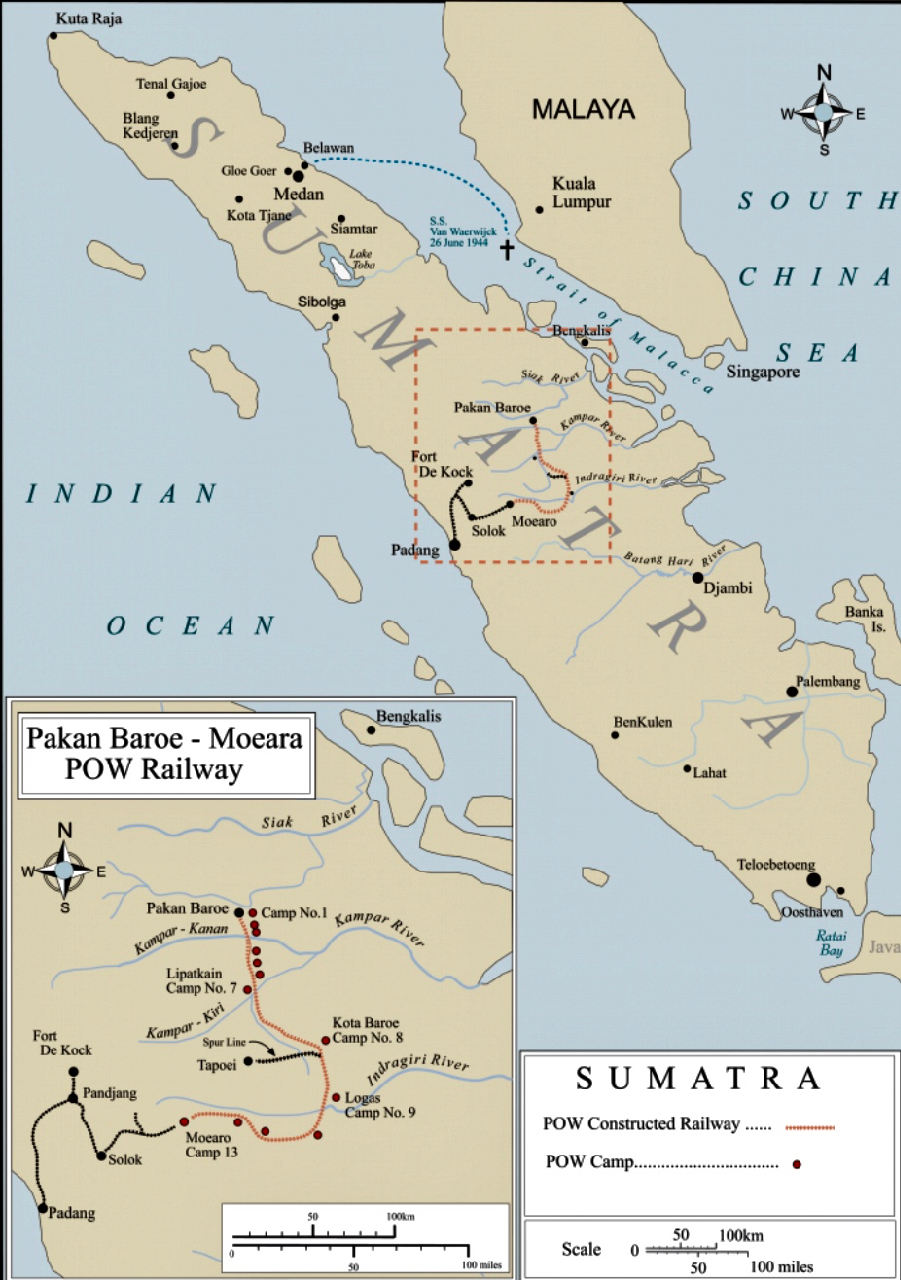
On 26 June 1944 sailing from Belawan (Medan) to Pekanbaru Sumatra the ship was hit by one of 2 torpedoes fired by British submarine HMS Truculent. The Harujkiki Maru broke in two and sank within minutes.
It sank about 100km off the Sumatran coast at Medan carrying 1190 POWs. POW clung to lifeboats and debri for hours before being rescued by a Japanese tanker. 189 lives were lost. The POWs were taken to Singapore where they remained for about a month prior to being shipped back to Pekanbaru, Sumatra, where they built the railway until the end of war.
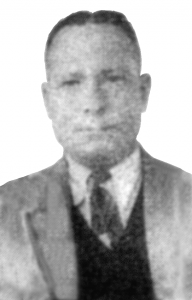
 Semple and Squance
Harugiku Maru – SS Van Waerwjick Party
Atjeh Party including 50 Australian POWs departed Gloe Gloer, Sumatra on 7 March 1944 under the command of Lt. Tranter of 2/29th Battalion and included 2/4th men George Quinn, Ted Hopson and Arthur Magill – there remained behind 49 Australians – including Roy Semple, ‘Win’ Annear, ‘Squasher’ Squance, Alf Burgess and Harold Smith of 2/4th.
On 24 June they were alerted to be ready to leave for Singapore and the following day trucks arrived at Gloe Gloer camp to transport the POWs to the port of Belawan (Port of Medan) to board the ship to sail to Singapore through the Malacca Straits between Sumatra and Malaysia.
The ship was SS Van Waerwjick, a 3,040-ton passenger-cargo ship captured by the Japanese on 3 March 1942. As was Japanese custom the ship was renamed ‘Harugiku’ Maru.
The POWs arrived at the docks around noon and crammed into the fore and aft hold of the ship. A Japanese corvette was to act as escort to this small convoy that included 2 tankers and 2 transport ships. The ‘Harugiku’ Maru left Belawan about 1500 hours on 25 June, heading into the Malacca Straits to join the convoy.
The following day, 26 June at 1350 hours two mighty explosions amidships rocked the ship breaking it into two, and quickly sent it to the depths of the sea. The ‘Harukiku’ Maru hit the bottom at 68 feet. There was no loss of life from the 2/4th but tragically 167 POWs went down with the ship.
Following four hours of treading water, the men were rescued by one of Japanese tankers from the convoy. The POWs then continued their voyage on board this tanker to Singapore where they disembarked and were taken to River Valley Road Transit Camp. Annear WX13468, Squance, Magill and Quinn would return to Sumatra to work on the Pakan Baroe-Moearo railway.
Harold Smith WX17448 was sent to hospital with appendicitis on 21 July and Alf Burgess WX15756 suffered a head injury during the sinking of Harukiki Maru.


Alf Burgess and Win Annear
 Harold Mervyn Smith WX17448
HARUGIKU MARU – WAERWIJCK
Harugiku Maru was the ex-Van Waerwijck, scutlled in March 1942 at Tandjong Priok by the Dutch, but refloated and repaired by the Japanese. Built in 1909 by Maats. Feyenoord; 3.040 tons; 325.3x44x22.8; Her triple expansion engines gave her 233 nhp.
On June 26th, 1944, the Harugiku Maru, a 3.040 tons Dutch steamer, on her way from Belawan to Pakan Baroe with 1.190 allied prisoners of war, was torpedoed twice and sunk by HMS Truculent (Lt.Cdr. R.L. Alexander) 60 miles SE of Medan, Sumatra.
Unknown to Truculent, Harugiku Maru was transporting 1.190 allied prisoners of war for forced labour work at the Pakan Baroe railway. 198 of them perished. Most of the survivors were able to survive by clinging on debris and liveboats for hours. They were picked up by a tanker and remained one month at Singapore, before being put to work at the railway.
Note: sometimes quoted as Harukiku Maru by some sources.
(We wish to acknowledge ‘wrecksite’ for this information.
https://wrecksite.eu/wreck.aspx?259671)
The below news printed on 11 October 1943 mentions young West Australians serving overseas, many of who are POWs of the Japanese. This shows us how small the population was at that time (about 400,000). The story mentions Arthur Bancroft from HMAS Perth and many 2/4th men – including Allan Bamford WX8485, Ken Skinner WX9282, Basil Clarke WX9136, Lloyd Ashbolt WX17251, Cyril Fogarty WX7709, Jack Edward Smith WX12252, Jim Scott WX12949 and Ted Hardey WX12157.
When given the rare opportunity to write a card to their family, the men would nearly always include names of men known to his family in an attempt to pass information to those at home. The POWs had no way of knowing if their Japanese printed cards ever reached WA or whether their families knew anything of their existence.


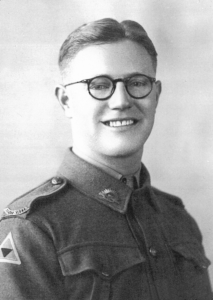

Bamford & Jim Scott
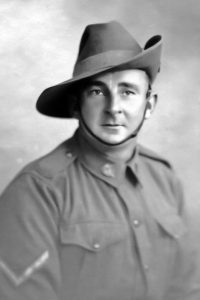

Ken Skinner and Lloyd Ashbolt
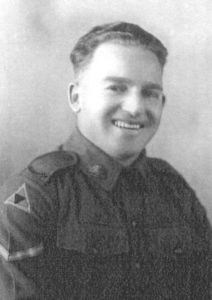

Basil Clarke and Cyril Fogarty

Jack Smith and Ted Hardey
Between September 1942 and January 1945 a total of 26 parties left Java.
In addition to POWs incarcerated in Singapore – 3,980 troops from 1st Australian Corps and 8th Division were POWs in Java. This figure included about 90 men from 2/4th who missed the Aquitania sailing from outside Fremantle on 16th January 1942. Please read further
Additionally there was a very large number of Netherlands East Indies troops (Indonesians) plus a number of POWs from other countries, and even some Java civilians. Of the AIF troops, 3,449 POWs who left Java were to work on the Burma or Thailand end of the Railway.
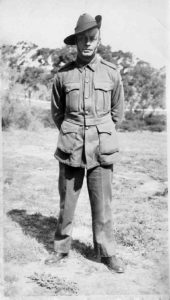
Java Party No. 3 – under command of Lt. C.J. Mitchell, 2/2nd Pioneer Battalion. The only 2/4th included in this party was WX8356 Walter Watkins.
Right: Wally
Watkins
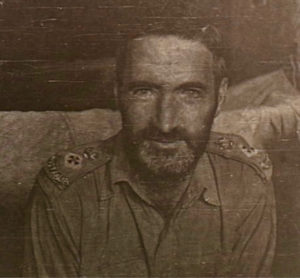
Java Party No. 4. under Command of Lt.-Col J.M. Willliams. This party departed Tanjong Priok on Kinmon Maru on 8 October 1942, disembarking at Singapore on 12 October 1942.
‘Informal portrait of Lieutenant Colonel J M Williams, Commanding Officer, 2/2nd Australian Pioneer Battalion in the Officers’ Compound at the Bicycle Camp after his release from the Kenpeitai (Japanese Military Police).’
‘He had been subjected to torture for 30 days by the Kenpeitai (Japanese Military Police) in an attempt to obtain from him matters of military importance. Persistent refusal to capitulate to the Japanese inquisitors was met by such treatment as poisoned food which brought on excessive vomiting and filling the stomach with water and being jumped on. On one occasion he was taken out before a firing squad. He was humiliated by being imprisoned with native prisoners and allowed only an occasional wash, but was not permitted to shave.’
Courtesy AWM.
From Peter Thompson’s ‘The Battle for Singapore’ Page 402
At Burma end of Railway.
‘Charles Anderson, ‘A’ Force Burma did a wonderful job from the point of view of morale’ said Dr. Rowley Richards ‘Anderson was ‘Softly, softly, lets educate the Japs’ whereas ‘John Williams who arrived from Java would clash with the Japanese at the drop of a hat’.
To read further about 2/2 Pioneers Battalion, 7th Division
And the 2/2 Pioneers Battalion, 7th Div AIF – their webpage
Lt. Mitchell’s advance party was reunited with Java Party No.4. at Changi.
Two days later Java Parties 3 and 4 departed Singapore having boarded Maebashi Maru to Rangoon, Burma arriving on 23 October 1942. They were transhipped to a smaller vessel called Yamagata Maru which took the men up the Salaween River in Burma to Moulmein. They arrived late on 24 October and were accommodated overnight in the local gaol.
Java Party No. 4 was now organised into two groups. These were named after their commanding officers:
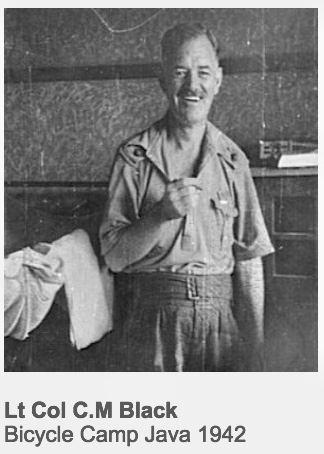
Black Force –
Lt-Col C.M. Black was the Commanding Officer of 2/3rd Reserve Motor Transport Company. There were about 6 men from 2/4th included.
Wiliams Force – Lt-Col J.M. Williams, Commanding Officer of 2/2nd Pioneers Battalion. There were about 43 men from the 2/4th included.
Williams Force totalled 884 men also included 272 men from HMAS Perth.
On the morning of 26 October Williams and Black Forces marched 2 miles to South Moulmein railway station and embarked on a 40-mile train journey to Thanbyuzayat.
The two Forces were now incorporated into Burma Administration Group No. 3.(Also included were Green, Ramsay and Anderson Forces)
Williams Force was transferred to Tanyin 35 Km Camp the next day. Please read further
At the same time, Black Force commenced work at 40 km Beke Taung Camp the next day – due to failed water supply on 29 November 1942 and compelled to move back to Kun Knit Kway 26 km Camp.
Between 14-25 December 1942, Ramsay Force also moved to 26km camp to join Black Force.
‘It should be noted that in all Australian camps on the Burma end of the Railway, Officers accompanied the men on the work parties and actively intervened to protect the men from punishment, often taking the bashing themselves. This was very much the rule in Williams and Anderson Forces where the Officers had won the respect of the men in action in Syria, Java & Malaya, Col Anderson won his Victoria Cross in the Malaya fighting.’
FROM JAVA TO BURMA
by
Neil Ormiston MacPherson WX16572 of 2/2nd Pioneer Battalion of Williams Force Burma Thailand Railway 1942-1944, Japan 1945.
One of Australia’s last survivors of the Thai-Burma Railway, Albany’s Neil MacPherson OAM, died at the age of 96 in April 2019.
Mr MacPherson, whose story stands as an example of resilience, forgiveness and benevolence, died on Saturday in Albany.
In 1942, as a young private who had been eager to enlist for the war, he was one of more than 22,000 Australians taken as a prisoner of war by the Japanese.
Please read Ian MacPherson’s Anzac Day Address at Kanchanaburi 2004
https://www.pows-of-japan.net/articles/26.htm
On 7th October 1942 Neil, was one of 1800 POWs transported to Tanjong Priok and boarded the Emperor’s Prison Ship ‘Kenkon’ Maru, a 4574 ton battered, rusty, old hulk, which had been converted into a troop transport, conditions below deck were horrific, The Commanding Officer of the Pioneer Battalion Lt Colonel Jack Williams, was in charge of the prisoners, with Lt Colonel Black as second in command. Several tiered wooden shelves covered most of the hold, the head room between each layer would have been only 30 inches, and each POW had only enough space to sit up on, in the humid tropical condition, this enclosed hold soon rivalled the Black Hole Of Calcutta.
It was fortunate that these prisoners only spent five days on board, but as it was, there was one death in the stifling conditions, October 12th saw the vessel pull into Singapore Harbour, which eight months after the surrender was still crammed with sunken wrecks from the enemy bombings. After the usual prolonged wait after disembarking, the several counts and searches, the POWs were loaded into trucks like cattle and taken through the city and out to Changi Barracks. The trip was most demoralising, bomb damage was to be seen across most of the city, and the civilian [population looked cowed and hurried about there business pointedly looking the other way as the convoy of prisoners passed.
The arrival at Changi Barracks was an experience that left the Java contingent bewildered, no Jap guards were to be seen within the vast complex, the Australians had taken over a large area of what had been a 5 star complex, multi storey stone buildings had housed British troops in comfort.
While there, the prisoners from Java shared in a very rare issue of Red Cross Parcels, one parcel between six prisoners, the next time they were to see another issue was 13 months later at the 105 Kilo camp again it was one parcel between eight POWs.
Two days later,14th October they boarded the 7005 ton ‘Maebashi’ Maru, 1700 sweating dehydrated bodies crammed into several tiered holds and spent the next 5 hours sweltering below the steel decks, before the vessel departed to head north up the west coast of Malay.
On the 23rd October the vessel with its prisoners entered the Irrawaddy delta and finally moored at the wharf in Rangoon, in sight of a bombed and devastated city, the POWs were not only to suffer a night of suffocating heat in the deep holds they were invaded by thousands of hungry mosquitos.
On the same day another ship the 4621 ton ‘Shinyu’ Maru left Singapore loaded with 500 Australian and Dutch POWs on its way to Burma, on the following day it was attacked by the Dutch Submarine 0-23, 100 of the POWs on board were killed. Some of the survivors were picked up and returned to Singapore to travel later to Thailand by train, others were later picked up by vessels that continued to Rangoon, these prisoners eventually arrived at Thanbyuzayat in January 1943.
The following two maps show the journeys of the three Hell Ships.
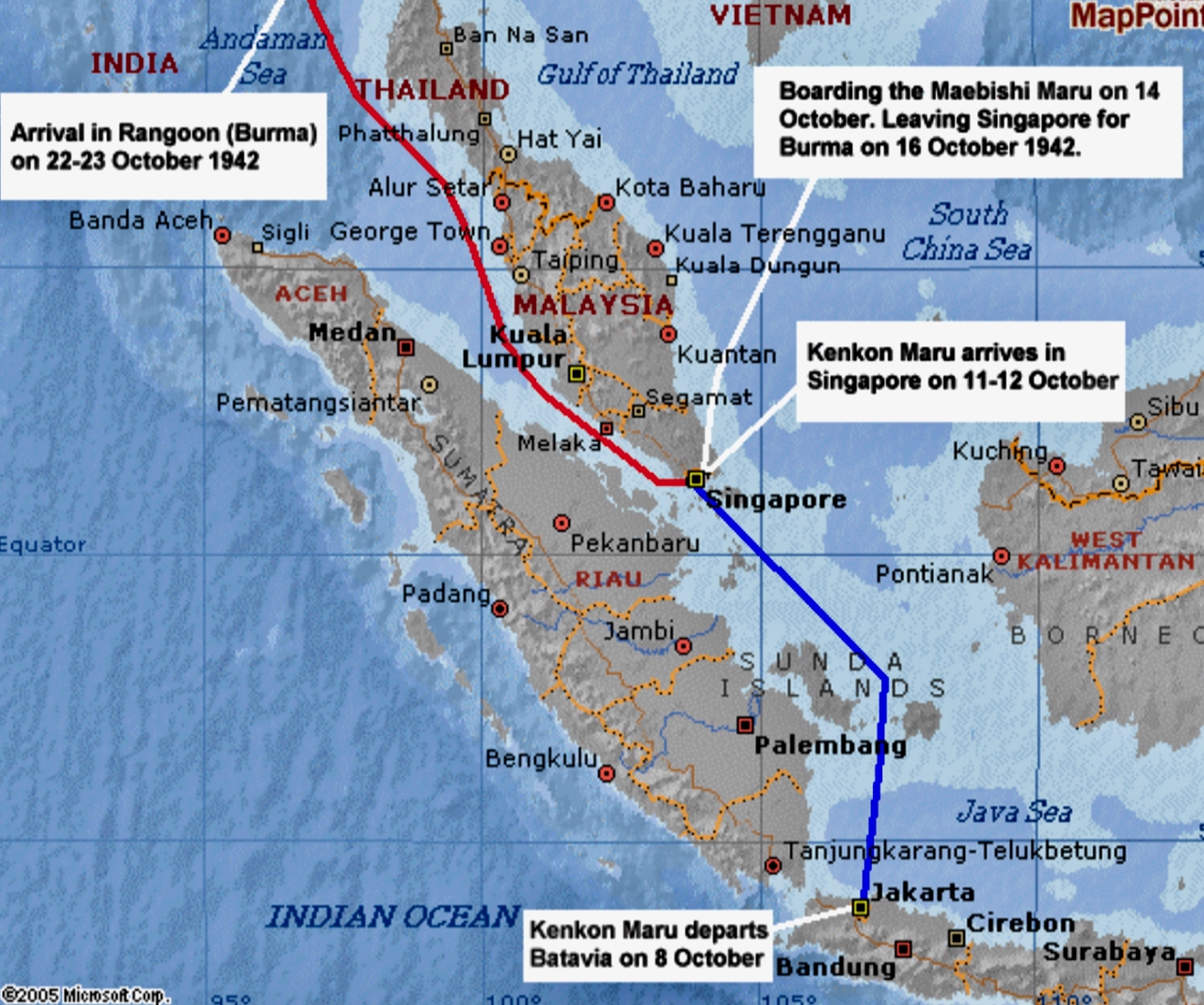
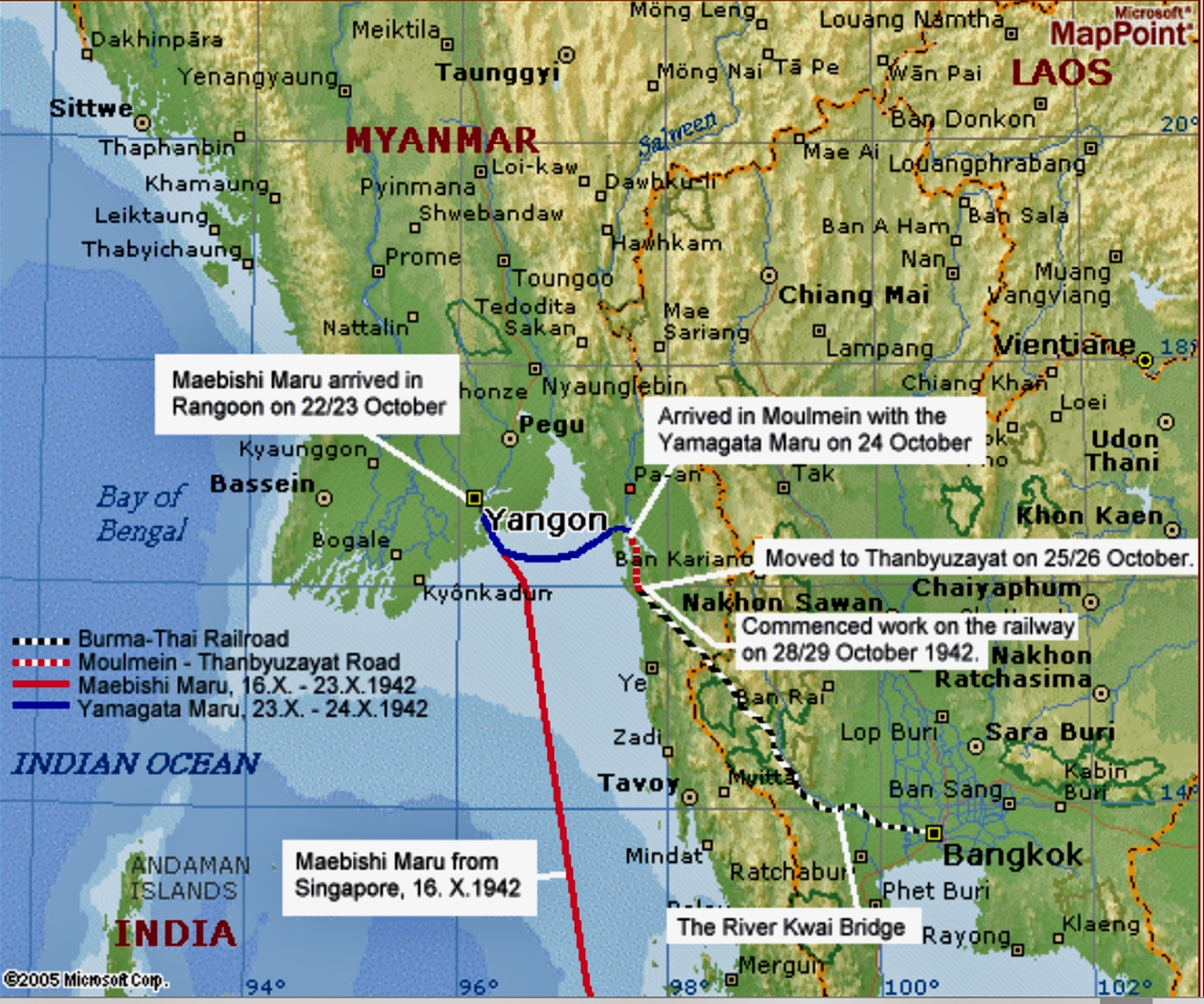
24th October saw the men transferred to their third Hell Ship the 3807 ton ‘Yamagata’ Maru for a short trip across the Gulf of Martaban and into the wide Selween River to the port of Moulmein. Arriving late in the evening, after being marshalled on the wharf, they were marched the 3 kilometres to the famous Moulmein Goal. Neil’s strongest memories of this midnight march was the smell of dead bodies still entombed in bombed out dwellings some several months after hostilities ceased.
The prisoners were housed overnight in the Moulmein goal, after being cooped up in the holds of the prison ship for days the large prison dormitory with bare wooden bench beds, with a hollowed wooden block for a pillow, was a luxury, only spoilt by the dozens of bed bugs that shared their night.
Just above the goal could be seen the famous large gold pagoda that was featured in the Rudyard Kipling popular song “By The Old Moulmein Pagoda, Looking Eastward The Sea” In later months the Australians sang their own version of the song, the words “Come back you British Soldiers came ye back to Mandalay” to Come back you Pommie Bastards” etc.
Next day 800 prisoners that were to become Williams Force were marched the three kilometres through the town to the railway station, on the way they were treated to a wonderful display of generosity from the local people, despite being bashed repeatedly by the flanking guards they persistently broke through to hand fruit, biscuits and other food to the wretched looking white prisoners who had until a few months ago been their colonial masters.
On reaching Thanbyuzayat, a small village some 60 km from Moulmein, the prisoners were marched into what was to be the base camp and hospital for the BURMA FORCE. Here they were paraded and had to listen to a prolonged harangue from Colonel Nagatoma, who was to be their Japanese commander. The prisoners were told that they had surrendered and were disgraced; it was only the generosity of the Emperor that they were allowed to live.
The same Nagatoma was executed as a war criminal for his part in ordering the execution of a number of prisoners under his control.
DUNLOP FORCE – JAVA PARTY NO. 6
‘D’ Force, O and P Battalions
Dunlop Force was the fourth group to leave Java – its Commanding Officer the one and only Lt. Col E.E. ‘Weary’ Dunlop from 2/2nd Casualty Clearing Station.
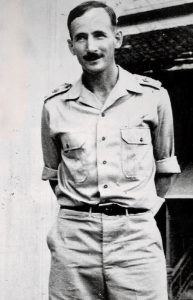 Dunlop at the end of WW2.
The party left Makasura Camp on 4th January 1943 for Tanjong Priok Port, embarking on ‘Usu Maru’ and disembarking three days later at Singapore. Please read further about Makasura Camp.
Here the men were accommodated at Changi Cantonment in the British area north of Selarang Barracks.
On 19th January the men began to leave Singapore by train arriving at Non Pladuk on 24th January. The POWs were trucked to Tarsau via Tardan then north to Kanu III where they arrived on 25 January 1943. Dunlop Force was to be the first Australian force to work on the southern end of the railway in Thailand. It was incorporated into ‘D’ Force Thailand Administration Group 4.
Although now part of ‘D’ Force, Dunlop Force managed to retain its identity over the years and is rarely referred to as being part of ‘D’ Force. They were made up of 3 Australian and one Dutch Battalions.
The first two battalions were O Battalion under Major H. Greiner of 2/3rd Machine Gun Battalion.
P Battalion was under the command of Major F. Woods who was the Australian Liaison Officer during the Battle of Java.
The third was Q Battalion under the command of Capt. J. Hands also from 2/3rd Machine Gun Battalion.
The fourth was the Dutch R Battalion under command of Capt. Smits.
Whilst O and P Battalions retained close ties with 2/4th Machine Gunners of S and T Battalions, Q and R Battalions tended to always remain one step ahead of the other two battalions of ‘D’ Force.
The numbers allocated by the Japanese to these Australian Battalions from Java were:
O Battalion No. 25 Company
P Battalion No. 26 Company
Q Battalion No. 20 Company
These Japanese designated Company numbers are often the key that unlocks the secret as to which particular group each POW belonged.
There were 19 men from 2/4th split between O Battalion No. 25 Coy and P Battalion No. 26 Coy.
Kanu I River Camp, 25 January to 12 March 1943
Arriving at the allocated area for their camp all that had been in this jungle patch was the clearing of trees. Firstly they were required to build the Japanese accommodation, headquarters and store huts before concentrating on their own huts.
By 1 February a kitchen had been erected, one hut about 55 yards long by 7 yards wide, work had started on a second hut with most of the roof thatched with atap and a third hut was being worked on from the ground upwards.
By 14 February the framework for another 5 huts, the hospital and officers quarters were completed but were held up by the lack of material to thatch the roofs. On l7th March all the sleeping platforms or chungs were constructed so at least the men were off the ground and but still sleeping under the stars.
It was at this point the Japanese decided the camp location was not right!
The camp was too far away from the projected route of the railway.
All the hours of labouring was for nothing and the camp abandoned. O and P Battalions moved back up the mountain on 17 March 1943.
In time, the hours of labour was not lost because cholera patients from Malay Hamlet, Kanu II and Kanu III camps would be brought down the mountain to this camp, ensuring isolation before being barged down river to one of the established Base Hospital Camps. ie. if patients survived the treacherous trek on foot or by stretcher down the mountainside and then their isolation period.
Hintok Road Camp, 22 March To 1 July 1943
There are several different names for this camp and can be sometimes read as Hintok Road, Hintok Mountain or Hintok Jungle Camp. In Murray Ewen’s “Colour Patch” this camp is known as Hintok Road Camp and was located approximately 156 kilometres from Non Pladuk in the higher mountainous country.
Rod Beatty on the other hand, from all his 20 years of researching the Burma-Thai Railway, says Hintok Road Camps were located at about 154 km and Hintok River camps at 156 km (this was where H Force and ‘D’ Force were located).
If this information appears conflicting, please feel as puzzled as we are!
One thing is certain, there is always a degree of mystery and uncertainty. POWs did not know the locations of their camps – there were no welcoming signs with the name of the area! Once the groups left the southern towns of Thailand – they only sometimes passed by a small village – they moved across and worked in the jungle and mountains.
On 12 March the first batch of 100 men from O and P Battalion moved out on foot from Kanu I Camp to their next camp at Hintok Road. The route they used was the same as that they used to come into this camp a month earlier.
The track went up the side of the mountain to the plateau and then north along the road past the yet to be established Kanyu II Camp. With 7 days the remainder of O and P Battalions had moved up from Kanu I River Camp to join the advance party. There were a few established huts that had been erected by Dutch POWs but the camp was so filthy it was decided to burn the existing huts. Dunlop described the camp at Hintok Road as ‘like a Chinatown with many crazy looking huts”. O and P Battalions pitched their tents and began constructing bamboo sleeping platforms and floors within.
The men’s sleeping quarters immediately took a lower priority over the railway – and the POWs immediately began working on the line.
One of the greatest difficulties with this camp and was the same at Konyu II and III camps, was the distance of 7 kilometres trek to the River Kwae Noi barge landings. All their food supplies had to be manhandled over some very steep and slippery terrain to deliver it to the camp.
Hintok River Camp 1 July – 17 September 1943
Kinsaiyok Camp 17 September – 6 December 1943
DEATHS – D Force Thailand Java Party No. 6, O & P Battalions
WX5200 ROBINSON, William Joseph (Buller) Acting Sergeant
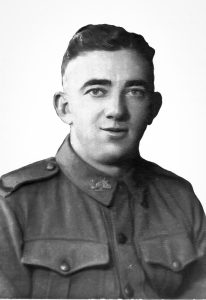
Enlisted AIF 26 Jul 1940 later joined 2/4th’s ‘B’ Coy 8 Platoon.
Died 17 July 1943 dysentery Hintok Road Camp, Thailand aged 25 years. Java Party No. 6, O Battalion
WX7493 RENNIE, Robert George Staunton
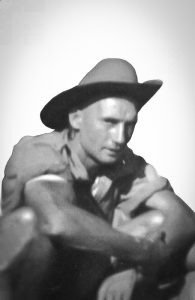
Java Party No. 6, P Battalion.
Rennie was born in India. He was also left behind at Fremantle when ‘Aquitania’ sailed 15 Jan 1942. Please read Jim Scales.
Rennie had his right leg amputated at the thigh due to a tropical ulcer. This operation took place at Tamarkan Camp, having been evacuated from Hintok, tragically he died aged 37 years of post operative complications on 4 Oct 1943. His general health as a POW would have been poor prior to his amputation.
Rennie’s amputation was done by Dr. Moon, a doctor very highly regarded by Dunlop and British Officer Toosey, in Charge at Tamakan and his patients.
Rennie was married with 5 children.
WX8843 SCALES, James
Java Party No. 6, O Battalion
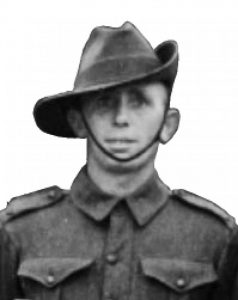
Irish born, Jim Scales died 11 September 1943 of polyavitaminosis and dysentery Chungkai aged 35 years. He had been evacuated to Tarsau on 20.8.1943 suffering from malaria. Then onto to Chungkai Hospital.
Scales was one of the nearly 100 2/4th men who were left behind at Fremantle and were taken to Java, where they were taken POW in March 1942. Please read further about those AWOL Fremantle .
_________________
O Battalion – Survivors
WX8245 ADAMS, Edwin Thomas – Bandeong, Bicycle Camp, Makasura Java. Rashin Maru Party – Japan, Yamane, Nihama. Recovered from Japan.
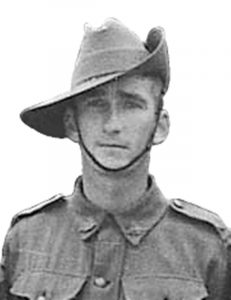
WX13977 AIREY, George Frederick (Fred
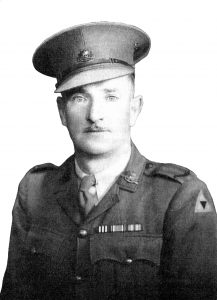
escaped from Singapore to Java. Imprisoned Bandeong, Bicyle Camp, Makasura to Hintok, Tarsau, Tamuang, Nacompaton in Thailand From where he was recovered at the end of the war. From Bangkok flew to Rangoon to Singapore sailed to Fremantle.
WX7064 ALLPIKE, Bert Winfield James Bandeong, Bicycle Camp. Railway Camps: Hintok, Kinsaiyok, Tarsau, Tamuang (March 1944 to April 1945).Thailand to Singapore
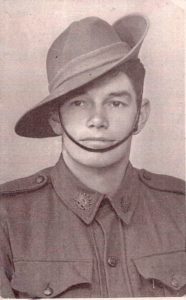
WX7587 BARBOUR Thomas. Tarsau, Non Pladuk, Nacompaton (evacuated to Tarsau 20 August 1943 with malaria & tropical ulcer. Leg amputated 9 October possible at No. 2 Hospital Camp Non Pladuk). Thailand to Singapore to Singapore Highland Chieftain train to Perth.

WX8240 CARTER, Douglas Newington Hunter -Soekaboemi Camp, Java from 2 April to June 1942. Evacuated sick Tarsau from malaria & enteritis 5 Sept 1943. Selected Rashin Maru Party to Japan – Ohama Camp No, 9B. Recovered from Japan at end of war.
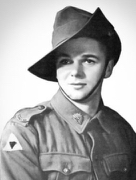
WX9130 HUNTER, Malcolm Ashton. Hintok Rd Camp (evacuated 2/9/43 cholera). Recovered from Thailand. Thailand-Singapore-Fremantle Moreton Bay

WX15744 LEE, Leslie Wallace – Bicycle Camp, Java. Tarsau- evacuated sick on 1/9/1943, Recovered Thailand.Thailand-Singapore-Fremantle Highland Brigade
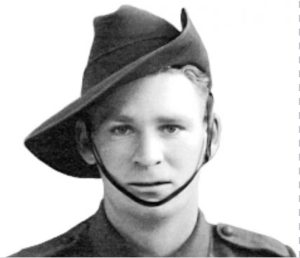
WX13562 MOATE, Peter Joseph – Garoet, Bandeong, Bicycle Camp, Makasura camps, Java. Hintok Rd Camp, Tarsau (evacuated tropical ulcer), Recovered from Nacompaton, Thailand. Thailand-Singapore-Australia
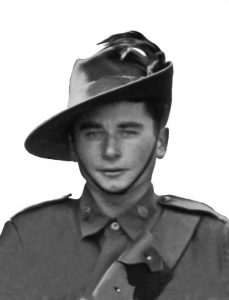
WX7466 WALSH, Bernard James – Bandeong, Bicycle Camp, Makasura, Java. Hintok Rd, Hintok River, Tarsau, Tamuang. ‘Rashin’ Maru Party to Japan – Fukuoka sub-Camp No. 17 Omuta, Recovered from Japan.Manila-Sydney ‘Speaker’.
P BATTALION
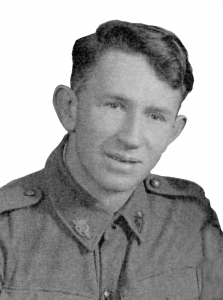
WX10791 BEATTIE, Alan Robert. Bicycle Camp Java. Tamarkan, Tamuang, Thailand. ‘ ‘Rashin Maru Party to Japan. Fukuoka sub-Camp No. 13, Saganoseki. Fukuoka sub-Camp No. 17, Omuta. Recovered from Japan. Nagasaki-Okinawa-Manila-‘Speaker’ to Sydney Train Sydney to Perth.
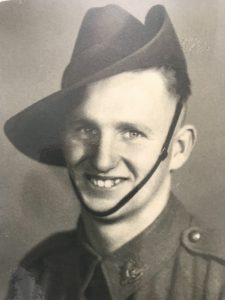
WX9266 DUNWOODIE, William. Bicycle Camp, Java.Kachu Mountain Camp – returned Singapore by air.He remained at large after surrender with Lt. Colin Blakeaway’s Group. Surrendered 15 March 1942.

WX9070 FIELDER, Charles. Bandeong 9/3/42 to9 13/4/1942, Bicycle Camp Batavia (13/4/1942 to 3/1/1943). Nakom Nayok, Bangkok Recovered from Thailand. Thailand to Singapore to Qld by air to Brisbane to Perth by troop train.
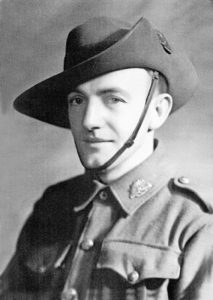
WX7642 HENDERSON, Clarence Gordon. Bicycle Camp, Java. Rashin Maru Party to Japan. Fukuoka sub-Camp No. 13 Saganoseki Omine Divisional Camp No. 6, Recovered from Japan. Nagasaki to Hong Kong Aircraft carrier, H-Kong to Manila, Manila-Morotai-Darwin-Perth Catalina.

WX8725 PRYCE, John Henry Lloyd -‘Blackforce’ Java. Petchaburi, Kachu Mountain Camp. Recovered Thailand.Thailand-Rangoon-Singapore-Fremantle ‘Highland Brigade’.

WX7576 SIMMONDS, Norman Edward. ‘Blackforce’ Java.Recovered from Nakom Nayok Camp, Thailand.Thailand-Singapore-Fremantle- Circassia
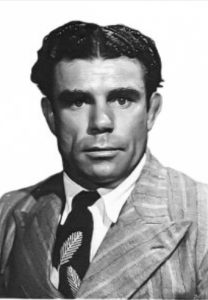
WX7502 WAYMAN, Thomas Sylvester. Bicycle Camp Apr 1942 – Jan 1943. Hintok Rd, Hintok River, Kinsaiyok, Konkoita, Tamuang, Nacompaton. ‘Rashin’ Maru Party to Japan. Yamane, Niihama. Recovered from Japan. Darwin-Perth B29 Superfortress ‘Watzing Matilda’

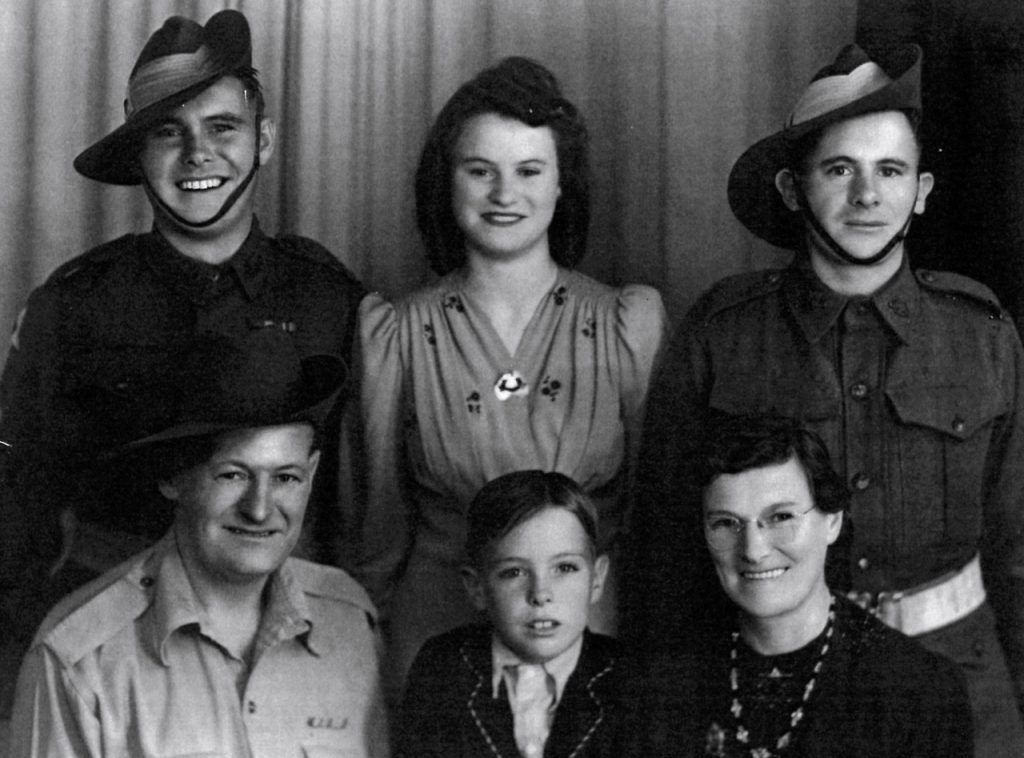
Back row: Tom, Gwen, John. Front row: Richard, Len and Margaret
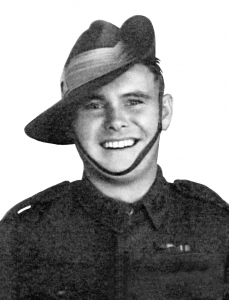
Tom Lewis with his wonderful smile!
The following is the story of Tom Lewis of his bravery and sheer determination!
Looking into Tom’s photograph taken before he left for Singapore, we see a face that appears to smile so easily and perfectly. His eyes seem to smile back, We think to ourselves how wonderful to have such an engaging, smiling face and those beautiful teeth!
He returned home knowing he would never again experience the joys we all take for granted. Enjoying good physical health, perhaps marriage, having a family, attending sporting games, functions. Life’s every day events. He would never be able to tell a joke or share a chat with a mate over a beer.
Tom returned to Western Australia at war’s end from hospital in Singapore, unable to walk and with minimal voice.
This is his story as told by his loving sister Gwen Lewis in January 2018.
The Lewis family migrated to Western Australia when Tom was 2-3 years old and younger brother John a baby. Under our State Government’s Group Settlement Scheme the Lewis family took up virgin land at Karridale, an area known as Nilup (today known as Alexander Bridge).
Richard and Margaret Lewis worked very hard and long hours clearing their land, establishing a home. Their family increased with the births of Howell, Gwen and Len. Like many families they were isolated from family and friends and no doubt came to rely on their small community and neighbours.
Richard Lewis had served with British Forces in WW1. He was a machine gunner and whilst serving in France met Australian soldiers. Perhaps the reason the family decided to move to WA. Richard was employed in Wales as a successful farm manager so it had been a decision of wanting to migrate to Australia.
When Howell was about 3 years old he became seriously ill. The nearest doctor was at Margaret River. His mother Margaret had no option but to take Len. They drove 18 miles to catch the train at Karridale to Margaret River where the doctor informed her, ‘Howell has a cold and to take him home’. Her return journey with a sick child was just as long and challenging. Howell’s health continued to deteriorate and a few days later the family were devastated when he died. Margaret’s grief understandably, was deep and very dark. She was unable to look after the children and Tommy was sent to stay with friends in Busselton for awhile.
Howell Lewis died of meningitis, an illness of which so little was known about then.
When John was about 9 or 10 he fell off a picket fence. He extensively splintered his leg and the injury was so serious he was to spend almost the next two years recovering as a patient at Lady Lawley Hospital for Children in Cottesloe. Gwen recalls the excitement she and Tom experienced when their younger brother John sent them a penny coin to share! For young John it would have been a terrible time being so far from his parents and family – nor would they have they been able to visit very often. When John returned home his siblings found a stranger and certainly, John would have been more than challenged to return to his family at the farm after 2 years away. In later life, John was very disappointed to find his was unable to enlist with the forces – because of his childhood injury.
After returning home from Lady Lawley hospital, John found his way in the world by becoming a highly skilled horseman, and was a successful entrant in horse events. He suffered another health scare when he was kicked by a draught horse, which left him unconscious!
He eventually enlisted with Light Horse and successfully achieved a transfer to AIF during the later years of the war, when the military lifted a lot of the initial conditions such as age and health.
The Lewis family decided to leave their property and Karridale – Margaret felt she and her family had endured their fair share of heartache. The older children had completed their education at Nilup, Gwen was 7 years old and Len the youngest, was about to begin school for the first time. Gwen was the only girl at her school and in fact in the district! Richard Lewis knew it was time to leave when he found his 7 year old daughter had been training to learn boxing at school with the boys! It was time to move to the city.
Work was not easy to find during the depression years. Both Richard and his eldest son Tom who would have been about 14 or 15 years old, found work in farming. Richard was working at Bruce Rock and Tom was also away working on a farm.
When war broke out and Tom decided to enlist, he found himself in the same line-up with a former schoolmate from Nilup. It was Bill Attenborough whose mother had sought work at Karridale when Bill was about 8 years old. Tom and Bill had not seen each other since Tom left Karridale, but the two young men quickly resumed their friendship when they joined the 2/4th. Bill Attenborough was considered to be one of the Lewis family and was often at the family home. Other 2/4th boys to visit regularly call into the Lewis family home included Tom Fotheringham, ‘Paddy’ (George) Glass and Frank Clark. Frank’s family owned and ran the general store at Alexander Bridge.
Whilst the 2/4th was training and living at Northam, Tom Lewis was part of the boxing team and was light weight champion.
Tom’s father Richard also enlisted. He joined the Reservist Army and worked at the camps where the Italian POWs were interned.
Whilst a POW at Changi, Tom Lewis contracted Ross River encephalitis from mosquito bites and lapsed into unconsciousness. His condition became so serious Dr. Bruce Hunt fought to resuscitate him several times to keep him alive. When Tom did regain consciousness several weeks later he was not able to speak and barely able to walk with the left side of his body paralysed. Worse still, Tom was not able to recall his former life. He knew nothing about himself or his name.
Tom’s mates rallied around to assist and visited when they could. Bill Attenborough spent all his free time beside his best mate’s bed. He was selected with ‘B’ Force to go to Borneo. Bill probably could have arranged a swap, but doctors treating Tom said his condition was so serious they did not expect him to survive. Bill Attenborough did not want to see Tommy, his best mate, die. He chose to leave Singapore and sail to Borneo. Bill said farewell to Tommy. Also departing with ‘B’ Force was Tom Fotheringham. Tragically neither Tom nor Bill survived Sandakan. In fact more then 2,000 Australian POWs died. 6 survived after incredible and difficult escapes, but their health and lives never seemed to be ideal.
Amongst those who knew of Tom’s condition was Johnny Gilmour who was also a patient at the hospital at that time. Before he departed for Japan, Johnny was one of many who assisted Tom in learning to talk again. Following on from John Gilmour, other patients would take over the task of helping and tutoring Tom.
Whilst at Changi hospital Tom developed bedsores that became so advanced part of the bones in his feet became exposed. This became another hurdle for Tommy to overcome as doctors feared he would require amputation.
While Tom began the slow process of learning to speak and walk at Changi hospital, his mates were being selected for various work parties and leaving Singapore. Tragically Bill Attenborough and Tom Fotheringham died at Sandakan and Frank Clark died of illness at Kuii Camp in August 1943.
At war’s end Tom Lewis returned to Perth where he was to spend much time at Hollywood Hospital. Tom could neither walk nor speak with an audible voice easily understood.
Of course Tom was able to hear but he eventually found it too difficult to attend 2/4th reunions and became despondent when old mates seemed not to understand him or his speech problem. Tom felt they were not prepared to spend the time necessary to listen and understand and he found he was mostly pressed to write notes of communication. He was devastated. In those early days being back home, the’ boys’ were probably trying to cope with their own problems fitting into life, families, work and dealing with their own physical and emotional problems and when gathered as a group, there would have been a lot of sky-larking, loud voices and excitement as they unknowingly reached out to each other!
When he was finally discharged from Hollywood Repatriation hospital and returned to his parent’s family home in Leederville, Tom spent a great amount of time with his only sister Gwen. He seemed very unsure of himself and became reliant upon her. Gwen had been 12 years of age when Tom left Australia. She was now 16 and would help him to stand and walk. Brother and sister became very close.
Tom who had been in good physical condition when he left Australia; a young man in the prime of his life, who was a fit boxer, who loved to sing, dance and work physically was now a shadow of his former self.
Worse was to follow for Gwen, her mother and family. The families of the soldiers who did not return, would make hurtful comments – they felt having a son like Tom to care was a far worse experience than their losses!
As on ongoing side effect of encephalitis Tommy suffered epileptic fits from time to time. He regained his speech however his voice was a soft whisper and it would take him a few seconds to speak.
Eventually Tom was able to take up a job as a cleaner at Royal Perth Hospital. He is to be commended for undertaking this job for 28 years! Throughout his life Tom always found his inability to speak in an audible voice a liability at work and socially.
He applied for and was refused TPI! So Tommy was forced to continue working.
In his later years Tom loved to visit his brother John, his wife and family who had managed a small holding at Serpentine. Tom would love to spend weekends with them and renew his love and affinity with the land; not so far from where he lived his formative years at Karridale.
Gwen recalls Tom always seemed to overcome the very low periods in his life, and certainly there were moments when he may have easily given up on life but something seemed to get him through to the other side. Tommy was a man of considerable bravery and strength.
On the whole Tom was happy and always smiled!
His loved his mother (his father passing away years earlier) his family, nieces and nephews and in his final years Tom met a woman who meant much to him and with whom he was happy, and enjoyed her company.
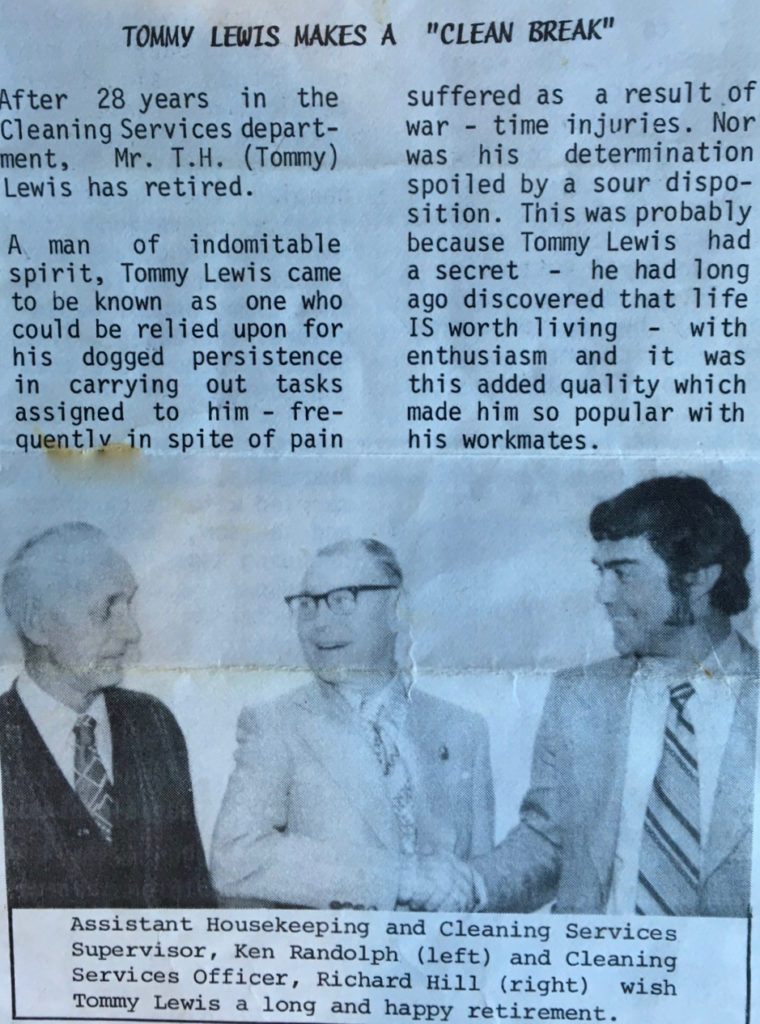
Tommy’s retirement.
Tom died aged 58 years in 1978. His death was sudden and without pain at his home. He was buried at Karrakatta with his parents.
Life had not been fair to Tom Lewis.
“Tom was always sick and always smiling,” says Gwen who today is nearly 90 years old. Now Mrs. Gwen Linto, she has been a member of the 2/4th Association and has regularly and generously donated in memory of her brother Tom and his mates in the 2/4th.
We thank you Gwen for your continuing generosity, and in particular your donation to the 2/4th website, our memorial to the men of the 2/4th.
We also thank you for sharing Tom’s life with us.
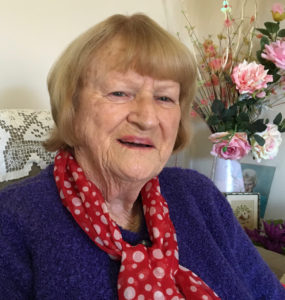
Mrs Gwen Linto, July 2018
You can read more information about Group Settlement

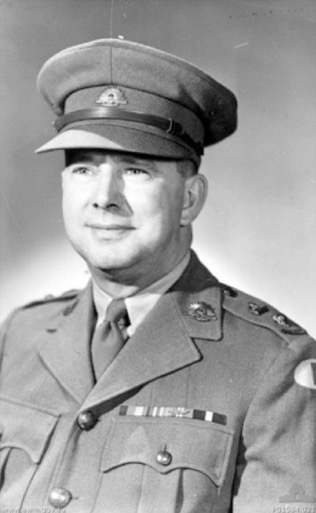
 Battalion to work on Burma end of Railway. Green Force first arrived at Victoria Point, Burma where the men were split into 2 work parties, one at the wharf and the other at the aerodrome to repair and prepare for Japanese Forces.