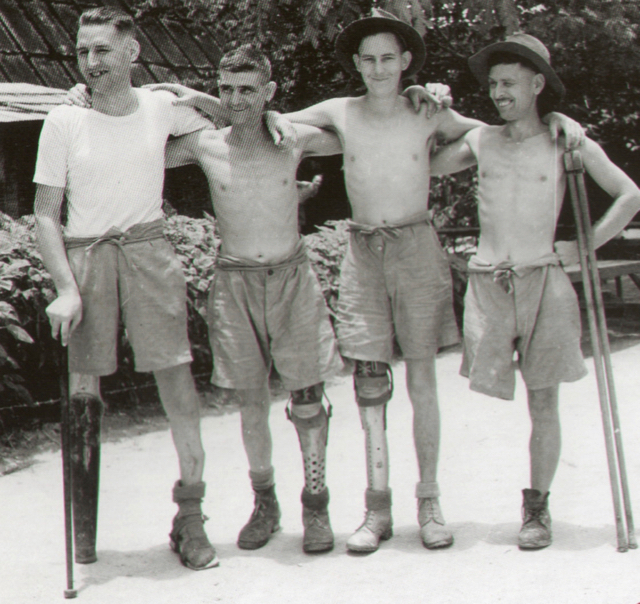
The story of the return of former POWs Les Kemp, Jack Wheelock, W.J. Smith, John Bain Mellor and Harry De Castilla of 2/4th on ‘Otranto’ from Sydney October 1945.


The story of the return of former POWs Les Kemp, Jack Wheelock, W.J. Smith, John Bain Mellor and Harry De Castilla of 2/4th on ‘Otranto’ from Sydney October 1945.


Below: Gleeson
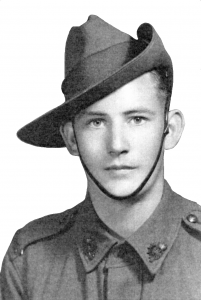
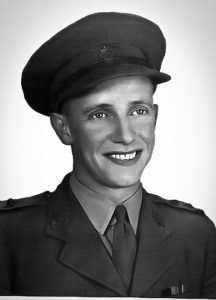
Above: Lt Eric Wankey
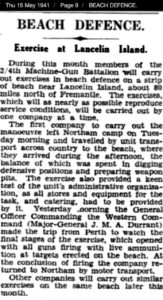
Swan Express (Midland Junction) Thursday 15th February, 1945.
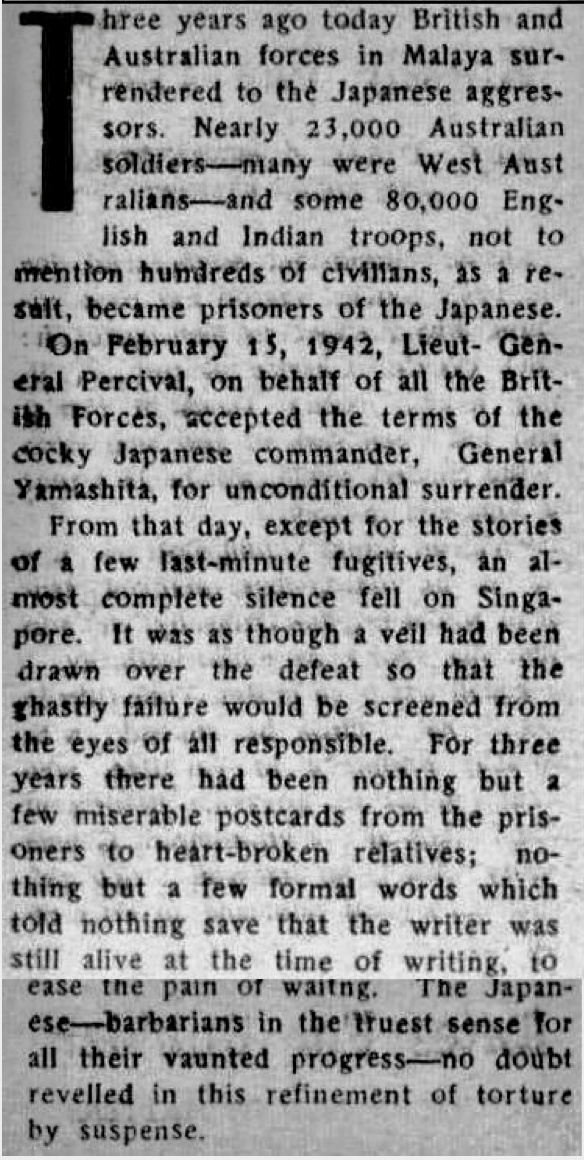
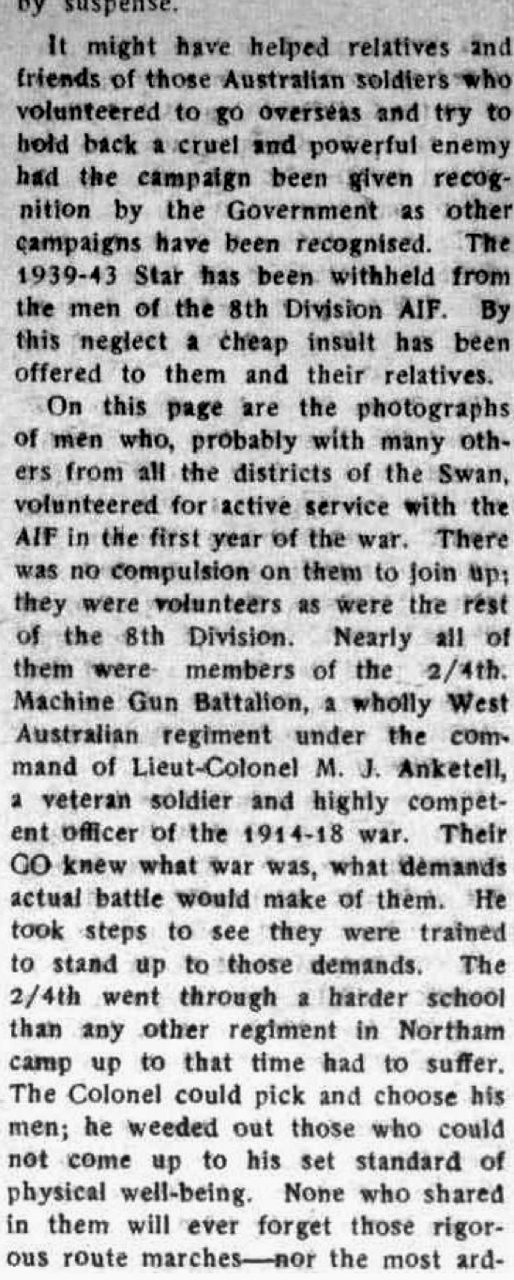
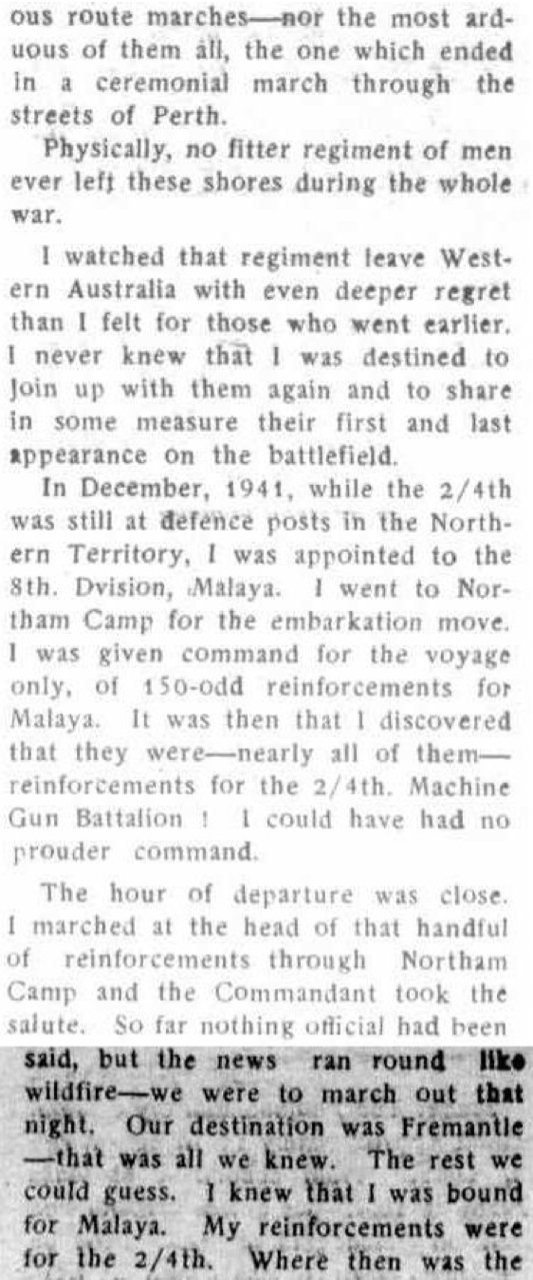
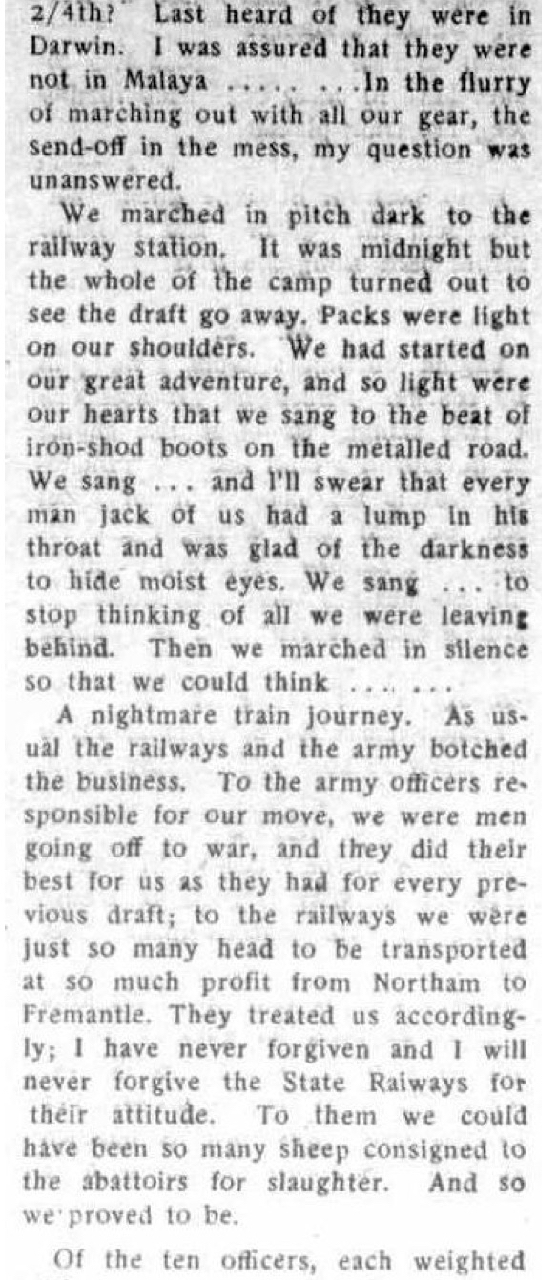
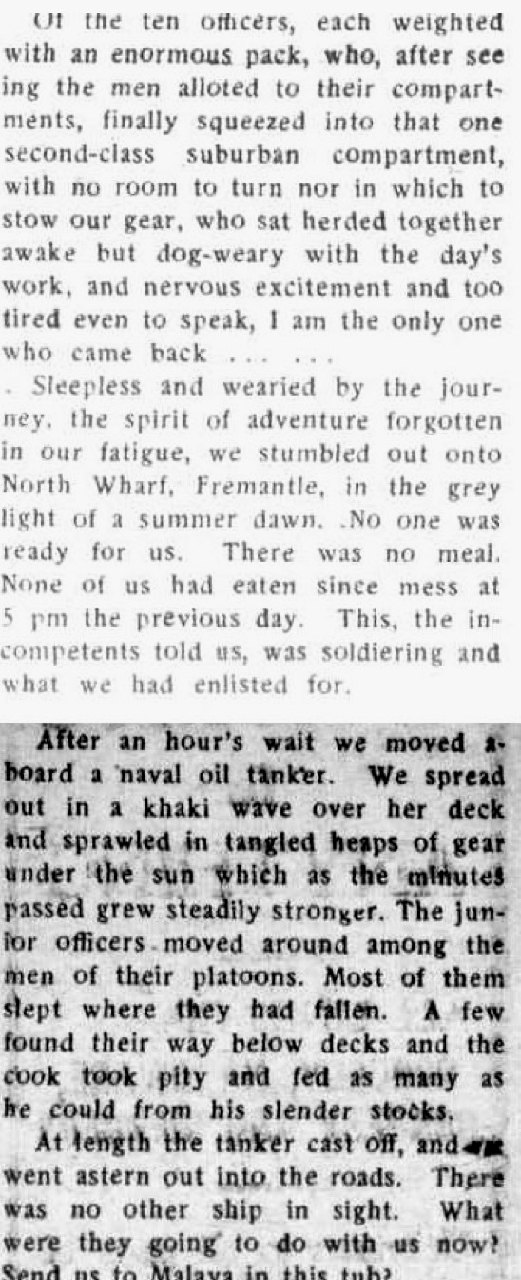
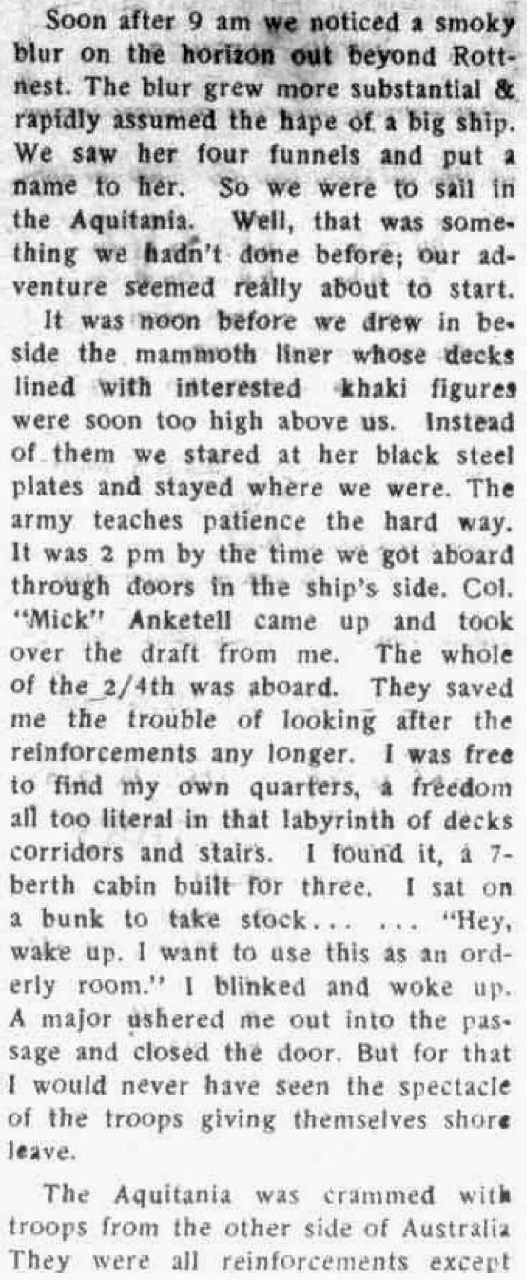
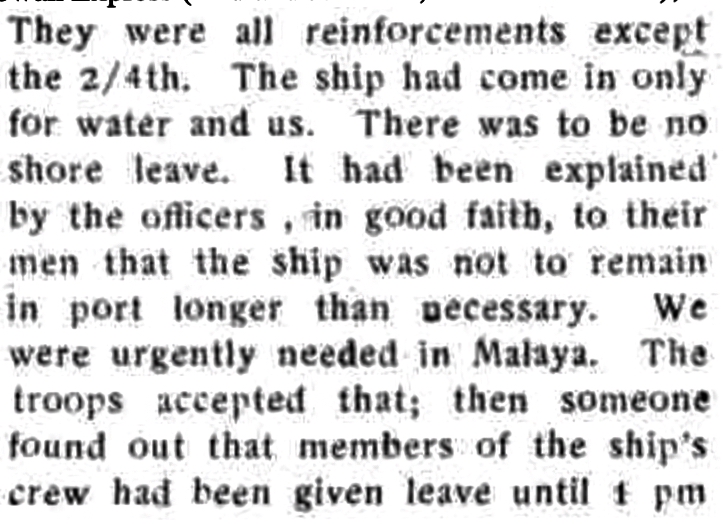
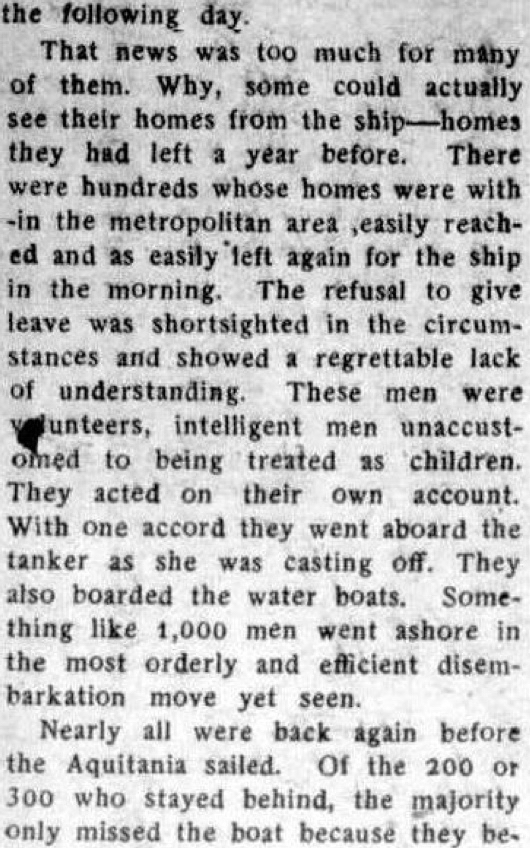
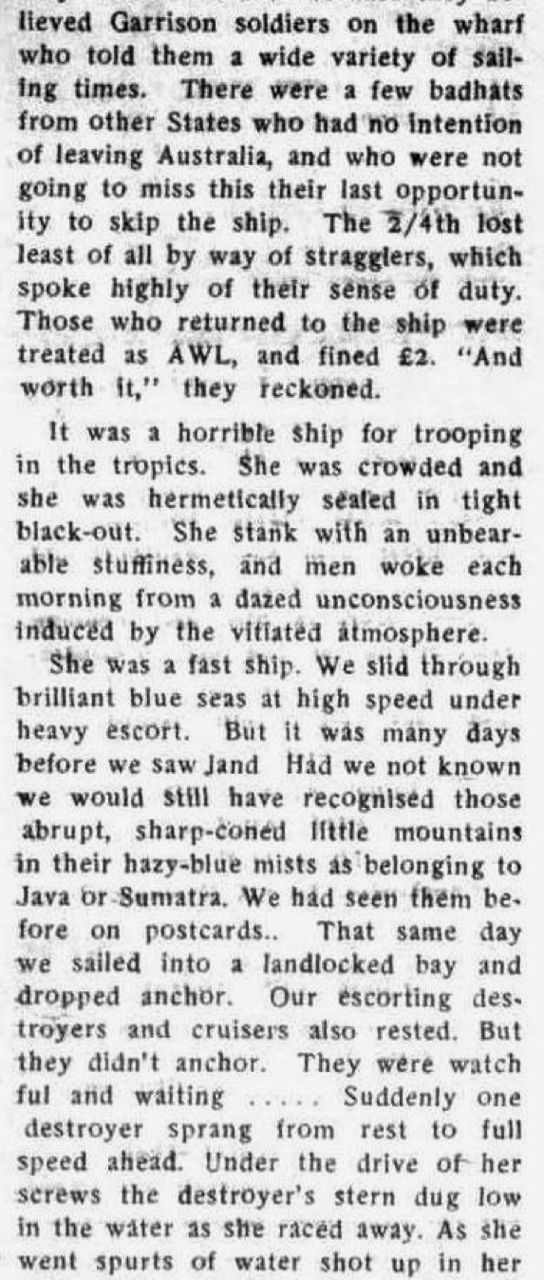
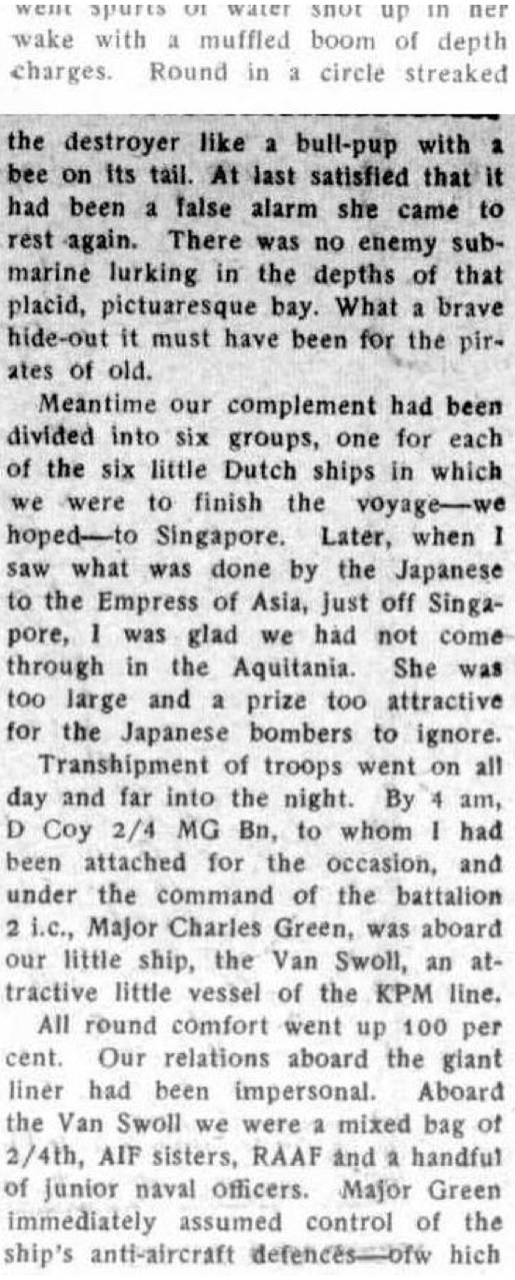
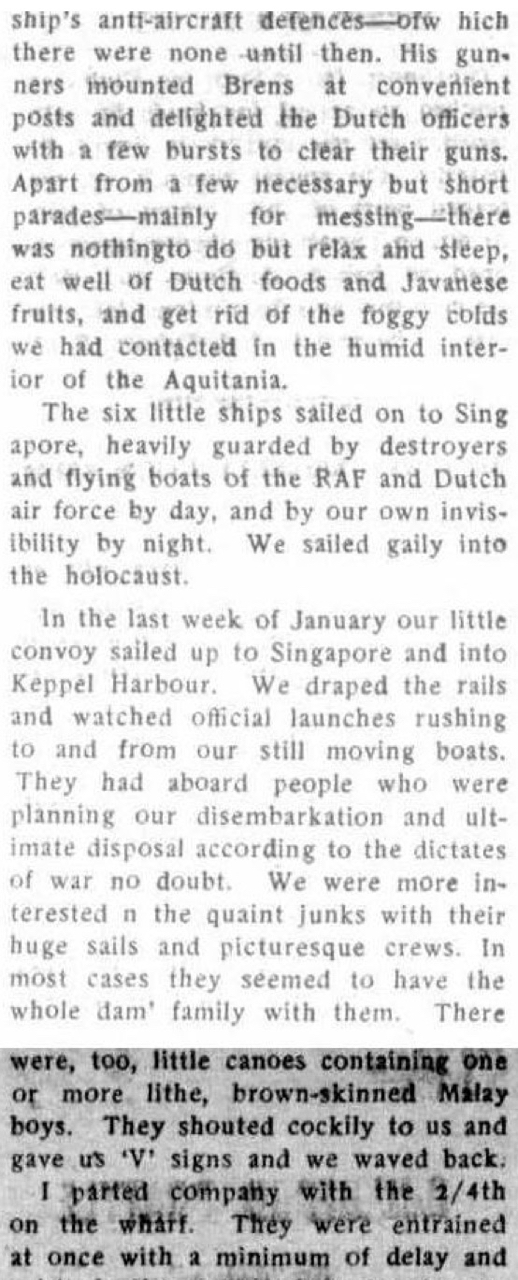
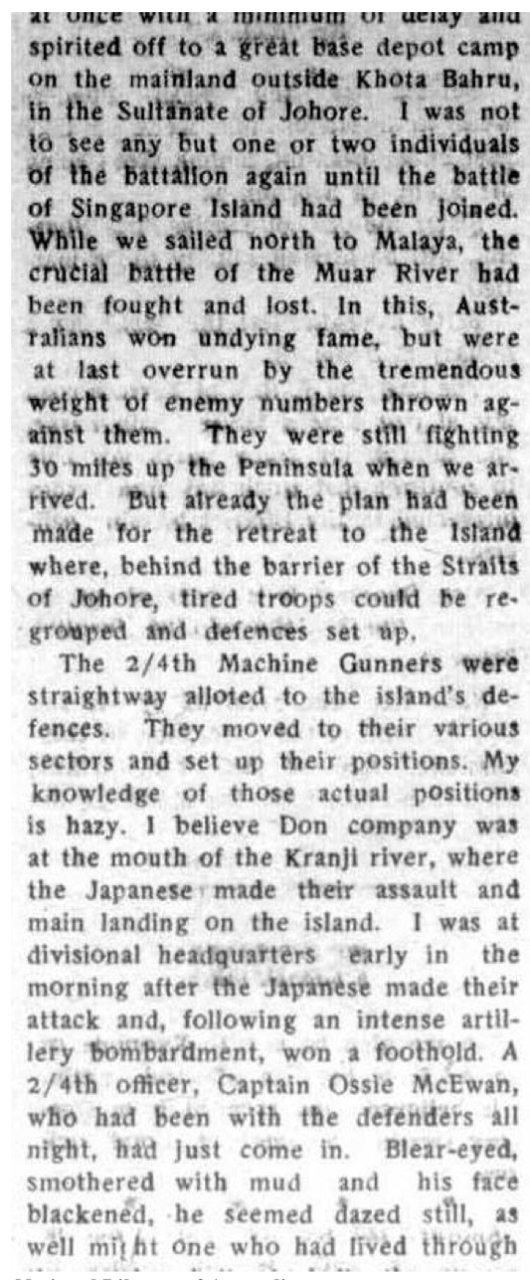
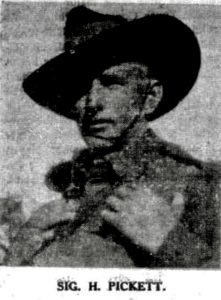
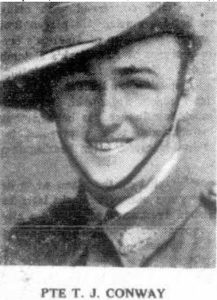
Right: Pte T Wearn
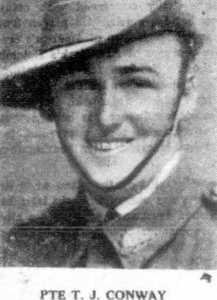
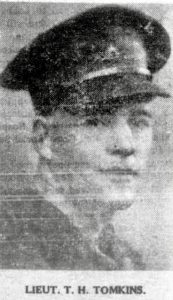
Below: A/Cpl Burton
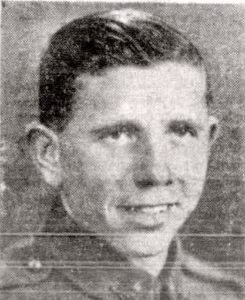
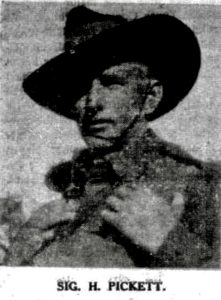
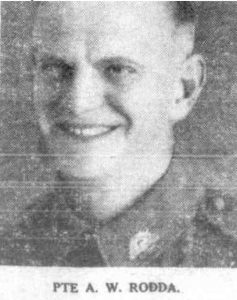
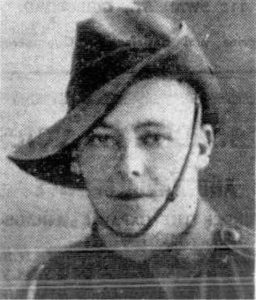
Above: A.T. Cunningham
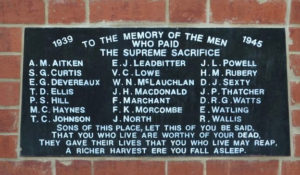
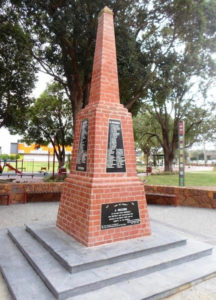
Armadale WW2 Memorial includes two members of 2/4th Machine Gun Battalion:
WX8425 Edward (Ted) Jonathon Leadbitter
Whilst working on Burma-Thai Railway at Kuii Camp, Ted Leadbitter was very ill suffering from malaria and was delirious. He was kicked and beaten for 30 minutes by the Japanese Engineer Corporal known as ‘Black Cat’. He died of cholera 14 days later 10 October 1943 aged 24 years.
Please read about ‘D’ Force Thailand V Battalion and Kuii Camp
Leadbitter was a Fairbridge Farm School boy. Read further
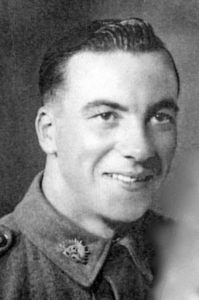
WX7474 Herbert (Herb) Michael Rubery
Bert died of illness 23 Feb 1943 at Australian General Hospital Roberts Barracks, Singapore aged 24 years.
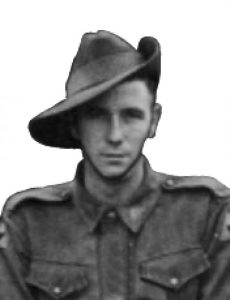
2/4th Enlistments from Armadale area included:
WX8185 James Joseph BASELL
WX9035 Ronald Hamilton CORNISH
WX10048 Edward James COSSON
WX17595 Norman Lenard (Bob) DUNNELL
WX8586 Basil FITZGERALD
WX7268 Edgar Joseph HOWARD d. 1 Jul 1943, Cholera, Kanu II, Burma-Thai Railway, Thailand
WX9045 Howard Edward SAW


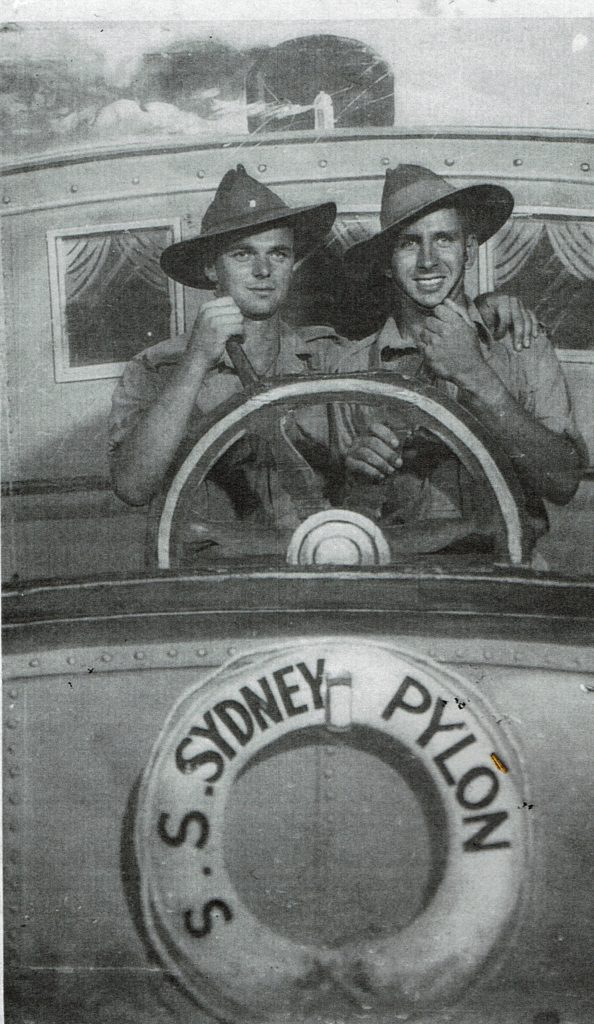
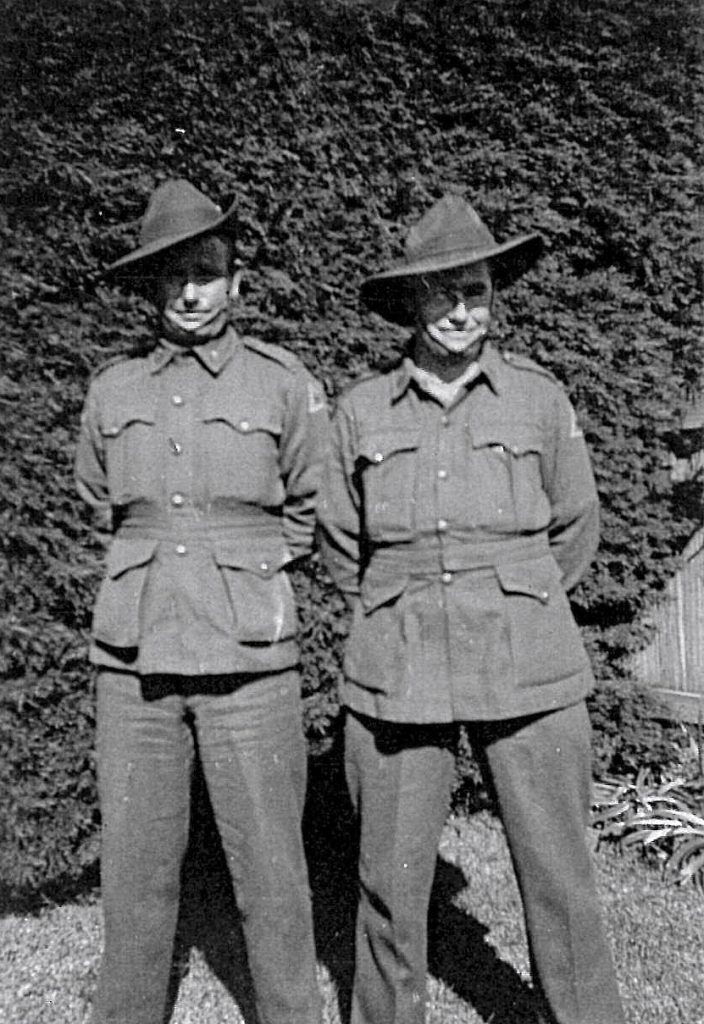


Rohan Rivett went with ‘A’ Force Burma from Singapore in 1942. He was one of 3,000 POWs who sailed from Singapore harbour firstly to west coast of Burma where they repaired/enlarged three aerodromes at Victoria Point, Tavoy and Mergui for several months. Their ships were crowded and conditions appalling.
Australian born Rivett was a journalist and the only British war corespondent taken POW. He was given the same privileges, wages as an officer. He did not actually physically work on the railway, however Rivett was there on the ‘front line’.
The following was written when the war had barely ended. Rivett’s words are raw and frank.
Rohan Rivett is author of ‘Behind Bamboo’ published in 1946 and one of the first written and published accounts of Allied POWs in Japanese hands. This book is now classified as an Australian
War Classic.


Rivett had joined the ‘Argus’ newspaper in Adelaide as a junior reporter before the outbreak of war. He enlisted in June 1940 and became a war correspondent in 1941. It was Rivett who read to the world from BBC Singapore, news of the Japanese landing in Singapore, Feb 1942.
He became an Australian POW of Japan.
After the war he reported in China for ‘Herald’ Melbourne in 1947, and from Britain from 1949-1951 before becoming editor-in-chief of the Adelaide Newspaper ‘The News’ from 1951 to 1960. In 1961 Rivett was appointed director of International Press Institute in Zurich for two years before returning to Australia.
‘Behind Bamboo’ is considered an Australian war classic and has been reprinted several times over.


A revealing comparison of WW1 POWs of Germany and WW2 POWs of Japan.
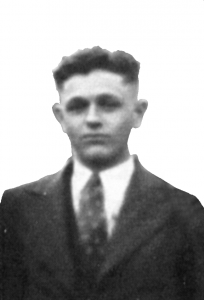
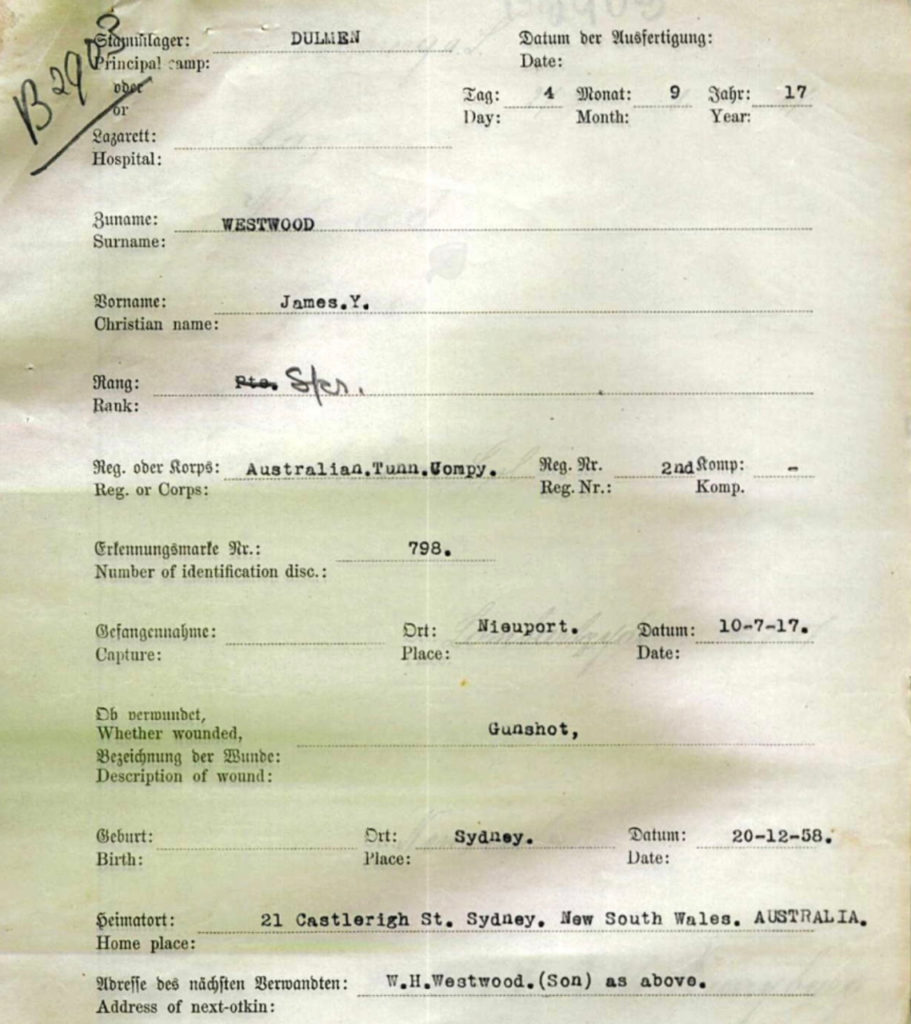
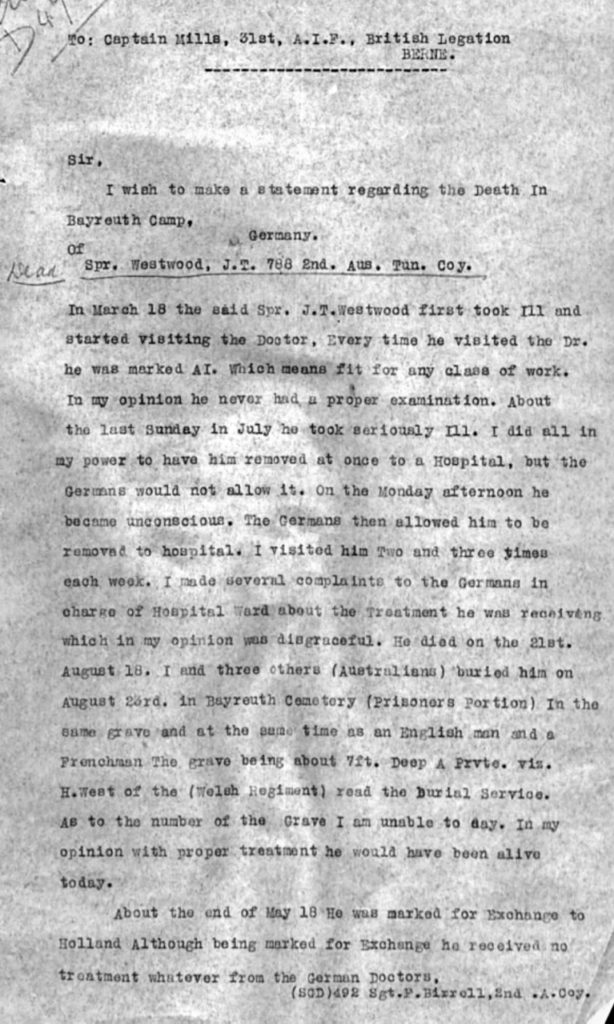
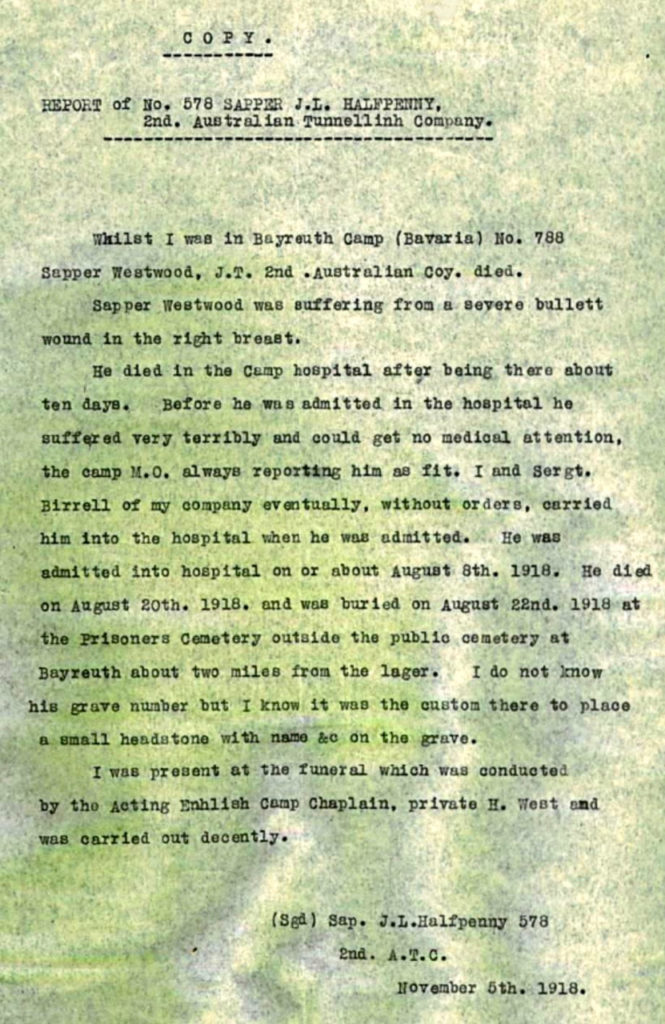
Sapper Westwood was captured 10 July, 1916 France during the disastrous Battle of Fromelles. The Allies launched a major offensive on 1st July 1916 designed to prevent the Germans reinforcing their troops at the Somme. The Australian Tunnellers were chosen to participate in this campaign. Groups of AIF and Allied soldiers were taken POW – trapped without reinforcements and nowhere to go but surrender.
In reality, being a WW1 POW did not fit with the image of an ‘Anzac hero’ – stories and poetry of bravery which lingered well into the late 30s until the world faced another war, did not include the history of POWs of Germany.
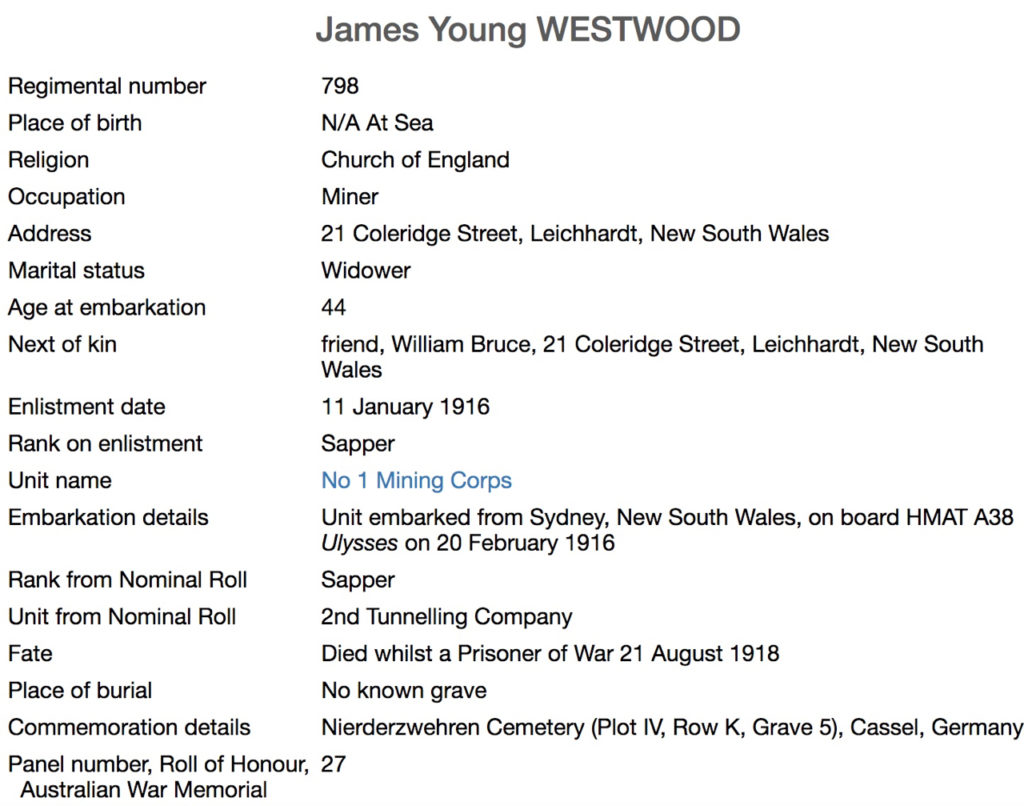
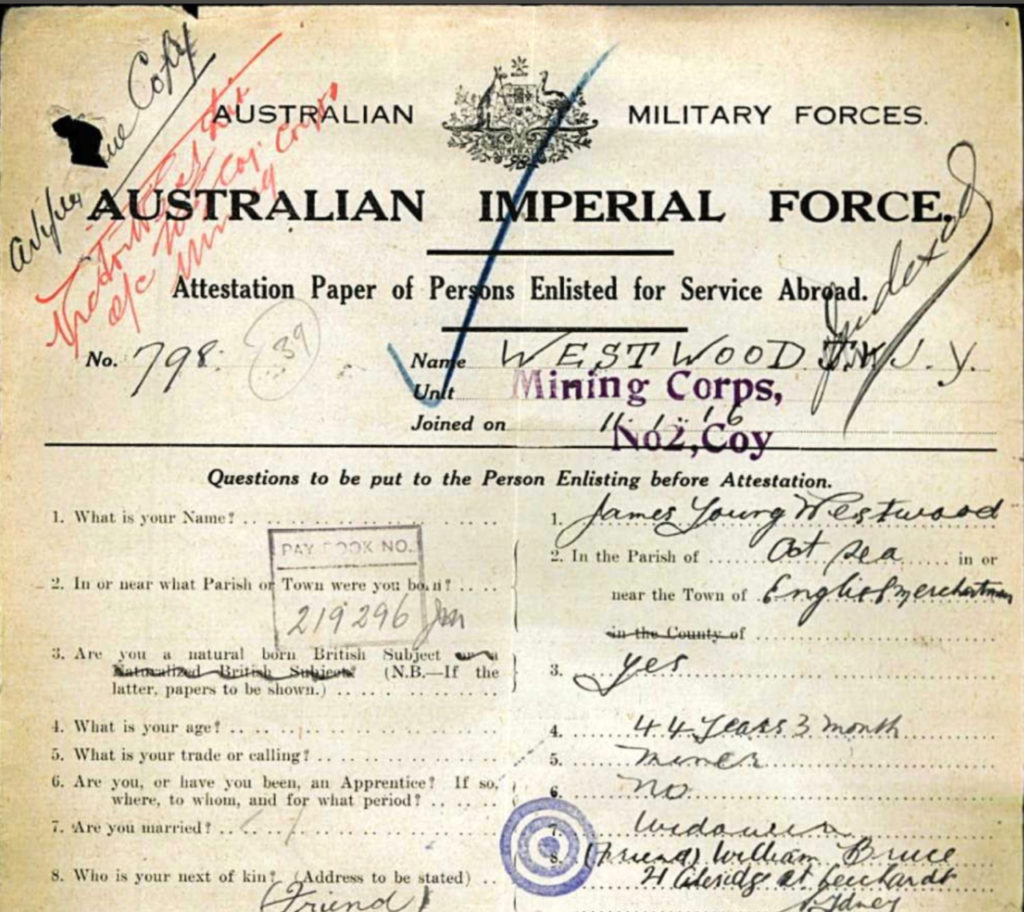
Westward recorded his NOK a friend called William Bruce. The AWM file includes correspondence between Bruce and officials re Westwood.
The following information was copied from AWM Personnel Records for James Young Westwood:
(Westwood claims (on enlistment) he was 44 years old – however he was 59 years old when he died – his birth was correctly recorded on German document as 20 December 1858, the Germans were always precise!)
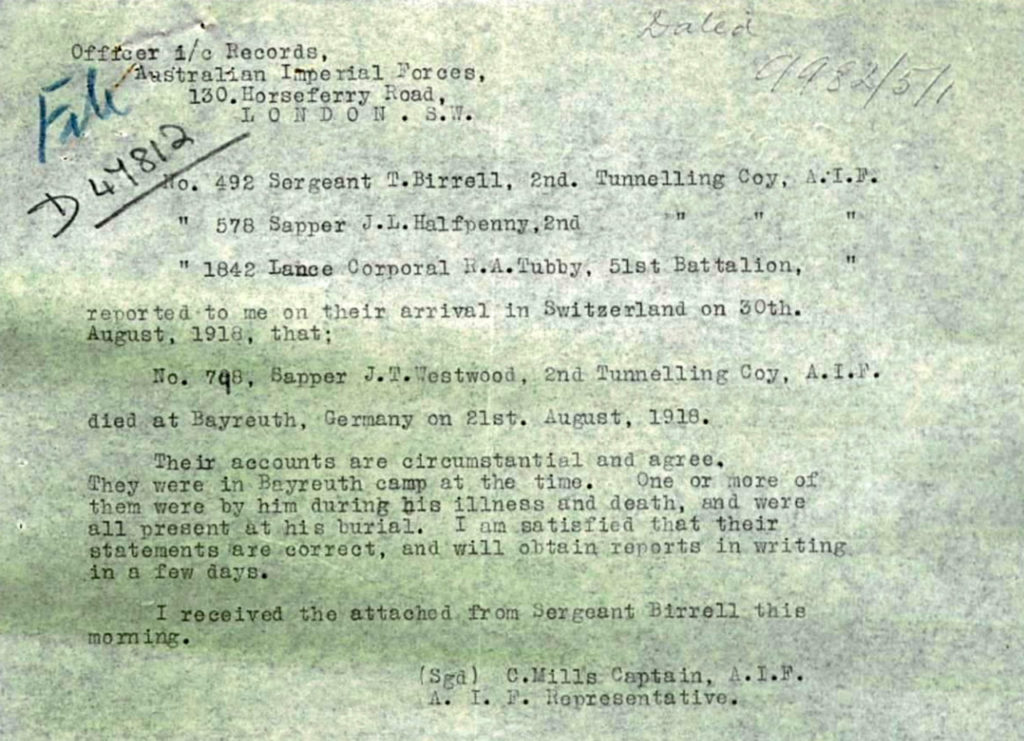
There are several discrepancies between various documents (he is written as J.T. Westwood and not J.Y. however we believe it is James Young Westwood, father of Vera Thomsett (nee Westwood). Westwood must have moved to NSW around the time of his wife’s death at Collie in 1913 – or there may have been a family break-down prior to 1913.
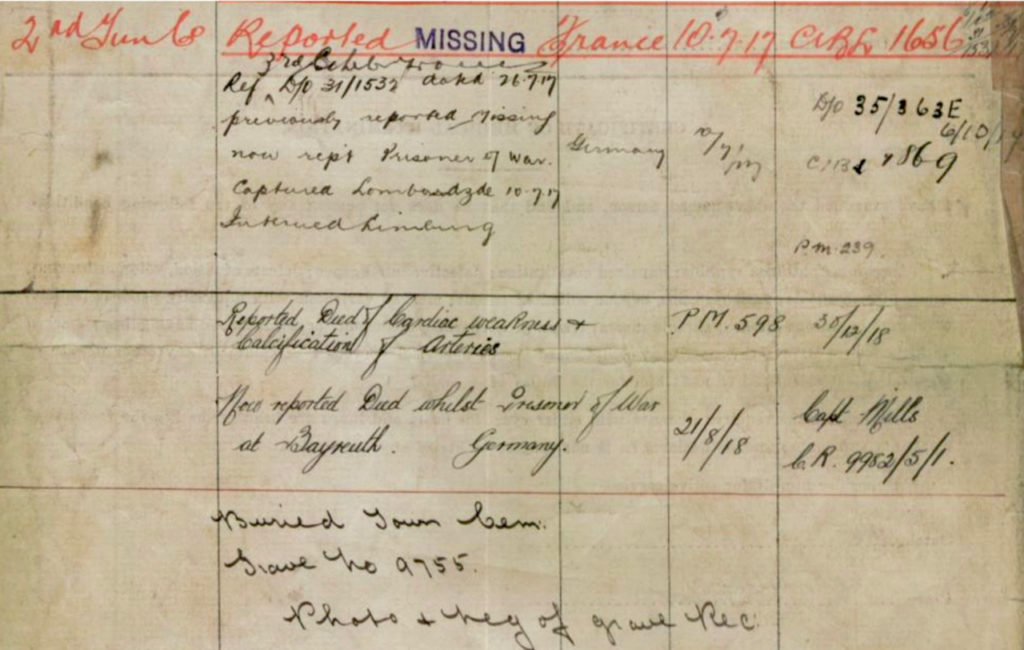
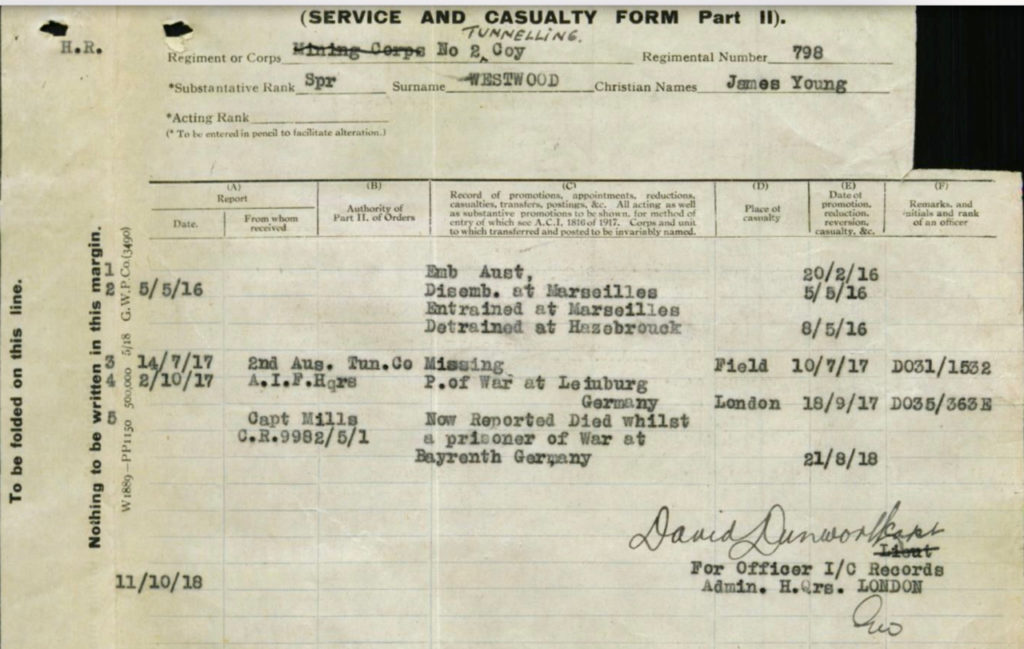
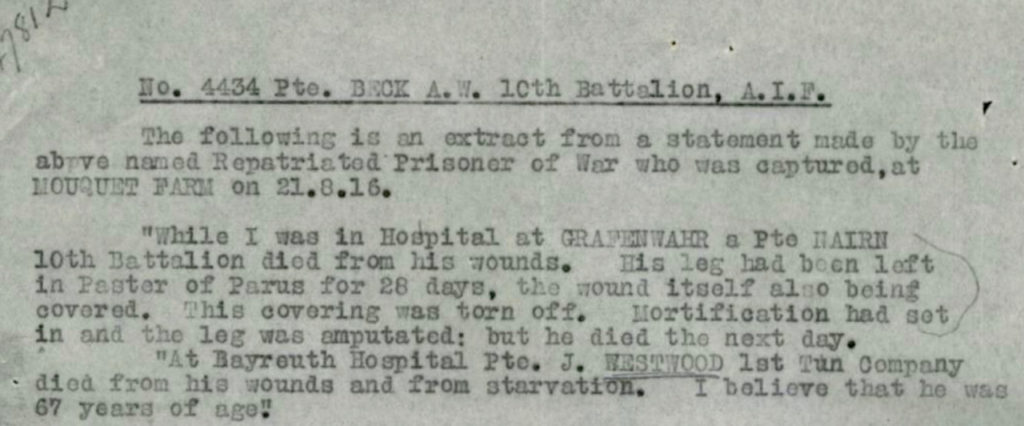
His AWM official file shows Westwood died of illness, but in fact this is not correct. This maybe due to the fact that details of his death did not come to light until the end of the war. POWs who were with him at Bayreuth provided eye witness accounts of his death. He died of GSW for which he received no medical attention. Starvation was a huge factor in his death, and was one of the greatest problems along with poor sanitary conditions for thousands and thousands of POWs of Germany. Germany’s access to food had stalled – much of the civilian population were starving, the soldiers had not much more and POWs well down on the list of priorities.
Red Cross Parcels did reach many POWs (unlike POWS of Japan) – these parcels were the main source of food for them and personal records show hungry German soldiers would sometimes offer to trade for food in the parcels.
During WW1 it is known both German and Allied injured or ill POWs did not receive medical treatment, or if they did it was often too late, sometimes taking care of their own wounded first and foremost and sometimes they chose not to provide medical care.
The were written reports after the war where AIF POWs were provided the same care as wounded German soldiers and for some like Westwood, sadly he was surely left to die.
__________

S Battalion Group 4 lost 14.2%
T Battalion Group 4 lost 21.2%
U Battalion Group 4 lost 5.2%
V Battalion Group 6 lost 50.0%
The following explains V Battalion’s reason.
Newton wrote:
Seven men of V Battaion died during their 32 day stay here.
Below: Cough writing in his diary – Brankassi June 1943.
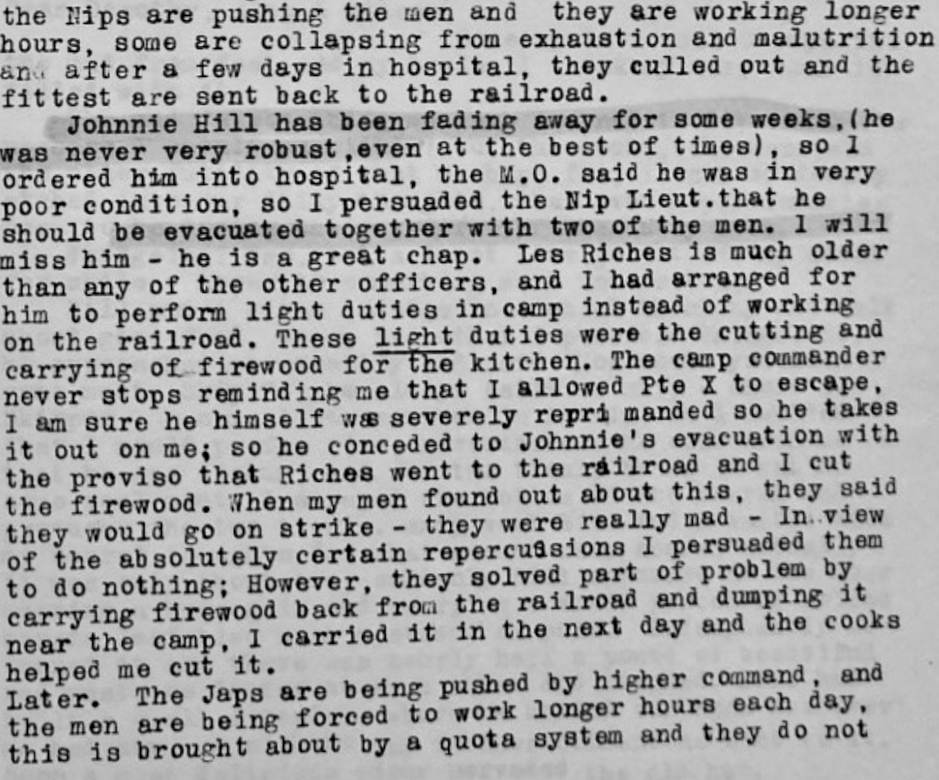
see below for further reading.
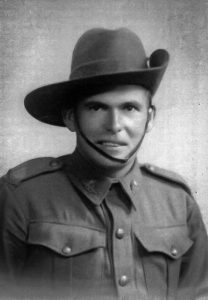
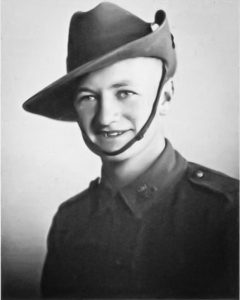

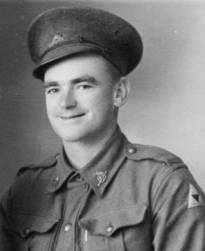
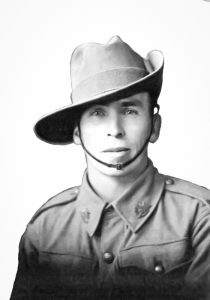
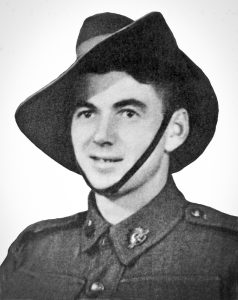

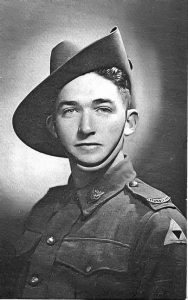
Below: Hewby
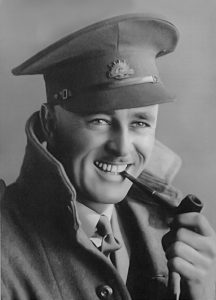

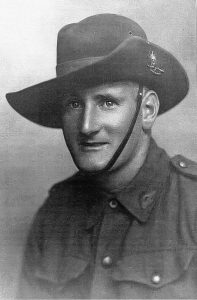

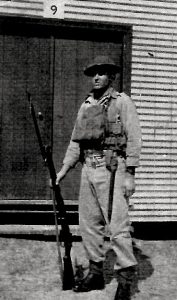


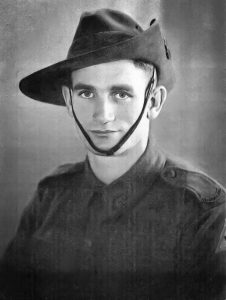
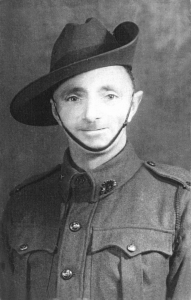
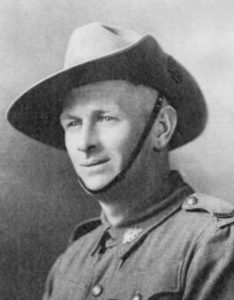

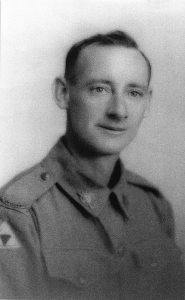



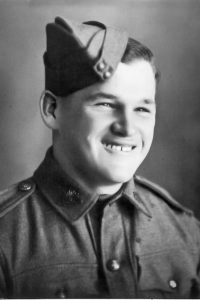
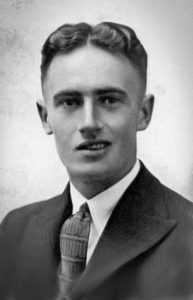


No Photo.
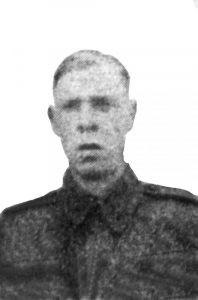
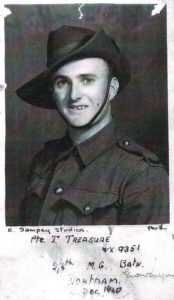
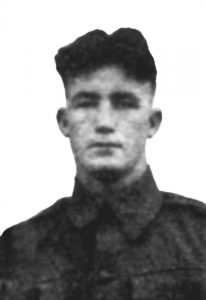

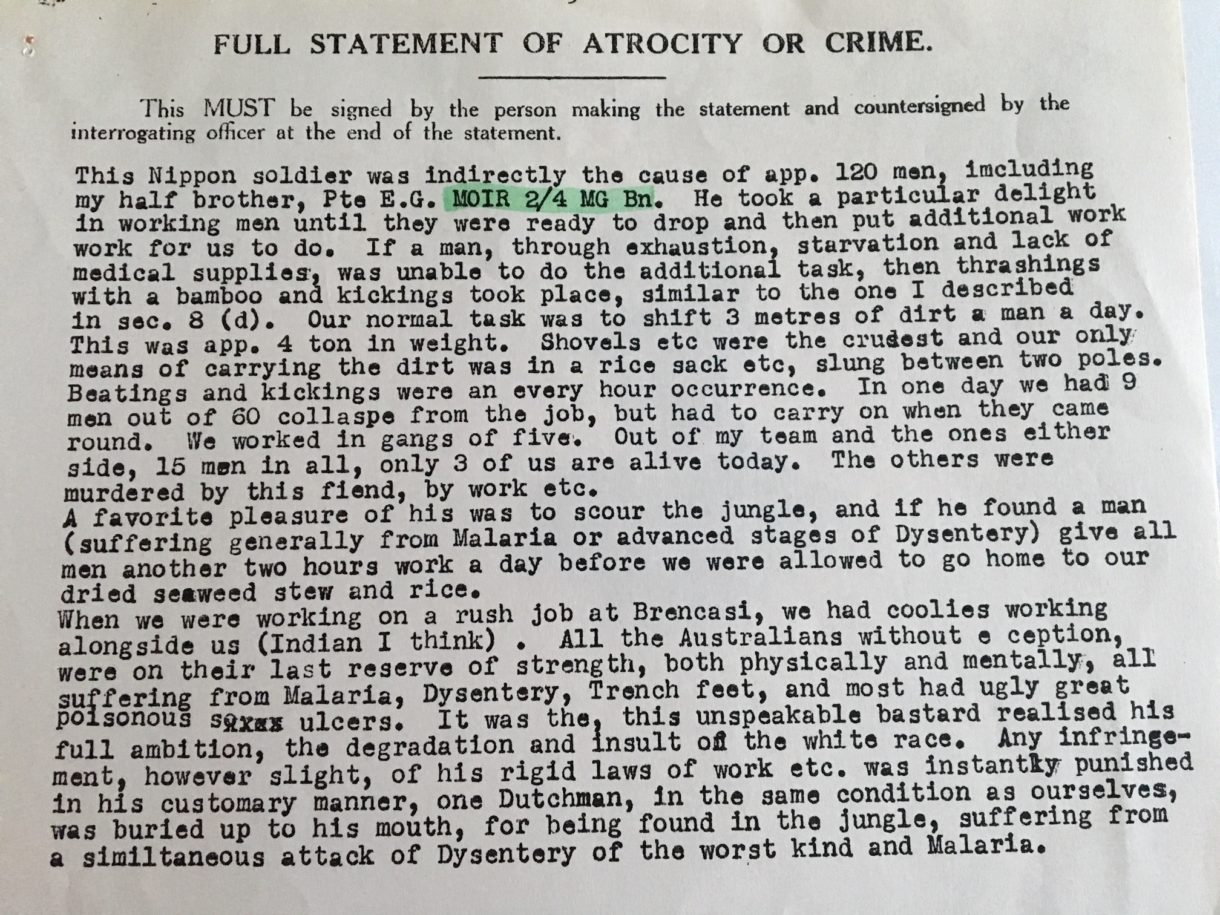
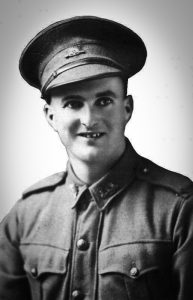 13 September – John (Jack) Treasure (cerebral malaria)
Below: Brennan

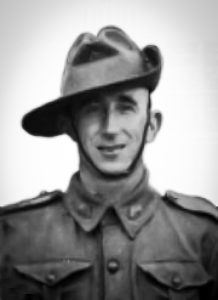
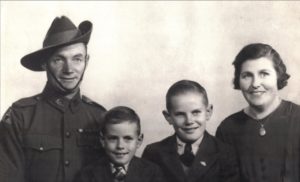


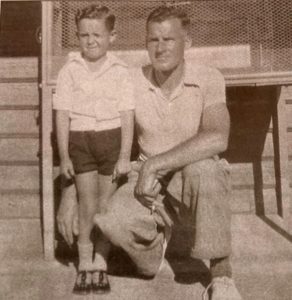

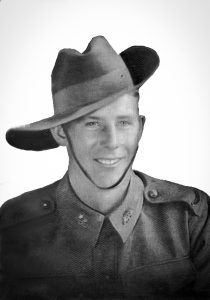
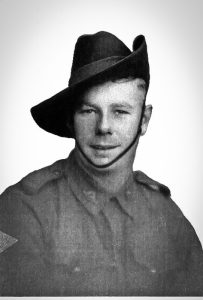
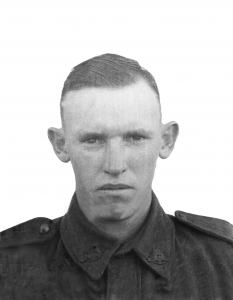


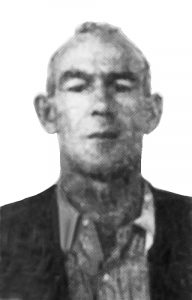
Below: Bow and Duggin

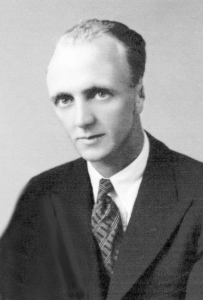
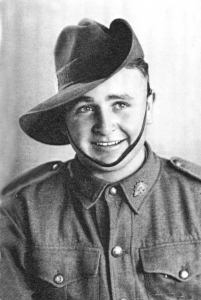

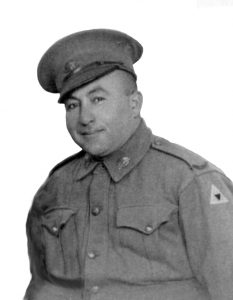


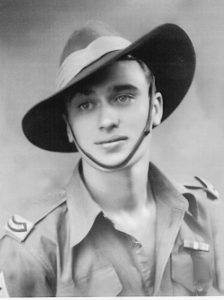


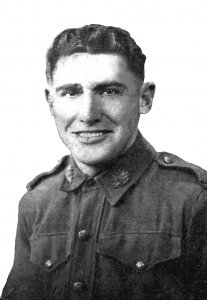
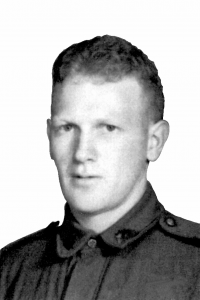
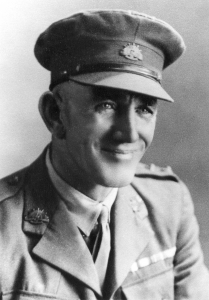
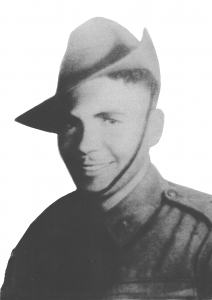

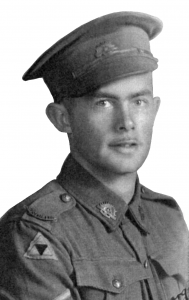
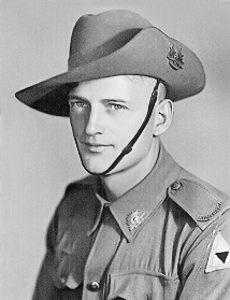
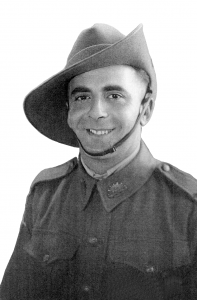
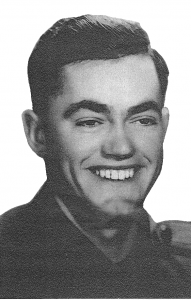 Below: Swift and Tanner

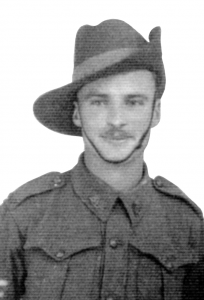

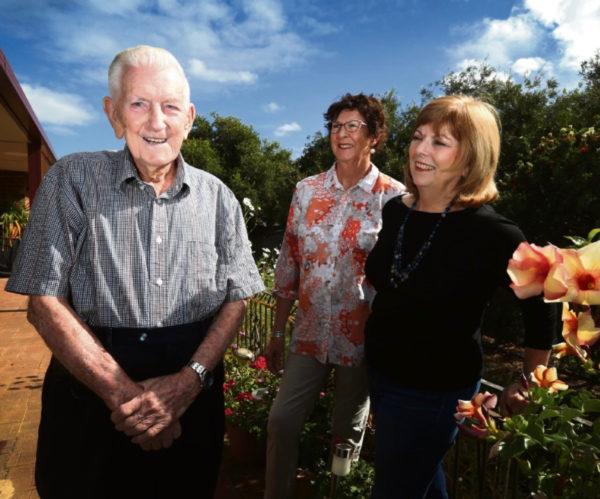
Please read interview with John Gilmour.
https://www.communitynews.com.au/fremantle-gazette/news/anzac-day-story-of-was-24th-machine-gun-battalion-being-kept-alive/