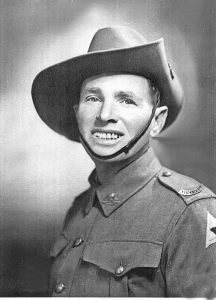

How MORRISON acquired ‘Snow White’ as his nick-name

The reason Arthur Morrison earned the nickname ‘Snow White’

The following was included in the July 2000 Borehole Bulletin

37 Leslie Street,
Albany
2000
Now that our old mate, Arthur ‘Snow White’ Morrison has passed on, I would like to tell you how he got the name ‘Snow White.’ I joined the army with him and we eventually drafted to the 2/4th amongst the 1st reinforcements in Woodside, SA and as you know we then went to Darwin.
One day in Darwin we went for a swim and the tide was well out so we had a fair walk to get to water deep enough to swim.
After a fair while the tide started to come in, so we started to head for the beach, but Snow White stayed behind. We didn’t worry as we thought he could swim. But he couldn’t, so we went back for him.   He was alright and could have got back to the beach on his own, but he was in a bit of a panic and had gone a bit white. So I named him ‘Snow White’ just for fun, but the name has stuck.
There were six of us on the beach, we all joined the army together and we were still together until we left Darwin.
WX15897 F.A. Toovey – died Hollywood Hospital 9 November 1945 (from wounds received February 1945, Singapore)
WX16214 F. Whittacker – died illness 6 August 1943 Hindaine, Burma-Thai Railway, Thailand
WX15905 E.J. Moir – died illness Kuii, Burma-Thai Railway, Thailand.
WX15872 L.C. Gray – KIA Singapore 12 February 1942.
WX15478 A.E. Morrison (Snow White) – RTA, died 2000 WA.
WX15893 S.E. Roots – RTA
I am the only one remaining. I hope to be at Snow White’s funeral but I have to carry oxygen and see will what I can organise.
Regards to all,
Ted Roots


Ted Roots did manage to attend his mates Snow White’s funeral at Katanning, however Ted died not long after in 2000.  It is not difficult to imagine him telling this story while a family member wrote the letter on his behalf.  Ted was in his 79th year.
From Singapore Ted went with Japan ‘B’ Party Korea. He was firstly at Keijo 25 Sept 1942 to 13 Sept 1943 and secondly,  Konan (Carbide factory) from 14 Sept 1943 to 21 September 1945.

Read further about Ted’s POW life.

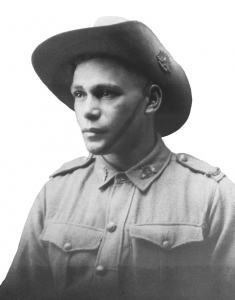
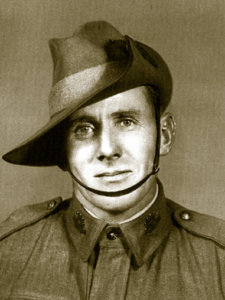
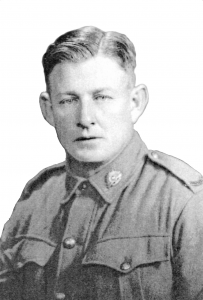
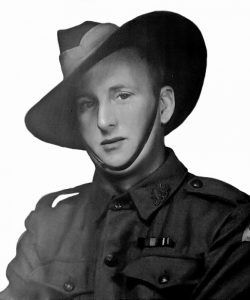
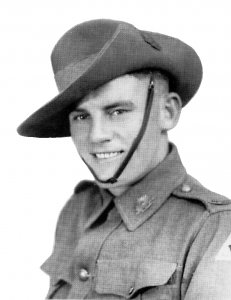
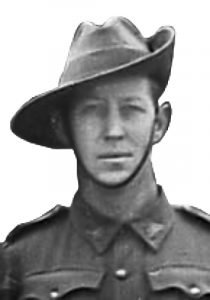
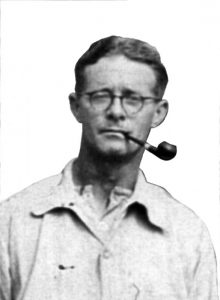
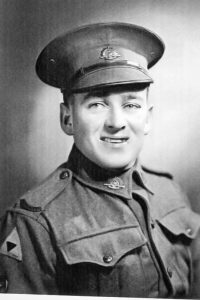
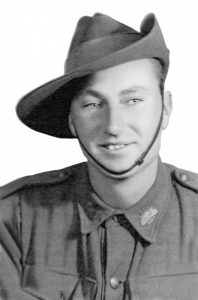
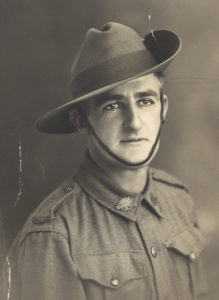
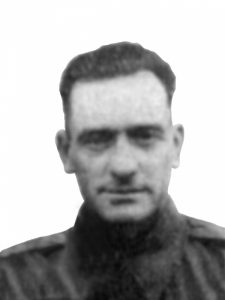
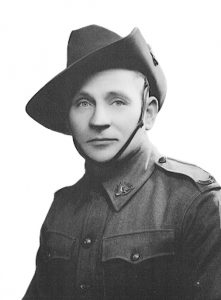
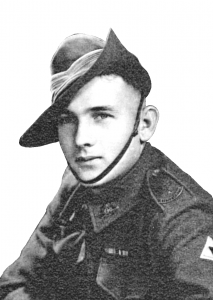
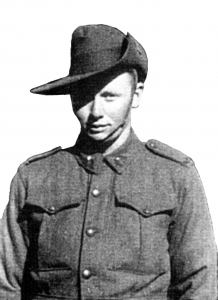
Below:  Morrison and Roots
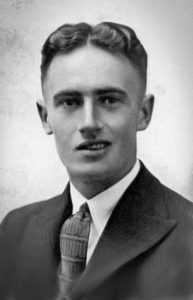
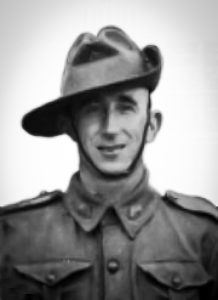
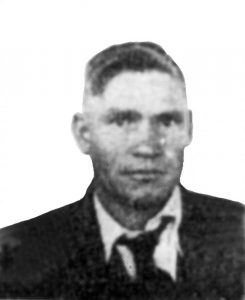
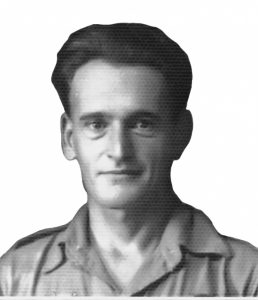
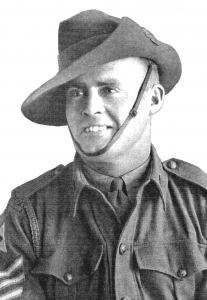
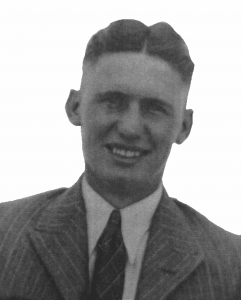
Below: Toovey and Ted Moir
  

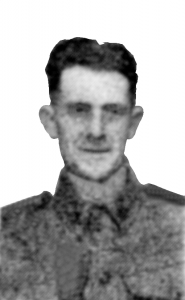
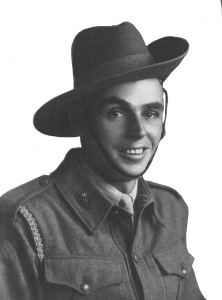
Below: Gray and Whitacker


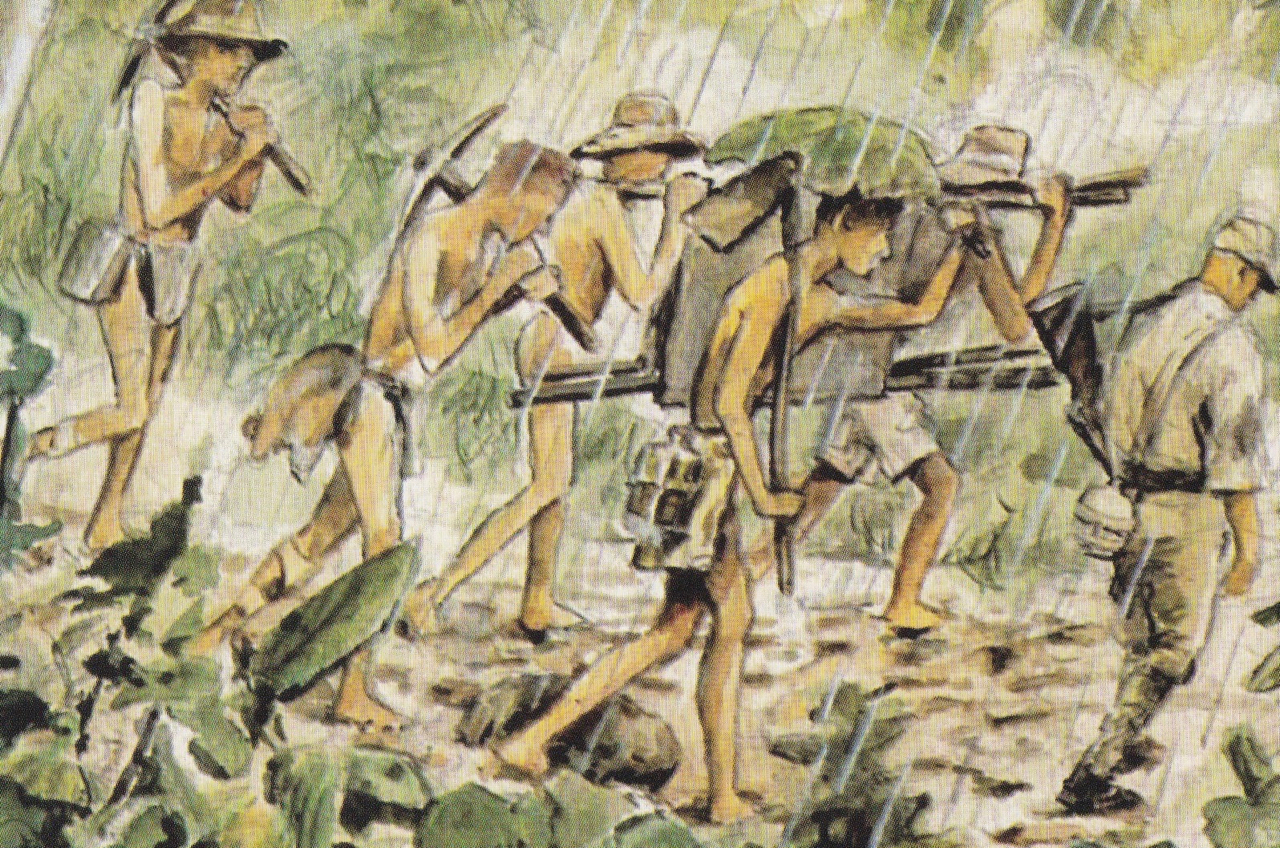
Aussie Mateship by Otto Kreefft


Burma Railway a visual recollection” by Otto Kreefft

Following is Kreefft’s description with a section of his drawing (above) of Aussie POWs walking to work through jungle and  rain,  wearing ‘their new uniforms’ otherwise known as Jap-Happys, accompanied by a guard  


AUSSIES

‘About Aussies, the story went round that they sold everything that was loose or attached. These men indeed often possessed nothing but their big hats, water bottles, canteens and minuscule pieces of fabric as loincloths. Anything else they had owned had been sold to obtain some extras: tobacco, sugar or a piece of salted fish.
The tjawat (Jap-happy) was their only piece of clothing and became their new uniform. All the same, from such a group on their way to work, all thin as rakes with their felt hats on their heads and their ludicrous, pathetic appearance something positive was radiating …namely mateship.
(tjawat = loincloth. Some were black and some white. The first were regarded as their ‘evening dress’).’
Otto Kreeftf was born in Java in what was formerly known as Dutch-East Indies. His father was a lessee -coffee planter. When war broke out in 1941 Kreefft was in his final year of high school at Jogjakarta. He served as a conscript at an anti-aircraft battery at Andir airfield near Bandung. When the KNIL surrendered to Japan he became a POW and was soon after transported to Burma to work on the railway.
Kreefft was recovered from Thailand at the end of the war.
Following the transfer of sovereignty to Indonesia Kreefft and his family were evacuated to the Netherlands in 1957.
There have been several editions of this book, First Dutch 1998, First English Dec 2004, Second 2005 and Third edition 2008.
ISBN 978-0-646-48349-8
This book captures everyday life working on the railway and reveals a unique insight in the engineering feats undertaken by POWs.
Printed by Sukhumvit Printing Co., Ltd. for Thailand-Burma Railway Centre (T.B.R.C. Co. Ltd.) Kanchaburi, Thailand.  We extend our sincere thanks for permission from TBRC to share the above.

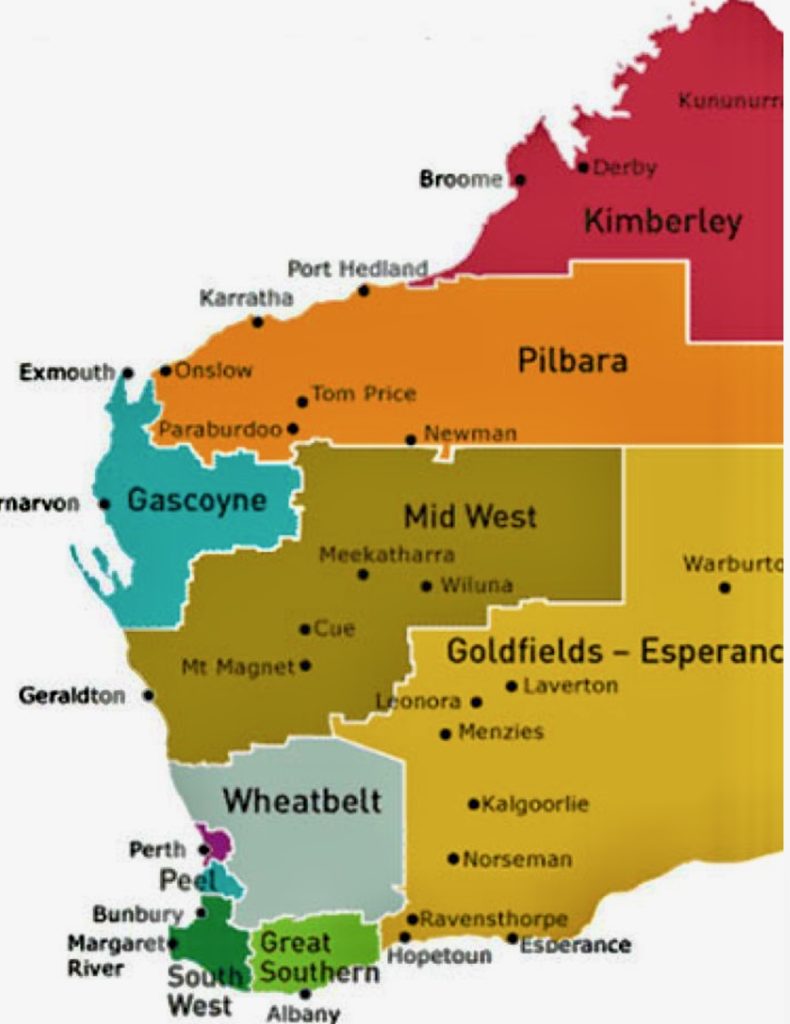
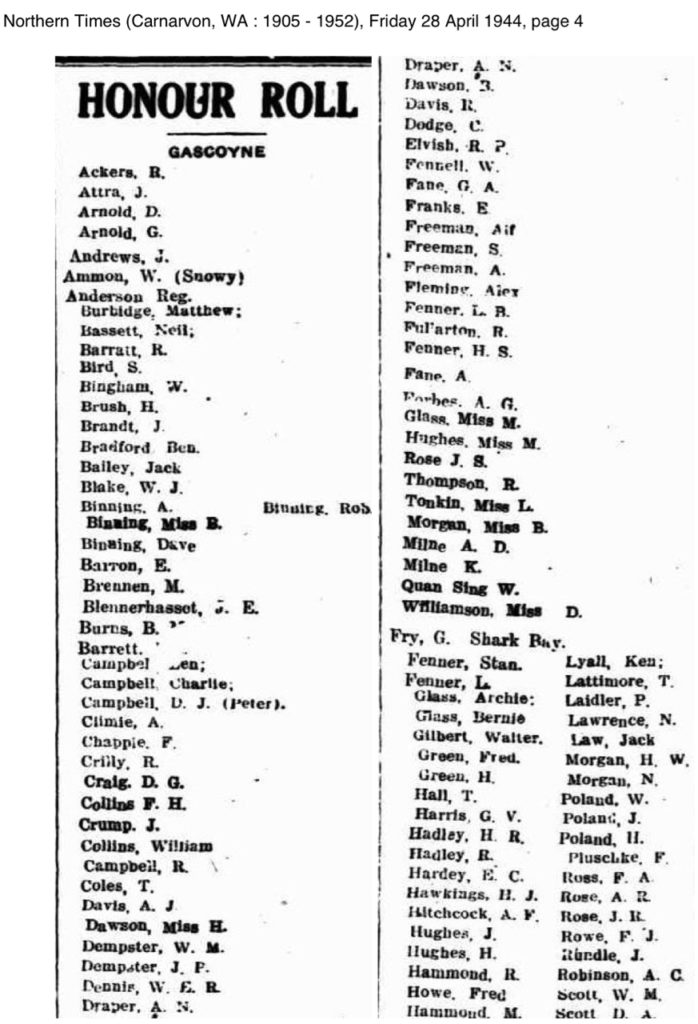
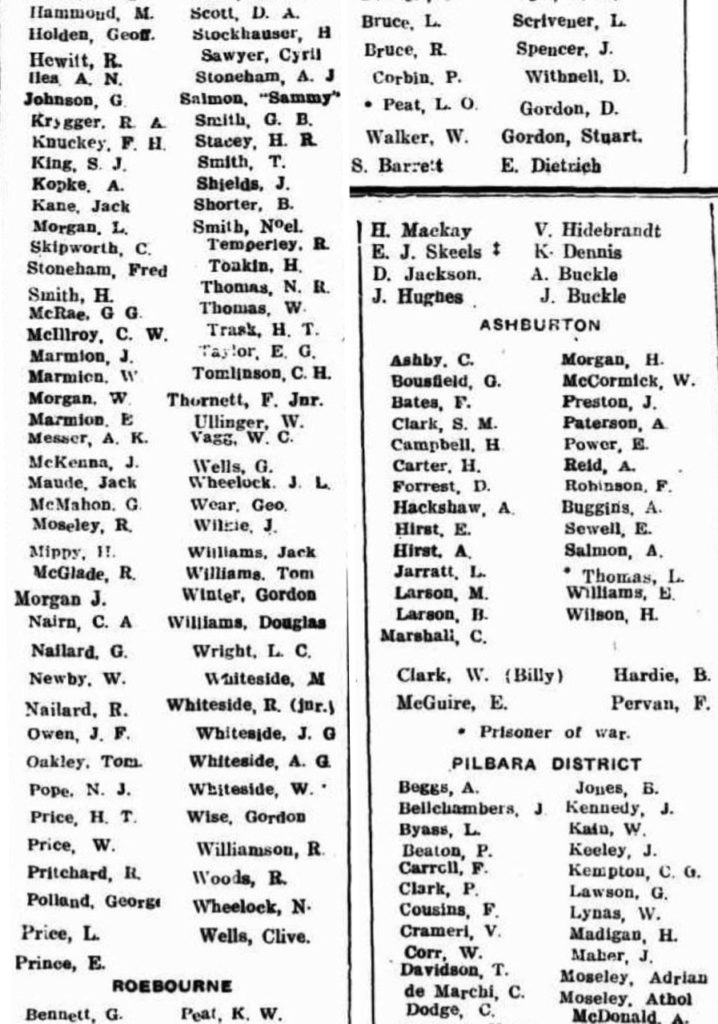
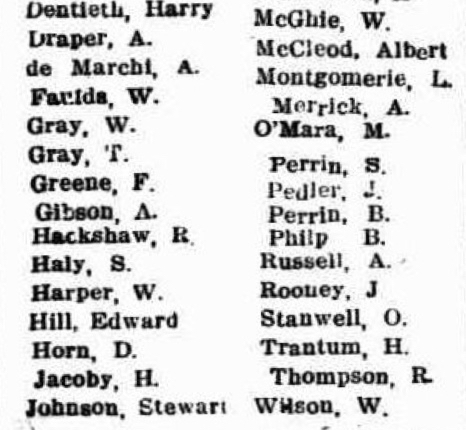
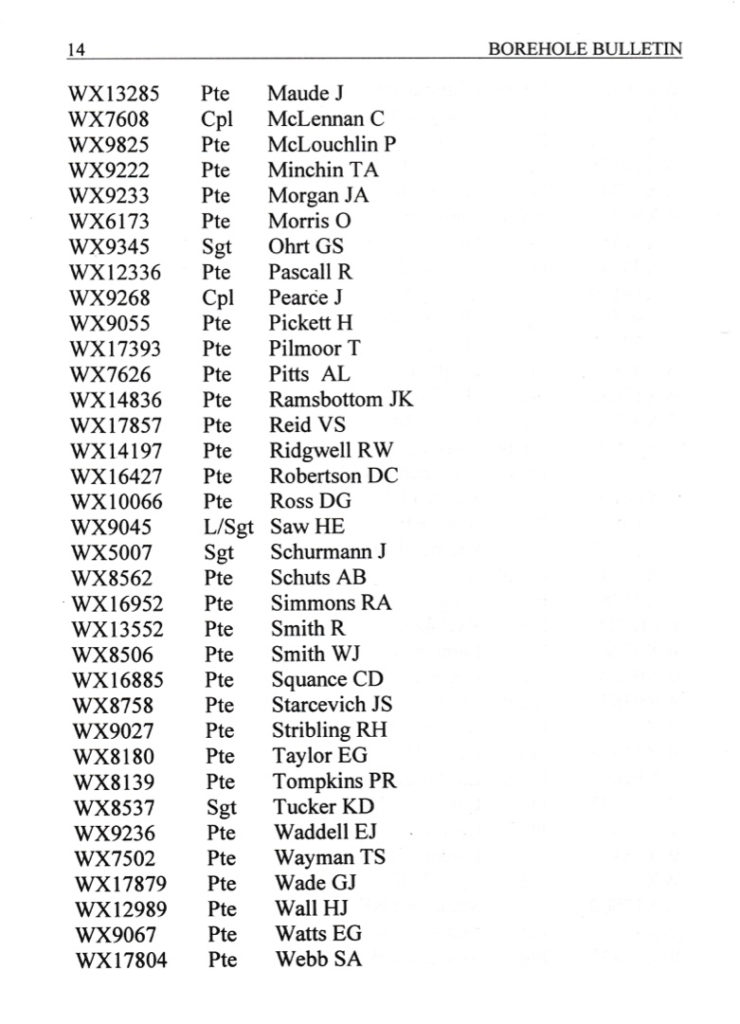
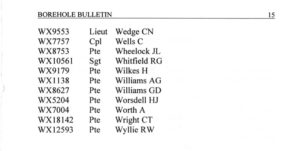
Gascoyne, Shark Bay, Roebourne, Ashburton and Pilbara Enlistments

The following list of names records WX7458 L.O. Peat as being POW, in fact he was KIA 12 February 1942 at Ulu Pandan, Reformatory Road during the fight to save Singapore.
It is simply too difficult to confirm many names because both initials have not been recorded and therefore certainty is not  possible.
Those we can confirm as being with 2/4th are listed at the end of these lists.  Three of these men died during the Sandakan death march, Borneo.


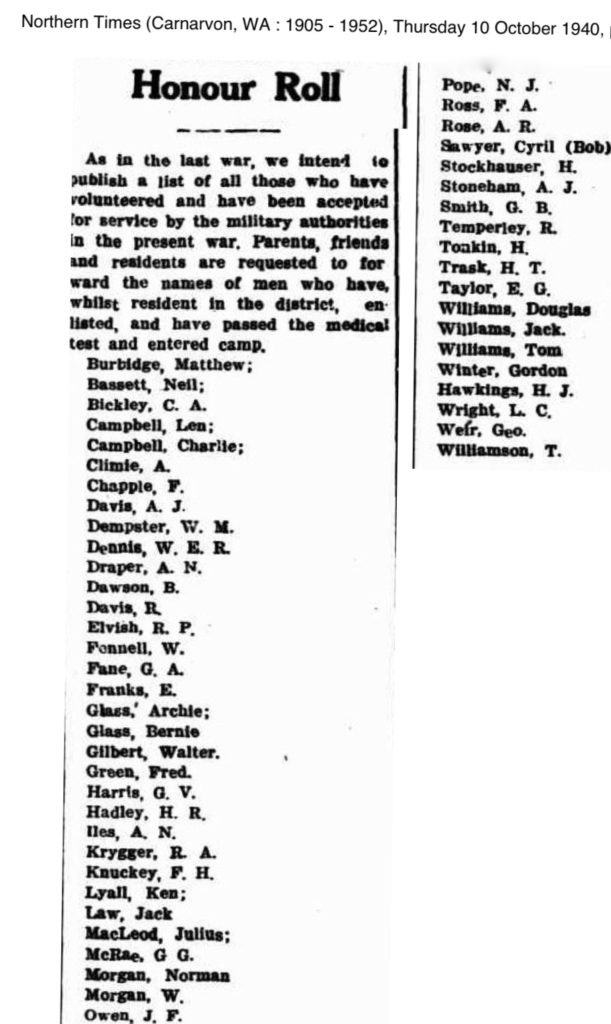
Gascoyne
WX4927 A.N. Climie – killed during an Allied Air raid at Kawasaki Camp, Japan.

WX7777 A.M. Draper – (station Manager) Also recorded Pilbara. RTA from Kobe, Japan.

WX8381 R.P. Elvish –  Died 9 October 1943 from illness at Chungkai, Thailand.  Was with ‘D’ Force Thailand, V Battalion working on Thai-Burma Railway.  V Battalion endured one of the highest losses of lives – 40%.


Shark Bay – Gascoyne Region
WX13285 Jack Maude – (former Fairbridge boy) RTA from Fukuoka sub-camp No. 24 Sendyu, Japan.  Jack suffered all his life from radiation from Atom Bomb – could only eat soft foods and never with company.

WX8180 Edward George Taylor –  (stationhand) RTA from Changi, where he was POW throughout war.

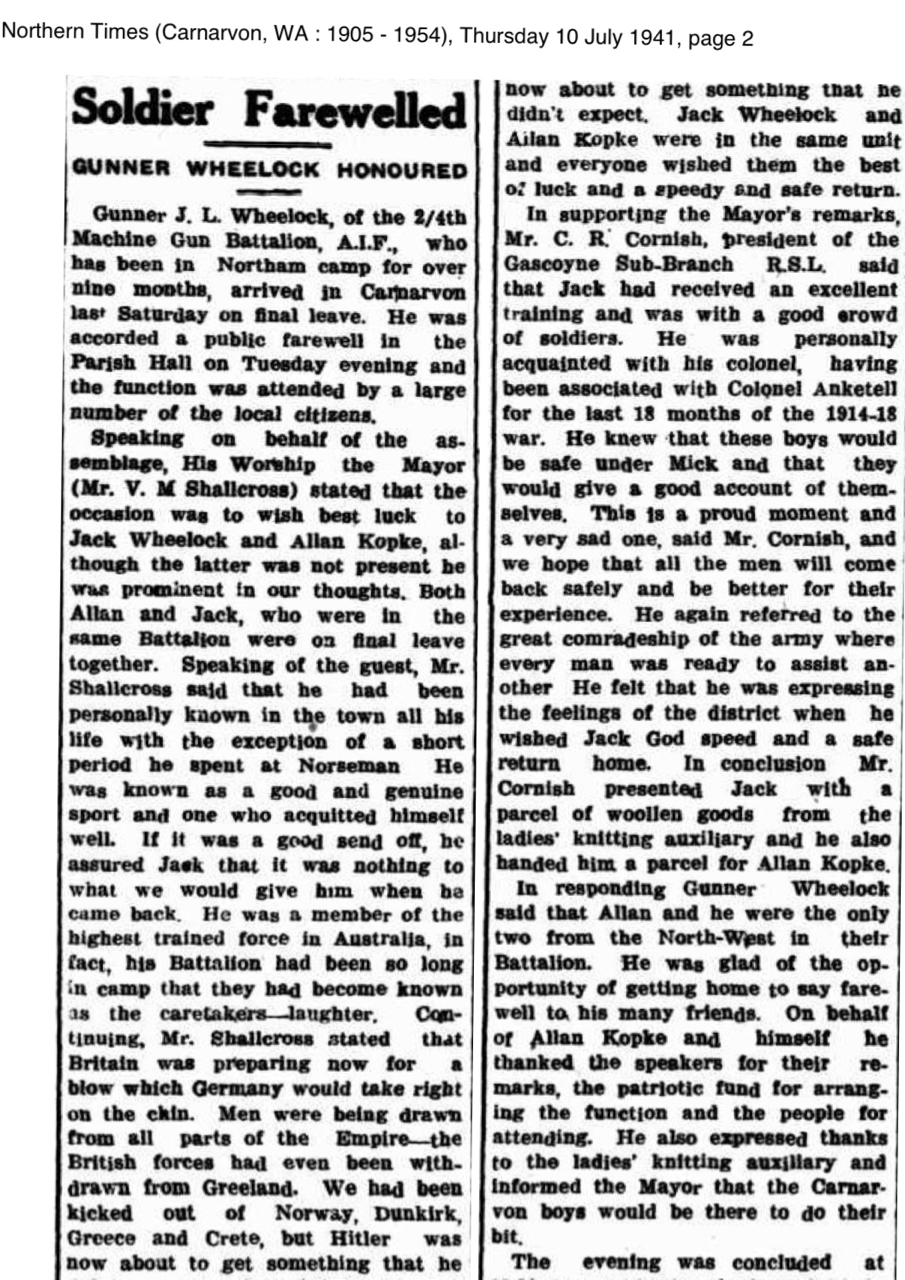
WX8753 J.L. Wheelock  – (Printer, born Carnarvon) RTA from Saigon, French Indo-China.  Worked on Railway with Captain Fred Harris Party.  Sent to Saigon via Bangkok with Both Party.

WX8706 J. Wilkie (Plantation Owner) – sent to Borneo with ‘E’ Force.  Died of malaria Sandakan 17 May 1945.


Roebourne – Pilbara
WX7458 L.O. Peat – KIA Singapore February 1942.


Ashburton – Pilbara

WX7600 G.R. Bousfield (Fairbridge boy) RTA from Nakom Nayok, Thailand having worked on Burma-Thai Railway.        Sailed to Java (not Singapore) and joined ‘Blackforce’ in Java.  Taken POW there, then transported to work on Burma end of railway.

WX7801 A. Hackshaw – worked Thai-Burma Railway with ‘F’ Force Thailand.  Albert Hackshaw died tropical ulcers on 2 November 1943 at Tanbaya Hospital Camp Burma, where ‘F’ Force sick were sent.


Pilbara
WX9551 F. W. Carroll (possibly, recorded a F. Carroll) RTA from Bandeong, Tjimahi, Bicycle Camp, Batavia.  Did not go to  Singapore but joined ‘Blackforce’ Java to fight Japanese with Dutch East Indies and Allied Forces.    He was taken POW and remained there.

WX7909 Tom  Davison – died 25 October 1943 at Khonkan Hospital Camp, Burma from illness having had 3 amputation operations  because of tropical ulcer on his leg conducted by Col. Coates AAMC.

WX7777 A.M. Draper (Station Manager) – as above.


WX24830 S.O. Haly (Station overseer) – died 15 June 1945, 12 miles from Sandakan on march.  Sailed to Borneo with ‘B’ Force from Singapore.

WX9418 D. Horn –  RTA from Niihama, Japan.  Had worked on Burma-Thai Railway prior to sailing to Japan with ‘Rashin Maru’ Party.  Trader had attended school at Carnarvon whilst his father was posted as Manager of the Union Bank.


WX7789 O.M. Stanwell – died Sandakan 12 March 1945.  Sailed from Singapore with ‘E’ Force to Borneo.

WX7789 Private (Pte) Oliver Moir Stanwell, 2/4 Machine Gun Battalion. Pte Stanwell enlisted on 10 August 1940 and served in Singapore. He was captured by the Japanese Forces in 1942 and held in a prisoner of war (POW) camp in Borneo. Pte Stanwell was promoted to Corporal during this period. He died of illness in the POW camp on 12 March 1945, aged 39 years.
Carnarvon 2/4th Enlistments


WX4927 Austin Newman ‘Aussie’ CLIMIE – was the only son to Murray and Eliza Climie.

He spent his early years at Kalgoorlie, his father died following a mining accident when he was two.
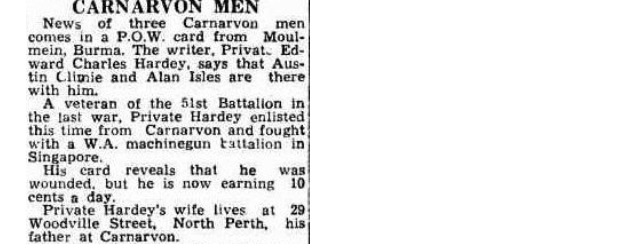
Aussie worked out of Carnarvon.  At one time with his mate Hardey.  He was tragically killed during an Allied air raid at Kawasaki Camp No. 4 D in Japan July 1945 aged 37 years.
He had worked on the Burma end of the Burma-Thai Railway.  Survived the sinking of ‘Rakuyo’ Maru sinking in the South China Sea in Sept 1944. 


WX83812 Robert Philip ‘Bob’ ELVISH died of illness at Chungkai POW Camp Hospital, Burma-Thai Railway October 1943 aged 42 years.  He left Singapore with ‘D’ Force Thailand, V Battalion which suffered terrible loss of lives.


Bob sailed from London 3 October 1925 to Fremantle.  He was 23 years old, his occupation was recorded as Farm Worker. From 1931 to 1937 he worked at ‘Cooralya’ Station, about 75 kms north of Carnarvon.  We believe he returned to England about this time, however sailed back in 1938.  It is also likely he continued working at ‘Cooralya’ Station as a Boundary Rider up until his enlistment.
WX12157 Edward Charles HARDEY – b. 1902 Bunbury was a mate of Climie.  He enlisted May 1941.  He was recovered from Omuta, Japan at the end of the war.  Hardey had previously worked on the Burma end of the Burma-Thai Railway.


WX8180 Edward George ‘Snow’ TAYLOR – enlisted at Carnarvon, however was b. Narrogin 1919. the son of George and Elsie Taylor, his life was to take a cruel twist at 15 when his father, a renowned horseman and bush vet, died.  It left him to take on the responsibility of caring for his mother and two younger brothers, Vic and Ray.  This led him to go north to work on a cattle station, while his family relocated to Perth.
He remained in Singapore throughout the war and was recovered from Changi.


WX8753 Jack Logan WHEELOCK 

b. Carnarvon to Darcy and Edna Wheelock.  Jack’s grandfather

Charlie Wheelock was a pioneer of Carnarvon.   Jack
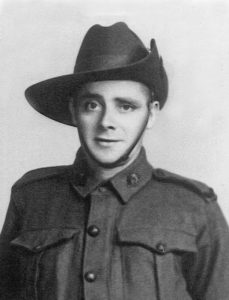
enlisted AIF 23 Oct 1940 and later joined 2/4th MGB’s ‘B’ Company 8 Platoon.  He was selected to work on Burma-Thai Railway with ‘D’ Force, Thailand Capt Fred Harris  Party.    
Jack was later selected with ‘Both’ Party to work in Japan.  They were forced to shelter at Saigon, French Indo-China.   The POWs remained here until the end of the war.


 WX8706 Jimmy/Scotty WILKIE

In 1937 Electoral Roll he was recorded at Gascoyne River Loc. 179, Carnarvon, Tropical Grower.  Wilkie’s life at Carnarvon ended, we are unsure how long he lived there and he moved to Norseman and took up mining.  It was from Norseman he enlisted AIF 23 Oct 1940.  He later joined HQ Company.  He was mates with Bill Struthers, Dick Blaschek, Jimmy Hall.
Jimmy/Scotty Wilkie died 17 May 1945 at Sandakan aged 36 years.  He was one of 71 men from 2/4th to died in Borneo.

Please read further about Sandakan


There may be additional 2/4th men from Carnarvon and surrounds which to date we have not been able to identify.  (Sept 2020)

Victims of Japan win compo battle May 2001

More than 50 years after the end of the war, former prisoners of Japan will each be paid $25,000 compensation.

The Australian Ex-Prisoners of War Association fought for many years to get compensation for the horrors its members suffered at the hand of the Japanese.

An allocation amount of almost $250 million will provide compensation similar to that given by Canada, Britain and New Zealand.

More than 2600 former prisoners of war and about 370 former civilian internees will be eligible. The payment will also be made available to about 6600 widows and widowers of prisoners of war and civilian internees.

It will be tax-exempt and excluded from income and assets tests for pensions and other benefits.  For Jim Elliott of 2/4th, no sum of money can compensate for 3 1/2 years he endured as a prisoner of Japan.

Mfr. Elliott who is president of 2/4th Machine Gun Battalion Ex-Members Assoc. believes there are just over 100 former PoWs left in WA.

He was taken prisoner in February 1942 along with 15,000 Allied soldiers when Singapore fell to the advancing Japanese.

He first worked on the Singapore wharves and was then sent to the Thai-Burna Railway for a year.  He spent a final year in a copper mine in Japan.

Vererans’ Affairs Minister Bruce Scott said the one-off payment acknowledged the unique hardship and suffering endured by Australians in Japanese Prisoner of War Camps.

From The West Australian Newspaper 23 May 2001.

Australia Remembers

Australia Remembers


…. A family worth mentioning was Ted and Maud Smith of 98 Stirling Street, Toodyay. They had nine children. Their three girls married soldiers and all six boys went into the army at various stages.

Joyce married Jack Baker WX 9367 of 2/4th MGB and lived on a small farm called Coorabin near Coorinja; they had four children. Jack was taken prisoner and spent time on the Burma Railway.

While Jack was away Joyce had to run the farm, rear the family and organise a trainer for Sansea, a top race horse. Jack returned to a normal family life but died in Hollywood Hospital aged 55.

Nellie married Tom Dorizzi WX12884 2/4th MGB and they had one daughter, Geraldine, known as ‘Tiddles’ as a little girl. Tom died in North Borneo in March 1945, aged 31.

Gwen married Frank Morphew WX5772 who was badly wounded on the Kokoda Trail. He was carried out by fuzzy-wuzzy natives. He suffered poor health and died in his mid fifties.

The eldest boy Bill ‘Bricky’ after a North African retreat, heard that Ted Hayes (owner of Wicklow Hills) had to be left with a shattered knee. Bricky insisted on going back into no man’s land that night to find Ted and bring him in. Years later Ted spent some time as a Toodyay Roads Board member.

Dick and Snowy served in the Middle East.

Dick’s boat got lost near Malaya and he was listed missing for some months, finally turning up as a prisoner of the Japanese. After the war he returned a nervous and mental wreck. He was discharged on 19-12-1945 with deferred pay of 799.11.7d. His family had disintegrated, his mother died of cancer aged 53 early in the war, father had left the district and each one had gone their own way after being discharged.

‘Dick’, HJ Smith never married and was found dead in his camp at Coorabin aged 50. Pre-war he had been a champion racing cyclist on his Swansea cycle. He won the Moora wheel race 1½ miles against top Perth riders at their Easter athletic carnival. Earnings equalled six months salary.Lucas cycle promoters arranged a match race between Dick and their Perth champion, Bill Humphreys. Two races were arranged on the Toodyay showgrounds on show day, either 1938 or 1939, but the city slicker had superior tactics to the shy country boy.

DR ‘Snowy’ Smith talked of survival in jungle warfare, surviving in wet clothes and bog for days, erratic food supply, malaria and tinea rampant as well as Jap snipers watching for any movement.

I am not aware of the younger boys war service (Joffa, Garney and Jacky Smith)


by Wally Chitty
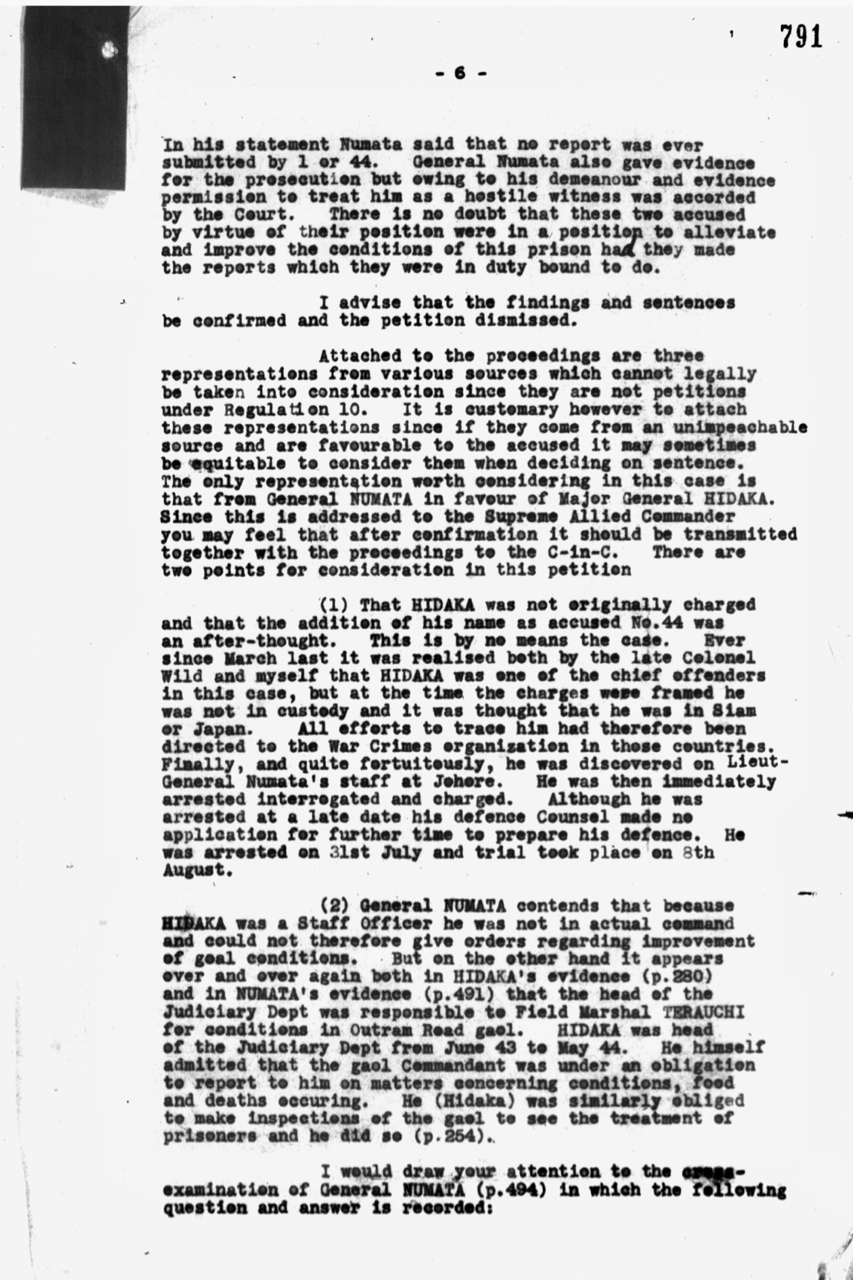
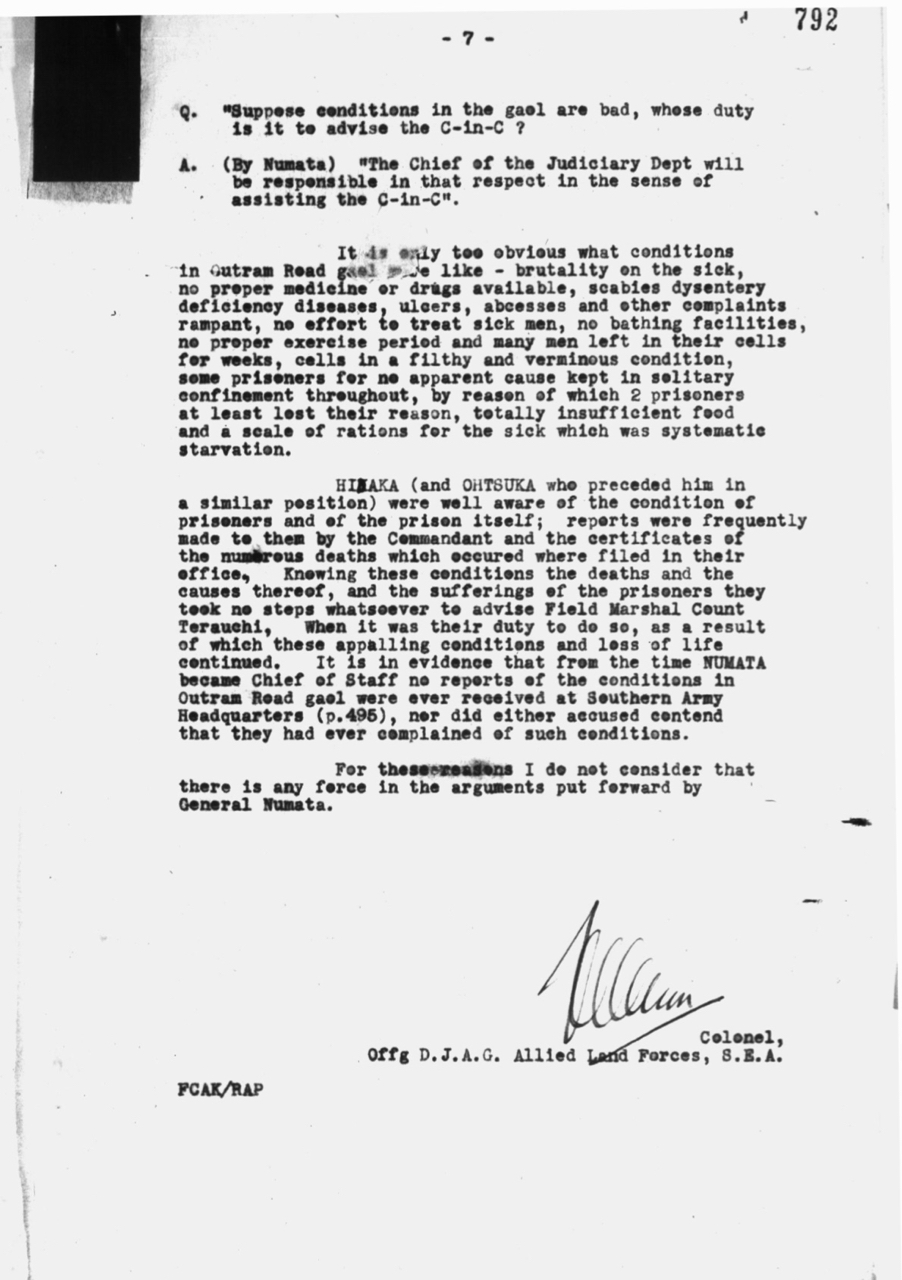
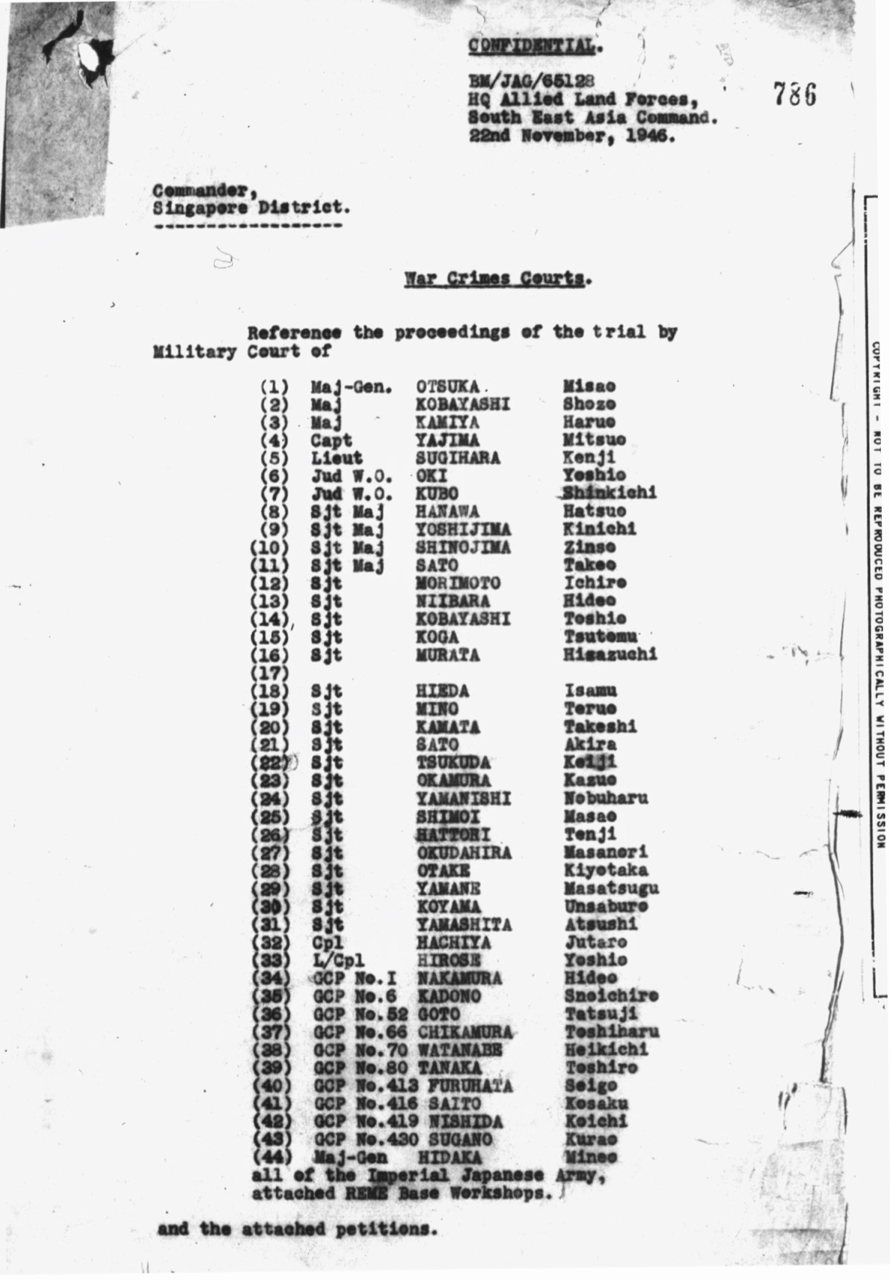
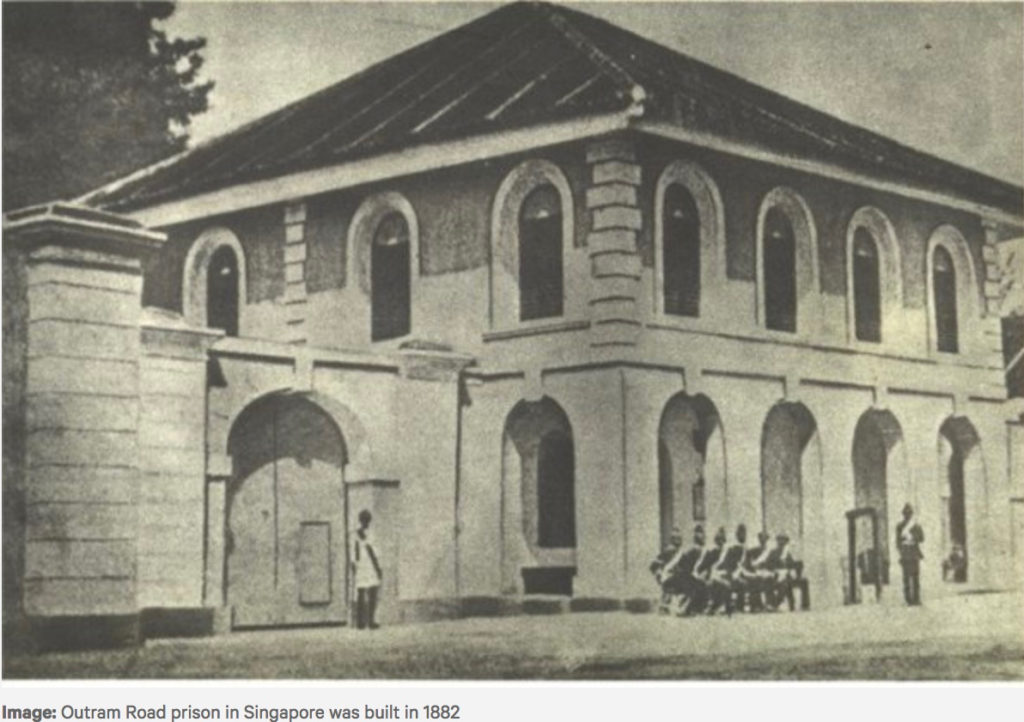
Outram Road Gaol War Crimes Court 1946

McGregor WX12835 and Dean WX6067 were sentenced to 2 years to be served at Outram Gaol – for attempting to escape.
Below:  McGregor and Penrod Dean.  Both men went on to write books detailing their personal experience at Outram Road Gaol.  MgGregor’s book was published and he died before Dean completed his book.  (Tim Bowden amongst others has made known the outcome of his research resulting in doubts about several of Dean’s claims.)

_______________________________


Alfred ‘Alf’ Stevens WX227 was arrested and sentenced at Kuching, Borneo by the Kempeitai and sent to Outram Road Prison. He was the third man from 2/4th to spend time at this hell-hole.

You can read further about Alf Stevens


_________________________

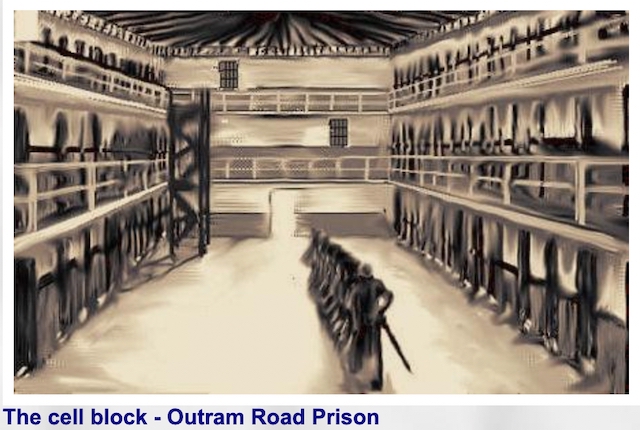
Please read further about Outram Road Gaol
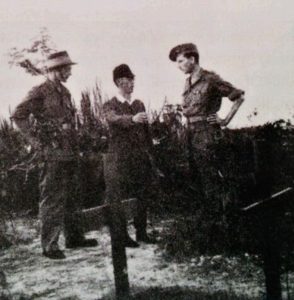


Outram Road Goal commandant, Colonel Mikizawa being questioned in an attempt establish the identity of victims buried off Reformatory Road


Right:  Mikizawa

Was on trial November and December 1946.
Crimes took place between 1 November 1943 and 15 August 1945:
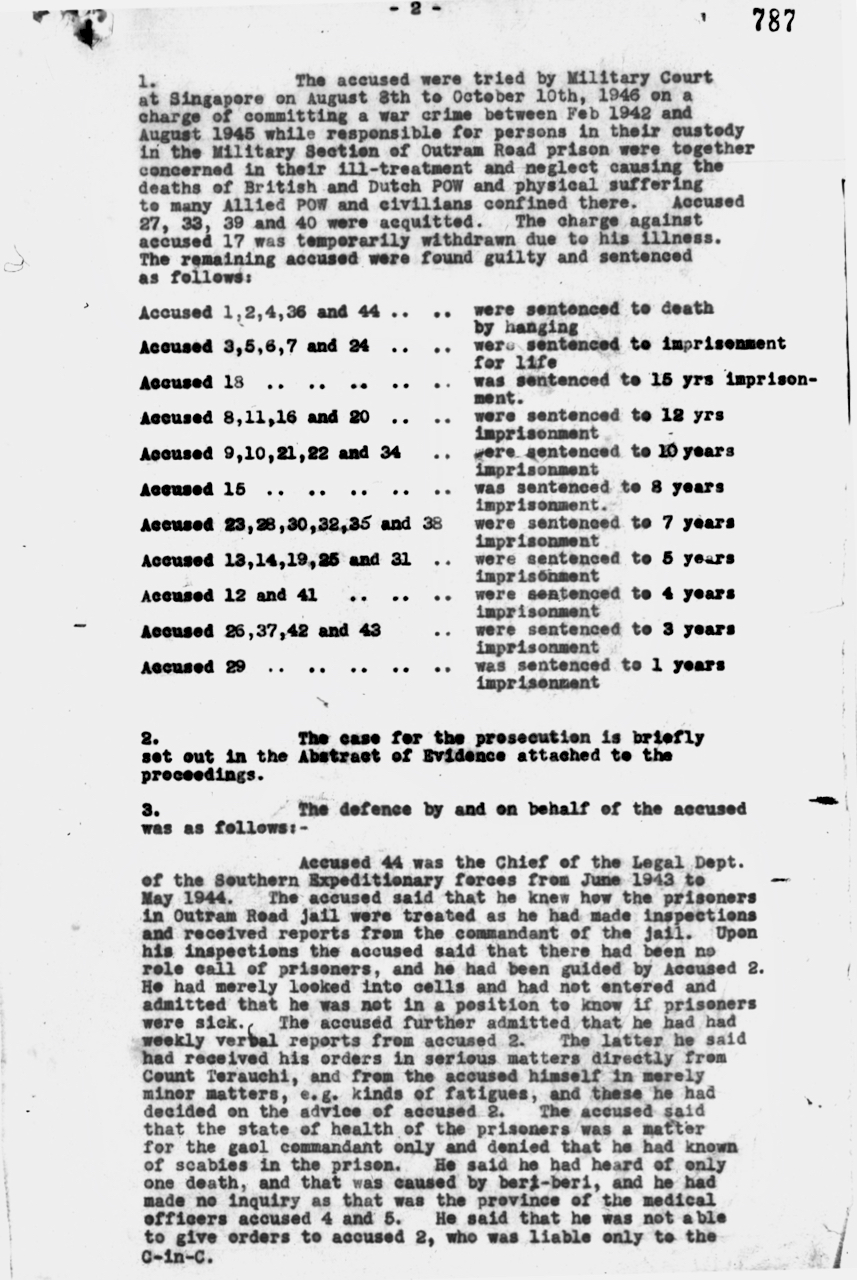
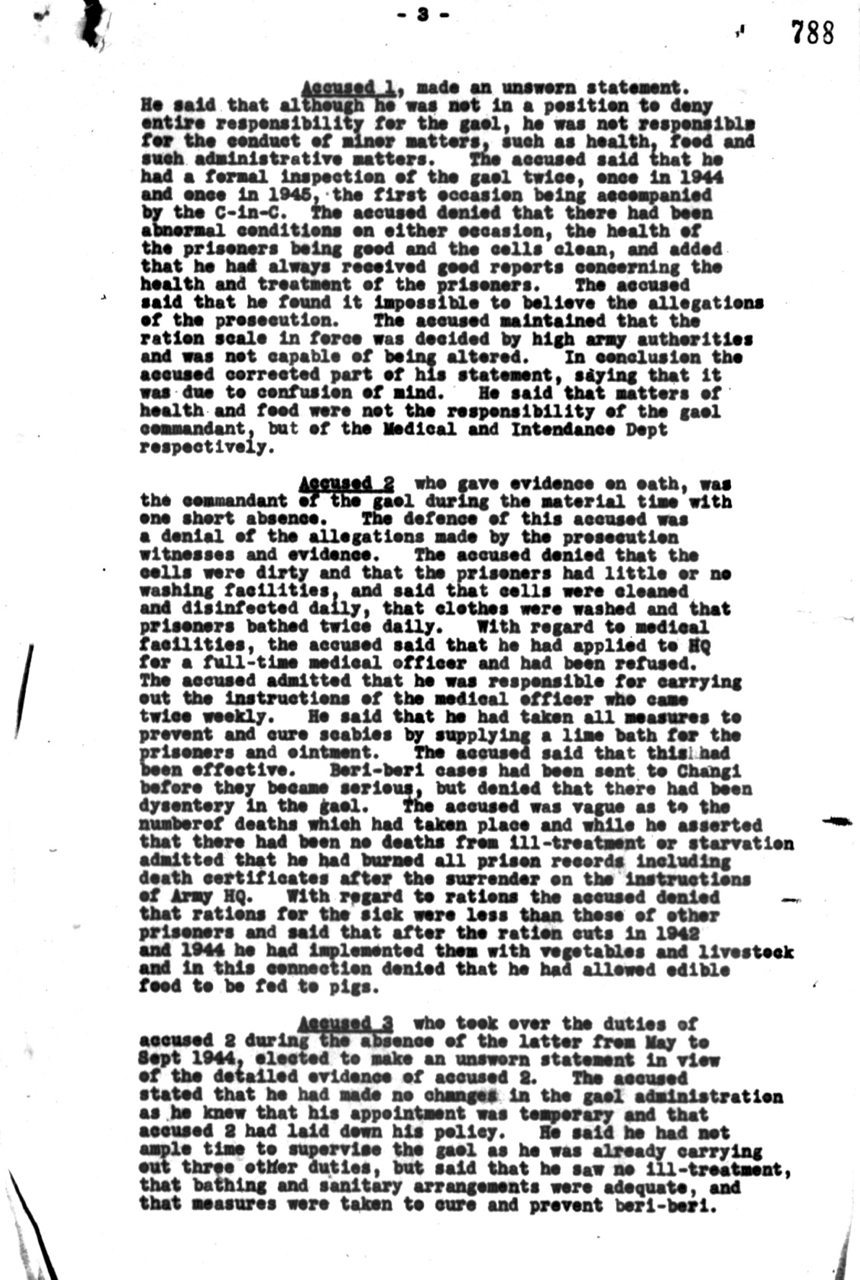
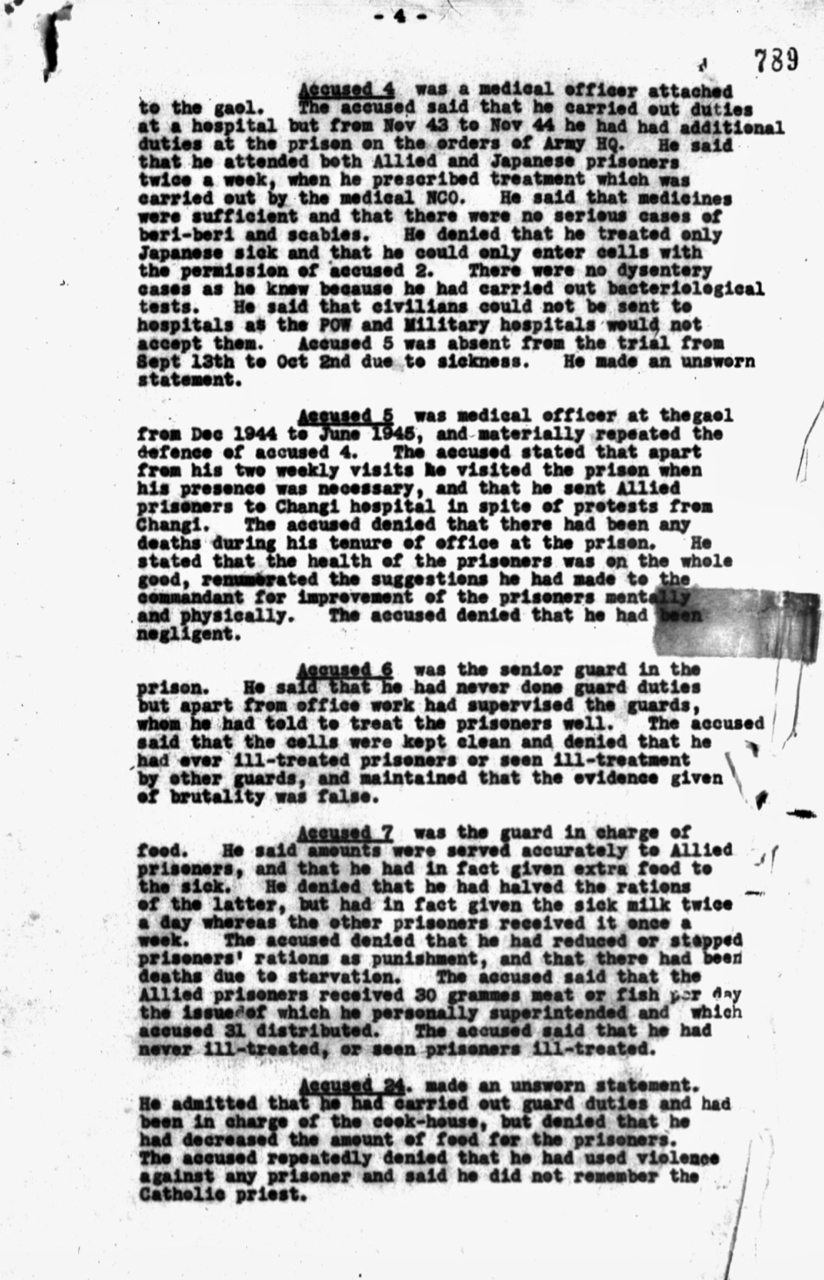
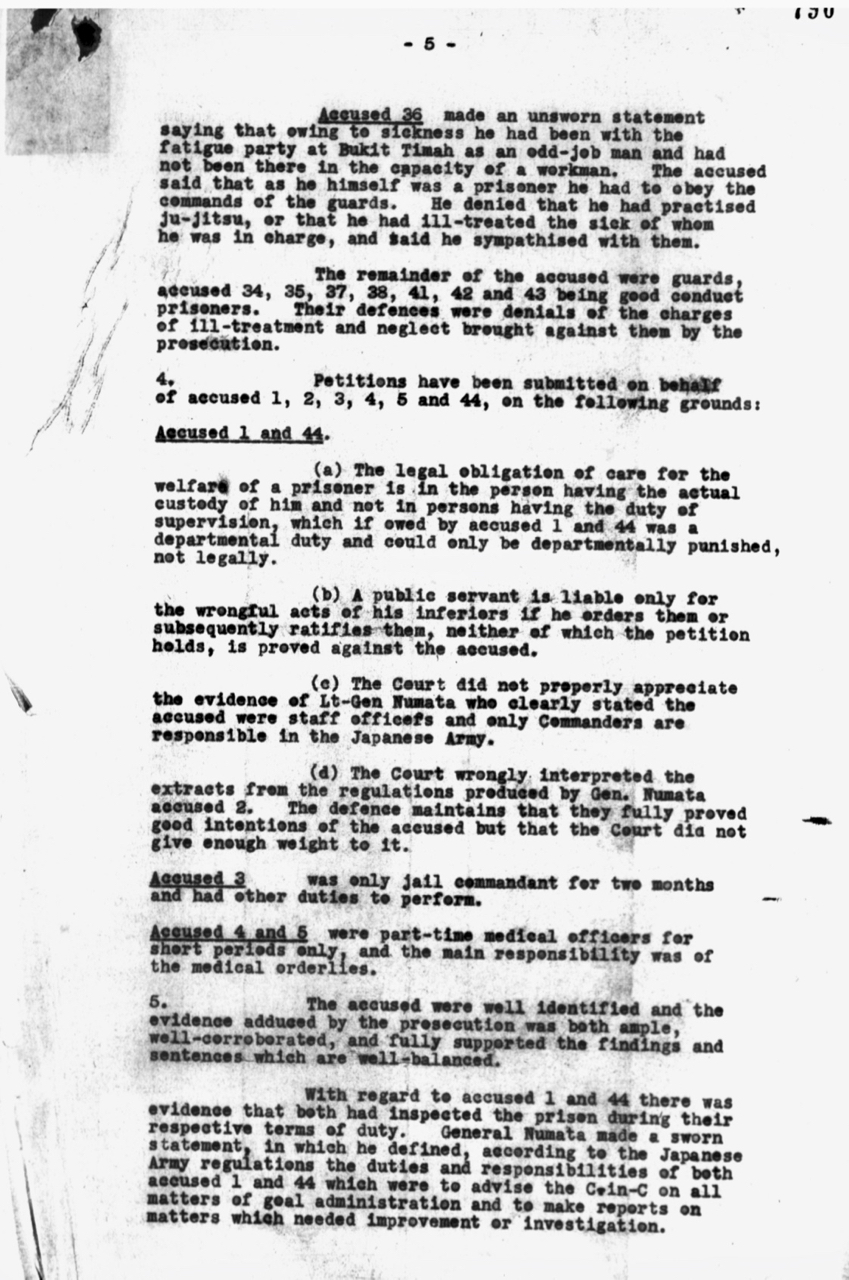
Koshiro Mikizawa, the first accused, was the Governor of the civil section of the Outram Road Prison. Takeshi Noda, the second accused, was the Administrative Officer of the same and was briefly second-in-command to Mikizawa. The accused were charged with being parties to the ill-treatment and neglect of prisoners, causing the death of about 1,000 prisoners and physical suffering to others. Inadequate food and medical attention were provided. There was overcrowding in the cells with inadequate blankets, bed-boards and sanitation. Prisoners were also sent out on fatigue duties without proper clothing or footwear. Warders subjected the prisoners to physical abuse, which the accused sometimes participated in.
Mikizawa, Koshiro. Civilian. Superintendant, Outram Civil Gaol. From Japan. Guilty. Life imprisonment. Sentence confirmed.
Noda, Takeshi. Civilian. Inspector, Outram Civil Gaol. From Japan. Guilty. 5 years’ imprisonment. Sentence confirmed.
The disparity in the sentences for the two defendants (life imprisonment for the first, imprisonment of five years for the second) can be accounted for by witnesses’ testimonies (from both the prosecution and defence) of good character.
The above information is from Singapore War Crimes Trialshttps://singaporewarcrimestrials.com/case-summaries/detail/091#case-anchor-prosecutors
‘During the Japanese Occupation, half of the prison was used to hold military prisoners or prisoners-of-war, while the other half was for civilian prisoners.  A total of 1,470 prisoners, mostly Chinese, died at the Outram Prison during the war – 141 were executed while the rest died of torture, starvation or diseases. Only 400 survived upon liberation in September 1945. Forty-three Japanese military men were tried for war crimes committed while they were in charge of the Outram Road jail.’

The above information is taken from https://eresources.nlb.gov.sg/infopedia/articles/SIP_1742_2010-12-17.html
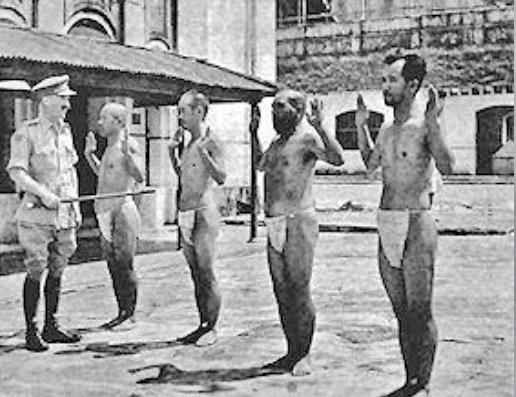
 

Above:  The grounds of Outram Road Gaol with Captain Francis.
Left to Right:  Major General Mastochi Saito (Malaya) Mikizawa (Outram Road) Tominago (Changi) Ogata, Inspector of Japanese Police.


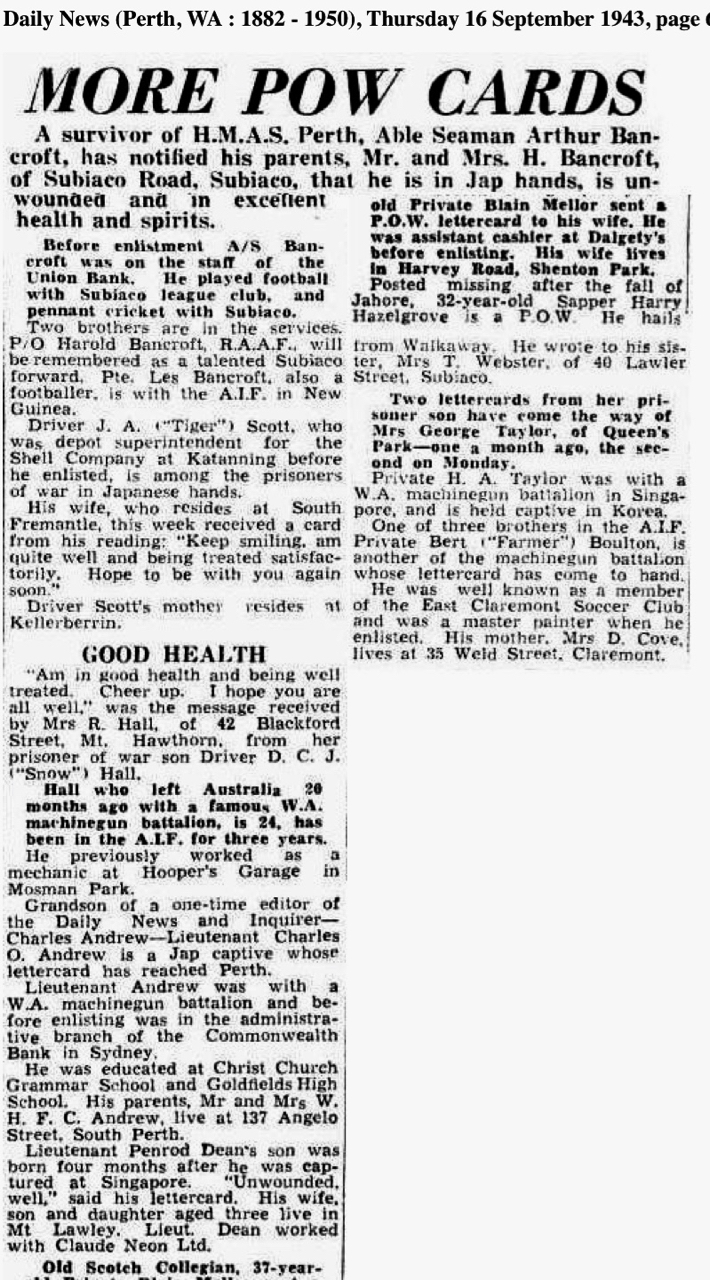
WX10370 Hall, WX6067 Dean, WX8441 Mellor, WX4986 Taylor, WX9764 Poulton – POW news during War


WX10370 Hall, Douglas ‘Snow’  died 21 May 1944 aged 25 years at AGH Roberts Barracks Changi having been transferred from Sime Road Camp suffering with septic thrombosis.  When the above message was sent he was with ‘H’ Force Thailand Group No. 3 working on the railway. ‘H’ Force returned to Singapore early 1944.


WX6067 Dean, Penrod Vance survived to return home.  He with John McGregor were sentenced to two years imprisonment at the notorious Outram Road Goal.

WX8441 Mellor, John ‘Blain’ survived working on Burma-Thai railway to return home.

WX4986 Taylor, John Alexander was sent to Korea with Japan ‘B’ Party.  He was recovered from Konan at the end of the war.

WX9764 Poulton, Bertram Frederick returned home from the war.  He worked on the Burma-Thai Railway with ‘D’ Force S Battalion at Konyu II.  He was selected as ‘fit’ to work in Japan on ‘Rashin Maru’ a horror 70 day journey from Singapore to Moji, Japan.  He was sent to work at Ohama Camp 9B and was recovered from there when the war ended.
Outram Road Gaol – McGregor WX12835 & Dean WX6067 & WX227 Stevens

McGregor WX12835 and Dean WX6067 were sentenced to 2 years to be served at Outram Gaol commencing 24 April 1942.
Their Crime – attempting to escape Singapore


WX227 Sgt Alfred ‘Alf’ Stevens
Sentenced to Outram Road Gaol at Kuching, for his role at Sandakan’s  ‘underground radio’  for 6 years arriving 11 March 1944.

Please read


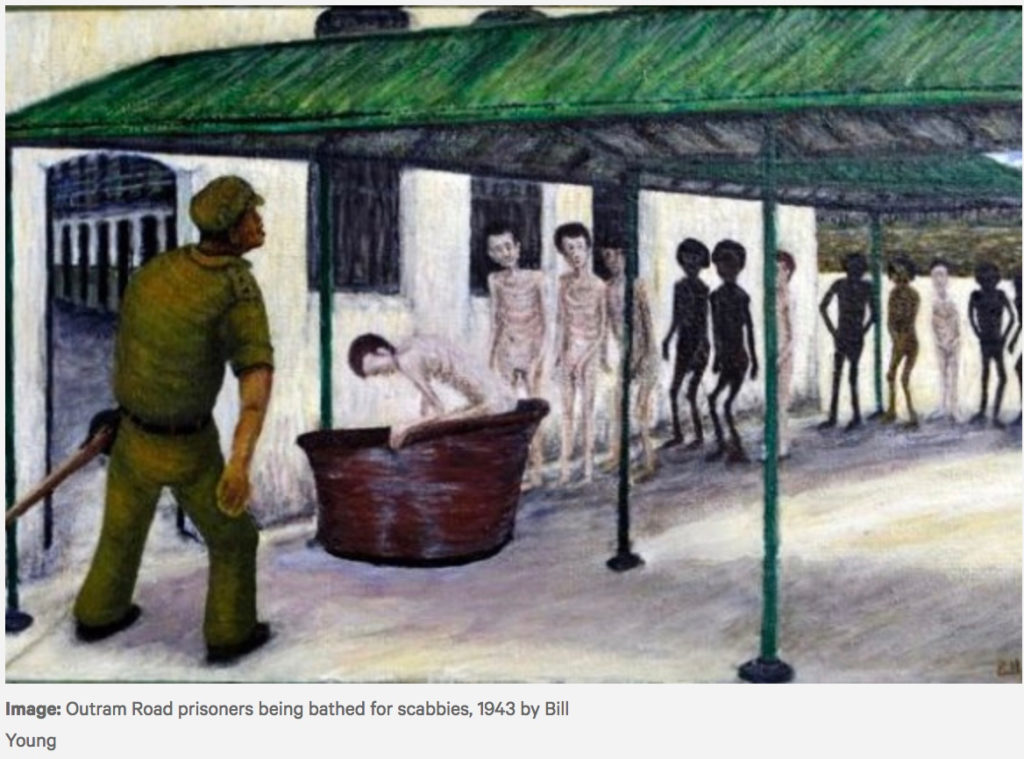
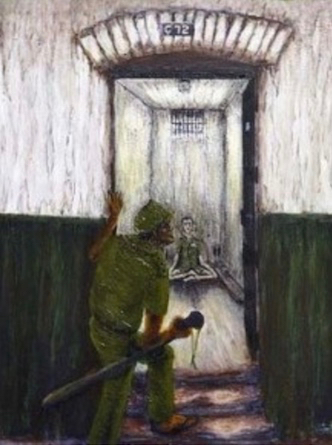
Throughout 1942 and 1943, Outram Road Gaol prisoners in solitary confinement, were absolutely forbidden to speak to anybody (John McGregor learnt morse code from his neighbour Chris Neilson – who was remarkably resilient and ‘tough’ Aussie POW who managed to regularly lift the spirits of prisoners. He also managed to antagonise his gaolers who retaliated by giving Neilson bashings.  Neilson claimed his actions broke the utter boredom of Outram Road solitary confinement.
Their cells were never cleaned, the buckets emptied infrequently and of course their food was minimal.  The inmates suffered inhumane conditions and starvation.
In 1944 this changed a little, and as shown above,  the prisoners were permitted to bath for scabies.   There were men so tormented by scabies they tore at their flesh, resulting in a painful death.
Bill Young’s self-portrait Outram
Outram Road Gaol was previously under the control of the Kempeitai but was handed over the the Japanese military as a military prison under the Southern Area Army and later, the 7th Area Army (date unknown).
Penrod Dean and John ‘Jack’ or ‘Mac’ McGregor were very fortunate to survive Outram – there must have been numerous days when they thought they would never live to walk through the gates.
McGregor lost his eyesight however when he was very ill, the Japanese, fearing his death, returned him to Changi Hospital for treatment for this and other illnesses (McGregor had 9 illnesses)  – after which he was returned to Gaol to complete his 2 year sentence. (This practice was the same for every in inmate – when they became critically ill, the Japanese would ‘shunt’ them back to Changi to recover before collecting them to return to Outram Gaol.)  Dean completed his two year sentence and returned to Changi from where he was recovered at the end of the war.
McGregor wrote about his experience ‘Blood on the Rising Sun‘ which was published by Bencoolen, printed in Hong Kong by Gareth Powell Limited 1980.  McGregor died soon after.
Dean in his 80’s wrote his book ‘Singapore Samurai‘ published in 2002 about his life as POW.
The above photos are from ABC ‘Changi Story, which we recommend you listen to
For further reading we recommend Tim Bowden’s ‘Stubborn Buggers’ The survivors of the infamous POW Gaol that made Changi look like heaven by Unwin and Unwin and first published 2014.  ISBN 978 1 74331 442 5
Tim Bowden having researched other prisoners from Outram Road Gaol raises questions about the various differences written by Dean.

Please read about McGregor

And Penrod Dean

Tim Bowden’s book ‘ Bravery Beyond Limits’ –  was released in April 2014 – for Anzac Day.  Bowden’s book took 30 years from start to completion.

Below:  John McGregor

Below:  Penrod Dean


WX227 Alfred ‘Alf’ Stevens was arrested at Sandakan by the Kempeitai for his involvement in the secret radio at Sandakan prison.  Stevens was sentenced at Kuching  and sentenced to 6 years solitary confinement Outram Road Prison, Singapore. He was the third man from 2/4th to spend time at this hell-hole.

You can read further about Alf Stevens

Below:  Alf Stevens


You can listen to a recording of Chris Neilson’s interview with Bowden

Please read Affidavit prepared for war trials.
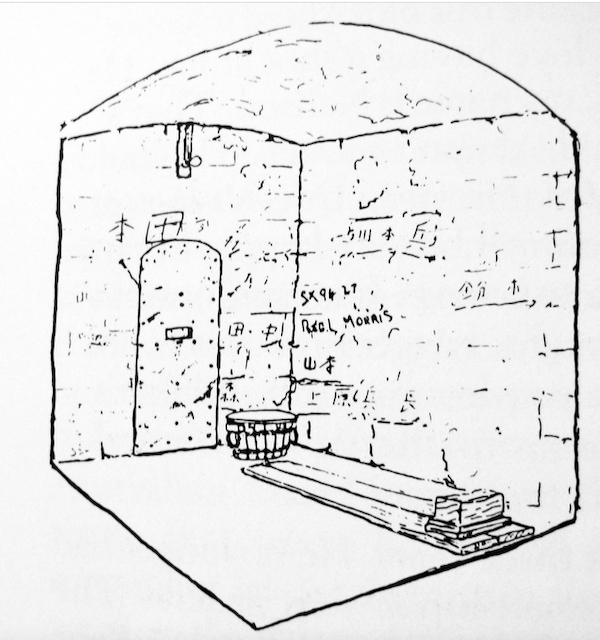
We wish to acknowledge this pictures are from Tim Bowden’s Stubborn Buggers.
https://www.timbowden.com.au/2014/03/06/stubborn-buggers-the-survivors-of-the-infamous-pow-gaol-that-made-changi-look-like-heaven/


Please read further

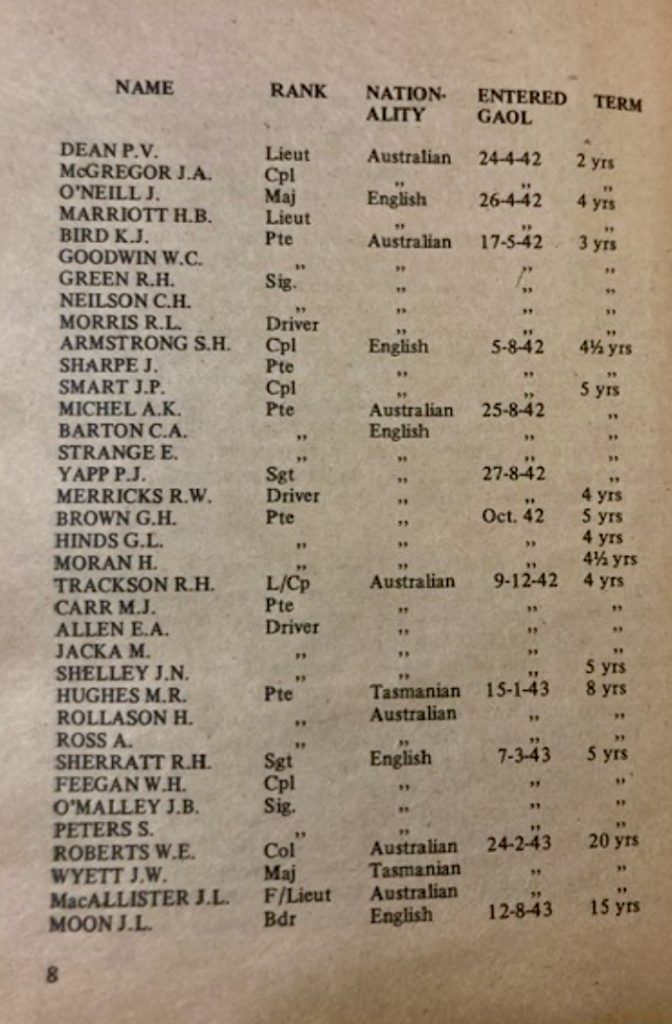
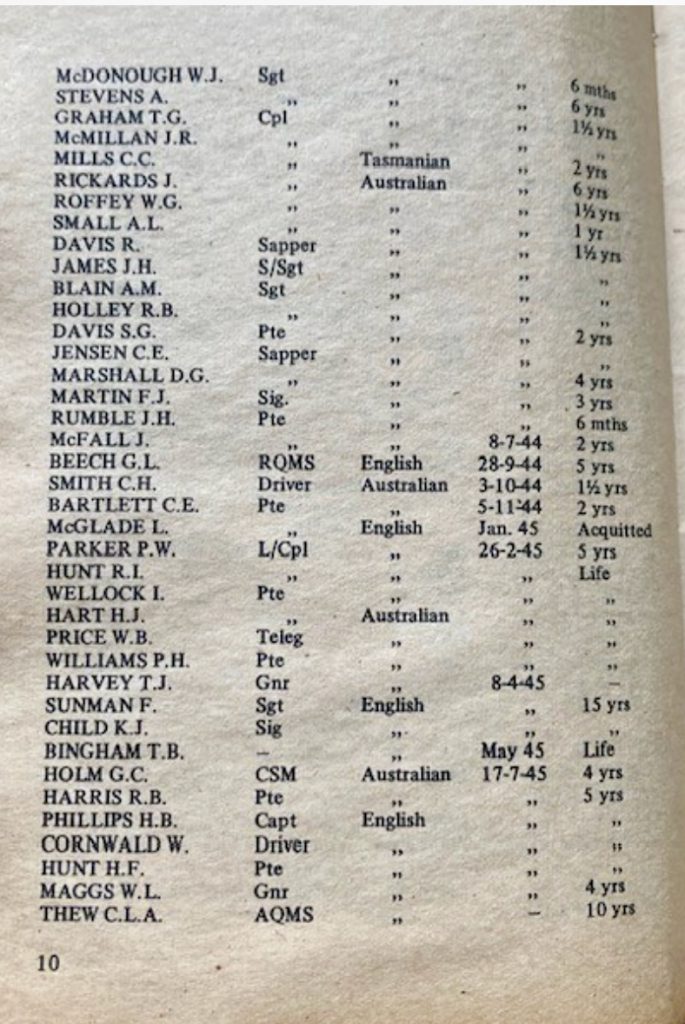
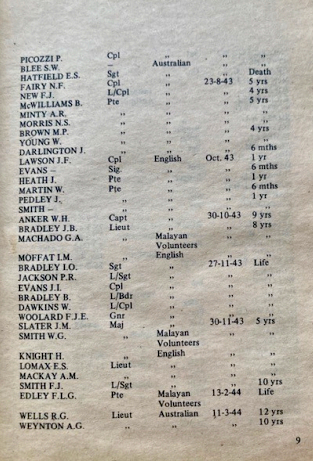
The following lists of Australian POWs incarcerated at Outram Road Gaol are taken from John McGregor’s book ‘Blood on the Rising Sun’


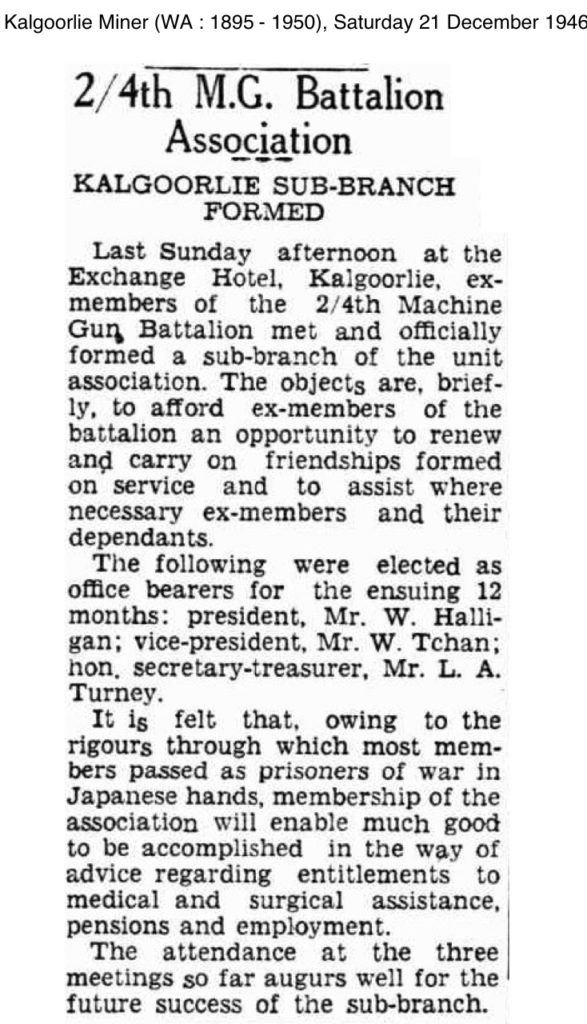
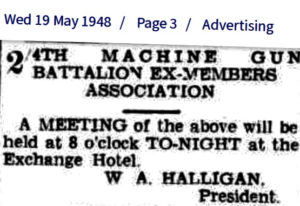
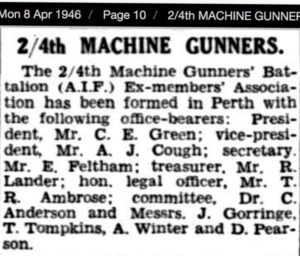
2/4th Kalgoorlie Assoc. 1946


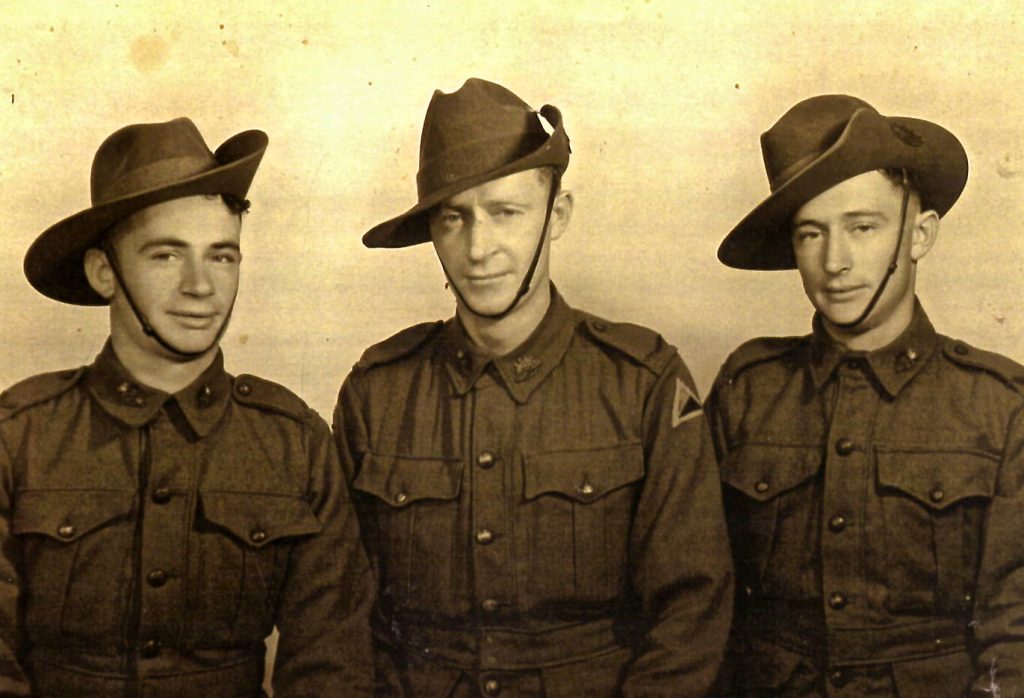
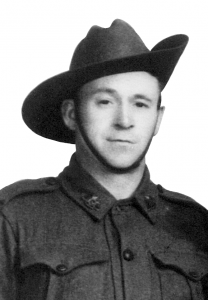
Halligan Brothers – L-R Bill, Jim KIA Crete and Jack


Above:  Left Jack Halligan.


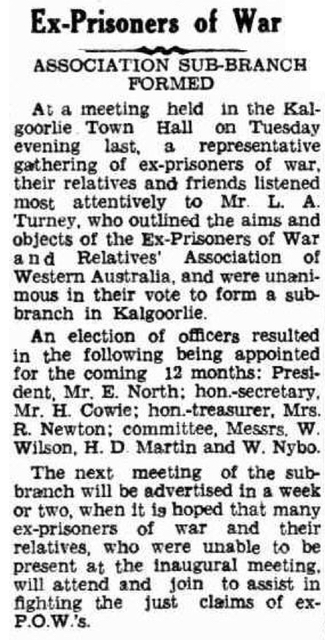
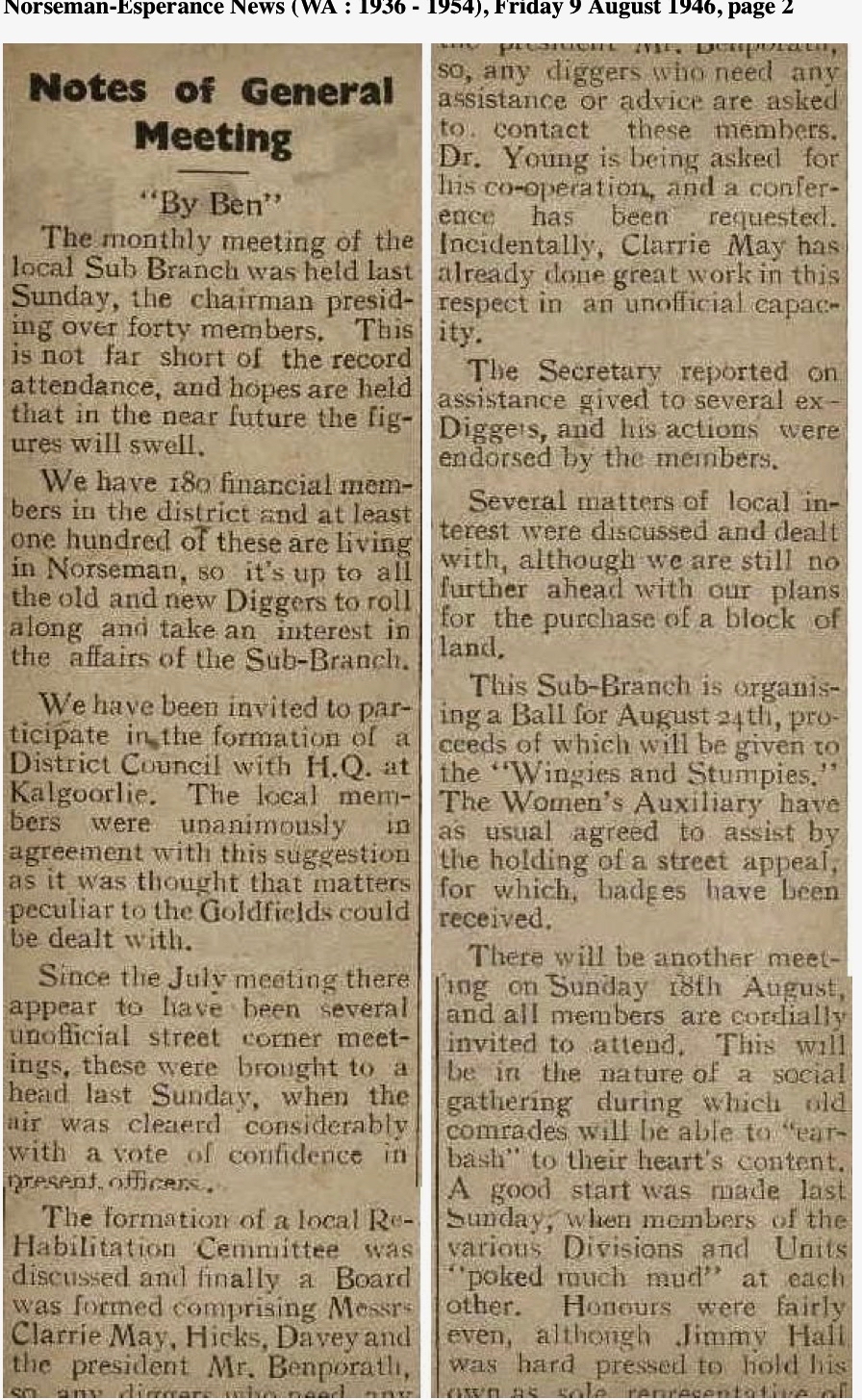
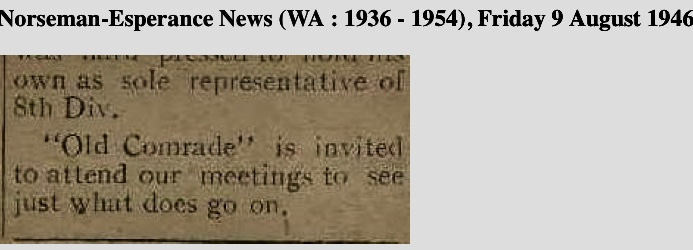
Below:  This RSL news update August 1946, mentions Jimmy Hall being the only representative at their meeting.
Perhaps Jimmy Hall joined the above 2/4th group.


 Jimmy Hall

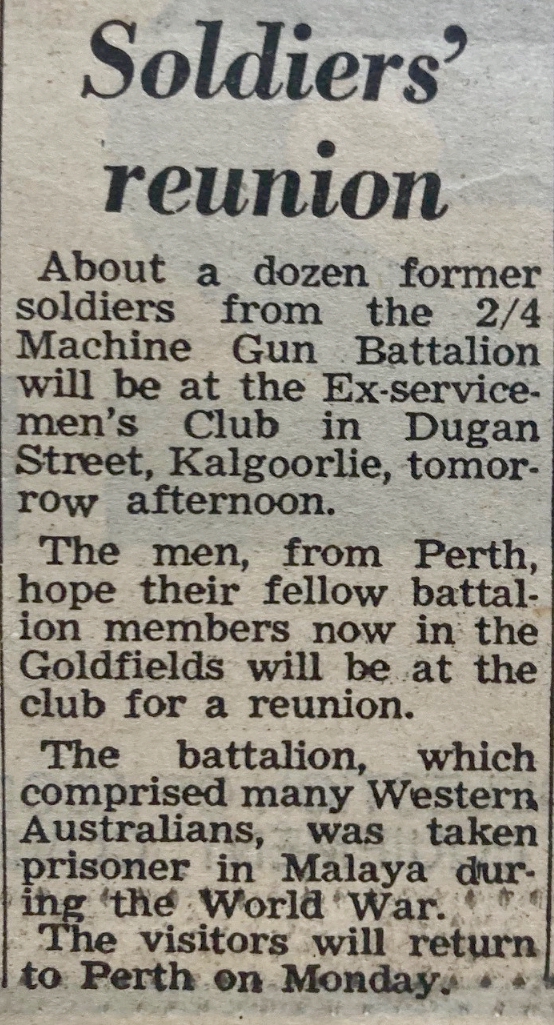
Below from Ron Badock Collection:  printed in West Australian 4 August 1984.  No doubt Ron, and old Kal Boy himself would have been in attendance.