
Archives: Stories
Headquarters Company No. 2 Platoon Anti Aircraft
Headquarters Company (Later No. 2 Platoon Anti Aircraft)
L-R Standing: R Lyle, H Scadden, F Annesley, H Harrison, Sgt Innes, Lt Royce, Cpl Phllips, Cpl C V Smith
L-R Seated: G Hayes, T Jones, Wilkinson, J Murphy, D Todd, J. Jones, Cpl J M McGinty, J Isaacs, J Tucker, B Thackrah. J Stevens ? Unknown.
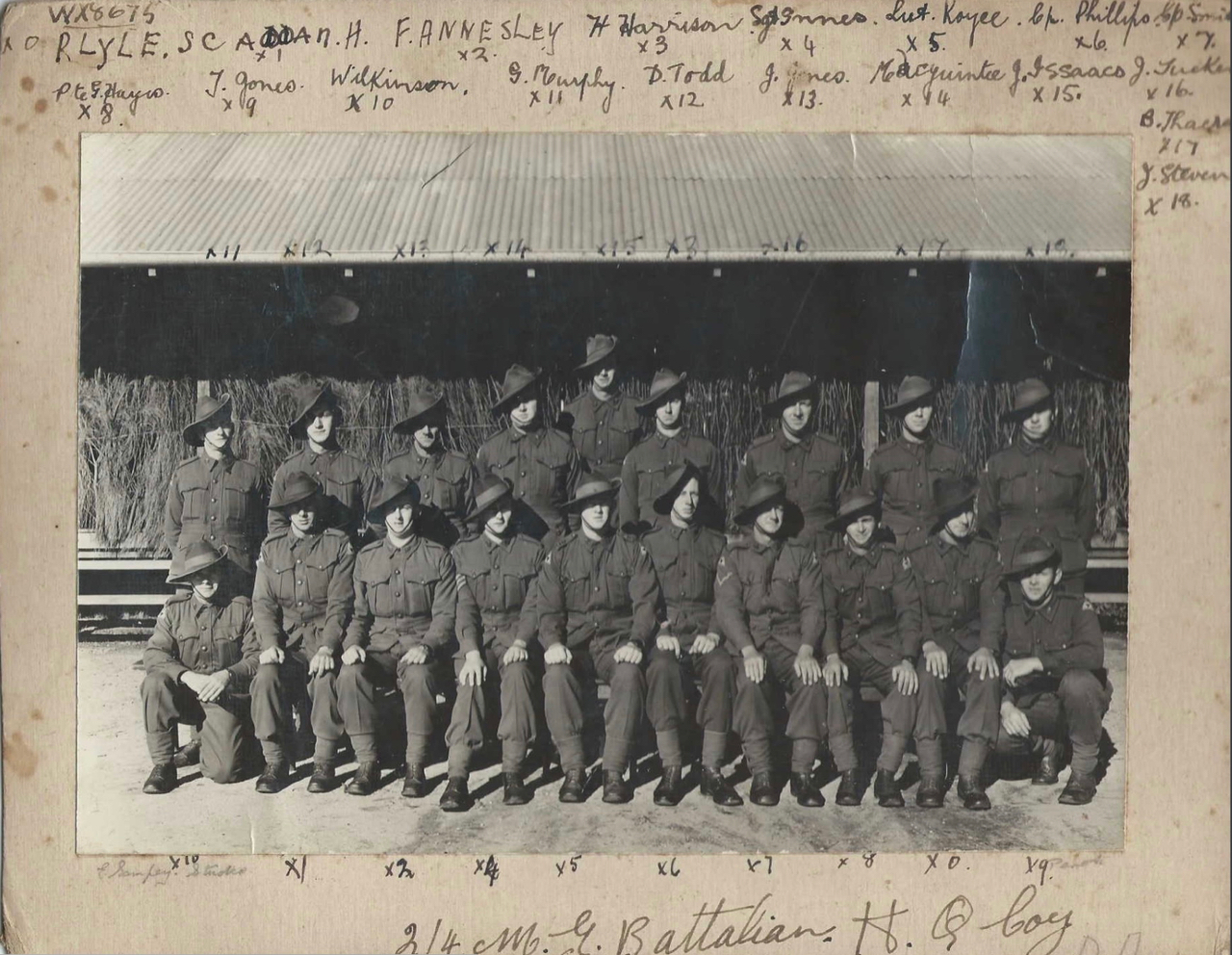
The names below are recorded as listed above and across L-R and are not in the order of standing and sitting. Believed to be an early photograph of the Battalion – some men were no longer in 2/4th, some were moved to other Companies or Platoons.
WX8675 LYLE, Robert Russell – WIA Ulu Pandan 10 Feb 1942 – GSW through arm which exited through his back. Bayonet wound to stomach. Remained Singapore throughout war. RTA
WX7617 SCADDEN, Harry Wright – Green Force Burma. D. Tamarkan Hospital 22 Apr 1944 cerebral malaria aged 29 years.
WX7905 ANNESLEY, Frederick John – Blackforce’ Java: ‘A’ Force Burma Java Party No. 4 Williams Force; ‘Rakuyo’ Maru – lost at sea 12 Sep 1944 – Aged 28years.
WX8733 HARRISON, ‘Harry’ Henry Ralph – D Force Thailand V Battalion d. Kuii 15 Sep 1943 malaria aged 27 years.
WX9552 INNES, William (Bill) Sgt – KIA GSW to chest Hill 200 Ulu Pandan aged 22 years.
WX9383 ROYCE, Lt. John Douglas – became Commanding Officer No. 2 Platoon, Anti-Aircraft. DOW Hill 200, Ulu Pandan 12 Feb 1942.
WX10389 PHILLIPS, Cecil Allen Lance Sgt – KIA Ulu Pandan, Reformatory Road 12 Feb 1942 aged 23 years.
WX7904 SMITH, Clifford Vaughan Sgt – ‘F’ Force Thailand. Kami Sonkurai 22 Oct 1943 aged 38 years.
WX8408 HAYES, Albert George – ‘Blackforce’ Java: ‘A’ Force Burma Java Party No. 4 Williams Force; ‘Rakuyo’ Maru – lost at sea 12 Sep 1944 aged 33 years.
WX7453 JONES, Edgar Cheetham – ‘Blackforce’ Java; d. 6 Jul 1942 Bicycle Camp Hospital Batavia bacillary dysentery aged 40 years.
WX10049 WILKINSON, Mervyn Wilfred, Signaller – ‘Blackforce’ attached 2/2nd Pioneer Battalion; ‘A’ Force Burma, Java Party No. 5A. Robertson Force; later Williams Force. RTA
WX7426 MURPHY, John ‘Jack’ Patrick – ‘D’ Force Thailand, V Battalion d. cholera Kuii 30 Nov 1943 aged 27 years.
WX7470 TODD, Richard Lloyd – KIA Reformatory Road, Ulu Pandan 12 Feb 1942 aged 25 years.
WX7510 JONES, Alfred James – (believed to be ?- enlisted Aug 1940 – possibly moved to ‘D’ Coy) ‘Wales’ Maru Party to Japan. Recovered from Japan. RTA
WX7436 MCGINTY Joseph Michael Cpl. (Promoted 14 Feb 1942) – ‘F Force Thailand. RTA
WX7889 ISAAC, John – Green Force Burma. RTA
WX8357 TUCKER, Wiliam John ‘Jack’ – Green Force Burma, Rakuyo Maru Party; lost at sea 12 Sept 1944 aged 38 years.
WX8699 THACKRAH, Cyril Bernard Corporal (Promoted 14 Feb 1942) – ‘F’ Force Thailand; d. 19 Sept 1943 Tanbaya Hospital Camp, Burma dysentery & malaria aged 40 years.
J.STEPHENS Unknown
6 Returned to Australia
12 died
1 Unknown – no longer in 2/4th.
Agony of PoW’s Nov 11 1997
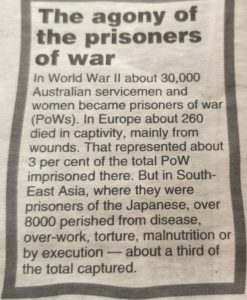
The West Australian 11 Nov 1997
ANZAC DAY 2020
Corona Changed the World & our Anzac Day 2020
Memories of this year, 2020.


Patricia Bell,
2/4th Family Member sent
‘Poppy Pledge’

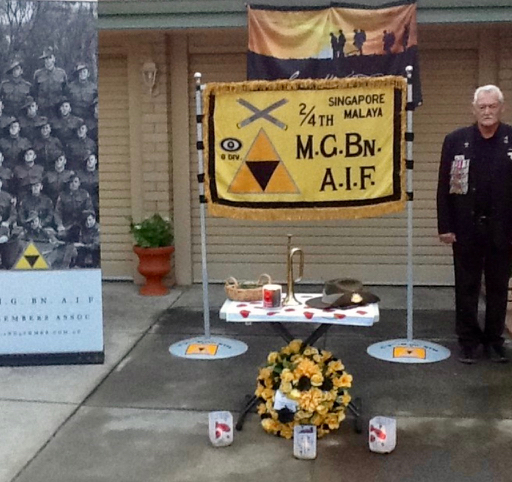
Above: 2/4th MGB President, Bernie Dorizzi at home for Dawn Service
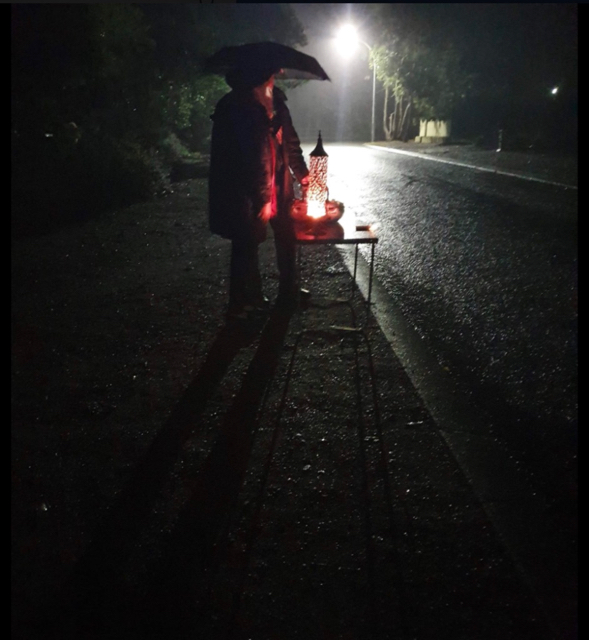
Above: Merrin Cornish, 2/4th Family Member, braves the rain!

We learn WX9398 Bernie O’Sullivan’s Medals have been stolen from his son’s home.

Bernie O’Sullivan giving address at Commemorative Service for Sandakan Boyup Brook Memorial.

Dave Scott is awarded ‘Bugle Man is RSL 2020 Anzac of Year’
Our congratulations to Dave.
Your Award is well deserved.
WX13752 Harry Lucas, he is one of 21 former Fairbridge Farm School students who joined 2/4th. 10 survived to return home to WA. (King died Korea 1950)
If you have photos to share, please send to 2nd4thmgb@gmail.com
‘D’ Company No. 15 Platoon
‘D’ Company No. 15 Platoon:
CO was Lt. Micklejohn, Platoon Sgt: Sgt Solly
2/4th Btn’s 15 Platoon with total of 37 men was to support 22nd Brigade’s 2/18th Battalion under Commanding Officer Lt. Col Varley. Like the 2/4th, the 2/18th had trained to fight in the M.E. Instead 793 troops sailed on the ‘Queen Mary’ from Sydney to Singapore in 1941.
The 2/18th Battalion assumed garrison duties in Malaya in February 1941 and for ten months in continuous training – with an emphasis on jungle warfare – until the outbreak of war with Japan on 8 December.
2/18th was formed by 4 Rifle Companies A, B, C, D and HQ. They now numbered 900 troops with reinforcements (who had arrived on Aquitania with 2/4th. With their inexperience and the fast moving Japanese front line, they were more of a hindrance during this battle
In the nine days of its total fighting history, the 2/18th lost 225 men killed, with over 400 wounded. These losses, while the lightest sustained by the Division’s 22nd Brigade in the Malayan Campaign, were greater than that of any other Australian unit in a single campaign during World War Two.
With a strength of about 20,000, Australia’s 8th Division consisted of three infantry Brigades (22, 23 and 27), supplemented by artillery, anti-tank, machine-gun and engineering units, as well as signals, transport and other logistical support units.
Just a few days earlier a very antiquated Vickers Gun had been discovered on Singapore, and the 2/4th decided to create a further Platoon. It would be 16 Platoon, made up of soldiers from ‘D’ Coy’s existing Platoons.
** 7 Men transf from 15 Platoon on 7 Feb 1942 to create No. 16 Platoon.
37 Men of 15 Platoon D Company prepared for the Japanese invasion with 2/18th on north west coast of Singapore.
** (Moir had been hospitalised with Malaria 2 Feb 1942).
Troops engaged in heavy fighting for 20 hours before being overrun by the enemy.
11 MEN WERE KIA or DOW 8th & 9th Feb.
Including Commanding Officer: WX93903 Lt. J T Meiklejohn

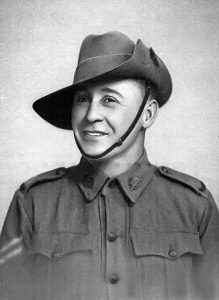
& No. 2 I/C Platoon Sgt: WX7127 Sgt John F. Solly was also KIA
with 7 others, trying to get out of the west coast having been overrun by Japanese and running out of ammo.
Inc Barrass WIA then DOW
Incl 2 men (Thorpe & Bob Whitford) KIA 15 Feb Buona Vista
** 12 MEN WOUNDED 8th, 9th Feb
3 men Shell Shocked at Ulu Pandan 11 Feb
1 man WIA Buona Vista15 Feb
Bluey Semple and Richard Annear escaped to Sumatra
Leadbitter captured on coast – taken to Changi on 15th
7 able & fit men marched to Changi Prison
AWOL Fremantle, Four men Taken to Java:
WX5336 J.L. Murdoch, WX7600 G.R. Bousfield WX15736 R. Hansen and WX16417 S. Ninyette
WX15905 Edward George Moir sent hospital 2 Feb with Malaria, returned unit 8 March. **
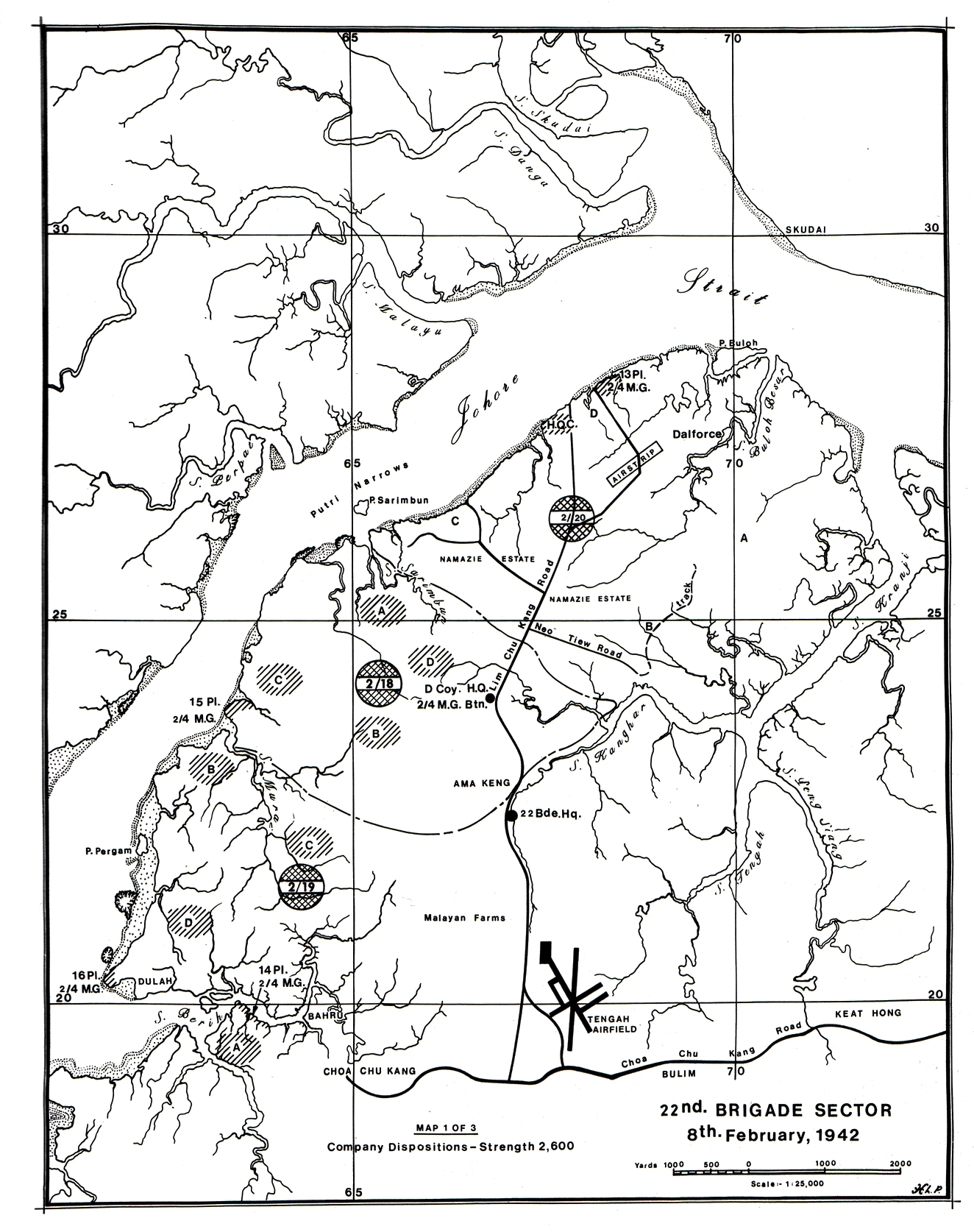
Following information from Les Cody’s ‘Ghosts in Khaki’ – The Battle
15 Platoon was sited in two sections at the end of a narrow peninsula dividing the river mouth from an inlet from the north. Both sections were located close to the water’s edge to get best field of fire.
Of the more southern section of guns, Lt Meiklejohn opened fire at about 2045 against six enemy barges.
On 8th Feb about 6.30am 2 or 3 ranging shots fell in our area destroying an artillery piece and its crew and made a mess of Cpl Kemp’s Bren gun. Then the full barrage came over down the beach. The 16th Platoon was then subjected to unrelenting artillery barrages and aerial bombing – with Japanese artillery appearing to be concentrating on the coconut plantation behind the men leaving the tops of the coconut palms destroyed. Whilst there were no shrapnel casualties – the men endured varying levels of temporary shell shock – by Cpl Eddie Kemp, 15 Platoon.
On 8th Feb 14 and 16 Platoons were heavily attacked from the air. Bombing and strafing continued during the day. Apart from some earlier casualties, the MG Platoons survived remarkably well hidden away in their dug-outs. The men were dazed and there was enormous relief when the barrage lifted at about 8pm. The men were able to snap into action when the landings began.
From Cpl Les Pitts, 15 Platoon…
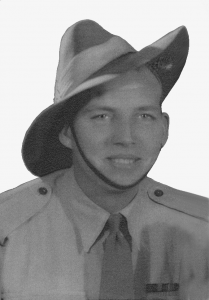
‘During the evening we were taking turns at keeping watch. At about 8pm the other gun in my section on my left opening fire – I think Snow Tapper was No. 1. As Rangetaker, Pitts had given the guns Fixed Lines of fire to operate if we were called upon. I opened fire although couldn’t see anything. Two guns of the other section on the other side of the creek, on our right also opened up on my Fixed Lines of Fire about 1090 yards from shore.
Pitts learned later the gun crew to his left had seen a boatload of Japs looking for somewhere to land and let them have it.
With all our guns were firing there was a hell of a racket out on the water. We could see the bloody Straits full of Japs.
By this time flares were going up everywhere and all guns were firing. Eddie Kemp was handling the ammunition belts for me until some time later Lt Meiklejohn took over from him.
About 11pm we were getting low on ammo so Eddie and I went back about 1/4 mile where we had a few boxes of belts stacked away. Picked up all we could carry and started back to our guns. We ran into a bunch of Japs – who appeared dazed standing around in a huddle. They hadn’t seen us and we avoided them easily’.
The enemy soon got across the small peninsula on which the guns were cited and whilst our gun posts were heavily attacked with hand grenades the enemy seemed not to press home the attack. The guns of the section had been firing for more two hours and continued in action until 1.30am by which time each gun had expended about 40 belts of ammunition.
The gun section further north under Sgt Gardiner had also been busy using only 5 belts less than us and been subjected to grenade attack from close range. This section remained in action until 0100 hours the next morning when informed 15 Platoon (with ‘C’ Coy 2/18th) was almost surrounded and about to withdraw.
Please go to last section to complete their withdrawal Contd……….
Commanding Officer: 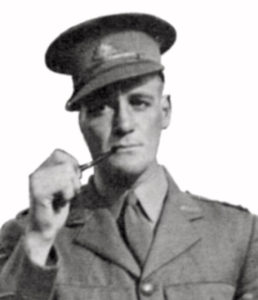
WX93903 Lt. J T Meiklejohn – believed KIA 8 Feb 1942 West Coast Singapore. Wounded in chest. Last seen firing his revolver whilst fighting his way out from coast in company of several men from 15 Platoon, including Solly and John MacDonald.
Please read about Singapore Tours reference to Lt Meiklejohn at Singapore
Platoon Sergeant: WX7127 Sgt John F. Solly
KIA Tanjong Murai 9 Feb 1942 Tanjong Murai aged 41 years.
Sergeants:
WX10925 Sgt Peter Alan Gardiner – Wounded in action 8 Feb, spent 3 days behind enemy lines before being evacuated to hospital. NCO rejoined unit in the line at Holland Village Cemetery, Buona Vista on 15 Feb 1942. Worked on Burma Thai Railway with ‘D’ Force V Battalion. Recovered from Thailand.
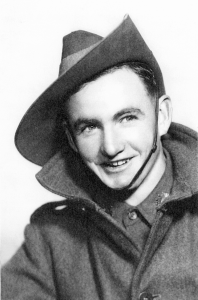
WX9325 Sgt John Ernest Tregenza died 2 Sept 1943 illness Brankassi Camp Burma-Thai Railway aged 28 years.
Corporals:
WX7998 Cpl Philip Arthur Giese – (25) Wounded in action Ulu Pandan admitted to 2/10th AGH with shrapnel wound to right leg. Discharged to Unit 23 Feb 1942. Left Singapore with ‘D’ Force Thailand , V Battalion. He died 18 Sep 1943 dysentery Brankassi, Burma-Thai Railway.
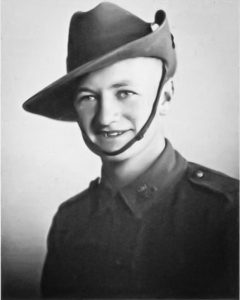
WX7624 Cpl Edgar Charles ‘Eddy’ Kemp – Wounded in action 10 Feb 1942 fighting his way out from west coast Singapore. Received shrapnel wound bicep of left arm. Worked on Burma Thai Railway with D Force S Battalion. Recovered from Thailand at end of war.
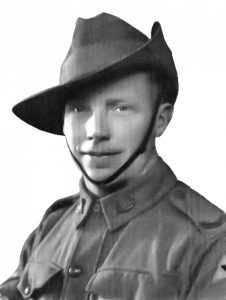
WX7715 Clifford Joseph Spackman – wounded in action 0300 hrs 9 Feb 1942 admitted 2/13th AGH on 10 Feb 142 with shrapnel wounds to left thigh and right leg. Discharged to Unit 22 Feb 1942. Admitted 24 April 1942 with infected shell wound to right leg. Discharged to Unit 27 Sept 1942. Worked on Burma-Thai Railway with ‘D’ Force Thailand V Battalion. Recovered from Thailand at end of war.
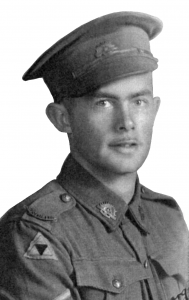
WX7499 A/Cpl Ralph Thomas Williams – shell shocked at Ulu Pandan 12 Feb 1942. Williams worked on Burma Thai Railway with ‘D Force S Battalion. Recovered from Thailand at the end of war.
PRIVATES:
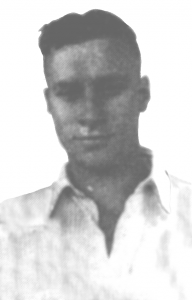
WX13457 Dudley Athelstan Annear

Transferred to 16 Platoon. He was attempting to escape with several others of the Platoon who had been trapped behind Japanese lines. He was 31.
DOW 14 Feb 1942 Johore Straits, during an escape attempt with Bluey Semple and Billy Bell. Bill Bell also died.
He was mates with Blue Semple and Cliff Webb. Blue Semple escaped to Sumatra where several weeks later he was captured by the Japanese along with a number of Australians who had also escaped Singapore.
WX7717 L/Cpl Frank Armstrong – Wounded in action North Lim Chu Kang Rd, west coast Singapore 9 Feb 1942. Admitted 2/10th AGH with GSW right arm. Discharged Unit 22 Feb 1942. died 30 Jul 1942 duodenal ulcer Sandakan with ‘B’ Force Borneo.

WX7796 Joseph John Samuel BARRASS –Transferred to 16 Platoon. Party scattered under heavy fire . Last seen Wed 11 Feb 1942 by William Gibbs WX8958. Aged 29 DOW 11 Feb 1942 Tanjong Murai.
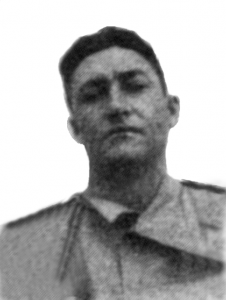
WX9589 Frederick Markwell BARRYMOORE – Driver (35) was wounded 9 Feb 45 made his way to General Base Depot, transf to AGH with shrapnel wounds to left arm and chest. Discharged 21 Feb 42. ‘D’ Force Thailand, died Malaria Non Pladuk Hospital Camp, Burma Thai Railway.

WX7636 William John (Bill) Beer – (28) died illness 16 Jun 1945 Sandakan, with ‘E’ Force Borneo.
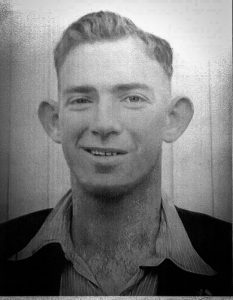
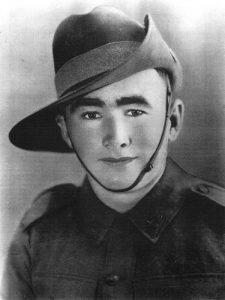
WX9063 Albert James Bell (Bill) –
(22) killed by mortar fire during escape bid, was with with Annear, Slim Pitts at Johore Straits. Had been reported missing from 9 Feb 1942 – several men were left behind Japanese lines following the invasion. At that time, Semple was with the group.
WX7308 Leslie Andrew Blair – Wounded in action Lim Chu Kang Rd 0300 hours 9 Feb 1942 with GSW to left leg. Discharged Unit 22 Feb 1942. Sent to work Burma end of Railway with ‘A’ Force, Green Force No. 3 Battalion. He was recovered from Thailand.
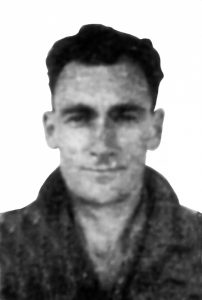
WX7600 George Reginald Bousfield – AWOL when ‘Aquitania’ sailed from Fremantle two weeks later, landed Java with 87 other 2/4th & captured in March. Worked Burma end of Thai Burma Railway with ‘A’ Force Burma, Java Party No. 4 Williams Force. Recovered from Thailand at end of war.
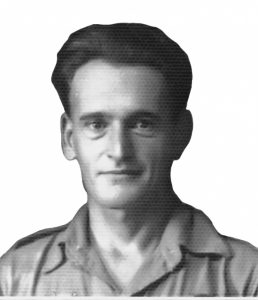
WX7253 Walter Vernon Bow – Transf from HQ Company. Wounded in action Buona Vista 15 Feb 1942 shrapnel wounds to left and right buttocks. Discharged 22 Feb 1942. Bow left Singapore with ‘D’ Force Thailand V Battalion which endured horrific lost of loss due to illnesses. He survived and was recovered from Thailand at the end of war.

WX10390 William Andrew Dwyer –Admitted 2/10th AGH 12 Feb 1942 badly shell shocked & suffering nervous exhaustion. Aged 24 years. ‘D’ Force Thailand died 22 Aug 1943 Brankassi Malaria & Dysentery Burma-Thai Railway.
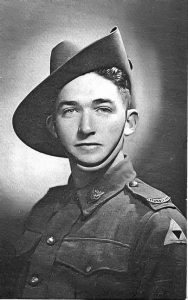
WX7999 R.P. Ferguson – Transf from HQ Company. Shell shocked at Ulu Pandan and evacuated 12 Feb 1942. ‘B’ Force Borneo, died illness 23 Mar 1945 Ranau.
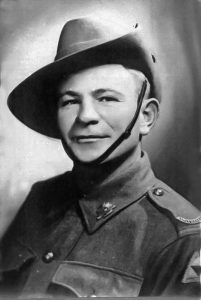
WX6506 J.E. Fraser – wounded in action 8 Feb 1942 suffering exhaustion and bayonet wound to left hand. Discharged Unit 8 Mar 1942.
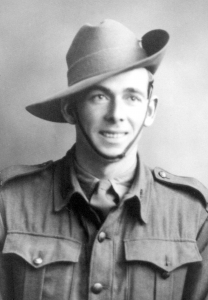
WX7745 HARRISON Bernard George -Transf to 16 Platoon. Made he way out of Singapore against AIF orders before Fall.

WX7029 HILL E T – Tranf to 16 Platoon

WX9286 HOLMES Charlie – Transf to 16 Platoon
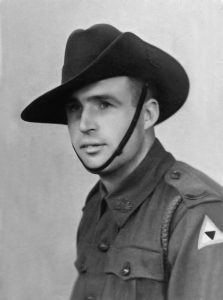
WX8435 Edward Jonathon Leadbitter – (24) Was captured by Japanese west coast of Singapore, escaped and rejoined Unit after surrender. Went with ‘D’ Force Thailand V Battalion to Burma-Thai Railway. He was badly beaten by sadistic guards when he was ill. Died 10 Oct 1943 cholera Kuii, Thailand.
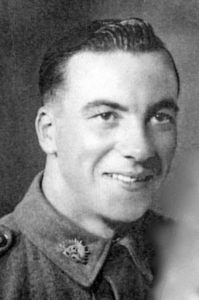
WX224 John MacDonald – (29) Missing believed KIA 9 Feb 1942 near Ama Keng Village, West Coast Singapore.

WX6203 Jimmy McSkene – sent with ‘H’ Force to Burma-Thai Railway during 1943. ‘H’ Force returned to Singapore at the end of 1943. He was recovered from Changi Gaol. See Bob Whitford.

WX11629 Keith Bedford Mitchell – wounded in action 0400 hrs 9 Feb 1942 GSW to left hand. Discharged unit 16 Feb 1942.

WX9337 Moir, Andrew Donald – Believed to have been KIA night of 8 Feb 1942 by mortar fire. Last seen with his vehicle.
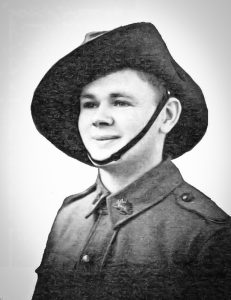
WX5336 James Lewis Murdoch – AWOL Fremantle, ‘Blackforce’ Java, Java Party No. 4, Williams Force. Recovered from Thailand.
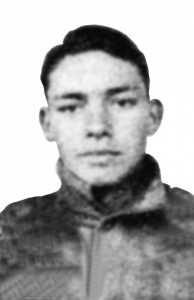
WX9287 John Robert Osborne – (28) “F” Force Thailand died illness 27 Sep 1943 Kami Sonkurai, Burma-Thai Railway.
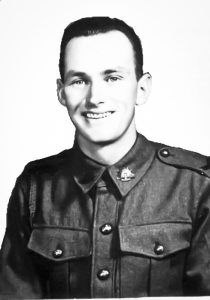
WX7626 A.L. (Slim) Pitts
wounded in action 0200 hrs 9 Feb 1942 shrapnel wound to left thigh. Discharged Unit 24 Feb 1942.
Was behind Japanese lines with several men, including Annear, Bell and Semple. Annear and Bell were killed trying to escape and Semple successfully escaped to Sumatra.
Pitts worked on the Burma end of the Burma-Thai Railway, then taken to Thailand at end of 1943. He was fortunate not to be selected to work in Japan, and remained working in various camps in Thailand.
‘Mick (Lt Meiklejohn) decided that as we were now cut off, we should try to get back to our own forces. He reckoned we were due for a spell as we had been firing for about 4 hours at point blank range. I don’t know how many of the Japs we accounted for but Vickers against boat loads of Japs, at about 50 yds or less, the total must have been considerable…. ‘Singapore the Japanese Version’ – refers to the landing craft running into heavy machine gun fire at about 12.30 am….’
Lt Meiklejohn led his party, still complete with their guns and equipment, up a jungle path. Here they ran into a party of Japs who were apparently resting. The Platoon Commander himself dealt with several with his revolver and big Frank Armstrong made good use of the tripod he was carrying to get his quota. Lt Meiklejohn was killed in the skirmish.
Back to our own lines (so we thought).
We started off back through the coconut palms or what was left of them, for about half a mile. Those I remember in the party were Jack Tegenza, Snow Tapper, Eddie Kemp, Mick Meicklejohn, Jack Solly and several others, some of whom were shell shocked and under the care of our cook Jimmy McSkene. Out casualties, apart from the shelling, had been pretty light and we had built up a hell of a lot of casualties credit in the damage we had done to the Japs.
We had just got out of the palm grove when we spotted a whole bunch of Japs ahead. I don’t know how many, but a helluva lot. They were making a fair racket so we went into a huddle to decide what to do – there were too many to dodge and they were blocking our way out. Some bright bastard said ‘lets charge ’em’ so we fixed bayonets and charged. As soon as we took off the Japs opened up with everything they had. Sgt Jack Solly was killed on one side of me and Mick on the other. I got bonked over with one in the thigh, the others kept going and I didn’t see them again.’
Several other members of the Platoon were killed in the action, some – including Les Pitts were cut off in the beach area. Most of these like Dud Annear and Billy Bell were killed later in the week. They were with Bluey Semple trying to make their way down the coast in a small boat when it was hit by mortar fire. Annear and Bell were killed. Semple, although wounded, managed to make his way to Sumatra.
Pitts survived the fight on the beach. ‘After the shooting stopped, I stayed where I was expecting the Japs to come back and finish me off. Thank the Lord however, they didn’t come near me and I crawled away into some scrub. When I decided no one was worrying about me, I got a field dressing on to my leg and stayed where I was until morning.’
‘When dawn broke on the morning of 10th Feb I took a good look around – I couldn’t see another living soul and everything was quiet. I tested my leg out and found I could get about a bit, so I started off along a bit of track away from the sea – I was sure not going to get any help from that direction. After a while I cam across six or seven other Australians from 2/18th, who had been stationed behind us and after a while we collected a few Poms, also an Indian.
We stayed together and at one stage there were about twenty five of us. We kept going in the general direction of Singapore or at least toward the oil fires. We never regained our lines and after numerous incidents eventually reached Singapore after the surrender. I was admitted to the Hospital in the Cathay building on the 18th February.’
WX9295 Sydney REID, Batman/Runner – Wounded and missing in action, presumed KIA 9 Feb 1942 Tanjong Murai, west coast Singapore 33 years old.
English born Syd enlisted from Kulin where he had been working as a farmhand. His family resided Boulder, his father worked in mining and was killed in a workplace accident Oct 1942. The Reid family had sailed to WA from England when Syd was about 4 years old. He had one brother Frank.

WX7656 George Robert Rouse – (27) KIA 8 Feb 1942 Tanjong Murai, west coast Singapore. Soldier was captured by Japanese troops and killed when he attempted to escape. Pingelly boy, Rouse was married to sister of Stan Neale (died Sandakan 1945).
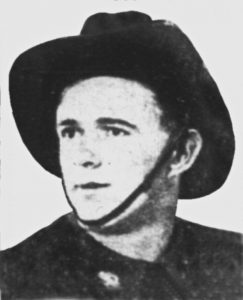
WX7532 R.R. SEMPLE – WIA 9 Feb 42, GSW to both legs and left upper arm. Believed to be with Bell and Annear. Successfully escaped Singapore to Sumatra. Captured and incarcerated Padan, Gloe Gloer Camp (Medan). Sailed Hirukiku Maru Party, injured when ship sank – remained Singapore. RTA.
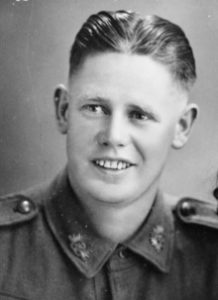
WX7330 Ellis Shackleton – Transferred 16 Battalion.
11 Feb 1942 west coast Singapore Missing in action believed to have been killed or badly wounded aged 27 years.
WX7623 G.T. Shelton – Wounded in action 1800 hrs 15 Feb 1942 admitted 2/10th AGH shrapnel wound left temple. Discharged to Unit 23 Feb 1942. Worked on Burma-Thai Railway with ‘H’ Force Thailand died illness 7 Sep 1943 aged 24 years at Kanu II Malayan Hamlet.
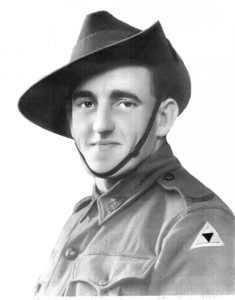
WX9157 Albert Leslie Tapper ‘A’ Force Burma, Green Force No. 3 Battalion. Recovered from Thailand.

WX8180 Edward George Taylor – Transf to 16 Platoon. Remained Singapore throughout war.
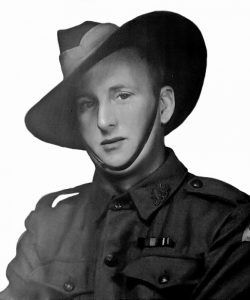
WX8450 Taylor F L – KIA Tanjong Murai 9 Feb 42 aged 22. Taylor was badly shell shocked following a heavy artillery barrage. Not seen again after his party moved out from West Coast.

WX8460 J. Thorpe – (25) KIA 15 Feb 1942 Buona Vista. Was killed between 1600 & 1700 hours whilst sheltering behind a house which received a direct hit. **

WX10382 J. Warrington – sent to work Burma Thai Railway with ‘D’ Company T Battalion, split off with O’Dooley Party. he was recovered from Thailand.
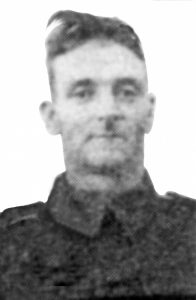
WX7232 Whitford, Robert ‘Bob’– (38) DOW 15 Feb 1942 Buona Vista. He was killed during last artillery barrage of the battle. Hit in his chest by same shell which killed Jim Thorpe. **
Bob earned himself the nickname ‘ant track Jack’ because of his reported tracking ability (he could track an ant!) and was our pineapple gatherer and our cook. Jimmy McSkene emulated the Japanese across the Strait but finding stray ducks amongst the abandoned houses. All civilians having been evacuated from the area. From Les Cody’s book ‘Ghosts in Khaki’.
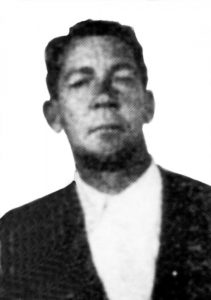
WX7499 R.T. Williams – Shell shocked Ulu Pandan 12 Feb 1942. Worked on Burma-Thai Railway with ‘D’ Force S Battalion. Recovered from Thailand at end of war.
Reinforcements
WX15736 R. Hansen – Was AWOL Fremantle when ‘Aquitania’ sailed 16 Jan 1942. One of 88 men from 2/4th who sailed to Java and taken POW there in March. Like Bousfield he was sent to work on Burma end of Railway. Was recovered Thailand at end of war.
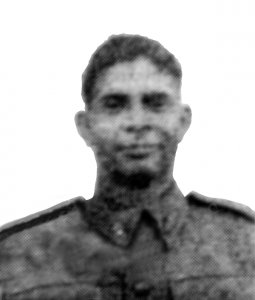
WX16417 S. Ninyette – AWOL Fremantle, ‘Blackforce’ Java, Java Party No. 4, Williams Force. Recovered from Thailand.
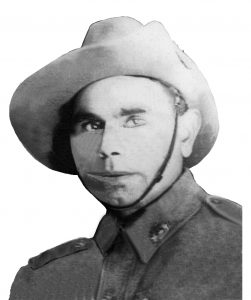
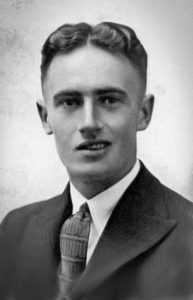
WX15905 Edward George Moir
Admitted 2/9th AGH 2 Feb 1942 with malaria. Transferred 2/10th AGH and discharged Unit 8 Mar 1942.
d. 1 Oct 1943 Kuii, Burma Thai Railway ‘D’ Force Thailand V Battalion aged 32 years.
By 15 Feb 1942 there were only 7 fit men from 15 Platoon able to march to Changi Prison Camp
WX7532 Robin Roy SEMPLE – WIA 9 Feb 42, GSW to both legs. Escaped to Sumatra.
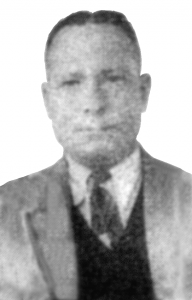
WX8435 Edward Jonathon Leadbitter – (24) Was captured by Japanese west coast of Singapore and rejoined Unit after surrender. (later Died Cholera Kuii POW Camp with’D Force Thailand V Battalion 10 Oct 1943)
11 men were KIA including Meiklejohn & his Platoon SGt, Soll
(incl) Barrass was WIA & DOW
(incl) Thorpe & Bob Whitford were KIA Buona Vista
12 men were WIA and Evacuated between 8 & 9 Feb
Bow was WIA at Buona Vista
3 men were Shell Shocked at Ulu Pandan & Evacuated
Semple and Annear escaped to Sumatra
———-
Please read about 16 Platoon.
The Japanese Attack
8th February 1942 – North west Singapore
Just after dawn the Japanese increased air activity dive bombing and machine-gunning forward areas – in particular 22nd Brigade and forward machine guns – “C” Coy of 2/4th. All observed movements were attacked and the rear area and roads heavily bombed.
By 1000 artillery barrage hit the forward companies of 2/18th and 2/20th. “D” Coy HQ situated at Ama Keng village had been under attack and had a quiet spell before the shelling started. Fortunately slit trenches provided adequate cover and casualties were light. But the surrounding rubber plantation was stripped of foliage.
At noon, the Japanese ceased their aerial attack. The Australians believed the Japanese had ‘knocked off for lunch’. However the afternoon was the same as the morning – heavy shelling with irregular groups of single explosions maintained the mental and physical pressure on the Allied troops.
By nightfall the bombardment increased. Verbal contact was lost amidst the roar of exploding shells spreading debri and red hot fragments of shrapnel over the area. The soldiers now feeling isolated in their own nightmare whether sharing or a single trench. They were like trapped animals in their burrows. Many praying others pleading for a halt.
The bombardment continued throughout the next morning. There was no let up. The Japanese concentrated on both the forward and rear Allied positions of 2/18th and 2/20th areas. The beach area was heavily targeted and just after midday 13 Platoon received a direct hit suffering their first casualties – the death of Bobby Pratt and severe wounding of Bill Patterson and section commander, Joe Pearce. There were further casualties and loss of another gun pit.
The men thought it a miracle they hadn’t lost more lives.
The situation was much the same for 15 Platoon. Brigadier Varley, 2/18th wrote that during his four years of service 1914-1918 he had never experienced such concentrated shell fire over such a period. Signal communications were cut and repaired and cut again.
Eddie Kemp wrote : ‘About 6.30am on 8th Feb two or three ranging shots fell in our area. One destroyed an artillery piece and its crew and one closer made a mess of my personal Bren gun, which he had scrounged whilst unloading a boat in the harbour earlier in the week. Then the full barrage came right down on the beach. We escaped some of the shelling, but it was still an absolute nightmare. Japanese artillery seemed to concentrate on the coconut plantation to our rear where hardly a coconut palm remained.’
Les Pitts was in same section ‘it seemed to me that they were using high explosive rather than any form of anti-personnel shells for although the tops of the coconut palms were destroyed, we had no shrapnel casualties. The constant blast of concussion from the exploding shells had its effect and there were varying levels of temporary shell shock.’
During the day of 8th February bombing and strafing continued over 2/20th and 2/18th areas as well as the 2/18th forward area.
The smoke from blazing oil tankers in the naval base with the fading light of early evening reducing observation for those manning forward posts. There was no moon and the continual shelling blanketed any sounds from the Japanese across the strait. The men strained to pick up the first signs of the attack they were certain was coming.
The 2/4th Machine Gun Platoons had survived remarkably well although, however were affected by the shelling – some more than others. All were dazed and there was a sense of unreality undertaking the smallest of tasks.
There was a sense of enormous relief when the barrage ceased about 8pm. The first sounds of enemy craft were picked up by a forward post of ‘D’ Coy 2/20th. Moments later the sound of motor increased – the forward post alerted the men into action with a burst of bren fire.
Lt Eric Wankey, 13 Platoon who was at their HQ away from the beach, raced down to their gun positions, followed by the spare gun numbers who postioned themselves along the front. They held fire until the barges were close to shore and opened up the three guns with devastating effect. The tide was out. One barge was snagged on a sandbank, swinging sideways. It was ripped to pieces by machine gun fire and hand grenades. Several barges were sunk spilling Japanese into the water. One loaded with explosives had been set alight – providing extra light for the gunners. One of the beach lights had been knocked out and another failed to operate. All guns turned on the Japanese in the water. Few if any survived the first wave.
But there was no let up as more landing craft loomed up out of the darkness, at least 20, each with about 25 Japanese on board.
A Japanese landing party of six barges approached the southern section under Meiklejohn and No. 15 platoon’s two sections kept firing for two hours despite retaliation by hand grenades. Inevitably, the Japanese landing parties were able to outflank the thinly-spread Australian positions.
……….Story Cont’d With little ammunition and to avoid being overrun Meiklejohn ordered the southern section to retreat. He led his section along a jungle path where they came upon a party of Japanese resting. Meiklejohn shot some with his revolver and another was knocked out with a swing from a machine gun tripod by Frank Armstrong, however Meiklejohn lost his life in attempting to cover his section’s withdrawal. Other deaths included Jack Solly, John MacDonald.
Others remained cut-off in the beach area, such as Slim Pitts, Dud Annear and Billy Bell. The latter two were killed whilst trying to escape Singapore later in the week. Bluey Semple originally with Annear and Bell, managed to escape to Sumatra.
The northern section of 15 Platoon under command of Sgt Gardiner held its ground until it was informed that a near-by infantry platoon from 2/18th was almost surrounded, and about to withdraw. The machine gunners were forced to retreat without their guns. They also ran into a group of Japanese troops blocking their path. Cliff Spackman was attacked by a Japanese officer wielding a sword, Spackman “bayoneted him”, took the sword and used it against another Japanese soldier. They continued to fight their way out killing several Japanese but suffered heavy casualties.
Results of this period were Seven dead (including Shackleton and Reid who were missing and injured, later found dead), six wounded, about five missing – including Sgt Gardiner, wounded behind enemy lines and evacuated to hospital 3 days later), Leadbitter who had been captured (escaped to rejoin Unit after capitulation).
By Surrender on 15 Feb, 1942 another Two died and another Seven wounded or shell shocked.
Please read address Fall of Singapore Service 12 Feb 2023
‘C’ Company No. 12 Platoon
‘C’ Coy 12 Platoon
At Singapore with Commanding Officer Mick Wedge, Platoon Sergeant Sgt R.G. Whitfield -12 platoon was equipped with 6 Machine Guns in three sections and had the task of supplying support fire for 7/8th Punjab Regiment with 44th Indian Brigade.
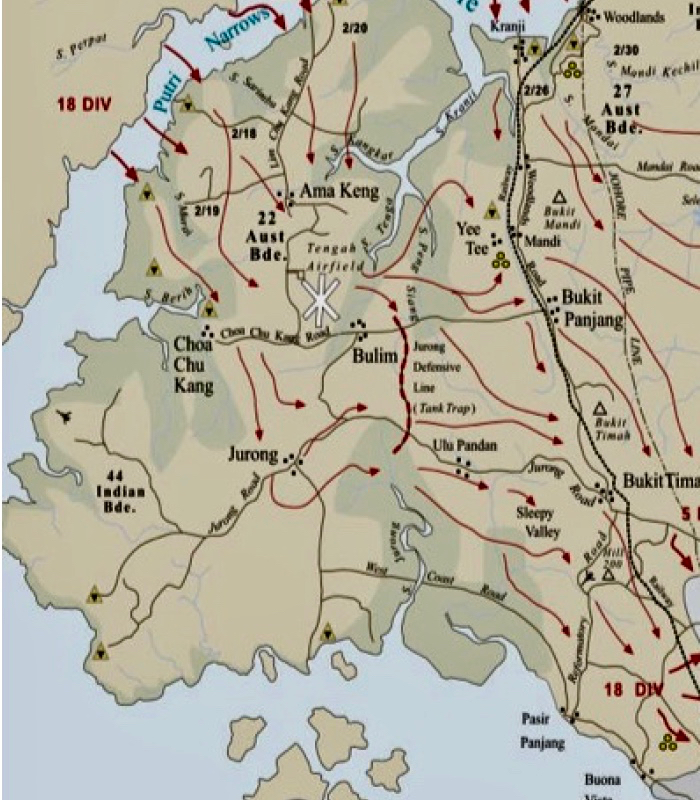
The 44th Indian Brigade was given the southern western coastal area, i.e. south of where Australian 22nd Brigade was at Choa Chu Kang to mouth of Jurong River.
The coastal area was a continuous fringe of mangrove swamps which extended inland in most places to over 1000 yards.
General Percival and Gordon Bennett inspecting the defences from a hill in 44th Brigade could see positions of 2 Punjab companies were one mile apart with mangrove swamps between! It was all too evident the defence of Singapore was hopeless.
Because of a shortage of fighting troops, 30% of Singapore’s coastline and the most vulnerable 40% of the Island was being defended by Australian 22nd Brigade and an ill-prepared Indian Brigade. Their reserves – a rebuilt Australian Battalion, some service troops and a machine Gun Company.
Members of No. 12 Platoon:
Commanding Officer
WX9553 Lt. C N ‘Mick’ Wedge – ‘D’ Force Thailand, S Battalion recovered from Thailand.
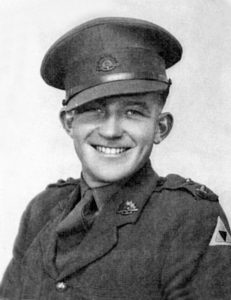
Platoon Sergeant
WX10561 Sgt RT G ‘Bob’ Whitfield – ‘D’ Force Thailand S Btn, ‘Rashin’ Maru Party to Japan, Recovered Niihama wharf and refinery, Japan.
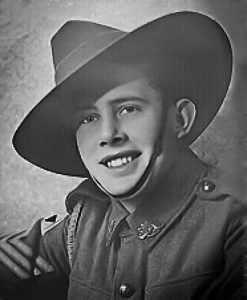
Platoon Sergeants:
WX7607 Sgt. Gibbons, Ron (promoted 24 Jan 1942) – ‘D’ Force Thailand, S Btn – ‘Both’ Party – recovered Saigon.
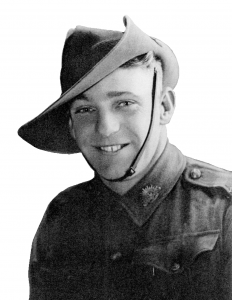
WX4949 Sgt Ron Kingswell – AWOL Fremantle, joined ‘Blackforce’ Java. Former Fairbridge Farm School boy.
Kingswell d. 25 Mar 1942 acute bacillary dysentery and appendicitis No. 1 Allied General Hospital, Bandeong, Java, aged 25 years.
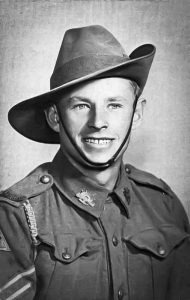
Platoon Corporals:
WX9112 Corp. ‘Benny’ Benjamin Jones (Acting Corp promoted 24 Jan 1942) – ‘D’ Force Thailand, S Btn. died 5 Nov 1943 Chungkai Hospital Camp avitaminosis aged 30 years.
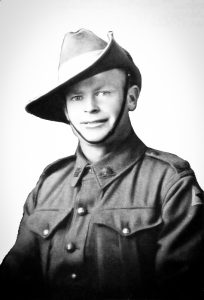
WX10822 Corp. Harvey Laurence John ‘Jack’ (promoted 7 Feb 1942) ‘A’ Force Burma, Green Force No. 3 Btn, ‘Rakuyo’ Maru Party. Perished South China Seas 12 Sep 1944 aged 24 years.
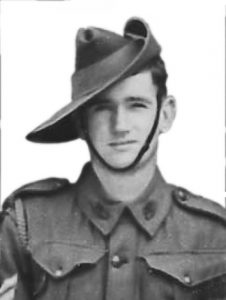
Privates:
WX7883 Bill Beard – ‘B’ Force Borneo died Sandakan 10 Jul 1945 aged 34 years.
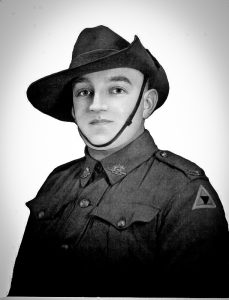
WX14855 L/Cpl Peter Beaton – Green Force No. 3 Btn. Burma. Recovered Thailand.
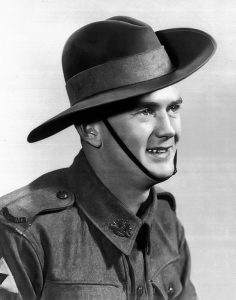
WX9136 L/Cpl Basil Clarke (promoted 18 Jan 1942) – involved fighting Ulu Pandan. Green Force No. 3 Btn Burma.
Evacuated from Aungganaung 105 Km Camp to Khonkan 55 km Hospital Camp Burma 3 Jul 1943 – right leg amputated through mid thigh 22 Sep 1943. Recovered from Nacompaton Hospital Camp, Thailand.
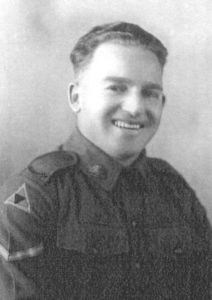
WX6632 Sam Clarke – Green Force No. 3 Btn Burma, died 23 Jan 1943 dysentery at Thambyuzayat Hospital Camp, Burma aged 23 years.
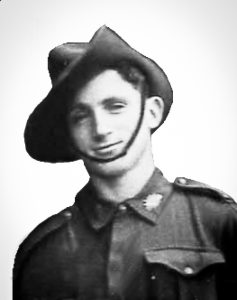
WX9109 A J ‘Alex’ Colquhuon Green Force No. 3 Btn Burma, ‘Rakuyo’ Maru Party. Lost South China Sea 15 Sep 1944, three days after ship sank. He was 38 years old.
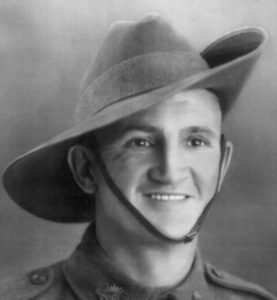
WX10721 Harry de’Castilla – Green Force Burma No. 3 Btn. Recovered Kachu Mountain Camp, Thailand.
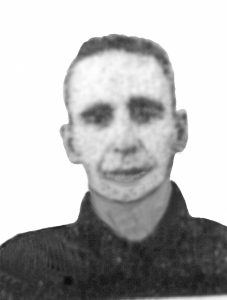
WX5088 Andrew Fee, Driver – Green Force Burma. Recovered from Thailand.
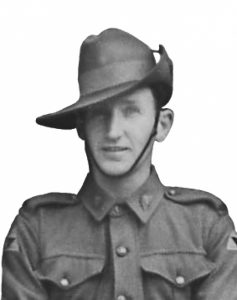
WX9070 Charles Fielder – AWOL Fremantle. ‘Blackforce’ Java. ‘D’ Force Thailand, Java Party No. 6, P Btn. Recovered Thailand.
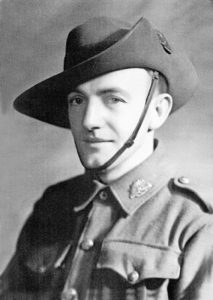
WX5132 G Fisher – AWOL Fremantle. ‘Blackforce’ Java. Recovered from Batavia 30 Sep 1945.
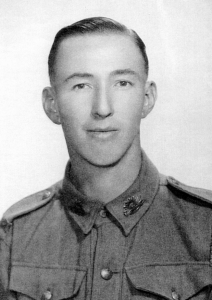
WX9132 Arthur Gamble – Despatch Rider – ‘H’ Force Thailand. Evacuated Kanu1 River Camp with cholera to Kanchanaburi Hospital 26 June 1943 – 11 Sep 1943. Returned Singapore – transferred hospital Changi Gaol Camp. Recovered Singapore.
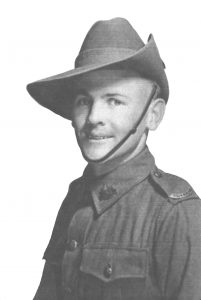
WX7627 Jim Goldie – ‘B’ Force Borneo. died Sandakan-Ranau Track 4 June 1943 aged 26 years.
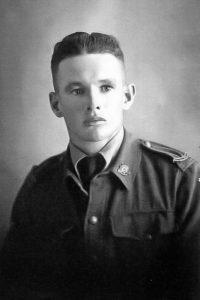
WX14830 Stan Haly, Driver – B. Force Borneo. died 15 June 1945 Sandakan Estate, miles from Sandakan Camp aged 29 years.
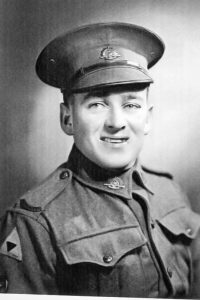
WX9348 Corp Colin Heppell (promoted 24 Jan 1942). ‘D’ Force V Btn. died colitis Kuii Camp, Thailand 6 Oct 1943 aged 38.
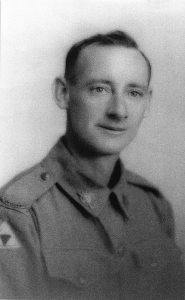
WX8525 I D ‘Pop’ Heppingstone, Rangetaker – ‘D’ Force Thailand S Btn. Recovered from Kachu Mountain Camp, Thailand (cousins with Harry de Castilla WX10721)
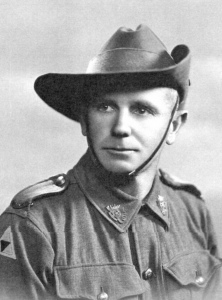
WX52119 James Morgan Jenkins migrated as 24 year old from Wales. Was AWOL Fremantle, joined ‘Blackforce’ Java and taken POW of Japan 8 Mar 1942. Selected to work Burma-Thai Railway with ‘A’ Force Burma Java Party No. 4 Williams Force. died 11 Nov 1942 dysentery and heart failure Thanbyuzayat Hospital Camp, Burma aged 41 years.
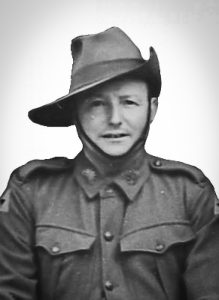
WX9297 Colin Joynes – ‘B’ Force Borneo. died 7 June 1945 Sandakan aged 31 years.
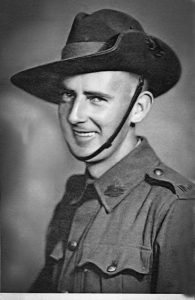
WX8077 Laurie Kuhlman – Wounded in action Jurong Road. Admitted 2/9th Field Ambulance with shrapnel wounds to left chest and back 9 Feb 1942. Discharged to Unit 26 June 1942. Selected to work Burma-Thai Railway with ‘D’ Force Thailand V Btn. died acute colitis 3 Mar 1944 Non Pladuk, Thailand aged 27 years.
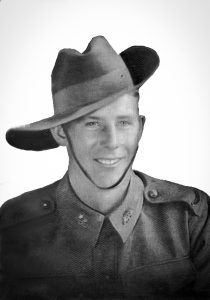
WX9528 Andrew Lambie – ‘D’ Force Thailand, S Btn.
‘Rashin’ Maru Party to Japan. Recovered Niihama.
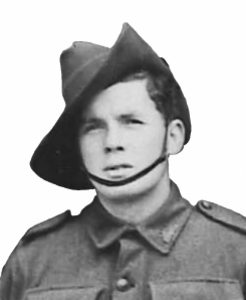
WX9146 Bob Lush – Remained Singapore. Recovered Changi Gaol Camp.
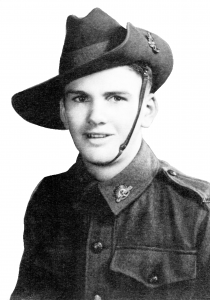
WX8820 Wally McCudden – Esperance boy joined ‘D’ Force Thailand S Battalion to work on Burma-
Thai Railway. Wally died cardiac beri beri and typhus Chungkai Hospital Camp Thailand on 28 Aug 1943 aged 36 years having been evacuated from Hellfire Pass region.
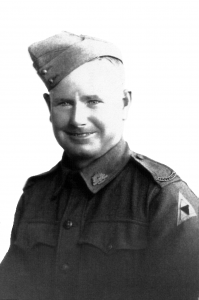
WX9825 Charles Peter McLoughlin – one of about 90 Machine Gunners AWOL Fremantle when ‘Aquitania’ anchored one night 15 January 1942, and unable to reboard before his ship departed following day. Read about those AWOL at Fremantle.
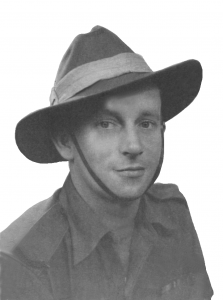
Joined 2/2nd MG Battalion in Java and worked at Tjillitan aerodrome near Bataum . Taken POW 8 Mar 1942. Moved to Bandeong POW Camp. Selected to work Burma Thai Railway was moved to Bicycle Camp before being shipped to Singapore and Rangoon with Java Group No. 4 Williams Force. Arrived Singapore 12 October 1942. Sailed 2 days later for Rangoon, Burma then Moulmein before heading to railway to their first work Camp No. 35Km. Read about Java Force Group No. 4 Williams Force
WX8319 Josuah William Meredith – Remained Singapore. Worked Pulau Blakang Mati. Recovered from Changi.
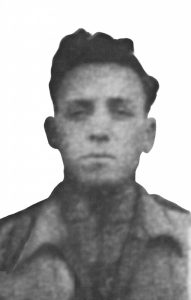
WX4941 Raymond Muller – ‘D’ Force Thailand S Btn. ‘Rashin’ Maru Party to Japan. Worked Yamane and Niihama Japan and recovered from Niihama.
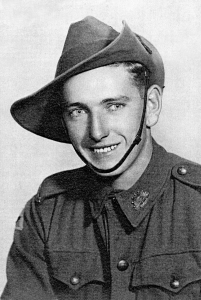
WX7659 Edwin Leslie ‘Les’ Nolan, Driver – Green Force Burma. ‘Rakuyo’ Maru party. Lost at sea 12 Sep 1944 aged 34 years.
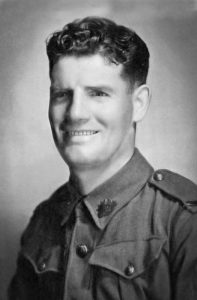
WX10790 L/Cpl Harry Claude Norris – shell shocked Buona Vista, evacuated on 15 Feb 1942. ‘D’ Force Thailand, S Btn. Recovered Kachu Mountain Camp, Thailand.
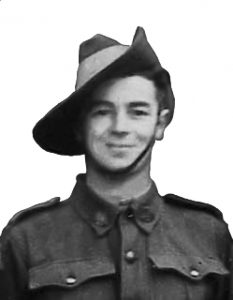
WX9181 Wilfred Harold Nottle – ‘D’ Force Thailand,
S Btn. ‘Rashin’ Maru Party to Japan. Yamane, Niihama Wharf. Recovered from Niihama. (Nottle had been knocked off the wharf at Niihama Aug 1945 and fractured left ankle. Admitted to camp hospital where he remained three weeks.)
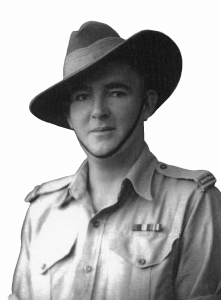
WX4934 Ronald Arthur ‘Ron’ Page – ‘B’ Force Borneo. died acute enteritis Ranau 17 Feb 1945 aged 26 years.
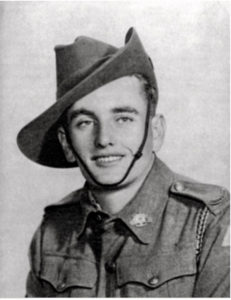
WX9197 John (Jack) Edgar Peers – Enlisted 30 Oct 1940.
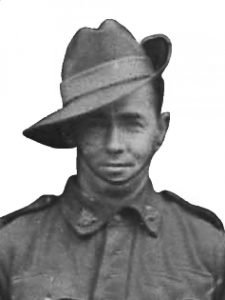
Born 1903 in the goldfields at Kookynie near Menzies.
Admitted 2/10th AGH with shrapnel wounds to left groin and fractured left pelvis . DOW a few weeks after surrender 6 Mar 1942 aged 38 years. (possibly wounded at Hill 200).
His father died in Perth 14 Feb 1942. Jack was hospitalised at that time at AGH Roberts Barracks, Singapore.
WX5054 Dan Quinn, Cook – Remained Changi. Recovered from Kranji Hospital, Woodlands, Singapore. Flown from Singapore to Perth with Duke of Gloucester’s aircraft ‘Endeavour’ (which had been used to urgently recover very ill POWs from Sumatran Railway – then flew a number of them to Perth).
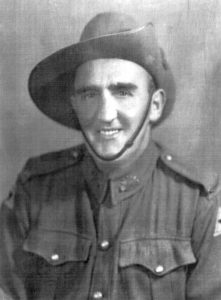
WX9005 Eric Reginald ‘Reg’ or ‘Buck’ Rogers – Green Force Burma. Recovered from Nacompaton Camp, Thailand.
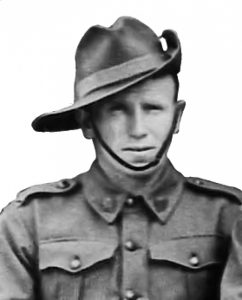
WX7893 L/Cpl James Stanley Smith (promoted 1 Mar 1942) – AWOL Fremantle, joined ‘Blackforce’ Java. Taken POW 8 Mar 1942. ‘A’ Force Burma, Java Party No. 4 Williams Force.
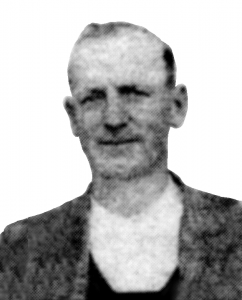
WX6841 John Stewart Smith – ‘D’ Force Thailand S Btn to Burma-Thai Railway. ‘Rashin’ Maru Party to Japan. Recovered Niihama, Japan.
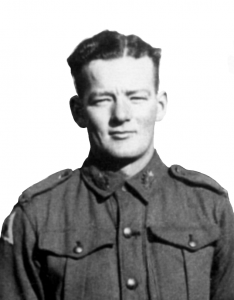
WX9143 Montague Joseph ‘Monty’ Smith – ‘F’ Force Thailand. died 13 Nov 1943 Tanbaya Hospital Camp. Burma of dysentery and tropical ulcers aged 27 years.
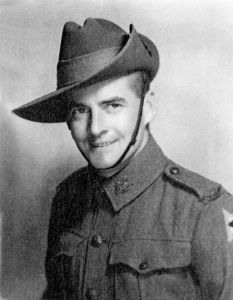
WX8646 L/Cpl Arthur Percival Spouse – KIA Hill 200, Ulu Pandan 12 Feb 1942 aged 21 years.
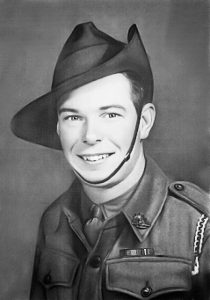
WX9827 Reginald Harold Stribling – AWOL Fremantle, joined ‘Blackforce’ Java. Taken POW of Japan 8 Mar 1942. Selected to work Burma-Thai Railway with ‘A’ Force Burma, Java Party No. 4 Williams Force. Recovered from Nakom Chassi, Thailand
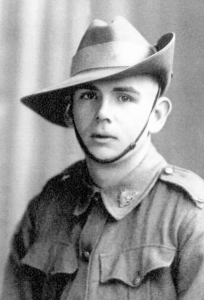
WX9330 Dudley Joseph ‘Dud’ Squire – KIA Hill 200, Ulu Pandan 12 Feb 1942 aged 32 years.
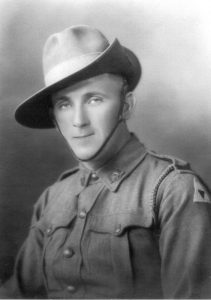
WX9827 George Taylor– Listed MIA believed KIA Sungei Jurong, Singapore 10 Feb 1942. One lucky man! Later discovered had escaped to Sumatra – picked up by HMAS ‘Hobart’ at Padang, west coast Sumatra taken to Ceylon. Admitted 2/12th Australian General Hospital Columbo 9 Mar 1942. 13 Mar 1942 boarded ‘Stirling Castle’ and disembarked Melbourne 6 Apr 1942, then sailed to Perth. TOS with reformed 2/3rd Machine Gn Btn 1 Jul 1942 and served on Bougainville with 58th Corps Field Park Coy.
WX8139 Percy Tompkins – ‘D’ Force Thailand S Btn, ‘Rashin’ Maru Party to Japan. Recovered Niihama, Japan.
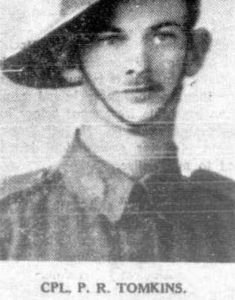
WX12989 Herbert John ‘Bert’ Wall – Green Force Burma. ‘Rakuyo’ Maru Party. Rescued with other POWs by Imperial Japanese Navy, taken onto Japan. Recovered from Sakata, Japan.
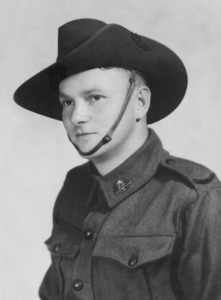
WX9067 Eric George Watt – ‘H’ Force Group 3 Thailand.
Returned Singapore. Recovered from there.
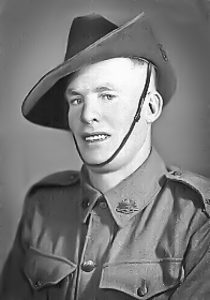
Reinforcements:
WX12593 Ron Wylie – ‘D’ Force Thailand, V Btn. Recovered from Ubon Camp, Thailand.
Total 19 Deaths (incl. 2 KIA Ulu Pandan, Hill 200 Spouse & Squires and third man, Peers was wounded Ulu Pandan Hill 200 & died 6 Mar 1942. Basil Clarke survived Hill 200)
Read further about ‘Rakuyo’ Maru Party.
38 Machine Gunners lost their lives when ‘Rakuyo’ Maru sank on 12 Sept 1944 in South China Sea.
Read about ‘Rashin’ Maru Party to Japan
This sea journey took 70 days – under the most horrific conditions.
Please read about ‘Both’ Party selected to work in Japan, but sailed as far as Saigon.
Five machine gunners from 12 Platoon died North Borneo either at Sandakan or on the track to Ranau. Please read
Quairading WW2 War Memorial & Dangin Area
QUAIRADING WW2 MEMORIAL
And the DANGIN AREA
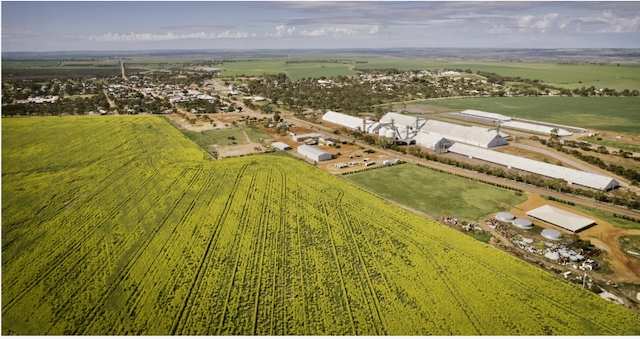
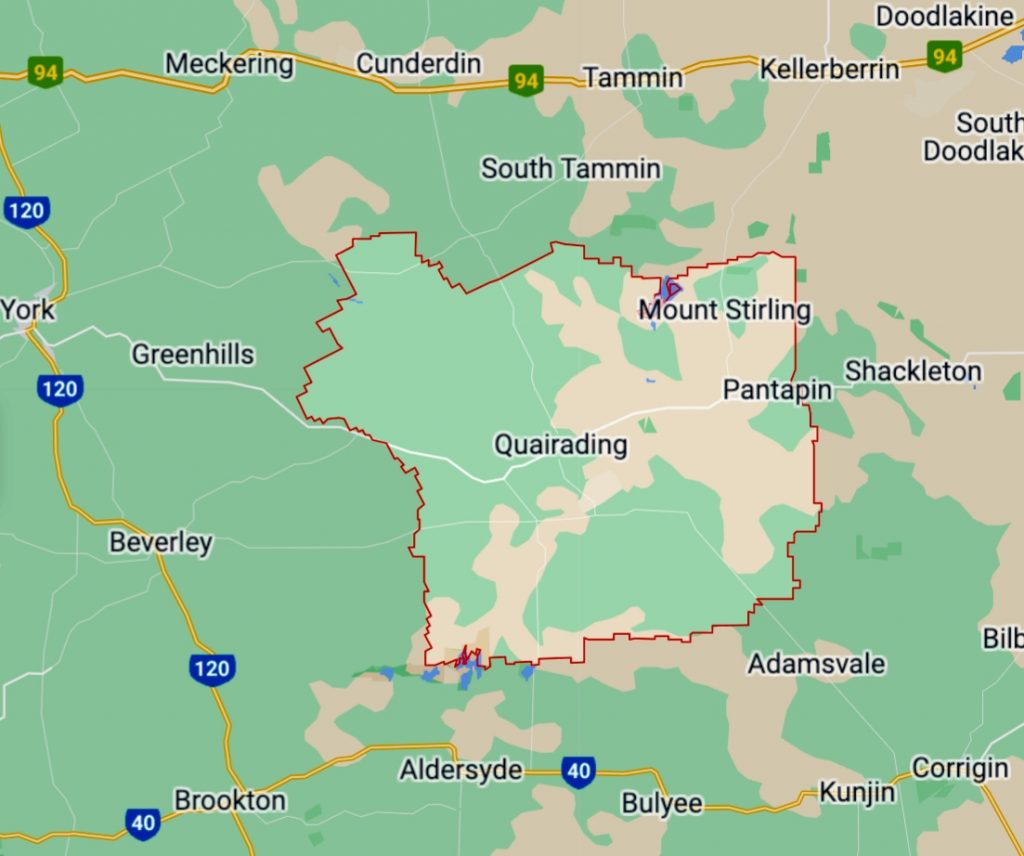
Quairading is Western Australian town located in the wheatbelt area and encompasses Dangin.
The town was named for Quairading Spring, derived from a local Aboriginal word recorded in 1872 by surveyor Alexander Forrest. The first European settler in the area is believed to be Stephen Parker, who settled in nearby York. From 1859 to 1863, his son Edward Parker cleared land east of York towards Dangin, before Edward’s son Jonah took over Dangin and the surrounding area. Jonah Parker subdivided his property and made Dangin a private townsite, surrounded by his land. A Methodist, Jonah Parker banned alcohol in the town and these factors led to residents leaving Dangin. The Government made available new land in nearby Quairading, and gave settlers a 65-hectare (160-acre) block for free if they cleared the land and lived there for seven years. Many settlers took up the offer and moved into the area between 1903 and 1908.
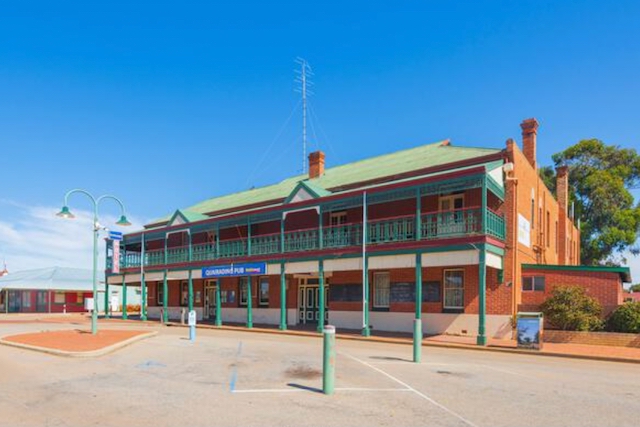
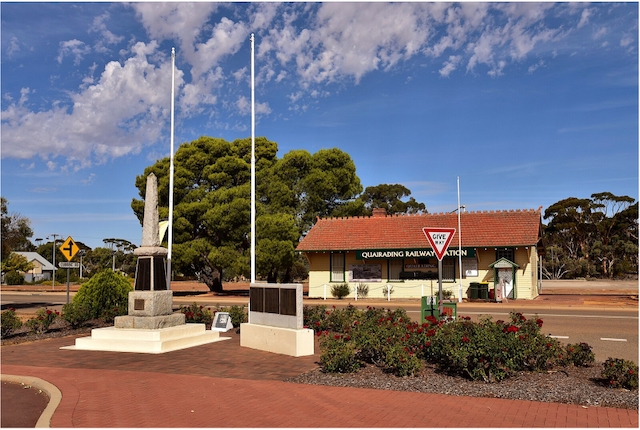
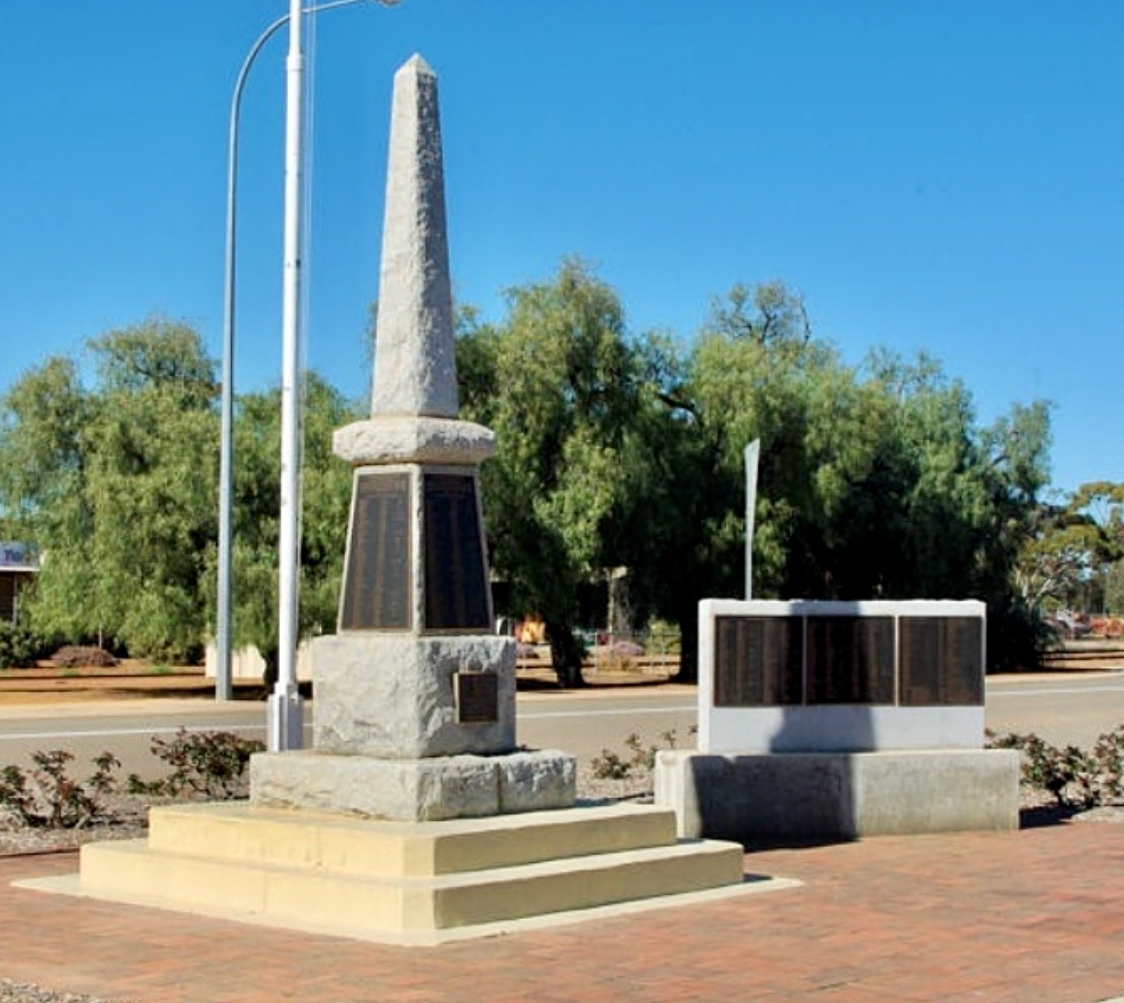
‘The War Memorial commemorates those from the district who have served in the various conflicts in which Australia has been involved. The memorial was originally erected in memory of those who served in World War One.
It is a square granite obelisk with brass plates with names inscribed in raised gold lettering.
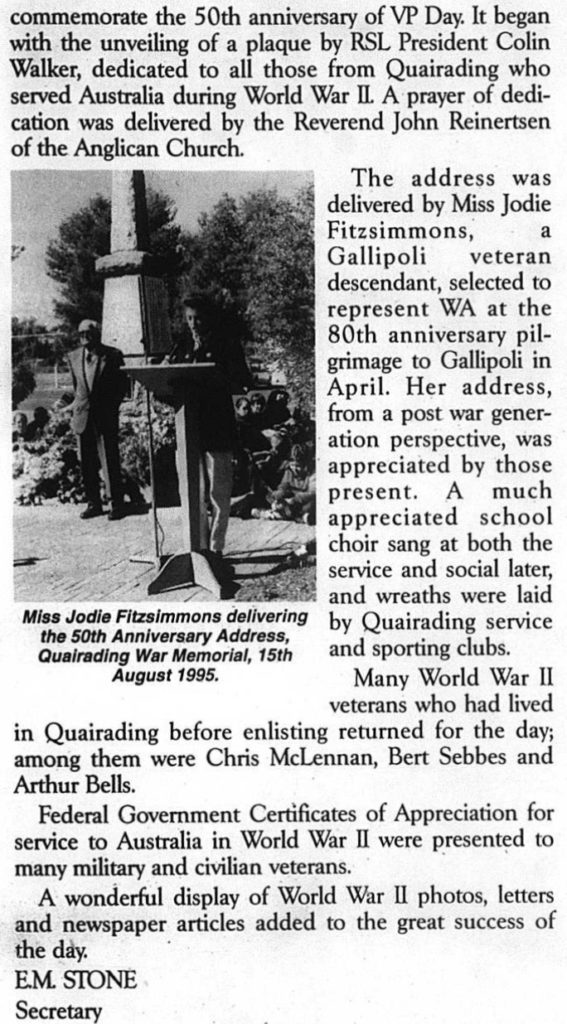
It is also contains an Australia Remembers plaque which commemorates the 50th anniversary of the end of World War Two.
The memorial was erected at a cost of over ₤180 and was unveiled by the Governor of Western Australia on the 19th November 1921. Out of a population of 600 men, women and children in the Quairading district, over 100 men had enlisted and gone abroad.
The West Australian (Perth), 20th December 1921′
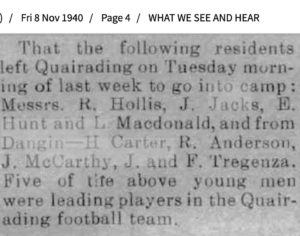
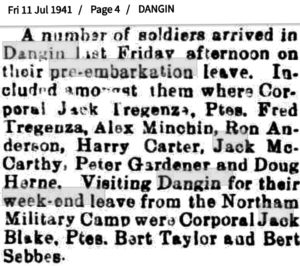
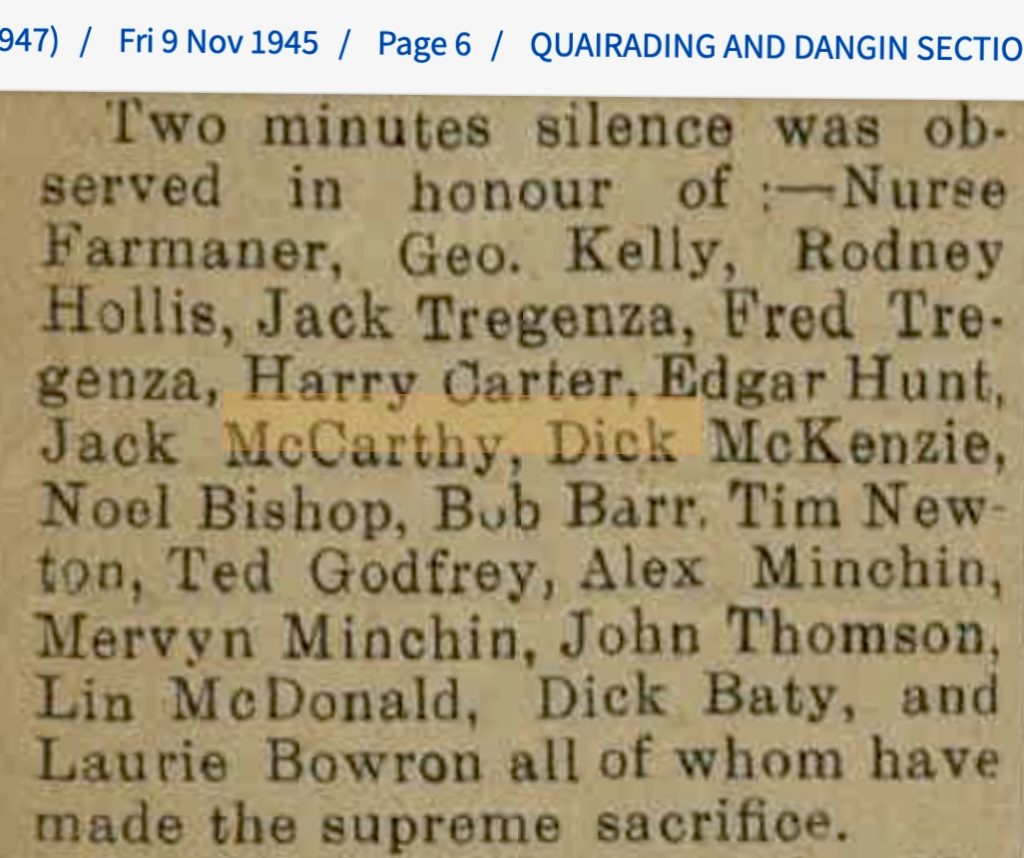
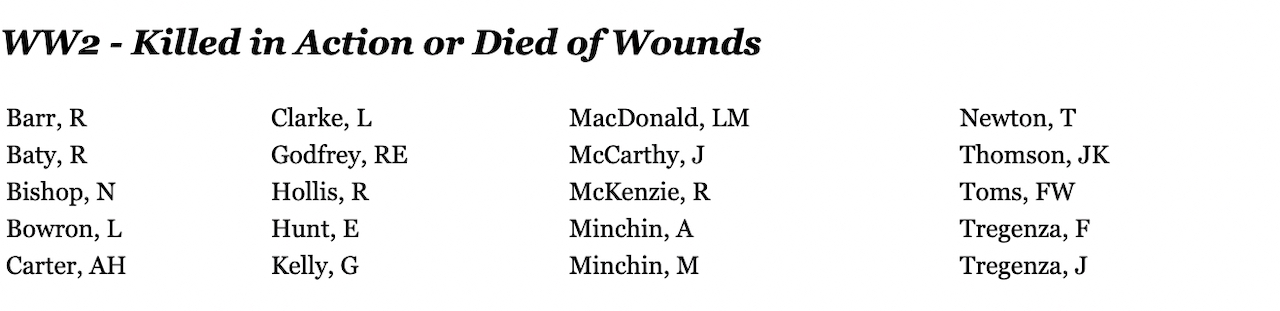
QUAIRADING WW2 – 10 men from 2/4th MGB were Killed in Action, DOW, died of illness or drowned in South China Sea.
| Barr, R | Clarke, L | MacDonald, LM | Newton, T |
| Baty, R | Godfrey, RE | McCarthy, J | Thomson, JK |
| Bishop, N | Hollis, R | McKenzie, R | Toms, FW |
| Bowron, L | Hunt, E | Minchin, A | Tregenza, F |
| Carter, AH | Kelly, G | Minchin, M | Tregenza, J |
WX7611 BARR, Robert Shipley (Bob) b. 1918 Perth to James and Hannah Barr of Quairading.
The Barr family of Quairading: is connected to the early development of the town and the “Whitehaven” property. Robert Barr acquired a portion of the original Whitehaven property, which was first established by TC Hodgson. Charles Baxter and his wife also took over part of the Whitehaven property after leaving their bicycle shop in Boulder. The town of Quairading itself was gazetted in 1907, with a railway extension arriving in 1908, marking the start of its settlement.
Bob Barr enlisted AIF Aug 1940.
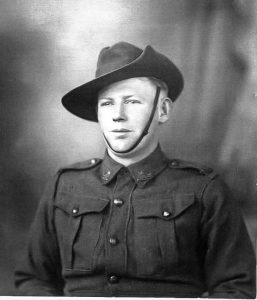
Joined 2/4th’s ‘D’ Coy 14 Platoon under CO Lt Tomkins. Details of his death are unknown, however he was fighting on north-west coast Singapore with Platoon 14, believed to have been injured, admitted to hospital and discharged from hospital. Travelling in ambulance when captured by Japanese his CO believed Bob was executed. He was 23 years old.
WXD9326 CARTER, Alfred Henry ‘Harry’ b. 1920 Northam to Lewis Basil and Mary Jane Carter, Dangin. Enlisted AIF Oct 1940.
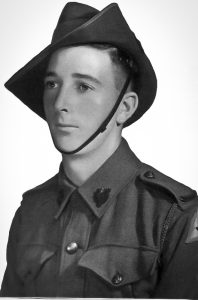
Joined 2/4th’s ‘D’ Coy No. 13 Platoon. Taken POW Singapore. Selected to work Burma end of Burma-Thai Railway with ‘A’ Force Burma departing Singapore by ships May 1942. Survived working railway. Japanese Selected by Japanese to work in Japan. Work Party became known as ‘Rakuyo’ Maru Party – this unmarked transport ship was hit by torpedoes fired by American submarines in South China Sea. Young Henry Carter was 24 years old when he perished on 12 Sept 1944 in the South China Sea. One of 38 2/4th Machine Gunners. Please read further about ‘Rakuyo’ Maru being torpedoes.
WX7606 GODFREY, Richard Edward (known as Teddy) b. 1919 Perth to Frederick and Alice Godfrey. His mother remarried Percival Robinson whom Teddy recorded as his NOK. He had two sisters and two stepsisters. Enlisted AIF Aug 1940. Joined 2/4th’s ‘C’ Coy as batman/runner.
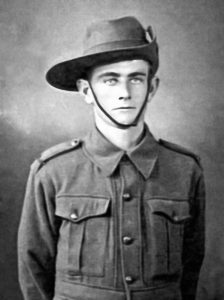
In Singapore Godfrey was transferred to ‘E’ Coy HQ Special Reserve Battalion as batman to Commanding Officer Lt. Warhurst. Godfrey was killed by Japanese patrol 11 Feb whilst fetching water for wounded Lt. Warhurst. Unable to move with a shattered thigh Warhurst was also killed by Japanese soldiers.
Godfrey was just 22 years old.
Please read further about ‘E’ Coy, Special Reserve Battalion
WX9327 HUNT, Edgar Harold Corporal b. 1914 Beverley to Percival Harold and Alice Matilda Hunt at Beverley. He had an older sister and younger brother who lost his life in WW2. He was a talented football player having tried out as a team player with Swan Districts Football Club. (His name is not recorded so we must assume his effort was unsuccessful) He was also a member of the very successful 2/4th footy team. Enlisted AIF Oct 1940, later joined 2/4th’s ‘D’ Coy, was a Corporal with No. 13 Platoon. 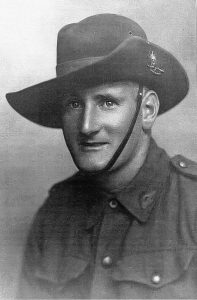
In 1943 Hunt was selected to work on Burma-Thai Railway with ‘D’ Coy Thailand V Battalion, departed March 1943 from Singapore Railway Station for Thailand.
Please read further about V Battalion.
V Battalion endured high rate of fatalities. Sadly Edgar was one of them. He died Hindaine Camp, Burma-Thai Railway of bacillary dysentery 10 Aug 1943 aged 29 years. His brother Campbell who enlisted with RAF lost his life too.
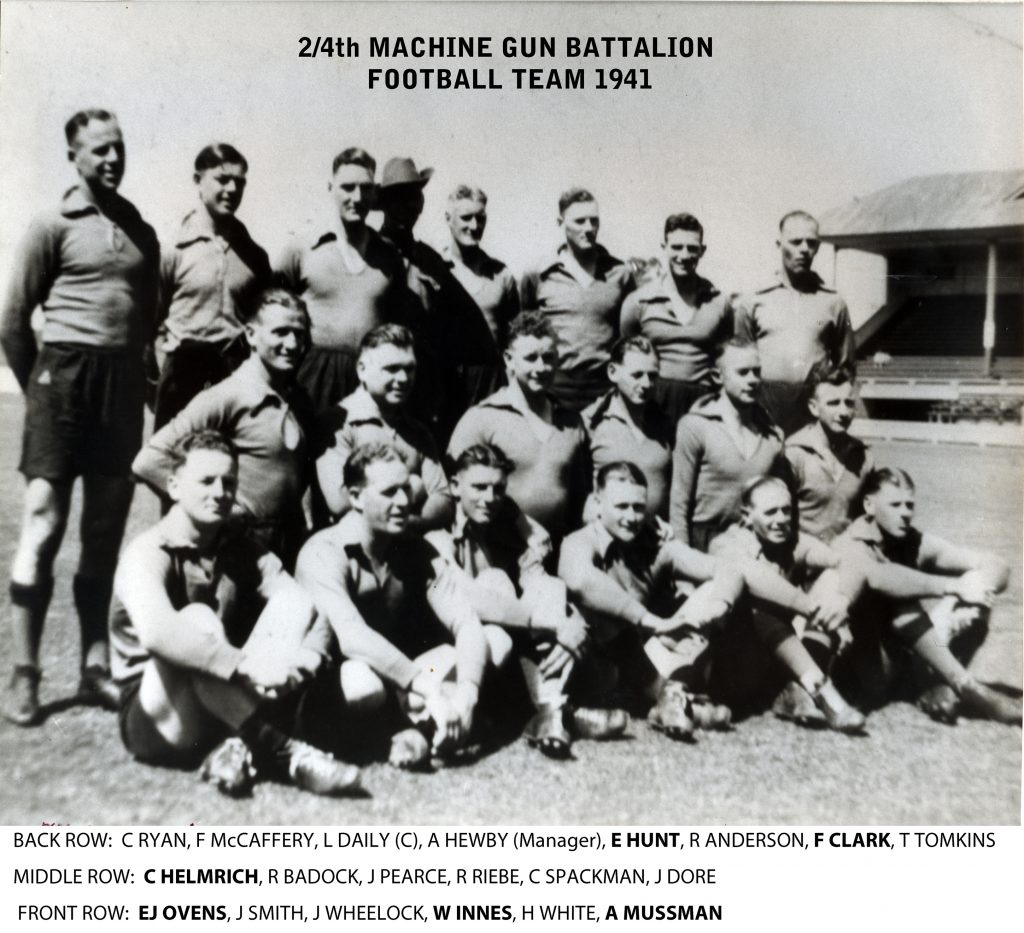
Back row L-R C Ryan , F. McCaffery, L. Daily (C), A Hewby (Manager), E. Hunt, R. Anderson, F. Clark, T. Tomkins
Middle row L-R C. Helmrich, R. Baddock, J. Pearce, R. Riebe, C Spackman, J. Dore
Front row L-R E.J. Ovens, J. Smith, J. Wheelock, J. Innes, H. White, A. Mussman
WX9279 MACDONALD, Lindsay Murray (Lin) b. 1914 York to Douglas Grant and Laura Jessie MacDonald. Lin was one of 3 sons and 2 girls. He was working on the family farm at Quairading prior to enlisting AIF Oct 1940. He later joined 2/4th’s ‘D’ Coy.
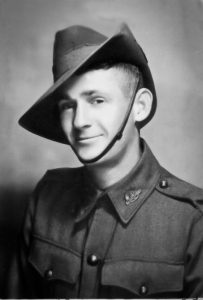
Lin was a talented sportsman and excelled at cricket playing for his local team and 2/4th team.
Lin with No. 13 Platoon was located on north west coast of Singapore for the Japanese invasion which began Sunday 8 Feb 1942. Their machine gun positions were quickly overrun by large numbers of Japanese troops. Lin was KIA 9 Feb at Lim Chu Kang Road, Singapore aged 27 years.
There were several boys from Quairading involved in the above skirmish. Fred Tregenza, Lin MacDonald and Bracks were on the same gun. Big Ron Anderson was also in the vehicle. They attempted to get through but were ambushed. With the road behind them blocked having been taken by the Japanese, there was nowhere to go.
Their vehicle was hit by Japanese fire, smashing the windscreen. The vehicle veered into the ditch and the men bailed out taking to the jungle and keeping low as possible. Ron managed to get to a drain thinking his two mates were behind him. But they weren’t. Lin MacDonald and Fred Tregenza were never seen nor heard of again.
Ron was on his own and cut off from everybody. He managed to get back safely to 2/4th and replaced his damaged gun
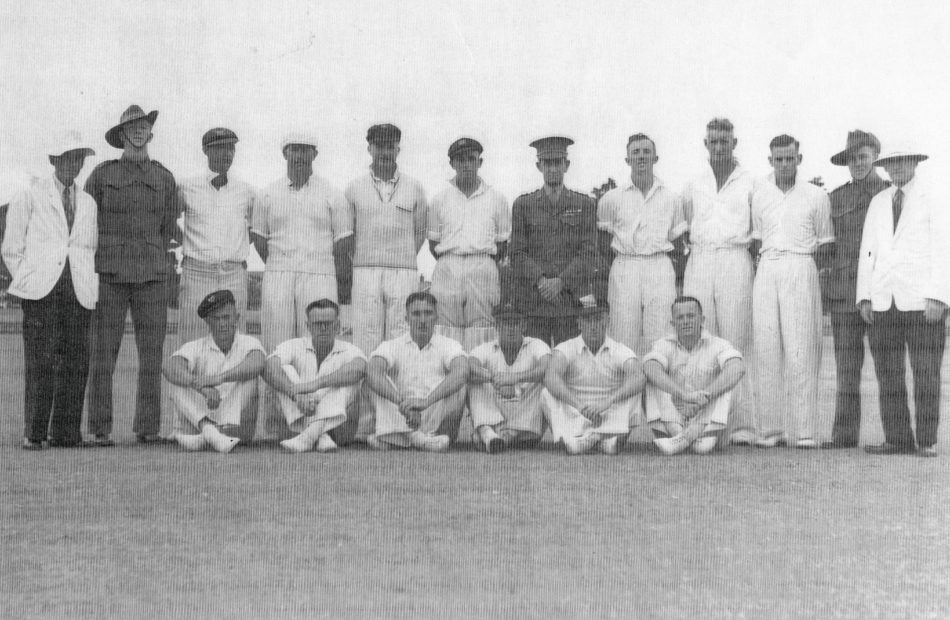
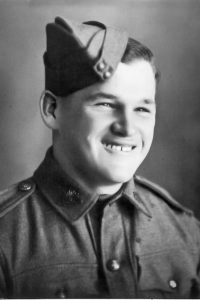
WX9324 MCCARTHY, Jack Corporal b. 1918 Dangin to Michael and Catherine McCarthy. Jack had two brothers Stan and Bob and two sisters. The family resided at Midland Junction. He enlisted into AIF Aug 1940 from Dangin where he had been working, and later joined 2/4th’s ‘D’ Coy. He was a Corporal with D Coy No. 13 Platoon.
As depicted by his smiling face in his photo, Jack McCarthy had a happy disposition and a love of life, sometimes a larrikin. He was also an active sportsman in Dangin/Quairading – tennis (doubles with his brother Stan), cricket and football.
Whilst a POW at Singapore Jack was included on several work parties outside Selarang. Johore Bahru and Adam Park before returning to Selarang Barracks.
In March 1943 he departed
 Singapore Railway Station with ‘D’ Force V Battalion and headed to Thailand to work on Burma-Thai Railway.
Please read about V Battalion.
At Linson Wood Camp Jack aged 24 years officially died of malaria. His body was buried in the Linson Wood Camp Cemetery and after the war interred to be taken to Kanchanaburi War Cemetery.
14 August 2022 – today at the Service at Kings Park for 77th Anniversary of ‘Victory over Japan’ I learned from Jack’s niece Laurel Morris (nee McCarthy) that her grandmother and Jack’s mother Kate McCarthy sought the details of her second son’s death. Kate apparently met up with a former POW from V Battalion. Jack was beaten up so badly by the Koreans with their usual width of bamboo used for punishment that Jack was left unconscious and died soon after of internal injuries at Linson Wood, Thailand.
One theory is Kate McCarthy very likely spoke with Dangin boy Ron Anderson WX9289 who was with ‘A’Force – however probably spoke to those men who were with Jack McCarthy.
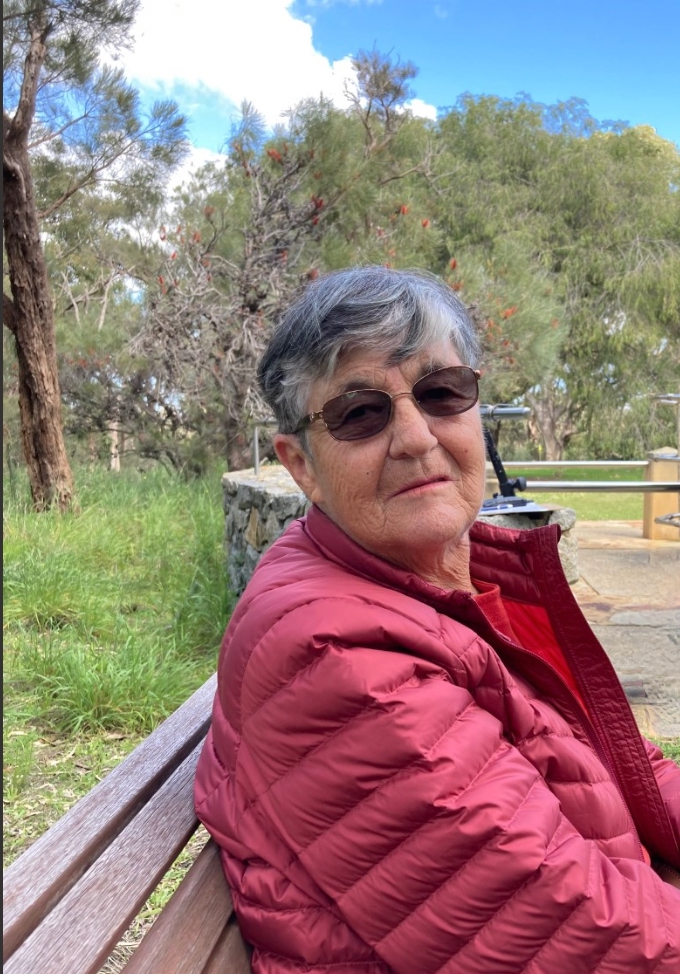
Below: Jack’s niece Laurel Morris (nee McCarthy) who learned about Jack as a young man. Her Grandmother was unforgiving towards Japanese when she learnt the truth of his death. (Taken 14 Aug 2022 – POW Memorial, Kings Park on 77th Anniversary of Victory over Japan)
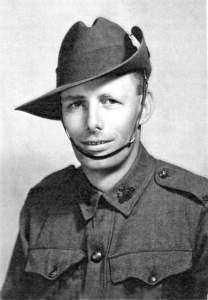
WX7662 MINCHIN, Alec Randall, Corpral b. 1914 Dangin to Frederick and Lily Minchin. He was one of eight children and lived Dangin.Alec’s brother Mervyn also enlisted. He died 1 May 1945 Tarakin, Borneo.
Alec married Mabel Alice Stone about 1941 at Rockingham.
Alec enlisted AIF Aug 1940 later joining 2/4th’s ‘C’ Company 11 Platoon. Alec sailed May 1942 with ‘A’ Force Burma to work on Burma end of Burma-Thai Railway. He survived more than 14 months toiling on the line. In 1944 all POWs in Burma were brought south into Thailand into one of the larger camps. Minchin was selected to work in Japan. His work party travelled to French Indo-China before returning to Singapore to board ‘Rakuyo’ Maru Sept 1944. On 12 Sep, an American submarine wolf pack attacked the convoy ‘Rakuyo’ was sailing with. The ship was hit with 2 torpedoes. It took nearly 12 hours to sink – the Japanese left the POWs behind to fend for themselves. Minchin sadly did not survive. He wearily slipped off the man made life raft on which other machine gunners were holding, on the third day, 15th Sep 1944 aged 30 years. He was one of 28 2/4th Machine Gunners who perished, including Carter (above) and Tom (below).
Please read about ‘Rakuyo’ Maru
WX7664 TOMS, Frederick William b. 1904 Aldershot, England to Septimus and Minnie Toms. He enlisted AIF Aug 1940 later joining 2/4th’s ‘C’ Company, 11 Platoon with Minchin.
It is believed Toms arrived WA with ‘Orveto’ 1930 aged 25. We have little information about his life after his arrival.
Tom was earlier on, we believe, working for Alwyn Lohoar’s family who farmed at South Quairading. Alwyn Lohoar married Beth Minchin – sister of Alec Minchin WX7662. Fred Toms and Alec Minchin enlisted 10 August 1940 (there were many others who also enlisted on this date) and joined ‘C’ Coy, Toms was 10 years older than Minchin. As with Minchin, Toms was sent to Burma to work on Burma-Thai Railway with ‘A’ Force Burma, sailing from Singapore May 1942. He was also selected to work in Japan with ‘Rakuyo’ Maru Party. Toms died on 14 Sep 1944, two days after ‘Rakuyo’ sank. He was 40 years of age. Others from Quairading on board Rakuyo included Carter and Minchin.
WX9280 TREGENZA, Frederick (Fred) Thomas b. 1910 Dangin to James Montague and Mary Jane Tregenza of Dangin. He enlisted AIF Oct 1940 and later joined 2/4th’s ‘D’ Coy, No. 13 Platoon. His brother John (Jack) also enlisted with AIF on same day and he too joined ‘D’ Coy. 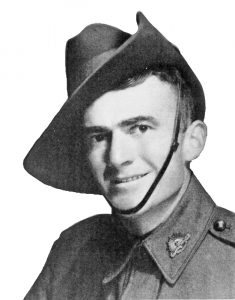
Fred with ‘D’ Coy machine gunners, was sent to west Singapore’s defensive line to support 2/20th Battalion and where Japan’s soldiers began their invasion on 8 Feb 1942. On 9th Feb Fred was reported missing believed KIA when their Vickers machine Gun was overrun by Japanese soldiers. He was 31 years old.
WX9235 TREGENZA, John (Jack) Ernest Sgt b. 1914 Dangin to James Montague and Mary Jane Tragenza of Dangin. He enlisted AIF same time as his brother Fred on 30 Oct 1940, he later joined 2/4th’s ‘D’ Coy. He was a Sergeant in No. 15 Platoon. 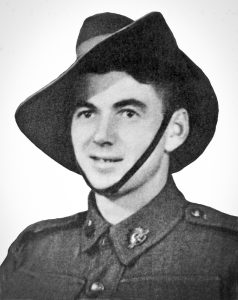
Jack survived the Japanese invasion and week’s fighting from 8-15 Feb. At Singapore he joined work parties to Johore Bahru and Adam Park and returned Selarang. Jack also went with ‘D’ Force Thailand V Battalion to work on Burma-Thai Railway departing Singapore Railway Station March 1943 to Thailand. Jack died on 2 Sep 1943 of cerebral malaria at Brankassi Camp. He was 28 years of age. Please read further about D Force Thailand V Battalion
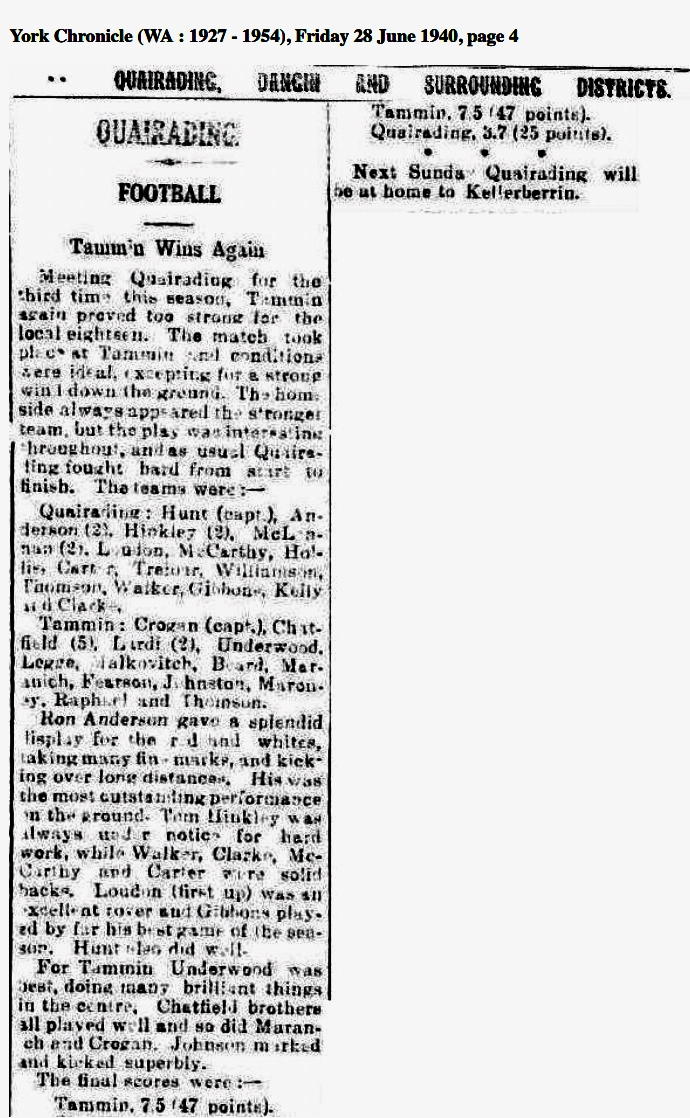
Happier days in Quairading.
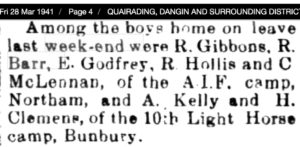
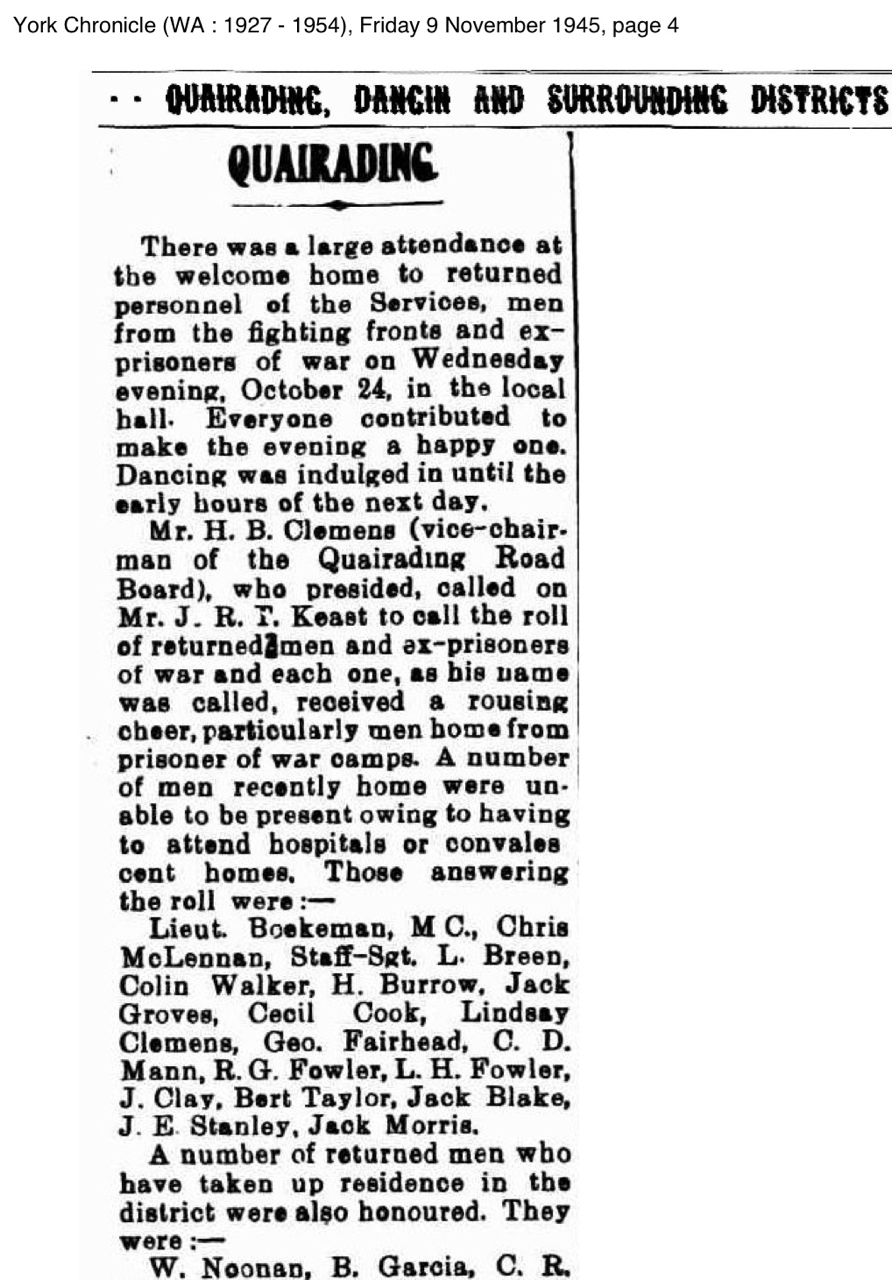
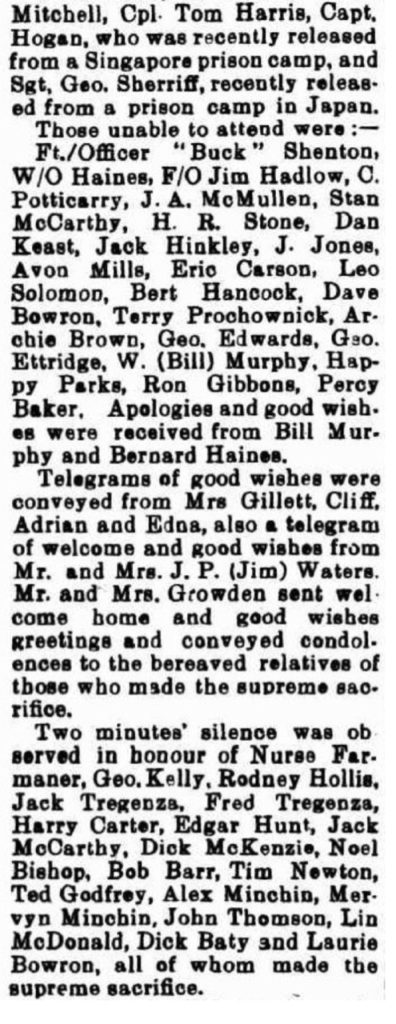
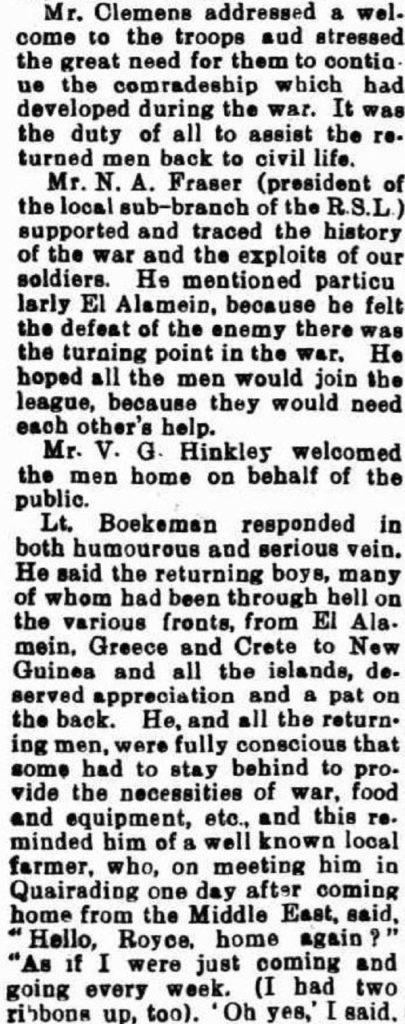
WX9289 ANDERSON, Ronald George (Ron) was with ‘D’ Coy 13 Platoon. Went with ‘A’ Force Burma, Green Force No. 3 Battalion to work on the Burma end of the Railway. Anderson survived to return home.
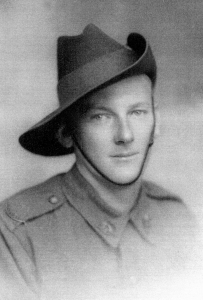
Also known as ‘Big Ron’ – Anderson Played footy with 2/4th team before going to war.
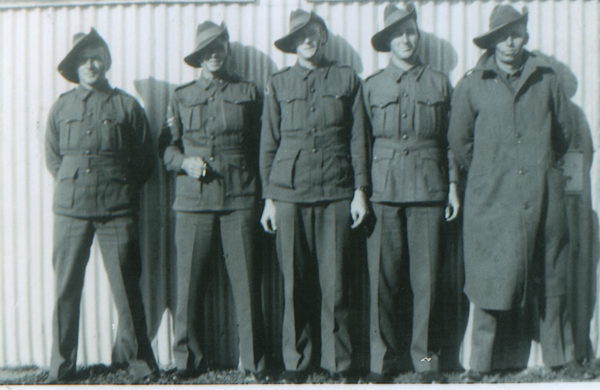
Above: Fred Tregenza, Jack Tregenza, Ron Anderson, Harry Carter and Alex Minchin.
WX7608 McLennan, Chris born Beverley1920 enlisted AIF 10 Oct 1940 and later joined 2/4th’s ‘C’ Company 10 Platoon as a Corporal to CO Lt Wilson. He was sent to the Burma-Thai Railway with ‘D’ Force S Battalion. McLennan survived and was recovered at the end of the war from Nacompaton Camp, Thailand.
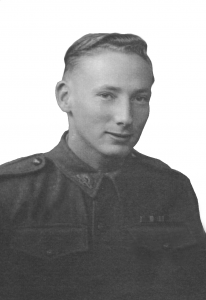
Rod McLennan, son of Chris served as President of the 2/4th MGB from 2010 until he died in 2018. Rod was popular with the old boys (veterans) and travelled away on several trips to lay plaques.
Rod was a conscript for the Vietnam war and had suffered ill-health in the later years of his life. In fact he spent most of the last few years hospitalised.
DANGIN
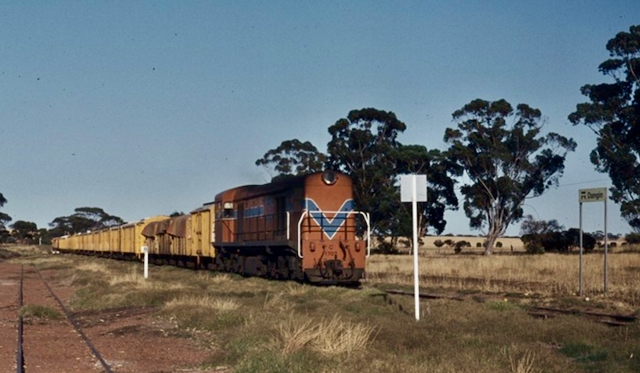
Above: There was never a railway station as such, however the trains did stop.
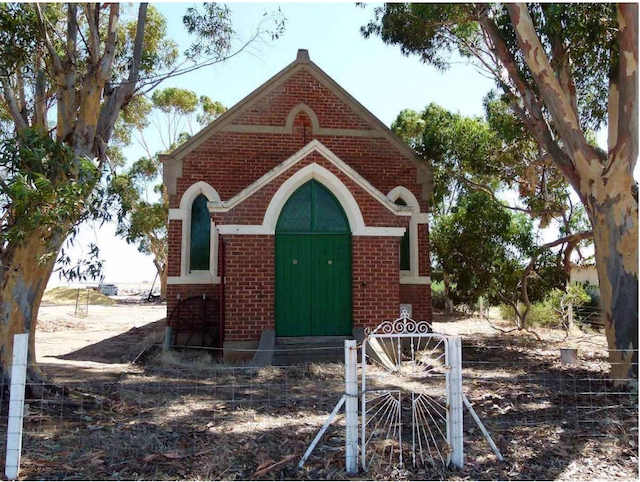
Above: Dangin’s Methodist Church still stands today.
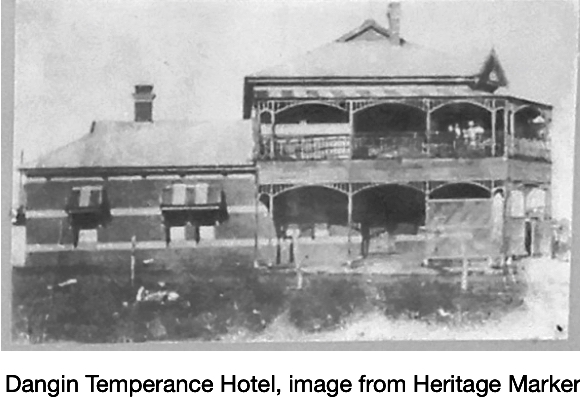
The founder of DANGIN Jonah Parker, came from a devout Methodist family and according to legend, promised his mother that alcohol would not be sold within 5 miles of the new town. In 1908 he decided to build a hotel in Dangin but it was not to be like any other hotel. In keeping with his promise, Parker’s hotel would be a Temperance Hotel and alcohol would not be served. Instead, soft drinks and meals along with accommodation would be provided.
It was quite the modern building and no expense was spared in its construction. The second floor was mostly accommodation and on the ground floor were two spacious dining-rooms along with a billiard-room, commercial, smoke, music, and drawing rooms. It included the latest indoor toilets managed with a septic tank system.
It did have a bar, but it only served soft drink prepared on the premises by an innovative aerated water plant.
The hotel opened on 2nd December 1910 amid much fanfare. Among the many dignitaries was Sir Walter James, previously a premier of WA who is quoted in the West Australian as saying:
“ this was the only inland district in the State which had a genuine temperance hotel. The idea of building up a town undefiled by drunkenness he described as a noble and most commendable one, and it proved that Mr. Parker had ideals higher than mere money-making. His was the true public spirit-an unselfish love for the district he lived in. “ (TROVE – link below)
Sir Walter’s opinions were backed up by other speakers including Mr. Marwick, M.L.C. who congratulated Parker on the venture and expressed his opinion that:
“ the temperance bodies would do more to minimise the evils of drink if they depended less on legislation and followed the example of Mr. Parker in providing the public with all the comforts and conveniences of a hotel without the evils attached to licensed premises. “ (TROVE – link below)
Meanwhile, up the road about 5 miles (8kms) away, another town was being established – Quairading. In February 1909 they too were building a hotel and this one would serve alcohol.
QUAIRADING flourished and DANGIN died.
Quairading, the town with the pub that did have beer, continued to expand. So much so that in 1950, when the Quairading council wanted to provide accommodation for workers, they bought the Dangin Temperance hotel from the CWA supposedly to build flats in Dangin for their workers. But, before the CWA could protest, the hotel was dismantled, and the materials used to build houses – in Quairading.
Group Settlement Scheme WA – How did it work.
The Group Settlement Scheme was an assisted migration scheme which operated in Western Australia from the early 1920s. It was engineered by Premier James Mitchell and followed on from the Soldier Settlement Scheme immediately after World War I.
In the early 1920s and after WW1 many English born 2/4th Machine Gunners migrated to WA with their families as assisted migrants, taking up land with the Government Group Settlement Scheme in areas such as Denmark, Manjimup, Busselton, Northcliffe, etc. This was an attempt by our Government to further develop land and increase food production.
As with any scheme, there were successful stories and many were not. Much depended on the land and location, services or facilities (mostly there were not and remoteness was a huge problem for families), sometimes luck, and most importantly weather and general economy.
Life was very much a challenge for many pioneer farmers who had to endure the Depression and Rabbits, particularly inland farming in WA. Many farmers who were not with Group Settlements simply walked off their land. There is a substantial number of 2/4th Machine Gunners who left their farms.
The scheme was to provide 40-to-65-hectare (99-to-161-acre) land holdings which had to be cleared and intensively cultivated. Initially the scheme was supervised by experienced farmers to develop a self-sustaining dairy industry. The whole scheme was the idea of Premier Mitchell, who earned the nickname ‘Moo-Cow’ – he appeared to be obsessed with the dairy industry. The Nationalist and Country Parties considered ‘unlimited land resources for closer settlement’ the key to the state’s economic progress.
Over 6,000 people emigrated to Western Australia under the Group Settlement Scheme which was funded jointly by the State, Federal and UK Governments.
Please read the story of Tommy Lewis and his family
Also read information from Denmark Historical Society
The Northcliffe Pioneer Museum
Other 2/4th families include:
Tom Fotheringham’s family took up the offer of Group Settlement No. 52 Lennox, Loc. 2395 near Busselton in 26 May 1924.
Bill and Ada Reeves – Group 13 Cowaramup.
The family of Norman Patrick HAYES were at Peel Settlement 54
Below: succesful dairy farms


It was a challenging life for families – for migrants who were far from home and families. The isolation and remoteness from hospitals and essential services was confronting.
We acknowledge these early pioneers. It took courage, tenacity and resourcefulness to achieve what you did.
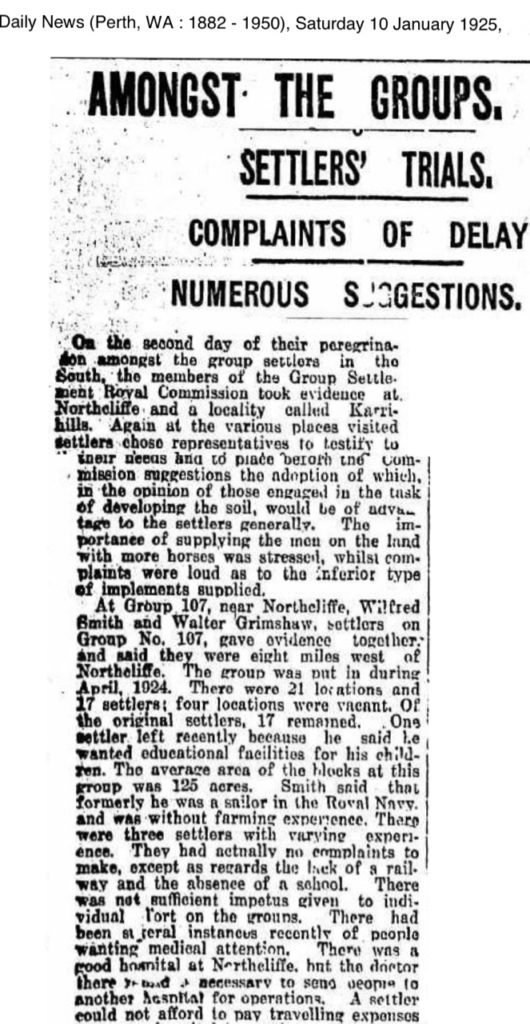
In particular, there were negative reports from the Northcliffe Group Settlement (as you can read below) where it seems land was unsuitable for such a scheme and settlers were reduced to living in poverty.
Families lived in tented homes for up to several years.

This however, was not uncommon throughout rural Australia where virgin properties were taken up by early pioneers.


Above: Group Settlement School 50, 54.


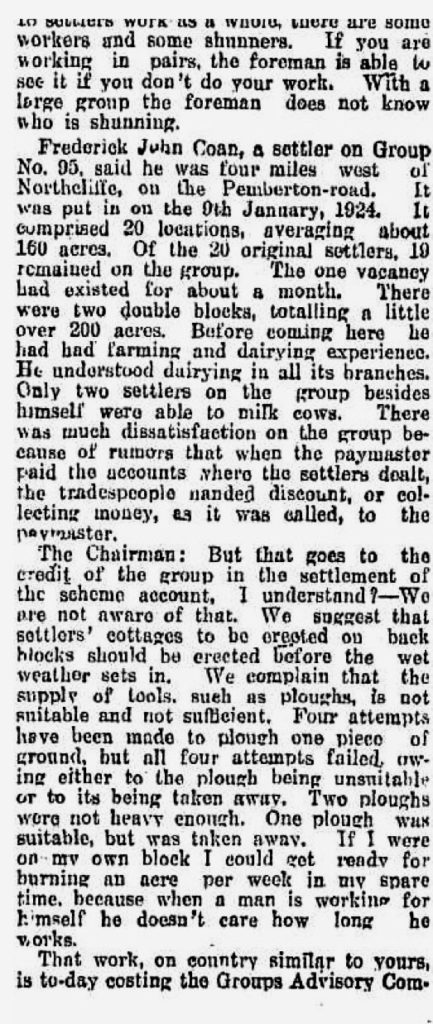


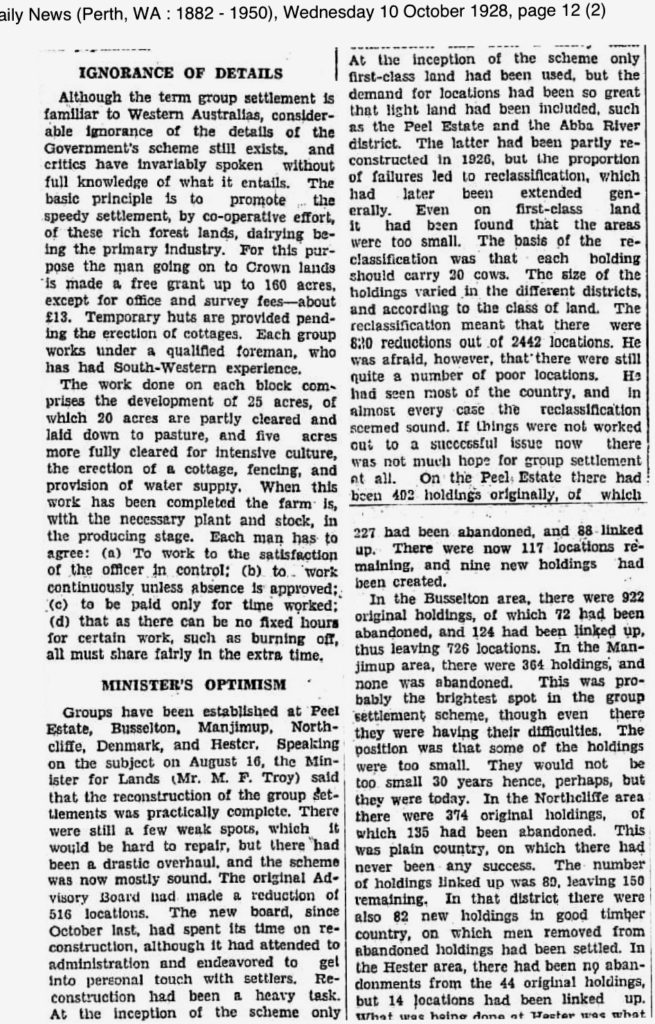


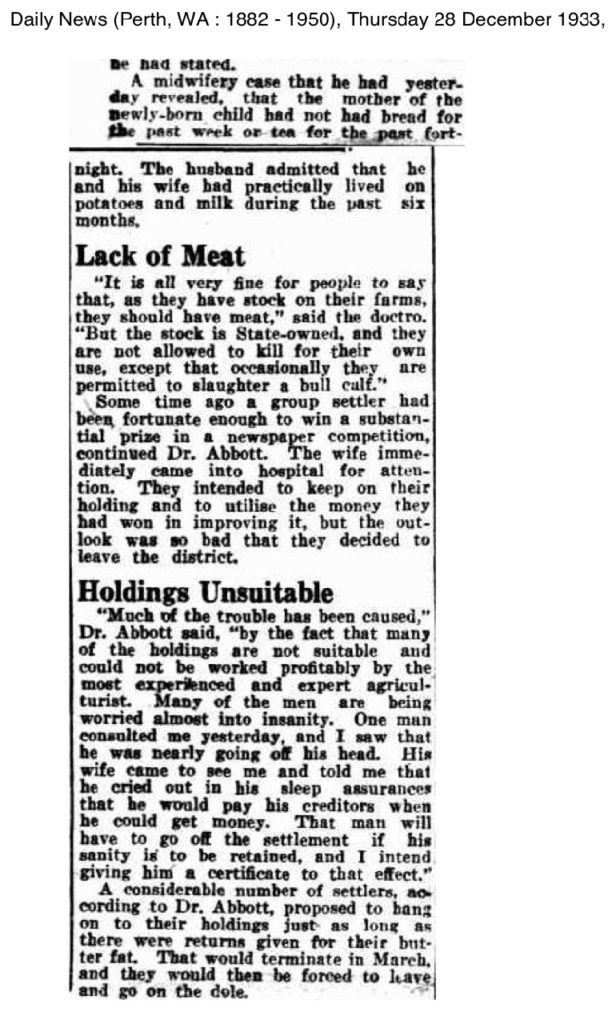
___________________________


Charles Henry Ironmonger is featured in the report below. He arrived in WA with his wife a few years earlier.

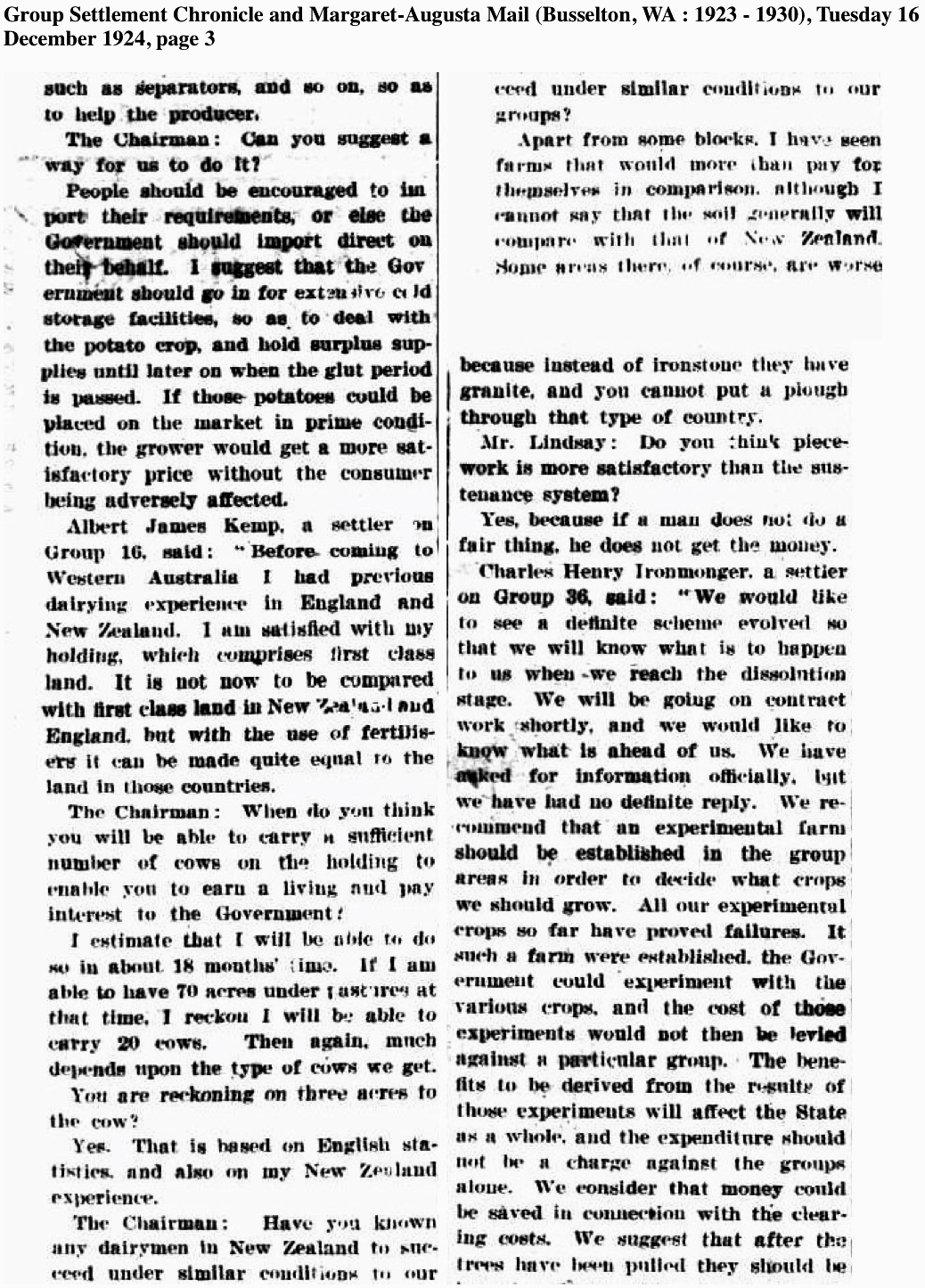


MANJIMUP WW2 WAR MEMORIAL
The first European to settle in the Manjimup district was timber cutter Thomas Muir in 1856, followed by Charles Rose and Frank Hall in 1859.
Manjimup was part of the Warren road District formed 3 July 1908 and in June 1925 changed to Manjimup Road District.
Manjimup was declared a town in 1910 and the following year the railway from Perth arrived. The population increased greatly when Manjimup became part of the Group Settlement Scheme – WA Government Scheme which was never truly successful. The settlers known as ‘Groupies’ – immigrants were mostly from England daunted when they arrived by sub-standard housing – corrugated iron shacks which were freezing in winter and boiling in summer. By 1924, of the total of 3,399 who had arrived, 1,172 had given up and left.
Manjimup is surrounded by huge stands of marri and jarrah timber.
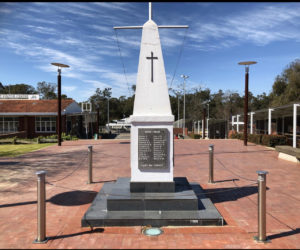
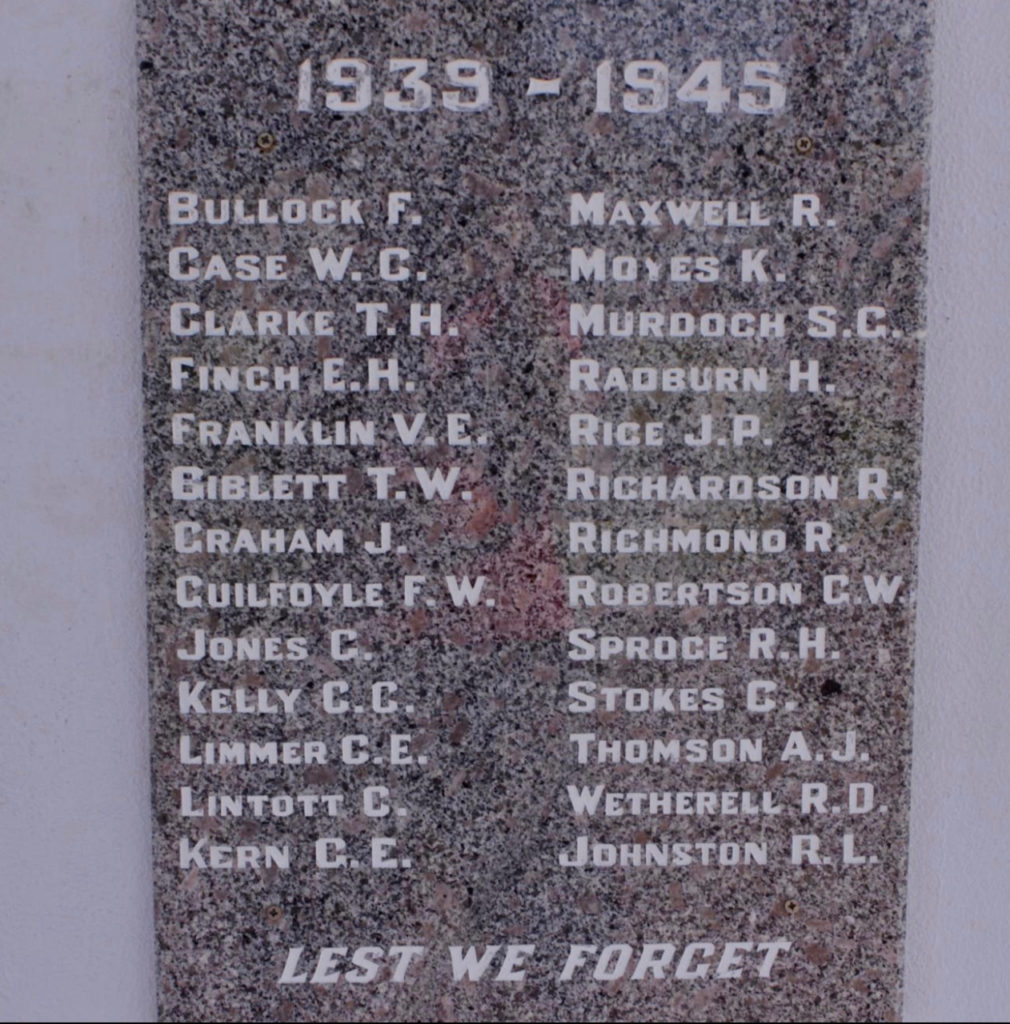
There are two 2/4th Machine Gunner’s names included on the Manjimup WW2 Memorial.
Two young boys who migrated to Western Australia with their families and took up land under Government’s Group Settlement Scheme – enlisted as young men, fought together and died together 12 Feb 1942.
You can read about Group Settlement Scheme
WX11584 CASE, William Cecil b 1915 London, England.
Enlisted AIF 9 Apr 1941, later joined 2/4th’s ‘C’ Company. He was KIA at Hill 200, Ulu Pandan 12 Feb 1942 His body was not recovered until 21 Dec 1942 when Japanese finally allowed 2/4th a search Party to look for our men. Many bodies were recovered and buried nearby. They were later moved to Kranji War Cemetery.
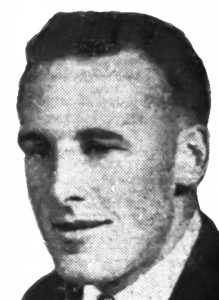
Bill Case came to WA in 1923 with his family from England. His parents William and Susan Case took up Group Settlement Farm 150 at Northcliffe. Later they moved to 100. Farming at Northcliffe proved to be especially challenging under this scheme. Bill was working at Manjimup for several years as a farmhand in the tobacco industry prior to enlisting. He was 27 years old when he died.
WX15829 RADBURN, Harold b 1919 Worcestershire, England enlisted AIF Aug 1941. He later joined 2/4th’s ‘A’ Coy, and like Case travelled with the Battalion to SA and NT for training before sailing for Singapore.
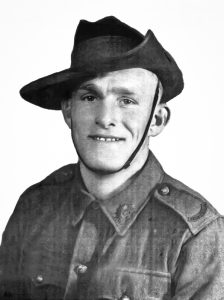
Harold aged 22 years was KIA Hill 200, Ulu Padan, Singapore 12 Feb 1942. Please read further about Ulu Padan.
Harold came to WA with his family in 1923. They took up land with the Government Group Settlement Scheme at Manjimup.
Harold’s brother Ernest is recorded in the list below as well as Frank, sister Dorothy and father Charles. All returned home safely at the end of the war except Harold. Ernest Radburn who had recently married, tragically died 1946 in a motor cycle accident.
The Radburn family endured their share of tragedy, aside from the deaths of sons Ernie and Harold, their home burned down with everything they owned.
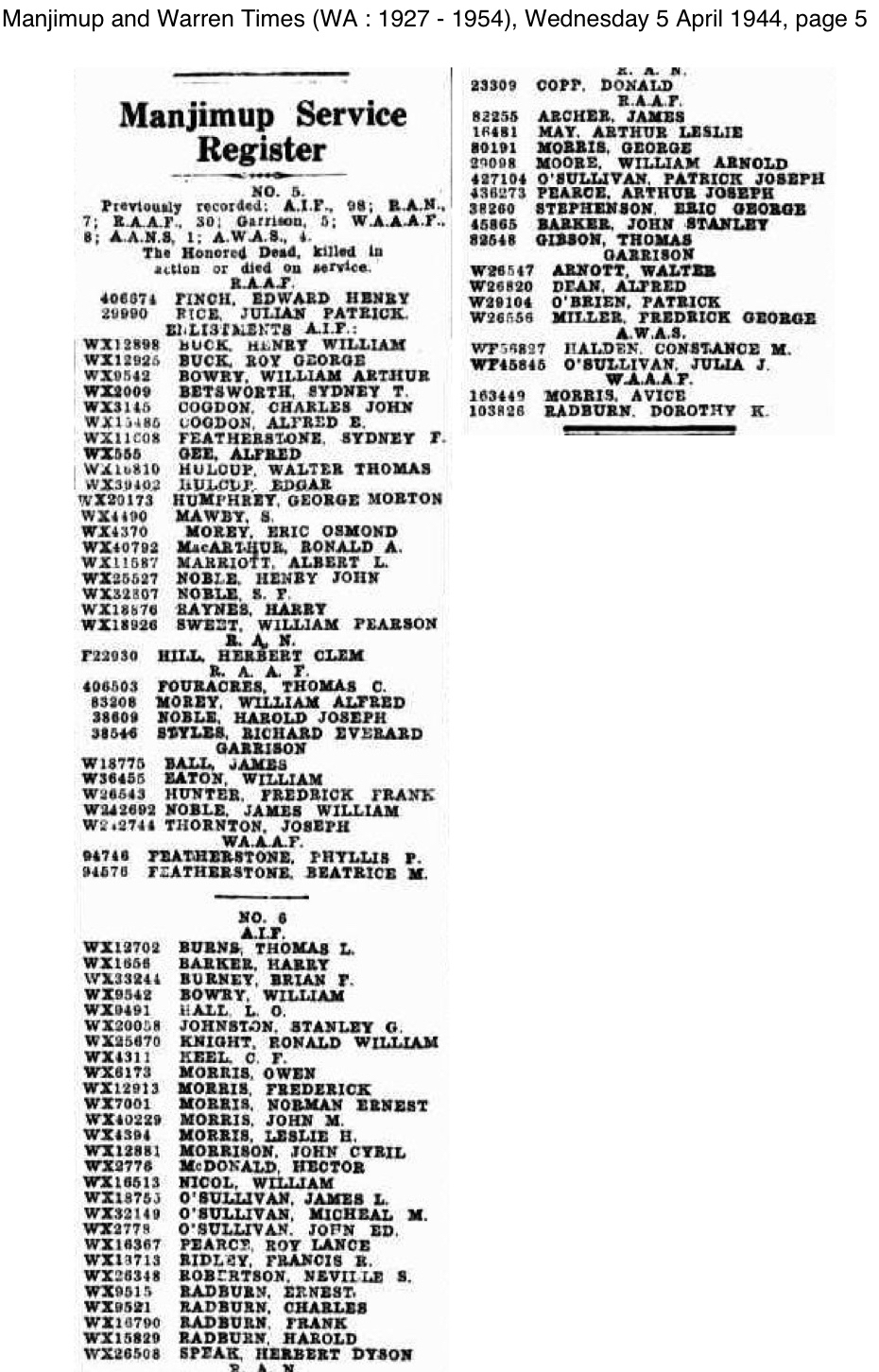
Familiar names of 2/4th Machine Gunners of the above list include:
WX6173. MORRIS, Owen (known affectionately as Romeo) returned home to Australia. Joined ‘B’ Coy 8 Platoon.
Five Morris sons enlisted: Owen, Frederick (b. England 1912), Norman Ernest, John and Leslie – the others were born Bridgetown. That would have been a lot of worrying and sleepless nights for the parents.
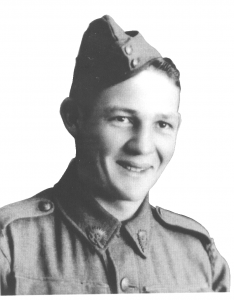
BORN IN MANJIMUP
WX10795 Hughes Ronald Edward (Ron) lost his life aged 24 years in the South China Sea when his Japanese transport ship was torpedoed by US submarines Sept 1944.
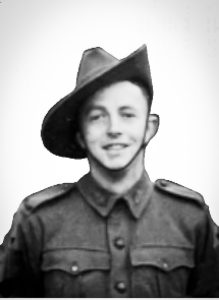
Ron Hughes was born 1920 at Manjimup to parents John Arthur and Jeanette Hughes.
The Hughes family left Manjimup – we know Hughes attended Como School.
Please read further about Ron Hughes
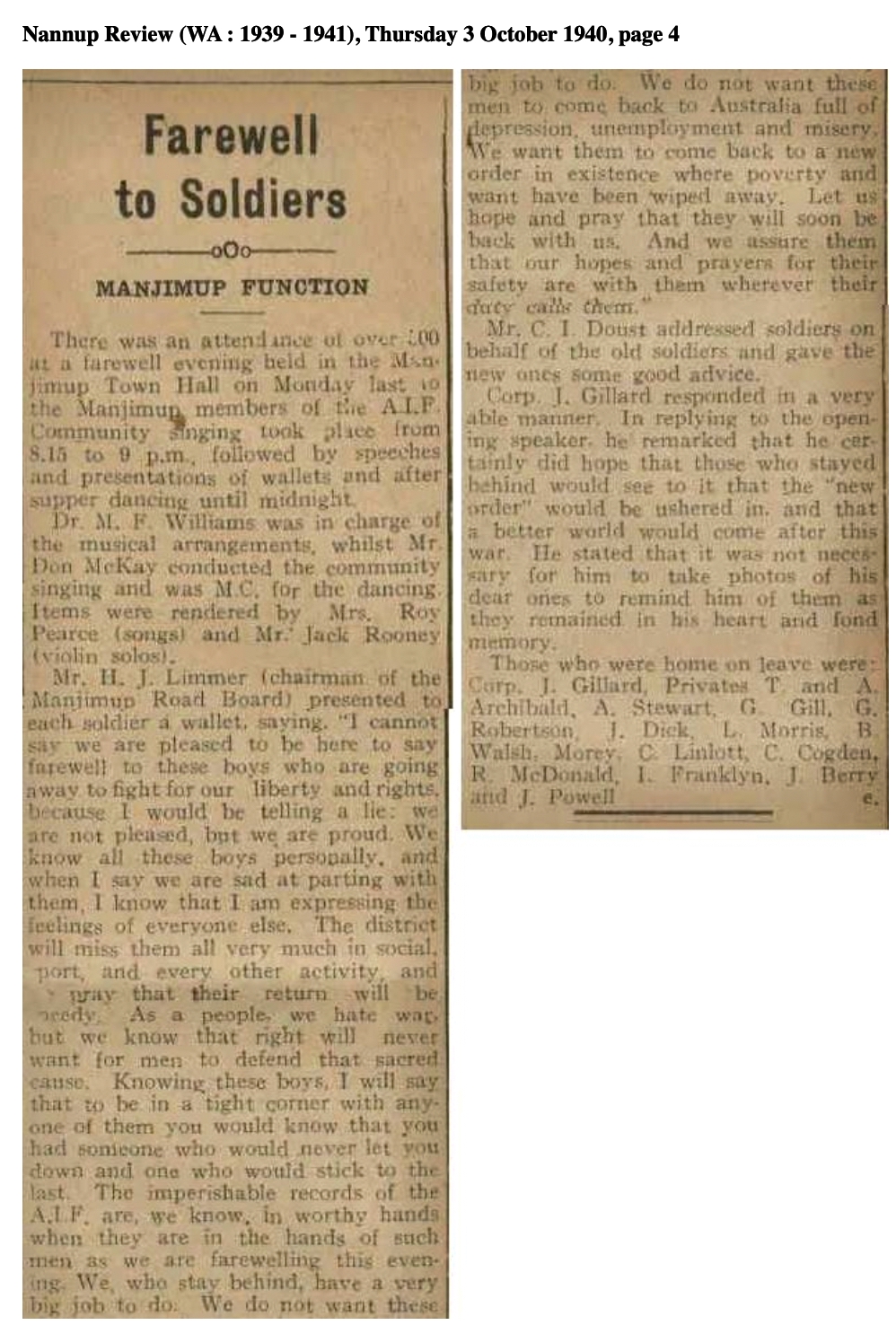
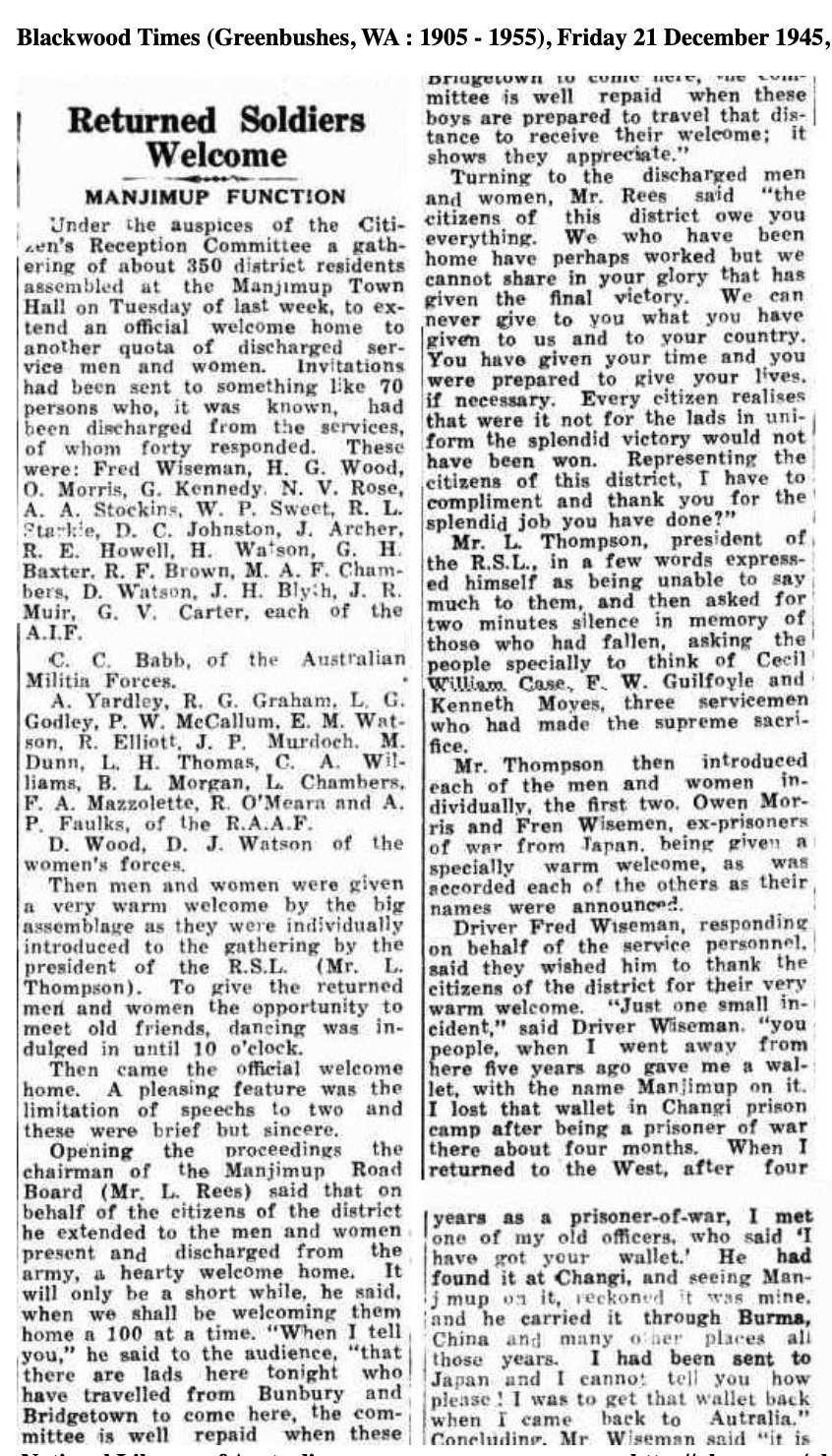
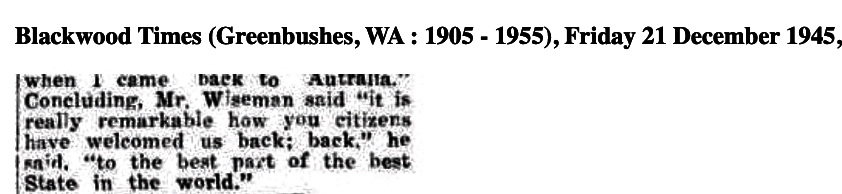
Butler family & Benedictine Mission, New Norcia
WX7469 Thomas Joseph, ‘Tom’ Butler received a gunshot wound to his upper chest during the bayonet charge at Hill 200, Ulu Pandan, south west Singapore 12 Feb 1942. Transferred 2/13th AGH, Tom contracted pneumonia and died 15 Feb 1942 aged 34 years.
Tom Butler enlisted AIF Aug 1940, later joining 2/4th’s HQ Company. With his role as a driver and his nickname ‘Handbrake Harry’ one imagines there was an unforgettable incident when Tom either forgot to use the handbrake or he forgot to release it!
He obviously did not live this down!
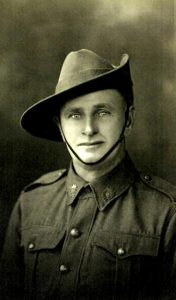
Tom was one of six children born to Thomas Edward and Bridget Mary Fitzgerald who married New Norcia 1893. Tom and his siblings spent their lives at New Norcia where their father, Tom (Snr) was manager of New Norcia Benectdictine Mission Farm – at Namban from 1910 to 1935 when Tom (Snr) retired due to ill health.
Tom (Jnr) worked at a farm-hand prior to enlisting. He married in 1940.
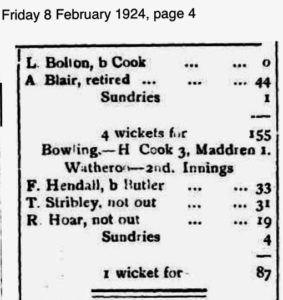
Tom and his father were keen sportsmen, and at one time we can see father and son played in same cricket match! Tom (Jnr) also played local football and tennis. His sister Mollie taught at New Norcia School and was thought of as an ‘Angel without Wings’. Young Tom was also highly regarded and thought to be following in his father’s footsteps. The Butler family were very much involved in the community.
In 1912, the Marah School opened in the Benedictine Chapel (mud brick plastered inside and out) at the settlement. Miss Eva Crain, the teacher opened with 22 students, including the Butler children who travelled from Namban Mission Farm where their father was the manager. The school closed in 1920.
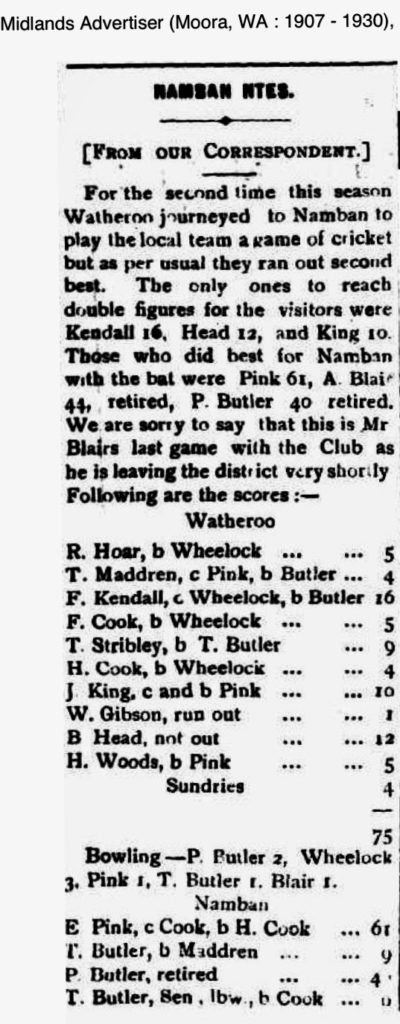
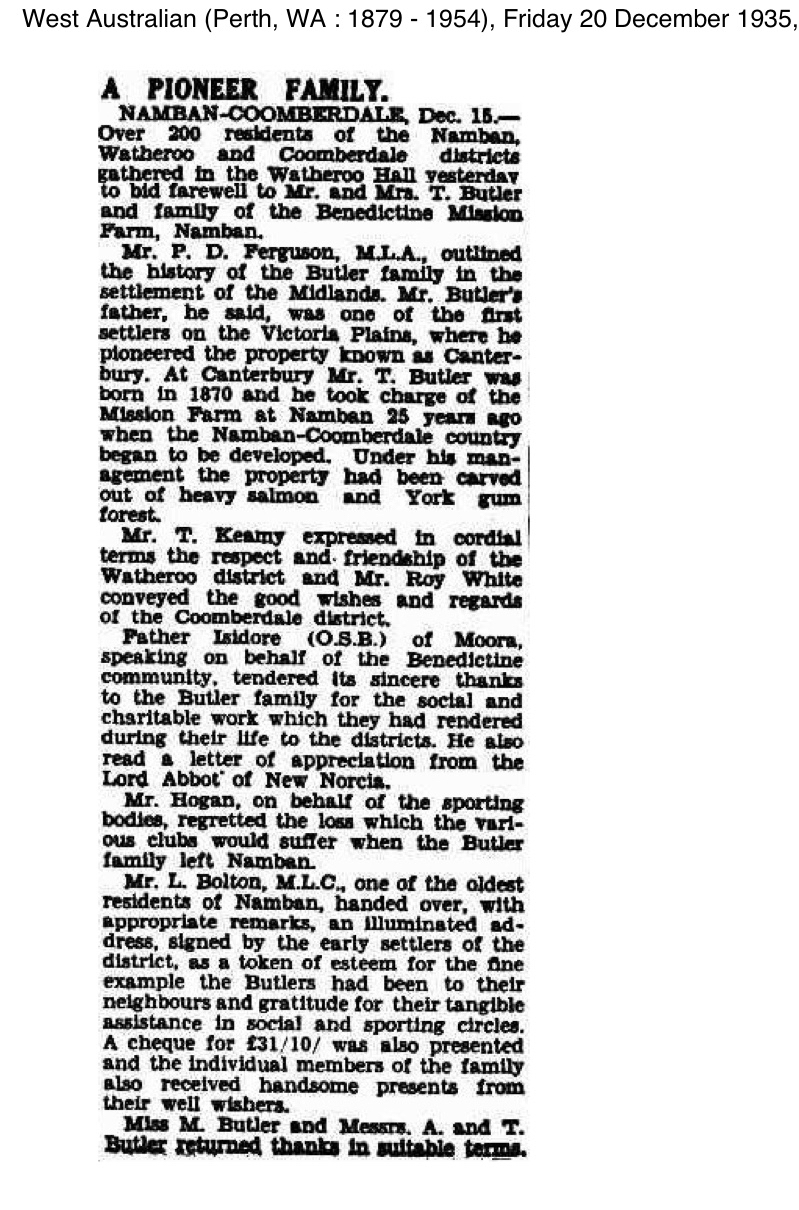
200 people from Bamban and surrounding region gave a farewell party to Tom Butler (Snr) and his family. Tom was recognisedand praised for his farming and sporting skills. His father John Martin Butler, and Tom (Jnr’s) Grandfather had initiated the Butler relationship with the Mission right back to the beginnings of New Norcia Mission.
Tom (Snr) was born New Norcia 1870. His father John Martin Butler settled down at ‘Canterbury’ property after Bishop Salvado had established the New Norcia Benedictine Mission. John Martin Butler then moved to ‘Mt. Mary’ property from where he drove his bullock team to Perth and back with supplies for the farm and family.
Ill-health had pushed Tom (Snr) into retiring and amidst so many praises for the family, he was given a walking stick. Mentioned was the hospitality always offered by Mrs Butler, her door always open to all. Daughter Mollie had taught at the local school and been extremely active in the community. She was referred to as an “Angel without wings”.
.
BUTLER, JOHN MARTIN, PIONEER NAMBAN – Grandfather to Tom Butler (Jnr) and father to Thomas Tom (Snr) Edward Butler
Early Australia saw a strong quest by Catholics and Protestants for ecclesiastical territory – Early Catholicism in Western Australia.
The first vicar general in WA, John Brady was anointed Bishop about 1844. The colonial secretary of Western Australia at the time, Dr R.R. Madden a devout Irish Catholic and Catholic Historian reported ‘the colony was administered by Irish Orangemen in the interests of Orangemen … unprincipled astute bigots in authority”. According to Madden, Brady ‘lived in a miserable hovel without comforts of any kind, on the simplest food’.
Dr Madden continued his criticism of John Brady who described south Western Australia as having about 3,000 catholics when in fact at that time, there would have been possibly 90 Catholics in the Perth region. Brady also had published a book in Italian and English about an Indigenous language of WA’s south west – which puzzled Madden because Brady had only spent a few months in WA before sailing to Europe in about 1844.
In early 1846 Bishop Brady returned to WA with 27 new staff from France, Ireland, Italy and Spain – this event was covered extensively in the Australian press of the time. Newspapers provided various breakdowns of the party – such as number of priests, Irish students and Sisters of Mercy. Also included in the party was Dom Salvado OSB – he mentioned six priests – three French, one Irish and himself, six Sisters of Mercy, 14 novices, students and lay people. Only one priest could speak English.
One party was sent to the Mt. Barker region and almost starved to death. The few settlers were suspicious of their new arrivals who probably could not speak English. They later returned to Europe.
John Martin Butler b. 1814 Ireland d. 9 Apr 1895 buried New Norcia, (81 years) arrived WA ‘Elizabeth’ 8 Jan 1846 aged 32 years. Early Colonial history records Butler was a catechist with Brady’s party at Guildford and Mt Barker.
In 1848 J.M. Butler went to New Norcia as agent for Bishop Salvado. When Salvado went to Europe, Butler took up the New Norcia Lease in 1851.
John Martin Butler aged 39 years married 24 Nov 1853 at New Norcia to Mary CLUNE aged 21 years b. 1832 Ireland – d. 24 Oct 1902.
In 1865-7 J.M. BUTLER became first Postmaster of Victoria Plains (New Norcia was included in Victoria Plains (Shire) Roads Board.)
1871-2 J.M. BUTLER was first Secretary Victoria Plains Road Board.
Tom (Snr), Thomas Edward was born New Norcia 1870. His father John Martin Butler settled down at ‘Canterbury’ property after Bishop Salvado had established the New Norcia Benedictine Mission. John Martin Butler then moved to ‘Mt. Mary’ property from where he drove his bullock team to Perth and back with supplies for the farm and family
__________
J.M. BUTLER and Mary BUTLER (nee CLUNE) are buried New Norcia Cemetery.
‘Bully’ HAYES & ‘Buck’ ROGERS
What is in a name? This is small historical background on the original ‘Billy’ Hayes – whose life would have appealed to Aussies of this time (and probably today!)
‘Bully’ HAYES WX11202 was KIA 12 Feb 1942 at Hill 200, Ulu Pandan, Singapore. He was just 22 years of age.
Below: Hayes and Right: Dudley Squire, the two men from ‘C’ Coy were KIA together at Hill 200, Ulu Padan on 12 Feb 1942.
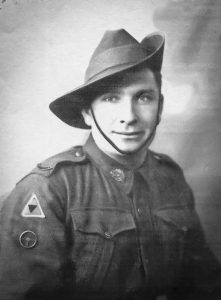
‘Bully’ was with WX9330 Dudley Joseph SQUIRE from 11 Platoon climbing Hill 200 during fierce fighting – both men were riddled with machine gun bullets and killed.
Their bodies were recovered 21 Dec 1942 by Major Cough Party when 2/4th were finally given permission by Japanese to recover their dead. Their bodies, and others were buried nearby and after the war removed to Kranji Cemetery.
‘Bully’ & Squire were both with ‘C’ Coy located on south west coast of Singapore. The Japanese attack began on night of 8 Feb and continued with ever-increasing numbers of invading Japanese soldiers and bombardments. Hayes and Squires with 2/4th machine gunners were fighting for their lives.
You can read about Ulu Padan
Many 2/4th lives were lost at Hill 200 and Ulu Pandan.
Keith ‘Bully’ Hayes b.1919 East Perth to Tom and Eileen Hayes. He was the eldest of five children. There is no doubt ‘Bully’ was a family given nickname. The original ‘Bully’ Hayes was a true life (American born) buccaneer/pirate of the south seas in1850s-1870s.
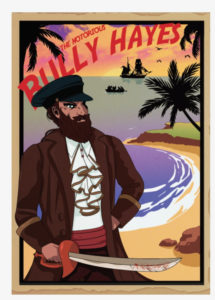
‘Bully’ Hayes was born William Henry Hayes 1829 Cleveland, Ohio, USA.
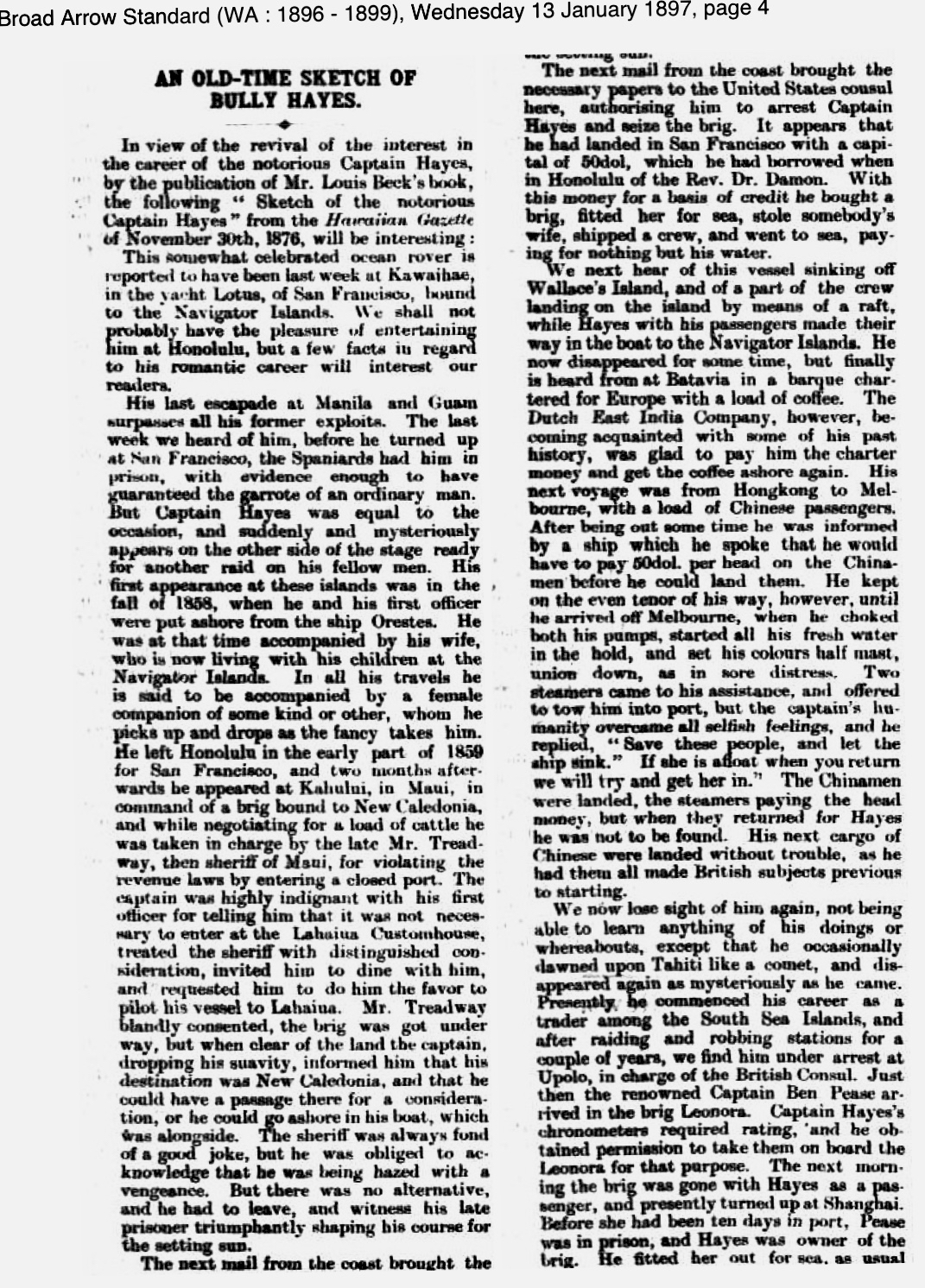
‘Bully’ was a man of many skills and habits – adventurer, blackbirder, merchant ship’s master, pirate, prisoner, bigamist and swindler just to mention some. He became notorious around the Pacific Ocean from 1850s-1870. It is impossible to sift facts from fable. In later years fiction stories and films were made about ‘Bully’. We believe this is how our ‘Bully’ Hayes earned his family given nick-name!
Below: Squires with ‘Buck’ Rogers and unknown.
‘Buck’ Rogers was a science-fiction character. ‘Buck Rogers in the 25th Century ‘. The original stories were converted into popular newspaper comic strips the first appearing in 1929.
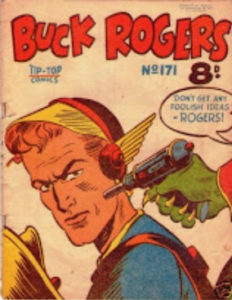
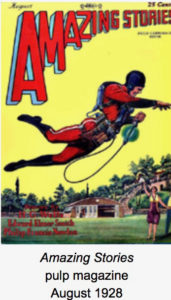
WX9005 Eric Reginald ‘Buck’ ROGERS b.1905 Berkshire, England enlisted AIF 25 Oct 1940 and joined ‘C’ Coy.
Rogers was sent to Burma end of Thai- Burma Railway with 3,000 Australian POWs from Singapore in May 1942.
Rogers survived the railway, however was believed to be ill and evacuated to Tamarkan Hospital then Nacompaton in 1944. He was recovered at the end of war from Thailand and returned to West Australia. We have no knowledge of when Rogers acquired his nickname of ‘Buck’
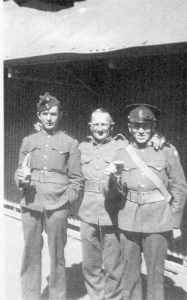
Dudley Squire b. 1909 Deveon, England was farming at Muckinbudin prior to enlisting AIF in Oct 1940, he joined ‘C’ Coy 11th Platoon.
He was 32 years old when he died at Ulu Padan. Squire was one of 5 machine gunners from Muckinbudin. Please read further
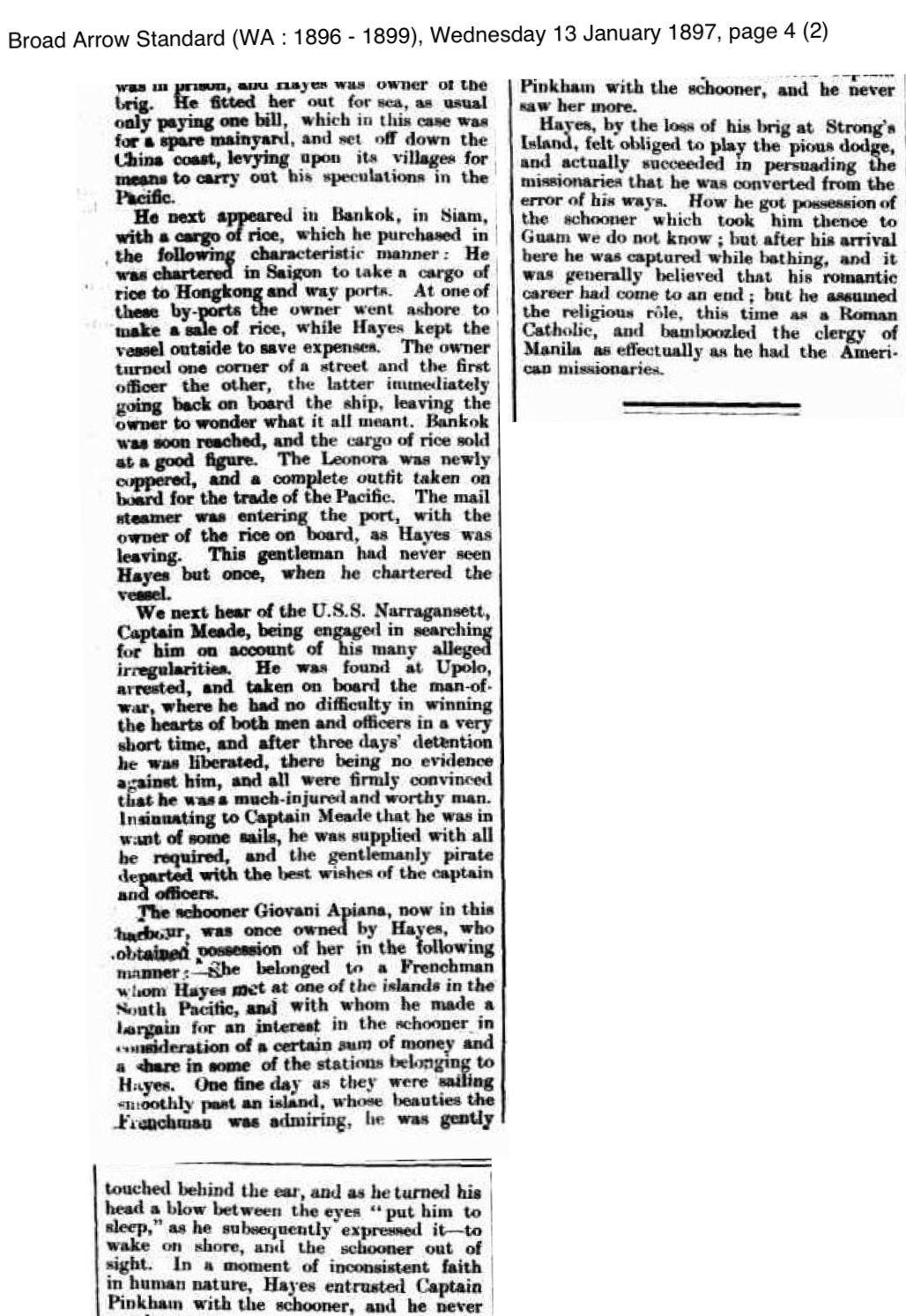
Below: From the Broad Arrow Standard 1897. Stories about ‘Bully’ Hayes were written in newspapers across Australia over decades.
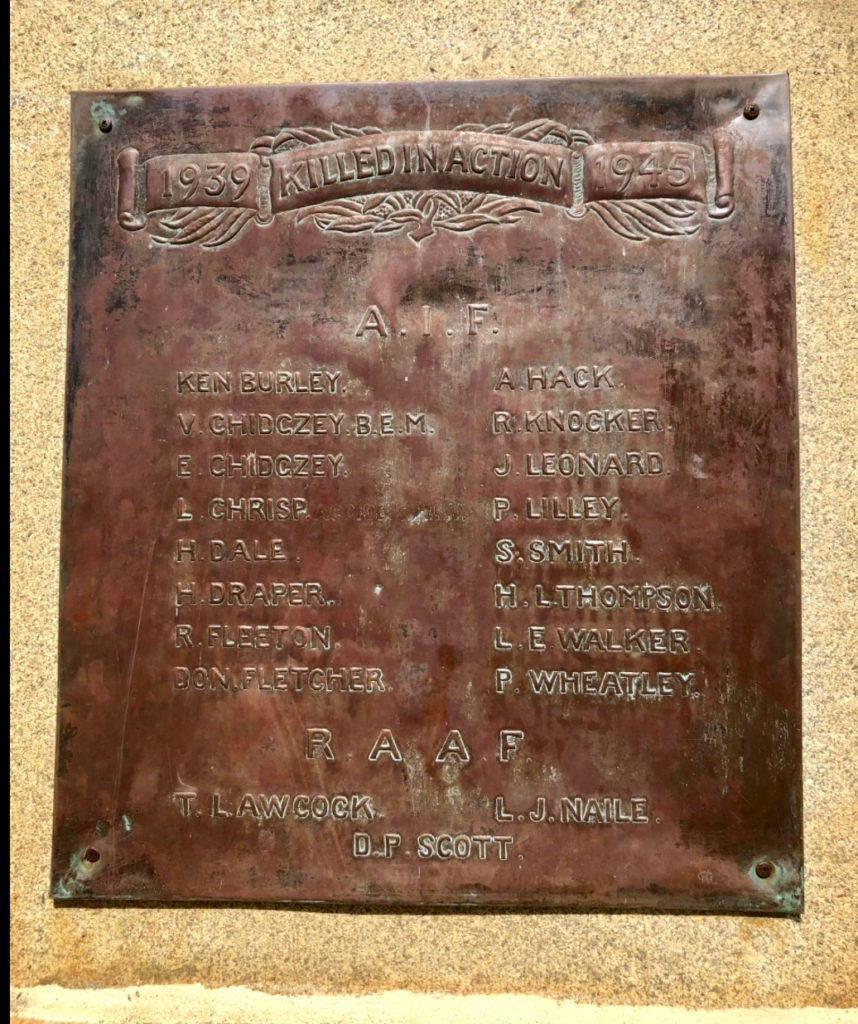
BRIDGTOWN WW2 MEMORIAL
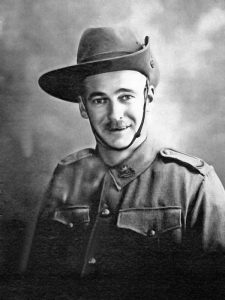
WX8003 HACK, Alexander Meora b. 1906 Bridgetown to William Wilson Meora and Charlotte Scott Hack. Alex Hack died on the notorious Sandakan-Ranau Track, Borneo 4 Feb 1945.
Hack was taken from Singapore with ‘B’ Force Borneo where the POWs worked constructing airfields at Sandakan for Japanese military.
 In 1945, following Allied bombing raids which reduced the airfields to be no longer repairable – the Japanese decided to make their last use of the POWs and ultimately put to death every last prisoner and be rid of any evidence.
Alex Hack’s name is also inscribed on the Boyup Brook Sandakan Memorial.
George Gossage does not have his name included on the Bridgetown Memorial. However, George spent most of his formative life there, school and participated in local sports.
WX9062 GOSSAGE, George John b. 1915 Kalgoorlie to George Victor and Annie Gossage. The Gossage family lived in Bridgetown most of George’s (Jnr) life, until his father died of illness in 1934, after which Mrs Gossage and children moved to live in Perth.
The Gossage children attended the local Catholic school. George (Snr) was employed with WAGR. George (Jnr) participated in local and school sports – including Cycling, Football and tennis. His sister Nellie was a talented pianist and by all accounts the Gossage family, including George’s grandparents actively participated in the Bridgetown community.
George Gossage aged 26 years was KIA 12 Feb 1942 at Ulu Pandan, during Battle for Singapore.