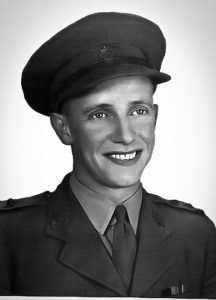
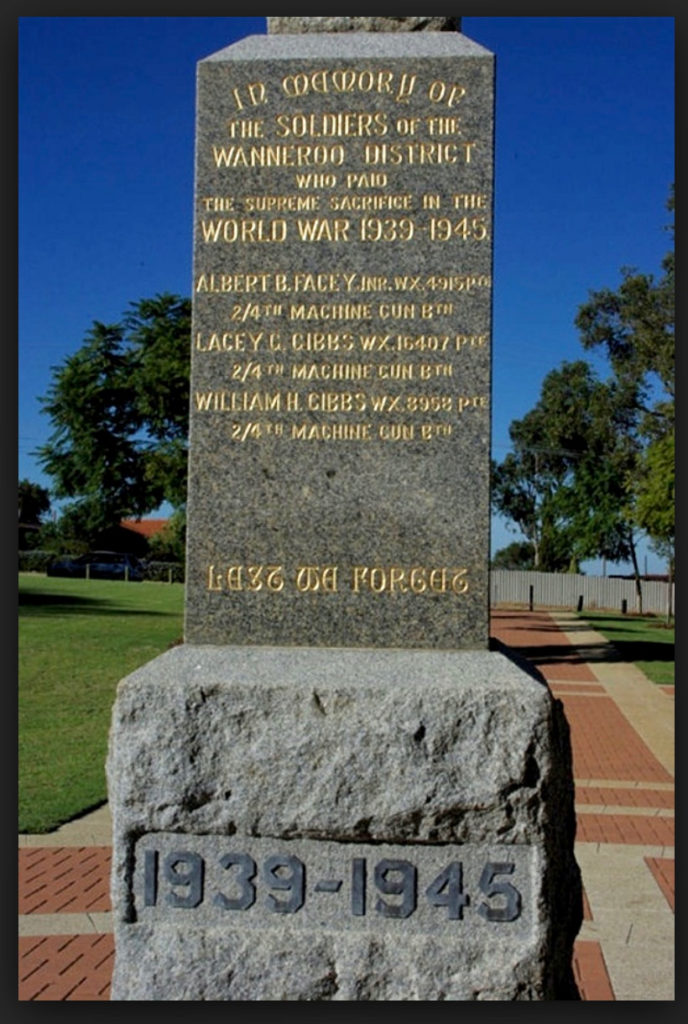
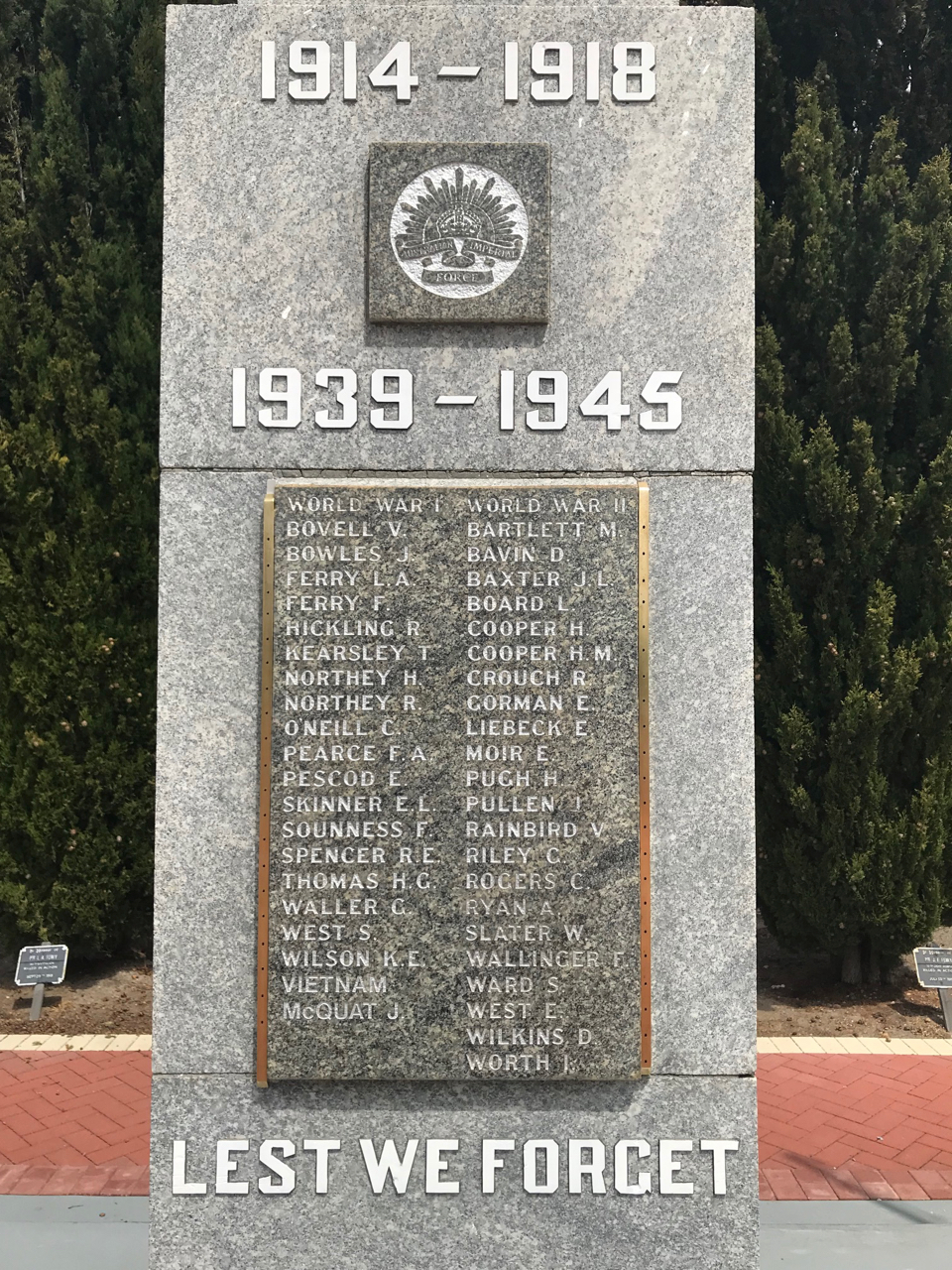
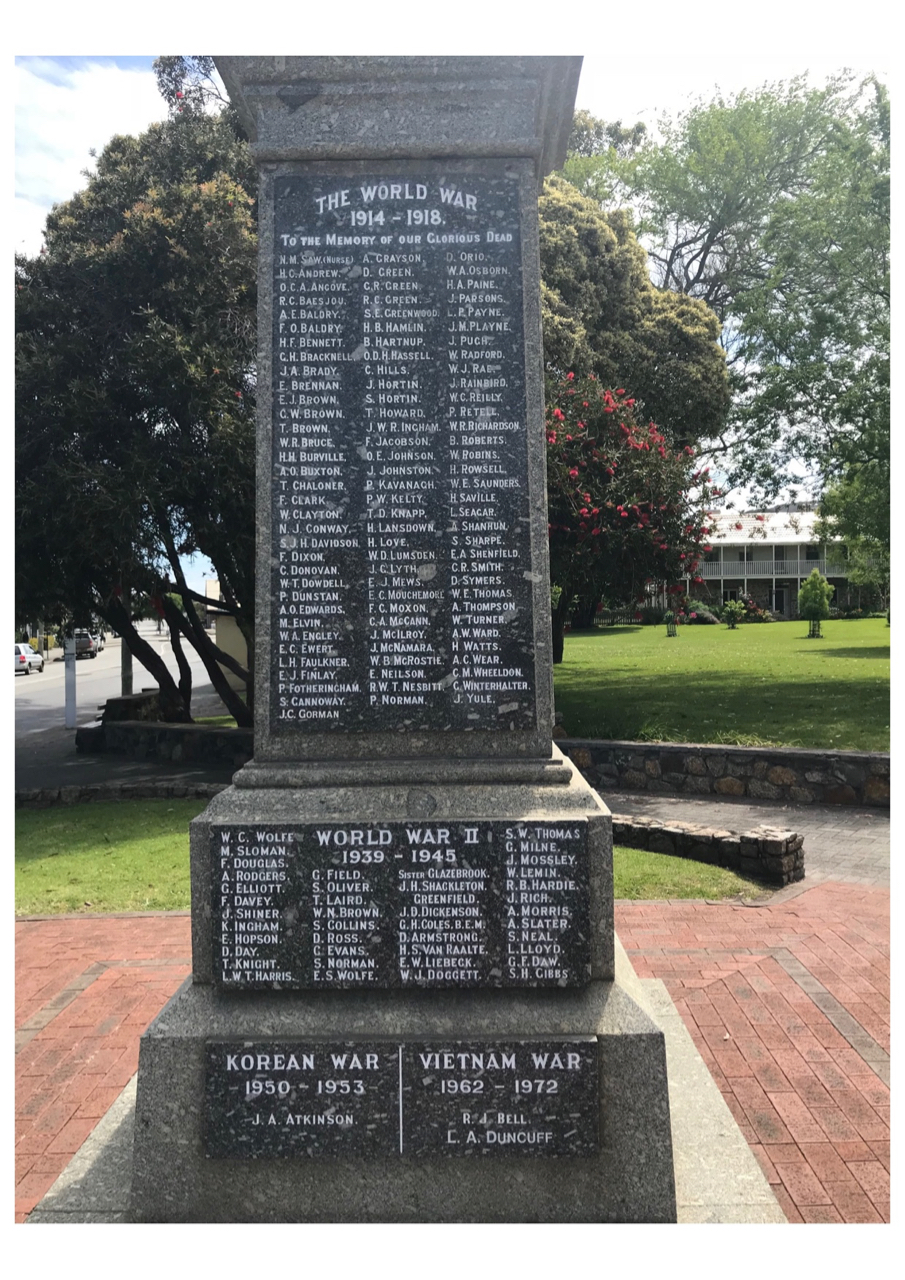
Wanneroo WW2 Memorial includes following three men from 2/4th
WX4915 ALBERT ‘BARNEY’ BARNETT FACEY
Enlisted 23 July 1940 and soon after joined 2/4th as a Driver with ‘A’ Company. Barney was KIA on 15 February 1942 aged 23 years, the same day the Allies surrendered to Japan.
WX16407 LACEY GORDON GIBBS was younger brother to Jim Gibbs. He enlisted 25 August 1941 and joined his brother in ‘D’ Company. Lacey and Jim survived the battle at Singapore, became POWs of Japan at Singapore on 15 February 1942.
Lacey and Jim were sons of Jabesz and Florence Gibbs.
Lacey was 27 years old when he lost his life in South China Sea.
‘A’ Force made up of 3,000 POWs, departed Singapore Harbour 14 May 1942, sailing for the south west coast of Burma to Victoria Point where most of Green Force (about 1,000 men) was offloaded to either repair and enlarge the aerodrome or working on the wharf loading/unloading cargo, most of which was of fuel. The remaining POWs sailed to Tavoy or Ye to again repair/enlarge aerodromes left damaged by the British prior to their evacuation of Burma.
By mid September 1942, the three airfields were completed and POWs began making their journeys to Thanbyuzayat (head of the railway in Burma). Journeys included marches and various small boat trips.
Their first work Camp was Kendau 4.8 km thenThetkaw 14km, Meiloe 75km, and finally Augganaung 105km from May to December 1943 when the Japanese informed the men the railway was completed. The POWs had slaved through the wet season existing on little food, Japanese bashings and tropical illnesses and the dreaded tropical ulcers.
The POWs were now moved south to one of the larger Camps in Thailand, including Tamarkan and Kanchanaburi. Those too ill to survive the journey by train were left in the care of POW medical staff and died in Burma.
It was at these Thai Camps men considered ‘fit’ were selected by the Japanese to work in Japan with what would become known at ‘Rakuyo Maru’ party. The journey first included a train trip to French Indo-China to Saigon where it was planned the men would leave by ship for Japan. After several weeks in Saigon during which time the POWs worked on the wharves, the Japanese conceded the American Submarines had too successfully blockaded their ships leaving Saigon.
The decision was made to return POWs by train to Singapore where several weeks after their arrival the men were finally crammed into the hull of ‘Rakuyo Maru’ which sailed out of Singapore Harbour and was sunk by an American submarine about 12 September 1944. Only a small number of POWs were miraculously saved from the South China Sea.
The following should read Sergeant Ronald Arbery (his father is John Arbery)
Quorn, SA. 11 October 1941. ‘A’ Company members, 2/4th Machine Gun Battalion en route from Woodside Camp to Alice Springs. L-R Albert (Bert) Parke WX7007, Edward George (Eddie) Burton (died of illness 21 February 1945 Sandakan) Charles Spencer (Charlie) Parker and Eric Joseph Holst WX8678 (perished Sandakan March 1945).
Cooling Off enroute to Darwin
Bert Norton on his way to Darwin – top LH Cnr in shadow
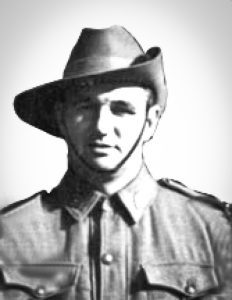
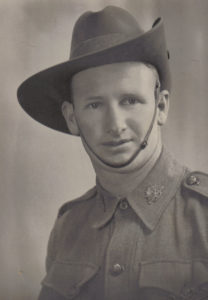
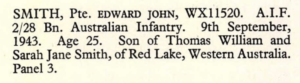
SARAH JANE SMITH (nee Leighton) mother to WX8736 ROBERT (BOB) LEIGHTON SMITH and WX8731 THOMAS (TOM) ERNST SMITH from the 2/4th Machine Gun Battalion. Brothers Bob and Tom did not return from war. Sarah also lost her youngest son WX11520 Edward John (known as Ted) enlisted with 2/28th.
When you are feeling a little sorry for yourself – stop to think of WW2 and WW1 mothers who lost not one son, but two or three and sometimes four. Sarah Jane Smith, who had been widowed twice, now alone had to endure the news that three of her sons would not be returning to Australia – Bob KIA February 1942, youngest son Ted drowned September 1943 New Guinea and Tom died illness Sandakan, Borneo December 1944.
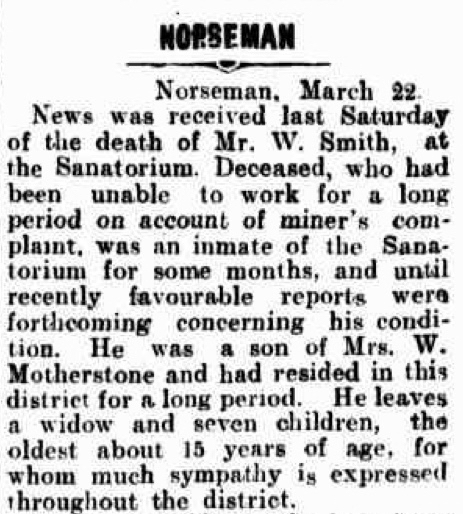
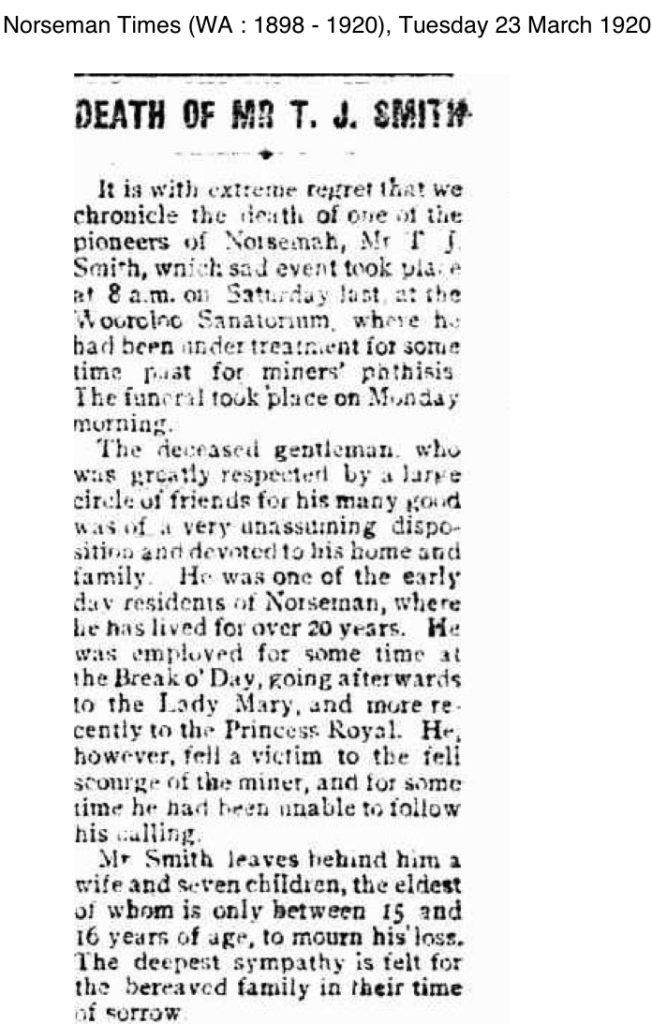
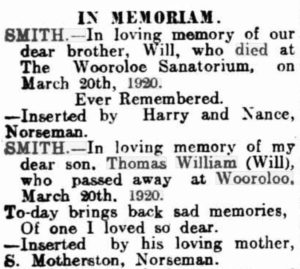
Sarah Jane Leighton was born at the Victorian Goldfields, as was her husband Thomas William (Will) Smith. They married Eaglehawke, near Bendigo in 1904 and moved to WA Goldfields, where Will resumed mining at Norseman. Their first son Alfred was born here in 1905. His birth was followed by a further 5 sons and one daughter.
Two years after the birth of youngest son Ted, Sarah’s husband died at the TB Wooroloo Sanatorium in 1920 aged 46 years. He had been sent to Wooroloo with silicosis as the Sanatorium at Coolgardie had closed. Former miner Will died alone without any family. Sarah now had 7 children between the ages of 2 years and 15 years to take care of (although it is probable her eldest born son Alfred was working at the age of 15). Bob was then aged 12.
One can’t imagine how Sarah survived as a widow in Norseman. She probably had managed for up to 6 months whilst her husband was ill and dying. She may have had the opportunity of earning an income by providing boarding house facilities. There were large numbers of single men on the goldfields who sought accommodation and laundering. We will never know.
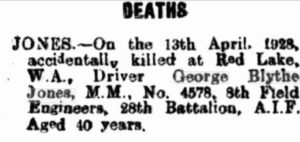
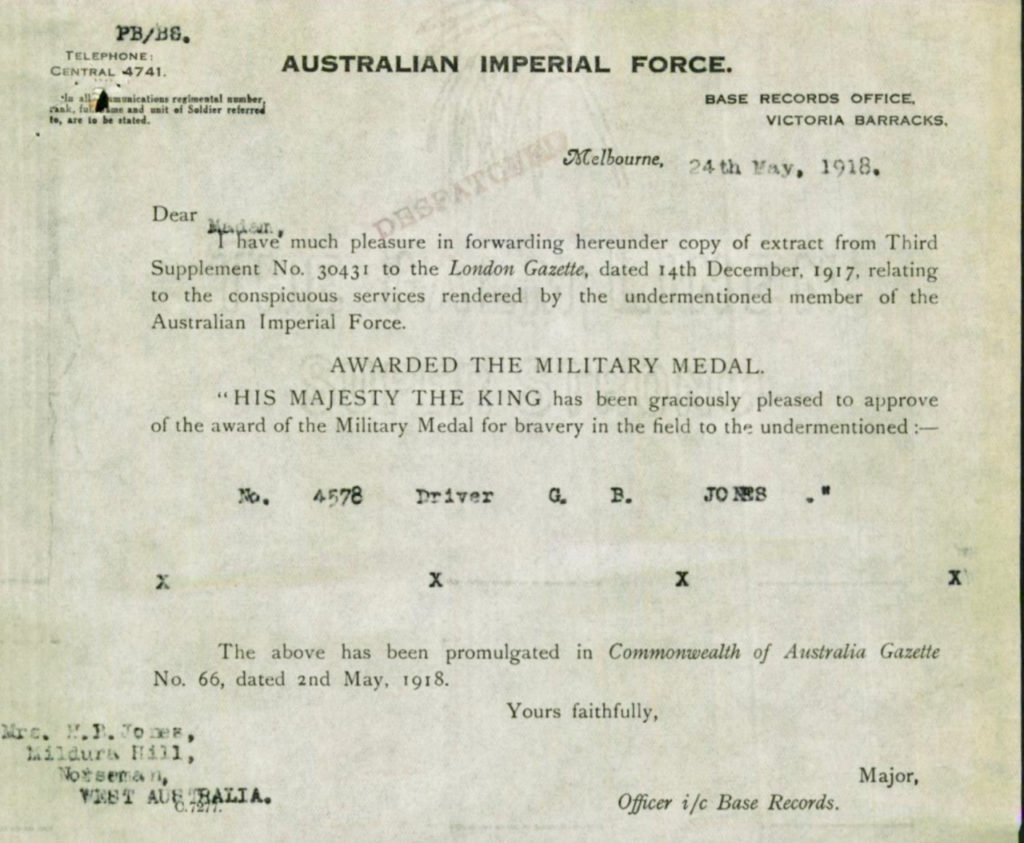
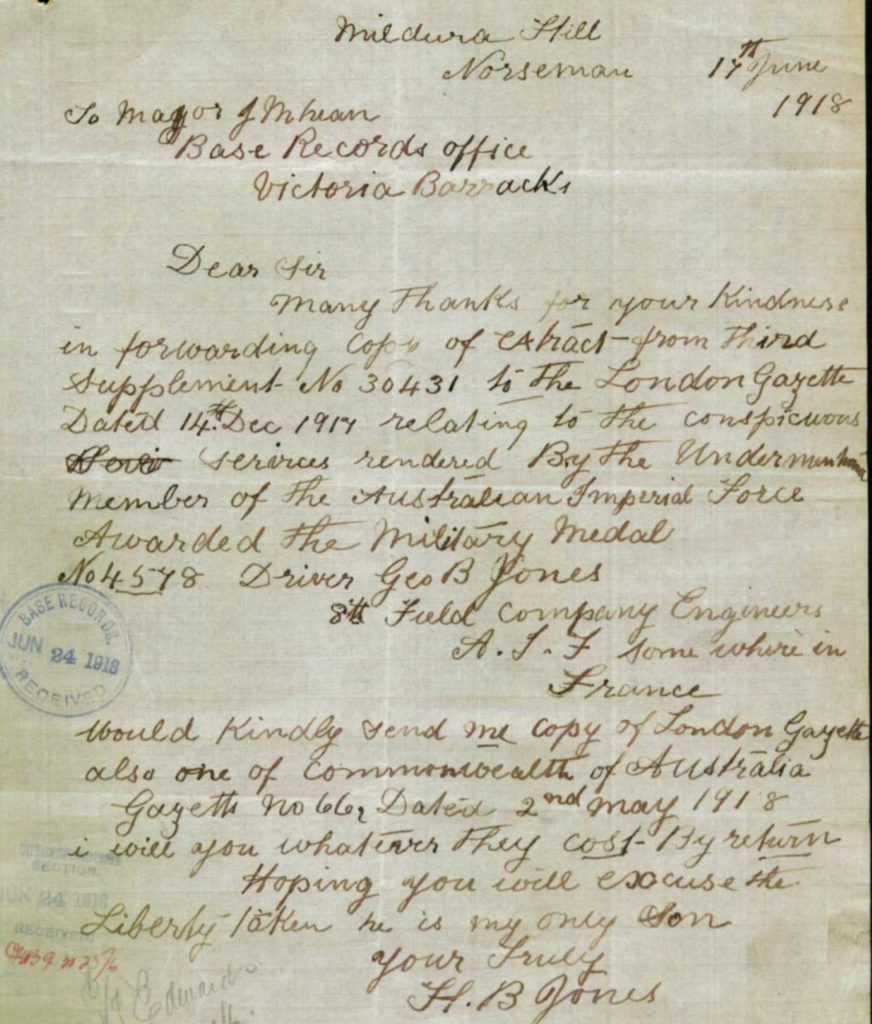
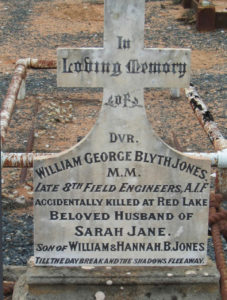
Four years later Sarah remarried in 1924 to George Blythe Jones, WW1 Veteran.
Sadly George died four years later in 1928 aged 42 years in a shooting accident.
George enlisted WW1 15 March 1915 at Kalgoorlie aged 29 years. His previous occupation was miner. He was the only son of Hannah Jones of Mildura Hill.
He embarked 9 June 1915 and disembarked 27 April 1919 at Fremantle. He served 8th Field Company Engineers.
George Smith’s grave at Norseman.
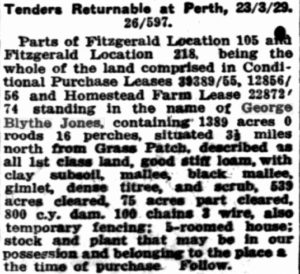
Below: George’s property at Grass Patch is advertised in 1929.
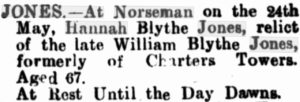
Above: George’s mother dies in 1931.
Both Bob and Tom Smith enlisted in October 1940, joining ‘B’ Company 8th Platoon with 2/4th MGB.
During the battle for Singapore, Bob was KIA at West Mandai Hill on 11 February 1942 aged 33 years. Under the command of Lt. MacKinnon, Bob was one of four men from this platoon to tragically die that day. Others were – Sgt Richard Sandilands who was second-in-charge (enlisted from Norseman) Don Day and Raymond Carruthers.
Tom Smith, whose nickname was Jerry’ – by 2/4th mates (as in Tom & Jerry!) Section Orderly, managed to survive the Battle. He was taken POW of Japan and incarcerated at Selarang Camp and Selarang Barracks, Changi. Ern had the misfortune to be selected with ‘E’ Force Borneo which sailed from Singapore on 2 March 1943 to their first stop of Kuching (Sarawak).
At the age of 32 years, Ern died of pulmonary tuberculosis and beri beri at Sandakan on 18 December 1944. Only 6 Australians from more than 2,000 POWs survived this horrendous WW2 event in Borneo.
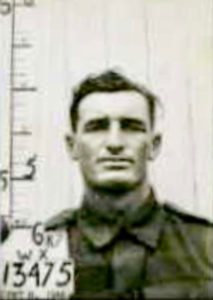
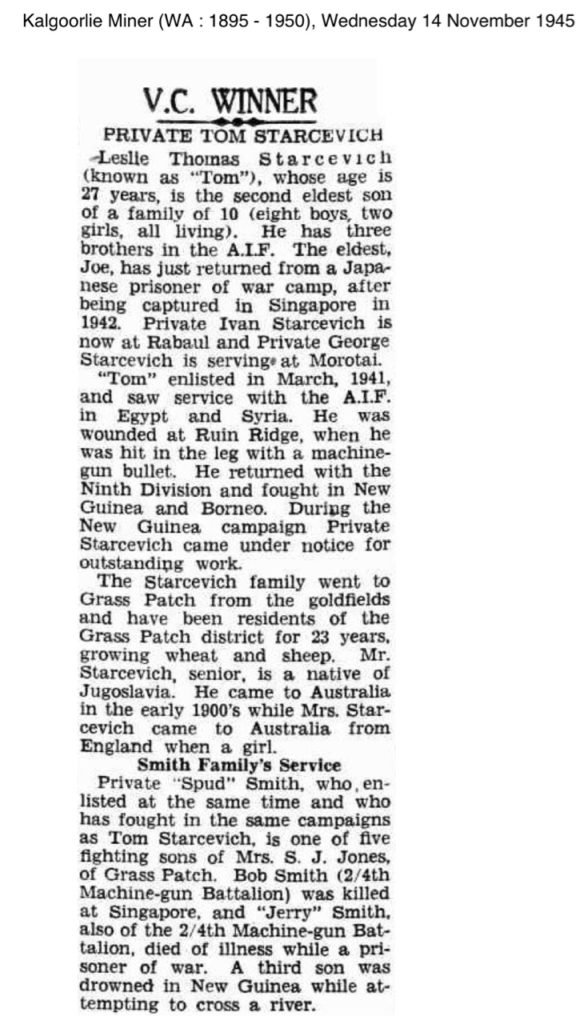
Les Smith also enlisted. He was close mates with Tom Starcevich winner of the VC.
Ted was the youngest of Sarah’s large family of seven children. He was born at Norseman in 1918. Ted enlisted and joined 2/28th Battalion.
He lost his life on 9 September 1943 at Busu River, New Guinea. Ted was one of 13 soldiers ‘missing’ at Busu River crossing, his body never found. A Goldfield’s boy, it is quite likely he never had the opportunity to learn to swim.
Conditions were terrible at that time of the year with raging currents and extremely high water level however the Australians were hard pressed to cross Busu River to evade the Japanese. Initially as many as 30 Australians were swept away with the current. Those who survived managed to reach the safety of a less deep area, and were forced to hide from the Japanese for several daylight hours before being saved by the Battalion.
Two other sons James Henry (Harry) and Leonard (Len) Richard also enlisted WW2. With younger son Ted, the three joined the 2/28th.
James Henry survived the same Basu River crossing in New Guinea with 2/28th with the assistance of a mate, who pulled him across.
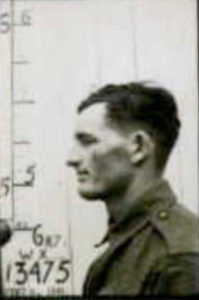
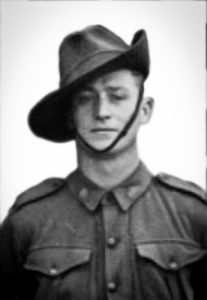
Enlistment photos of James Henry Smith.
We take this opportunity to acknowledge and thank daughter of James Henry, Margaret Murphy for the information she provided, particularly about James and Leonard. Margaret was about 8 years old when her grandmother Sarah died and of course her father never talked much of the war, Margaret wrote that it has only been in recent years she was able to understand the hardships her grandmother endured. The Smith family was a loving and close knit one. (June 2019)
Sarah died at Norseman in 1963 aged 78 years, having never left the goldfields of WA and endured too many family tragedies and hardships. She was buried as Sarah Jones at Norseman Cemetery.
The following men from the Gosnells area served with 2/4th Machine Gun Battalion and lost their lives in WW2.
WX8712 BORROW, Joseph born 1915 Newcastle-upon-the-Tyne, England migrated to Wa with his family 1929. Joe enlisted 13 October 1940 and joined 2/4th MGB, and ‘A’ Company. Joe was wounded in action at Buna Vista on afternoon 15 February 1942 and admitted to 2/9th Field Ambulance with gunshot wound fracture to his lower right leg. Transferred to hospital, Joe died as a result of his wounds on 16 February, 1942. He was 25 years of age. A relative, Doreen Borrow wrote:
‘Joe Borrow shared the fate of so many of his generation. Born during a war, grew up in a depression and killed in another war.
He did not know what it was like to have a secure job, home and family of his own.
And like so many other victims of war his remains lie in a foreign land, far from his homeland.’
Sadly this can be said of too many men in the 2/4th and Australians who enlisted in WW2.
WX10388 MEADS, Kenneth Lawrance (Ken) was born 17 January 1905 at St Lennards on Sea, Hastings, England. He enlisted 18 December 1940. Corporal Meads joined Headquarters Company as a Cook. As a POW at Selarang, Singapore he was selected with ‘A’ Force Burma, Green Force No. 3 Battalion to work on the Burma end of the Burma-Thai Railway.
He died 14 September 1943 at Khonkan 55km Hospital Camp, Burma of toxaemia aged 38 years. Meads had been evacuated from Aungganaung 105km Camp about 10 September suffering with advanced tropical ulcers to his right foot.
His right led was amputated above the knee, tragically Ken Meads died post amputation as a result of toxaemia.
After the war his remains were relocated to Thanbyuzayat War Cemetery, Burma.
WX13429 POOLE, William Neil, (Bill) was born 1921 Carlisle. He enlisted 23 May 1941 the day he celebrated his 20th birthday. He was sent 5 October 1941 to Woodside, SA for training and then to Darwin. He joined ‘E’ Company, Special Reserve Battalion. Bill was killed in action at South-West Bukit Timah on 11 February, 1942 aged 20 years.
Known as ‘Bill’ or ‘Billy’
Poole was apprenticed to Winterbottom Motor Company Paint Shop. His family received official confirmation of his death in April 1946. Up until then, he was reported missing.
WX7474 RUBERY, Herbert Michael (Bert or Code) was born 7 March 1918 Gosnells, the son of Michael John and Esther Mary Rubery. Bert was one of 4 sons and 3 daughters.
Bert Rubery was residing at Byford when he enlisted. His name is also included on the Byford War Memorial.
He enlisted 6 August 1940 and joined ‘A’ Company. Rubery died at A.G.H. Roberts Barracks, Changi of illness (dysentery, pneumonia and toxaemia) on 22 February 1943 aged 24 years, he had been POW of Japan for 12 months. His remains are buried at Kranji War Cemetery, Singapore.
WX17594 STONE, George Clifford was born 18 March 1918 at Swanbourne, WA to George Bernard and Caroline Stone. He enlisted 10 November 1941 as a reinforcement and then joined ‘E’ Company, Special Reserve Battalion. George was one of the lucky ‘E’ Company to survive the Battle for Singapore, particularly as he had only been in the army three months.
George was selected with ‘A’ Force Burma Green Force No. 3 Battalion to work on the Burma end of the Burma-Thai Railway.
By December 1943 the railway was completed the Japanese moved the POWs out of Burma south to Thailand to one of 4 large camps. A large number of POWs required to be hospitalised, some were too ill to travel and remained behind in Burma to die, cared for by medical staff.
On 1 March 1944, aged 25 years George died of malaria and dysentery at Tamarkan Hospital, Camp, Thailand.
It is not known if he arrived from Burma in poor health or became ill in Thailand.
WX8491 TUFFIN, Reginald George was born 1911 Bath, England. Corporal Tuffin, with ‘A’ Company was Killed in Action having received a wound to his chest on 9 February 1942 at Tengah, whilst defending the airfield. He was 31 years of age. He had enlisted 18 October 1940 and joined ‘A’ Coy, 5 Platoon.
Reg arrived from Liverpool in 1912 as a small child on ‘Belgic’ with his sister Roma and parents. George and Edith later had another son William born in Western Australia.
By the early 1930’s the Tuffin family were residing in the Maddington area. Prior to enlisting Reg was a nurseryman as was his mate Joe Borrow. Tuffin requested he join ‘A’ Coy with Joe.
Reg was married with two young children, Lorraine and Reggie.
WX8460 THORPE, James (Jim) was born November 1916 Shotley Bridge, Durham, England. He enlisted 18 October 1940 and joined ‘D’ Company.
James Thorpe aged 12 years sailed from London on ‘Borda’, he was accompanied by Mr Patrick McAneny, shoemaker and Mrs Kate McAneny of 15 Elm Park Terrace, Shotley Bridge.
It is thought James’ mother Margaret had died in England, and Jim came to Australia to be with siblings. He was one of a large family. Jim’s brother Andrew Thorpe died with the RAF over Germany in 1944 and he had another two brothers fighting with the British Forces.
Jim also had two sisters June and Ellen living in WA.
Jim Thorpe was Killed in Action at Buona Vista on 15 February 1942 – the last day of fighting. He was sheltering behind a house which took a direct hit. Jim was 25 years old.
WX16931 Henry Christopher aka Hugh Christopher Oswald.
Oswald was originally assigned as a reinforcement for 2/16th Battalion but whilst on pre-embarkation leave he became ill and missed his draft.
WX16931 Henry Christopher aka Hugh Christopher and ‘Horse’ – he was the stowaway on ‘Aquitania’.
He had enlisted 22 July 1941 at Claremont.
Fearful he would miss all the action, the determined 19 year old Oswald got himself onboard the ‘Aquitania’ which sailed from Gauge Roads off Fremantle on the afternoon of 16th January 1942.
This would not have been too challenging to undertake – ‘Aquitania’ was anchored for one night only. The 2/4th on board via Darwin, had been ordered they ‘were not to take leave’ i.e. No Leave Granted, which distressed and angered the boys as they had been away from home and WA for about 6 months training in SA and NT. They wanted to see their families and loved ones before they went to war – not informed of their destination until they were underway from Fremantle to Singapore of course they were aware of the odds – they may not survive. This was their last chance for goodbye, for some an opportunity to see newborn babies
100 and 100s of 2/4th boys got themselves off ‘Aquitania’ while supplies and reinforcements from Northam were being loaded onto the ship from pontoons, etc. There was madness with pontoons rocking pecariously. (Most 2/4th managed to reboard before the ship sailed at midday the next day – but about 100 well-trained gunners were unable to do so, many of them locked up by local Military Police who would not release them).
The other nearly 2,000 soldiers on ‘Aquitania’ were reinforcements to top up the depleted 8th Division Battalions who had suffered heavy losses during intense fighting in Malaysia. The men were new enlistments.
He was officially transferred to 2/4th on the same day from 2/16th Battalion reinforcements. He joined ‘E’ Company and was fortunate to survive the Japanese surprise attack at south west Bukit Timah on 12 Feb 1942.
On the last day of fighting before capitulation to Japan, Oswald was shell shocked and admitted to 2/9th Field Ambulance on 15 Feb 1942. Admitted to 2/13th Australian General Hospital on 16th and discharged to unit on 21st Feb.
From Singapore, ‘Horse’ or ‘Harry’ as he was known, was selected in 1943 to work on Burma-Thai railway with ‘D’ Force Thailand V Battalion. ‘V’ Battalion had the highest death rate of ‘D’ Force, 50% of the men did not return from Thailand due to starvation, tropical illnesses, working very long like slaves in tough conditions without shoes and clothing, under spiteful and bullying guards who saw these weakened men as targets for their sadism and their appalling living conditions in muddied camps in rainy conditions. Please read about dysentery
Henry Christopher Oswald was evacuated sick from Kuii Camp, Burma -Thai Railway and died of dysentery at Kanchanaburi Base Hospital on 7 November 1943 aged 21 years.
Oswald recorded his NOK as his married sister Elizabeth Luff, 94 Onslow Road, Shenton Park. In 1953 his medals were posted to Elizabeth Luff at 24 Gill Street, Mosman Park. We believe Elizabeth may have died 1 October 1964 aged 47 years at North Innaloo. We have been unable to identify Elizabeth’s husband’s name, nor the names of his parents.
Some of the barbaric cruelty V Battalion endured:
WX8425 Leadbitter, Edward Johnathan died 10/10/1943 cholera, aged 24 years (prior to his death, Ted Leadbitter was severely kicked and beaten unconscious by ‘Black Cat’, Brutal Japanese engineer.) Photo below.
William Andrew Dwyer WX10390, D Force Thailand V Battalion
Dwyer William A
had been in a weak and delirious state thought to be brought on by cerebral malaria. He had been placed in a cholera camp. A sadistic Japanese Engineer Corporal known as ‘Black Cat’ took great delight in beating Bill Dwyer unconscious. ‘Black Cat’ then pushed bamboo sticks into Bill’s ears and eyes! Another POW witness said Bill stood up magnificently to what was an unprovoked barbaric attack on a seriously ill man. Bill Dwyer died on the night of 22 August 1943. Lieutenant ‘Scotty’ Howell, 2/3rd Reserve Motor Transport Company witnessed this insane and sickening act – it is thought Bill Dwyer was with ‘W’ Party when attacked with such depravity. Tom Gough was also on this party.
UNDERAGE STOWAWAY ARRIVED SINGAPORE APRIL 1941
WX13421 BECKHAM, RONALD CLIFFORD was 16 years old when he stowed away on a transport ship 17 April 1941 to Singapore. (he had wanted to sail to Middle East where his father was sent with AIF)
Beckham was charged, admonished and allotted AIF Regimental No. WX13421. Taken on Strength with HQ AIF Base Ordnance and later transferred to 4th Anti-Tank Regiment.
Beckham was then attached to 2/4th MGB on 2 March 1942.
He worked on Burma-Thai Railway with ‘H’ Force, returned to Singapore and was recovered from here at the end of war.
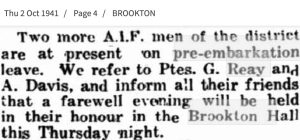
WX16420 DAVIS Harold (Allan) born1917 Kulyalling to Edward Benjamin and Annie Rebecca Davis.
Harold Davis, known as Allan died 15 February 1942 from gunshot wounds received to his shoulder during the battle to save Singapore. He had enlisted five months earlier and became a reinforcement for 2/4th MGB joining ‘A’ Company Headquarters. Harold was 24 years of age.
Above: George Reay and Allan Davis share a farewell evening with Brookton.
WX13553 SPOUSE, Sydney Francis was born Subiaco 1921 to Stanley Garfield Spouse and Elizabeth Valentine Mathson Oxman. Syd was the eldest of 5 sons and one daughter.
He enlisted AIF 24 May 1941 and was a reinforcement for 2/4th MGB joining ‘A’ Company, No. 6 Platoon. Folllowing the Fall of Singapore Syd was a POW at Selarang Camp, Thomson Road, River Valley Road Camp and Selarang Barracks before being selected with ‘D’ Force Thailand S Battalionto work on the Burma-Thai Railway. S Battalion departed by train from Singapore to Thailand on 14 March 1943.
He died of heart failure on 13 October 1943 at Tarsau, the hospital camp for ‘D’ Force. S Battalion worked around the Hellfire Pass region, mainly at Konyu II, which is where Syd became ill and was evacuated to Tarsau. He was 22 years old.
OTHER ENLISTMENTS INCLUDE:
WX16281 REAY, George Linton – came to WA from England in 1926. In 1932 he married Agnes (Alice) Young at Katanning. By 1936 Alice and George had moved to Brookton where they remained for tat least he next 20 years. They had a family of three daughters Patricia, Norma and Vylma.
George remained in Singapore throughout the war and was recovered from Changi.
The Japanese capture of Sumatra took place in two stages: South Sumatra was taken mid-February 1942, North & Central Sumatra followed in March.
South Sumatra’s oil installations at Palembang were an important target for the Japanese.
14 February 1942 about 600 Japanese parachutists landed near one of two airfields at Palembang and at the city’s two refineries. A Javanese KNIL company drove the Japanese away from one refinery but the other installation was only partially recovered. It soon became clear a large number of Japanese infantryman were arriving via Musi River. The local KNIL commander was ordered to withdraw and destroy oil installations. The destruction was partially successful. Most KNIL, British and Australian troops in South Sumatra escaped to Java, together with some European women and children.
The Japanese troops march northwards. On 11 and 12 March 1942 Japan’s 25th Army landed at four locations on the east coast of North and Central Sumatra: Sabang, Kutaradje, Idi and about 100 km southeast of Medan.
The 25th Army had received support from the natives, especially in Atjeh, where anti-Dutch sabotage operations were carried out even before the arrival of the Japanese. Atjeh had been in a civil war with the Dutch in late 1800’s. Relations continued to be strained. The Dutch treated many locals as slave labour.
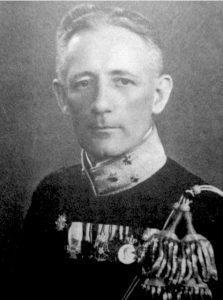
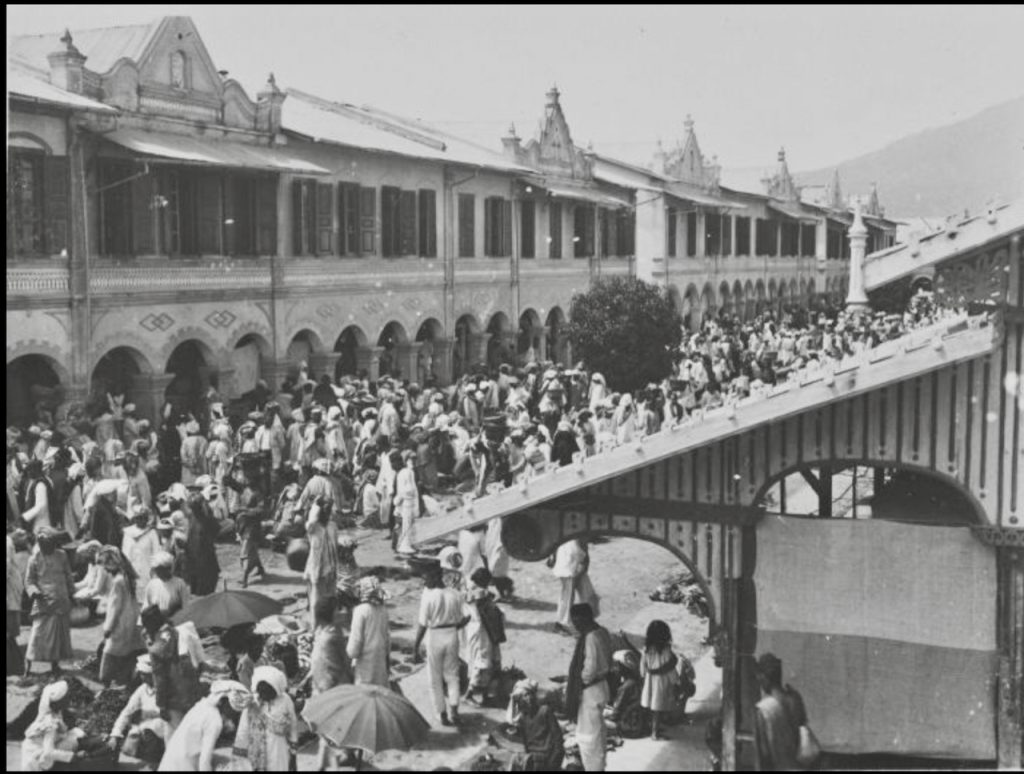
The KNIL detachments were forced to evacuate coastal areas, withdrawing in groups towards the interior of North Sumatra with intentions of setting up guerrilla forces in the mountains. Nothing came of this plan. Troop numbers were decimated by desertion, plagued by Atjeh rebels or overtaken by advancing Japanese. Most units never reached the mountains. The remaining KNIL troops of North and Central Sumatra surrendered at Blangkedjeren on 28 March 1942. Dutch Major General R. T. Overakker, Middle Sumatra Territorial Commander with 2,000 soldiers surrendered near the town of Kutatjane in North Sumatra. Many of these prisoners were forced by the Japanese to work on the construction of the railway – Pekanbaru to Muaro.
Though the senior Dutch officer on Sumatra, Overraker did not receive command of all Dutch forces on Sumatra until the defense of Java was on the verge of collapse. He attempted to hold out in the mountains of northern Sumatra but was finally forced to surrender on 28 March 1942.
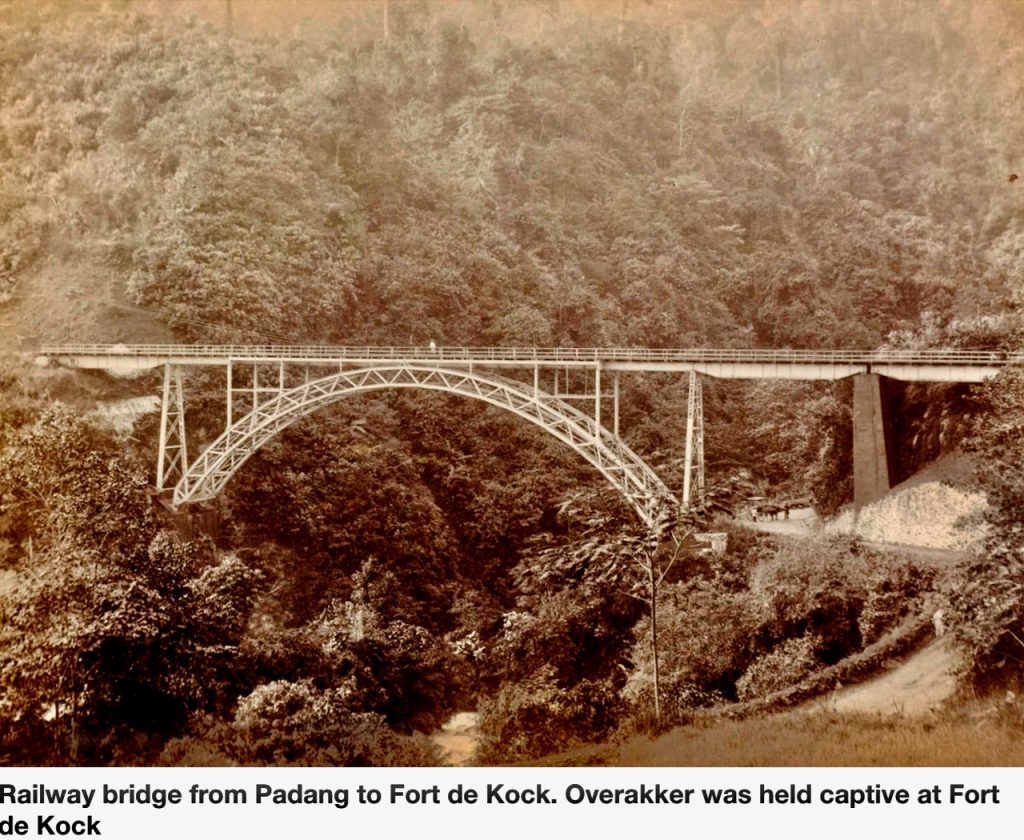
Overakker, and other KNIL, (The Royal Netherlands East Indies Army) officers in captivity were shot/executed in August 1945 at Fort de kock in view of the impending defeat of Japan! The Japanese simply did not want them liberated by the Allies. They were returned to Sumatra from their Korean POW Camp to face Japanese Court charges (that means they were not allowed a lawyer and very likely the court proceedings were in Japanese language only.
Overraker was interrogated in Medan and Fort de Kock because the Japanese suspected him of having been one of the initiators of a resistance organization on the east coast of Sumatra. Overakker’s written order was found, sealing his fate and the lives of several of his top men.
POWs in Sumatra were largely concentrated in camps near Medan and Palembang. Large numbers were shipped overseas including to Burma-Thai Railway, Burma and included POWs such as Dr. Albert Coates whose presence on the railway hospitals was so important to Australians of ‘A’ Force working on the Railway.
During 1943 and 1944 thousands of POWs were shipped from Java to Sumatra to be put to work there. In August 1945 there were POW camps along the Pakanbaru railway and in and around Palembang.
Civilian internees of North, Central, and South Sumatra stayed in their own regions throughout the war. In 1945 (when the tide was turning against Japan) all civilians were moved to larger assembly camps in central and interior Sumatra. There was a separate camp for men and another for women with children. But these camps were not so far apart.
Eight (8) 2/4th who managed to escape Singapore Island, taken POWs of Japan at Sumatra, then part of Netherlands EastIndies:
Richard Annear, Burgess, Ted Hopson, Arthur Magill, Quinn, Semple, Harold Smith and Squance
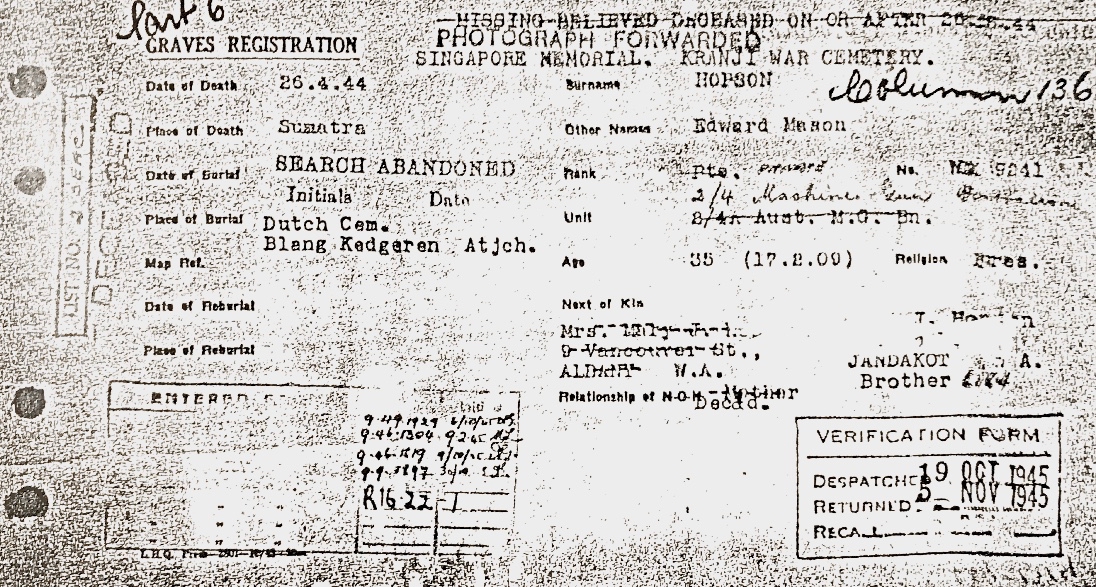
Ted Hopson died 26 April 1944, buried 200 yards south of 28 kilo peg on Blangkejeren-Tekencong Road.
Following sinking of POW Transport Ship SS Harujkiku 1944, Burgess, Semple & Harold Smith remained Singapore with injuries or illness.
Richard Annear, Arthur Magill, Quinn & Squance returned to Sumatra Railway with Java POWs Banks, Booth & McAskil
‘In Central Aceh, a road had to be built between Takengon and Blangkedjerèn in order to provide the Japanese army with a connection between North and Central Sumatra, but through the interior, in addition to the existing coastal road along the east coast. This road connected in the north with the existing road from Bireuën to Takengon, and in the south with the road from Blang Kedjerèn towards Lake Toba.
Blangkedjerèn was the base camp, from which the camps along the road were supplied. The camps along the road were named according to the distance in kilometers from Blangkedjerèn: camp 9, camp 13, camp 23, camp 29, camp 38 (at an altitude of over 2000 m).
Construction started on 01-1-1944 with romushas. On 16-03-1944 the prisoners of war started. The road was ready on 20-07-1944.’
When the 50 Australian POWs selected with Atjeh Party departed Gloe Gloer camp, Sumatra on 8 March 1944 – 49 Australians were left amongst the remaining group of POWs – including Roy Semple, ‘Win’ Annear, ‘Squasher’ Squance, Alf Burgess and Harold Smith from 2/4th.
The fifty Australians in the Atjeh Party were under the command of Lt Tranter of 2/29th Battalion. The entire Atjeh Road Party was 500 POWs. 275 Dutch and the remainder British. 2/4th POWs included Ted Hopson, George Quinn and Arthur Magill.
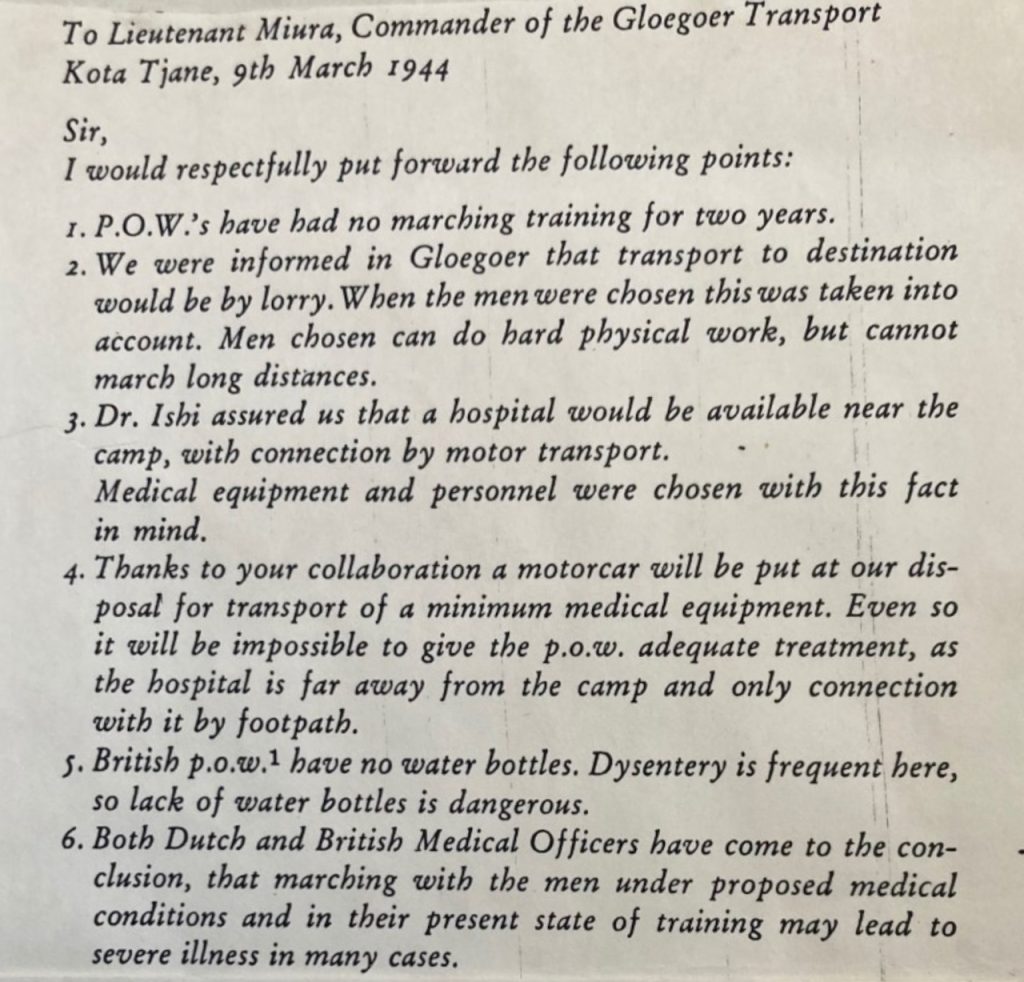
On the first day, 8th March 1944 they travelled about 308 kilometres to Kota Tjane – located about 10 kilometres north of Laubaleng, in the heartland of Sumatra. The POWs were billeted in a schoolhouse for two days and then loaded again onto trucks. Surprise can hardly be the word the POWs felt when the trucks turned around and headed back to where they had just left.
The following day on 13 March 1944, the group were back on the road again this time on a 145-kilometre march to an undisclosed destination.
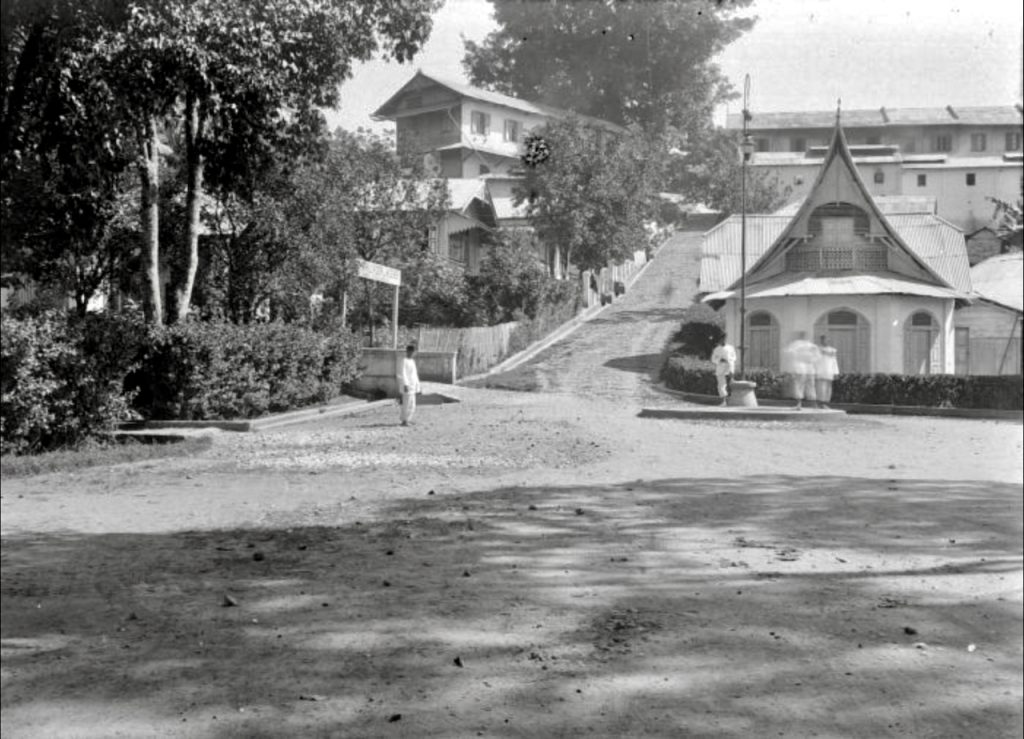
The first night was spent at Gunung, the second at Maloek. On 17 March after four day’s marching, the men arrived at their destination, Blang Kedjeren. They were accommodated in a former Dutch Army barracks known to the POWs as the Hospital Camp.
The sick and those unable to march any further were left here, some never to be seen again.
The next day the men were back on the road marching until they reached their camp at Tenal Gajoe – this was the territory of Atjeh or Achinise natives. Renowned as fierce head-hunters, these people had never been completely subdued during the Dutch colonisation of Sumatra. There had been a war between the locals and the Archinise.
In the late 1700’s Dutch planters had moved into this rich area of north Sumatra. Initially the Dutch planters grew tobacco. However it is well known the planters used the local population as ‘slave’ labour.
There were two camps. One for British and Australians and the second one for Dutch. They remained here about 3 weeks as the road they were building progressed north and on 3 May 1944 POWs moved to Kedjeren.
Ted Hopson was left at Tenal Gajoe suffering with appendicitis. Because he was also ill with dysentery it was not possible to perform an operation for fear of infection. Ted died on 26 April 1944 aged 35 years.
Ted was popular and well liked amongst the group. He was described as being ‘a good bloke’. His body was brought to Blang Kedjeren where a coffin was constructed. This popular machine gunner was laid to rest about 100 yards from camp. Amongst the POWs was a stonemason who cut a headstone, which was placed at the head of Ted’s grave.
Above: July 2020 we are surprised to learn Ted Hopson’s grave and several other POWs was never found by War Graves Party, and the Search abandoned.
The road construction continued to the east in between their current camp and previous camp at Tenal Gajoe. By 6 October 1944 it was time for POWs to head back to Medan. They set out in three columns as they had done on their journey north. As the columns passed Ted’s grave they all paid their friend a respectful ‘eyes left’.
The group arrived back at a rest camp on the outskirts of Medan on 11 October 1944 five days after setting out from Blang Kedjeren. After a week’s rest on reduced rations the POWs were given the news that they were again on the move. They marched 3 miles to the railway station and following a short journey; they were detrained and loaded onto trucks.
Using the same route as they had travelled on the way to Medan, they headed back towards Fort de Kock on the west coast of Sumatra. The POWs were billeted 3 days in the old Police Barracks at Bukit Tinggi after which they were loaded back on the train for a lengthy journey to Mocearo, arriving 21 October 1944.
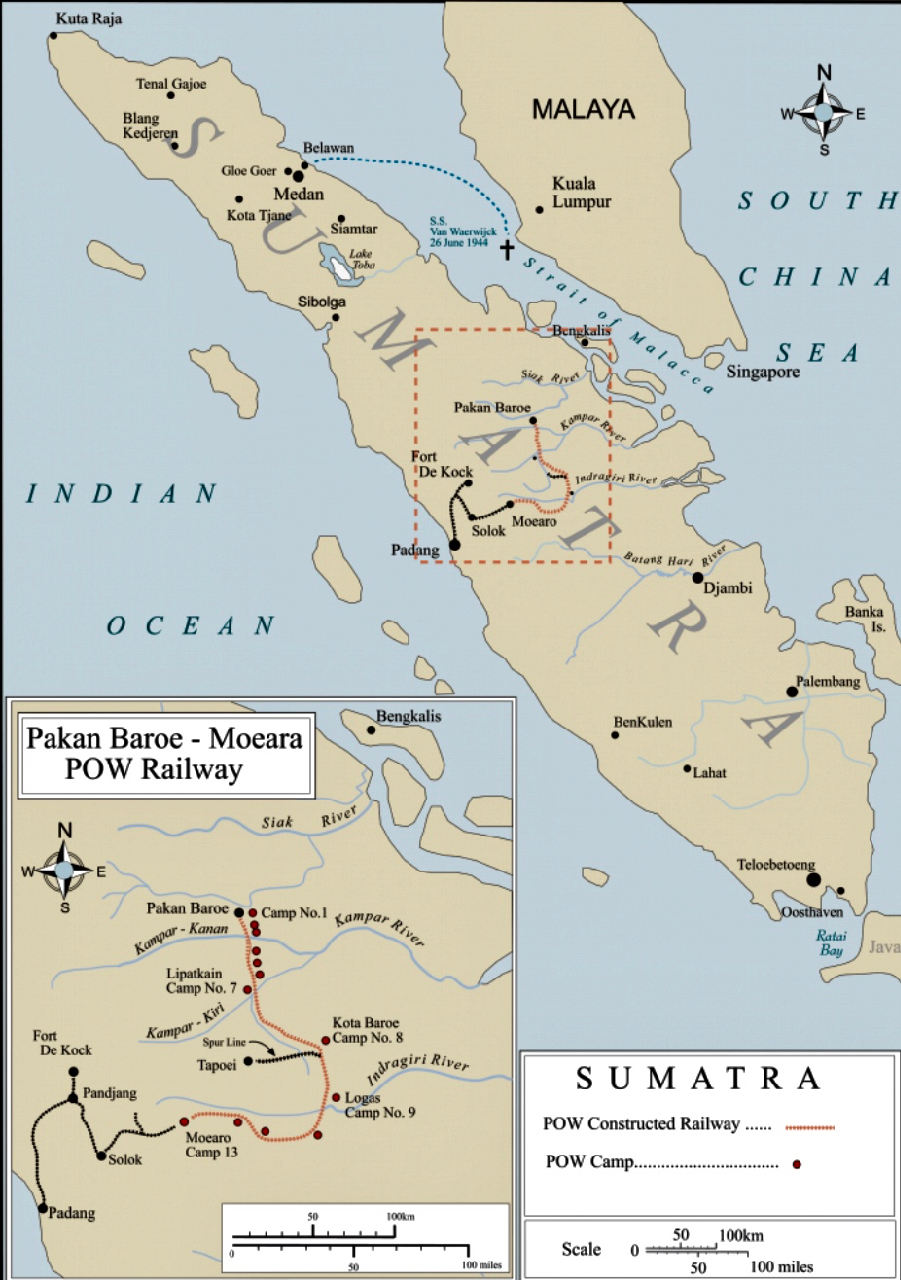
It was here that the POWs were informed they were to build a 3’ 6” gauge railway line between Pakan Baroe and Mocaero. A distance of 220 kilometres.
In addition to this main line there was a shorter 2’ 5 ½ “ narrow gauge 20 kilometre spur line which branched off the main line at 119 km point!
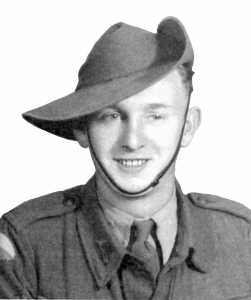
Below: Cecil Quinn who survived to return home to Western Australia.
Right: Robert McAskil who had sailed from Java- Singapore- Sumatra with Harold Booth and Noel Banks, died illness Kampoeng, 106km Camp, near Kota Baroe, Sumatra 23 March 1945 aged 44 years.
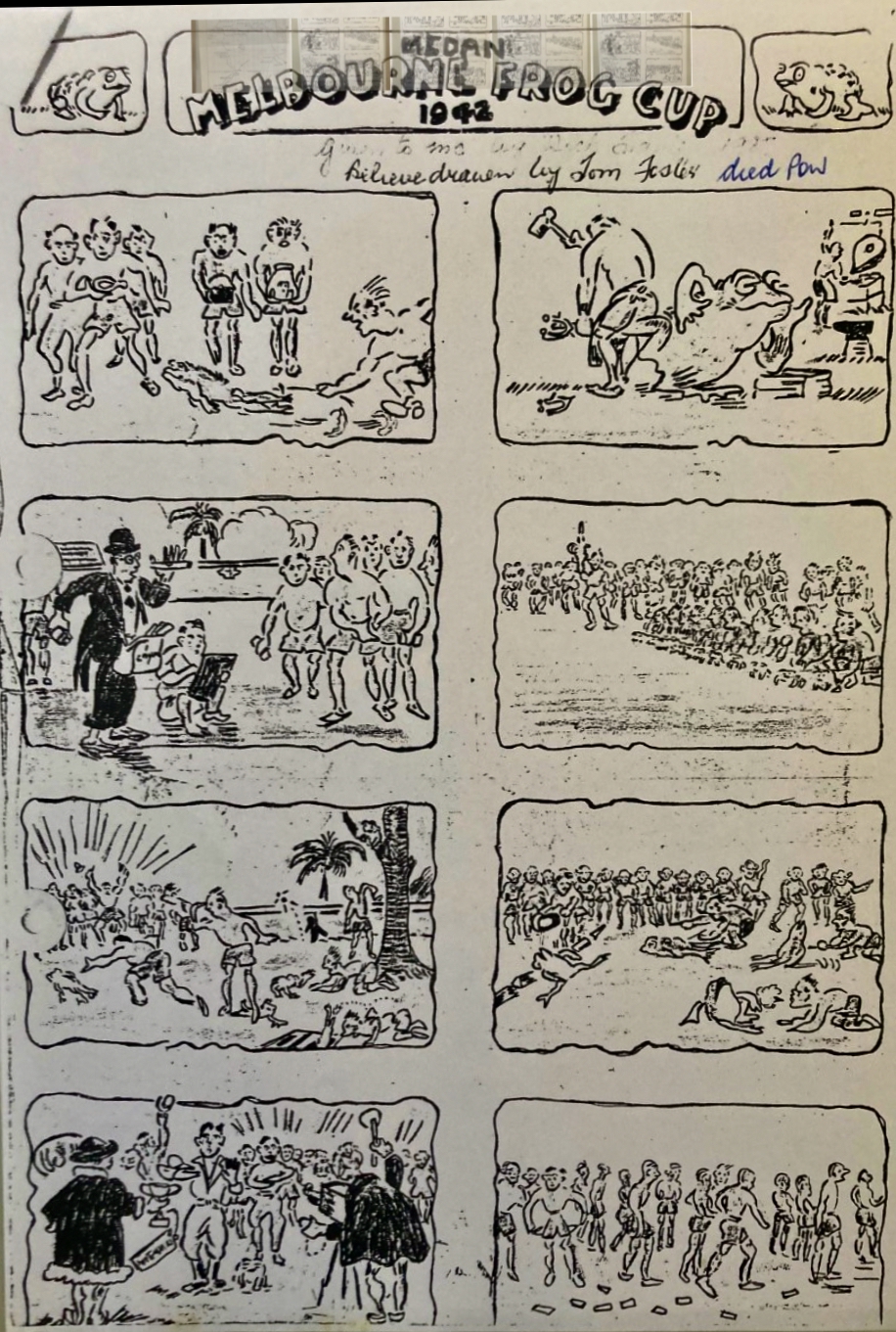
Below: Melbourne Cup Frog Race 1942 – won by 2/4th’s ‘Bluey’ Semple
‘One Sunday, the nearest to Melbourne Cup Day, the Australians decided to run their own cup. Frogs were the contestants. A West Australian, Bluey Semple (WX7532) appeared in jockey’s colours with a riding whip. Nobody knew where they came from. Appropriately his frog won, and he was presented with the cup – half a coconut on a stand.’
Frog Race
Aside from the POWs who died, an unknown, but large number of Javanese labourers were brought to slave on the railway. Their deaths were terrible and barely counted.
Remember many European/civilian families were imprisoned at Sumatra.
By the end of the war a total 163 European women and children along with 136 men and boys had died at the camps in Bangkinang.
‘Harugiku’ Maru – SS Van Waerwjick Party
When the 50 Australian POWs selected to work in the north of Sumatra, Atjeh Party departed Gloe Gloer camp, Sumatra on 8 March 1944 – 49 Australians were left amongst the remaining group of POWs – including Roy Semple, ‘Win’ Annear, ‘Squasher’ Squance, Alf Burgess and Harold Smith from 2/4th.
On 24 June they were alerted to be ready to leave for Singapore and the following day trucks arrived at Gloe Gloer camp to transport the POWs to the port of Belawan to board the ship taking them to Singapore.
The ship was SS Van Waerwjick, a 3,040-ton passenger-cargo ship captured by the Japanese on 3 March 1942. As was the Japanese custom the ship was renamed ‘Harugiku’ Maru
The POWs arrived at the docks around noon at Medan and were crammed into the fore and aft hold of the ship. A Japanese corvette was to act as escort to this small convoy that included 2 tankers and 2 transport ships. The ‘Harugiku’ Maru left Belawan about 1500 hours on 25 June, heading into the Malacca Straits to join the convoy.
The following day, 26 June at 1350 hours two mighty explosions amidships rocked the ship which broke into two and sunk within minutes. Two torpedoes had been fired from HMS Trucelent which was depth charged, causing ‘Harugiku’ Maru to hit the bottom at 68 feet. There was no loss of life from the 2/4th but tragically 167 POWs went down with the ship.
Below: HMS Trucelent
Following four hours of treading water, the men were rescued by one of Japanese tankers from the convoy. The POWs then continued their voyage on board this tanker to Singapore where they disembarked and were taken to River Valley Road Transit Camp. 2/4th men Annear, Squance, Magill, Quinn would return to Sumatra to work on the Pakan Baroe-Moearo railway.
Harold Smith was hospitalised with appendicitis on 21 July and Alf Burgess suffered a head injury from the Harukiku Maru sinking. Semple also remained in Singapore, obviously ill.
At the end of the war they were all recovered from Changi Gaol.
In hindsight Smith, Burgess and Semple were extremely fortunate to avoid working on the construction of Railway in Sumatra.
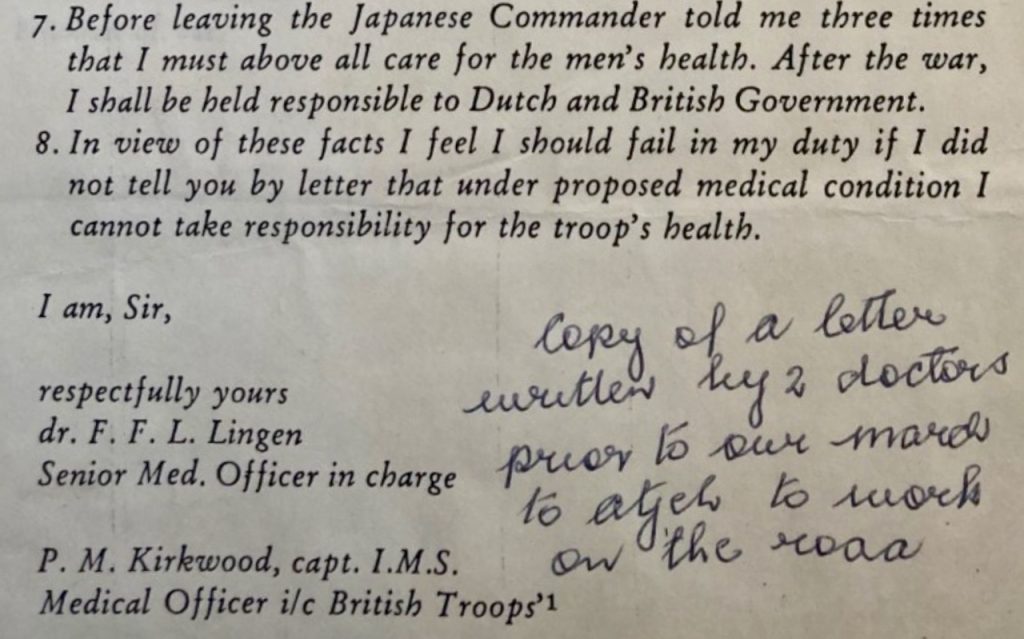
Below: Prior to the march to Atjeh, the medical officers wrote the following letter Lt. Miura.
Sumatra 2004
On 26th December 2004 without warning one of the world`s deadliest tsunamis hit the north-western coastline of the Sumatra. A 9.3 earthquake with more than 30 metres high monster-waves smashed the pristine shores of Aceh leaving at least 230,000 people dead. The western shores of Banda Aceh were completely destroyed.
The following three men from 2/4th MGB men are recognised on Mt. Barker WW2 War Memorial:
WX9361 BARTLETT, Michael Arthur was born 1917 Albany. He was a POW of Japan at Selarang, Changi when he was selected with ‘D’ Force Thailand, S Battalionto work on the Burma-Thai railway. S Battalion left Singapore crammed into railway carriages headed for Thailand. The 4-5 day journey was not only crowded, but the days were stinking hot and the nights freezing cold. They were not provided sufficient water nor food.
Michael worked at several camps in the Hellfire Pass region – their working conditions were appalling as were living conditions. The sharp flints of rock provided small wounds to POW’s legs, bare feet (most had no shoes) arms and sometimes bodies. These easily became ulcerated. As well the men worked long hours with very small amounts of food with little nutrition. Beatings were the norm. Michael was probably evacuated to Tarsau Camp which was the ‘D’ Force hospital (without medical supplies) and Japanese HQ for ‘D’ Force. Tragically, it was here he died on 7 December 1943 of beri beri and dysentery. He was 28 years of age.
Michael was the son of Michael Bartlett (Snr) and Mary Baker Muir who married 1914. Michael Bartlett (Snr) was a partner in a butcher shop Mt. Barker. Both Michael (Snr) and Mary Bartlett are buried at the cemetery in Mt. Barker, as is another son Andrew who died in a motor cycle accident in Albany, 1937 aged 21 years.
__________________________
WX15707 COOPER, Hugh Miles was born 1905 Tenterden, the son of William and Sarah Cooper. He enlisted 12 August 1941 and joined Battalion Headquarters as a Reinforcement. He was taken POW at Singapore and later selected to work on the Burma-Thai Railway with ‘D’ Force Thailand, V Battalionwhich departed Singapore Railway Station 17 March 1943 (as did ‘Teddy’ Moir and Peter Gardiner below).
V Battalion endured one of the highest Australian death rates of all railway work parties on the railway.
Hugh Coopler died at Kuii Camp, Thailand with dysentery aged 38 years. He was the father of two young sons.
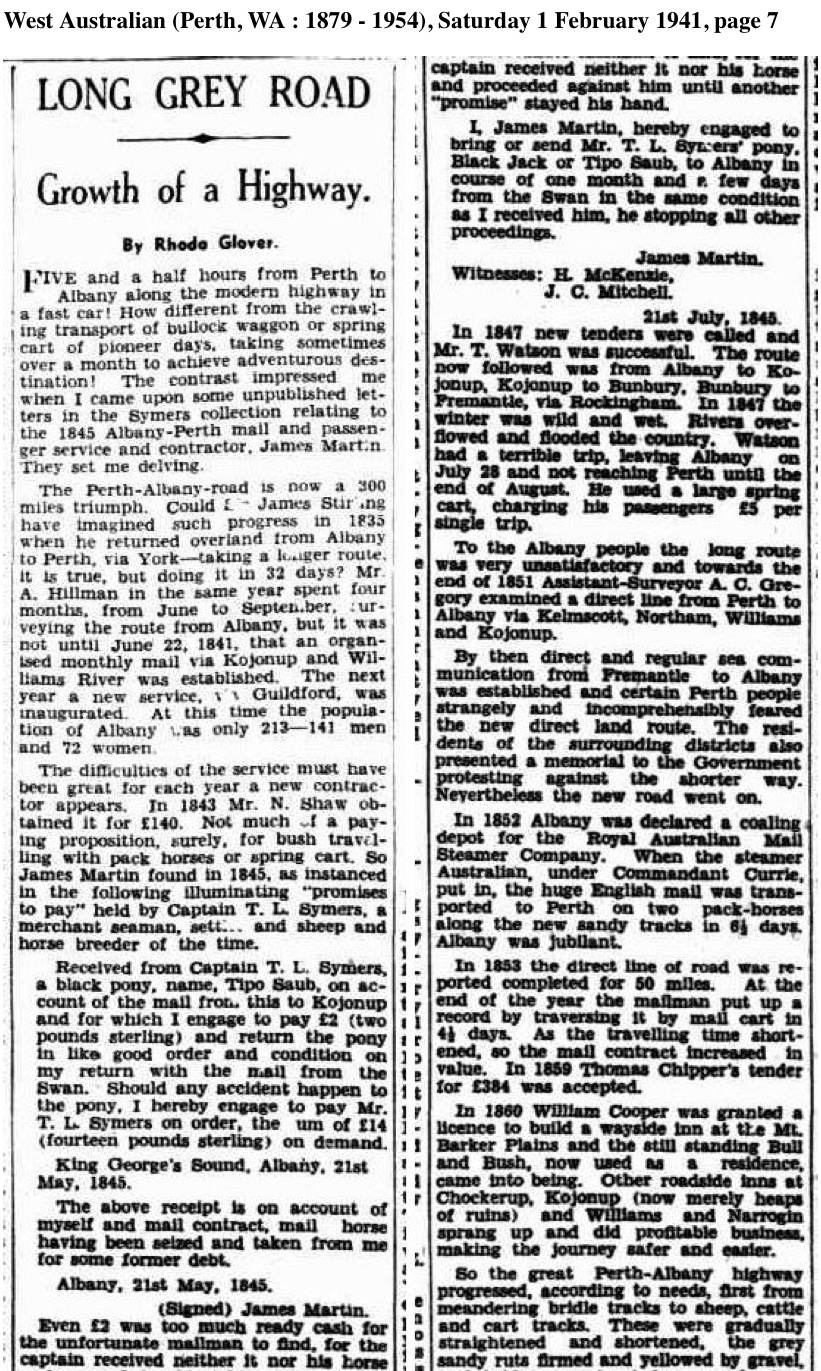
Cooper’s father William Cooper was a Mailman in the district for many years. (See Below)
___________________________
WX15905 MOIR, Edward George (Teddy) was born 1911 Donnybrook to McLaren John Moir (known as Kenny) and Edith Alice Parsons. The couple also had a daughter Gwen. Kenny Moir enlisted at Blackboy Hill for WW1 and tragically died with pneumonia in 1916.
Edith Alice Moir (nee Parsons) remarried to Harold Alan Gardiner. Their son Peter Alan Gardiner WX 10925 was born in 1921. Peter enlisted with 2/4th MGB on 17 February 1941. Edward (Ted) Moir enlisted September 1941.
The brothers were close, both were in ‘D’ company and as POWs in Singapore were selected with ‘D’ Force V Battalion to work on the Burma-Thai Railway.
Teddy Moir died of malaria and dysentery atKuii Camp, Thailand whilst working on the Burma-Thai Railway. He was 32 years of age. He married in Albany in 1936 to Clarabelle May Lilford and had a family of three children. Records show Clarabelle May Moir died in 1944. She would have been 30 years old. The three Moir children were now without either parent.
(Peter Alan Gardiner survived the war and was recovered from Thailand).
___________________________
2/4th enlistments from
this area who returned home to Australia.
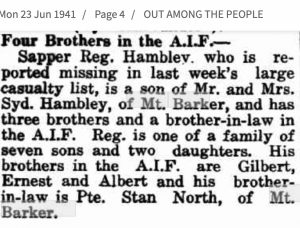
The Hambley brothers Albert James WX10745 and L/Sgt Ernest Edgar WX4991.
RICHES, Leslie Gordon Lt. WX11046 (known as Pard) b. Broken Hill 1896 lived some years at Mt. Barker.
Was with ‘D’ Section 4th Reserve Motor Transport Company. From Singapore he was sent with ‘D’ Force Thailand V Battalion to Burma-Thai Railway where he proved to be a huge asset to CO Alf Cough when they were losing so many men to illness. He was with Cooper and Teddy Moir at Kuii Camp where they both died.
CLOTHIER William Ernest (Bill) WX10739 b. Mt Barker 1909 to Joseph Thomas and Esther Clothier.
Bill enlisted AIF 25 Jan 1941. He later joined 2/4th’s Headquarters Company No. 1 Platoon as a Signaller under CO Lt Curnow who was KIA Singapore.
Bill departed
Singapore May 1942 to work on the Burma end of the railway with the first Work Party ‘A’ Force Burma Green Force
He was recovered from Thailand at the end of the war.
WX20164 Augustus Evelyn ERSKINE although he enlisted from Mt Magnet, Gus Erskine was known in the Mt Barker Region. He was WIA 213 Feb 1942 with four machine gun bullets to his left chest. He was discharged to his Unit on 24 Feb 1942.
Erskine enlisted 12 Nov 1941. He joined E Coy SRB as a reinforcement. He was fortunate to survive the battle of Singaoore because this Battalion ran into a Japanese ambush at Bukit Timah and a very large number of soldiers were KIA and WIA.
He was sent to work on the Burma-Thai Railway with ‘A’ Force Burma Green Force No. 3 Battalion. He was recovered from Thailand at the end of the war.
The following men from 2/4th are recorded as having lost their lives:
WX9230 EVANS, Walter ‘Cyril’
was born England 1902. He was selected as a POW from Selarang, Singapore with ‘B’ Force Borneo. He died on the Sandakan-Ranau track on 14 June 1945. Cyril was 43 years old. The Japanese guards had been ordered to ensure there were no survivors from Sandakan.
Walter was married to Ida (nee Carpenter) and they had two daughters Val and Audrey.
WX9255 GIBBS, Stuart Henry
Gibbs Stuart Henry
was born Cardiff, Wales in 1903. Gibbs arrived WA 1924 aged 20 years of age.
He was selected as a POW at Selarang, Singapore with ‘E’ Force Borneo. Stuart died at Sandakan on 24 February 1945 aged 41 years. Please read further about ‘E’ Force Borneo
Gibbs had been farming at Ongerup according to 1931 and 1937 Electoral Roll.
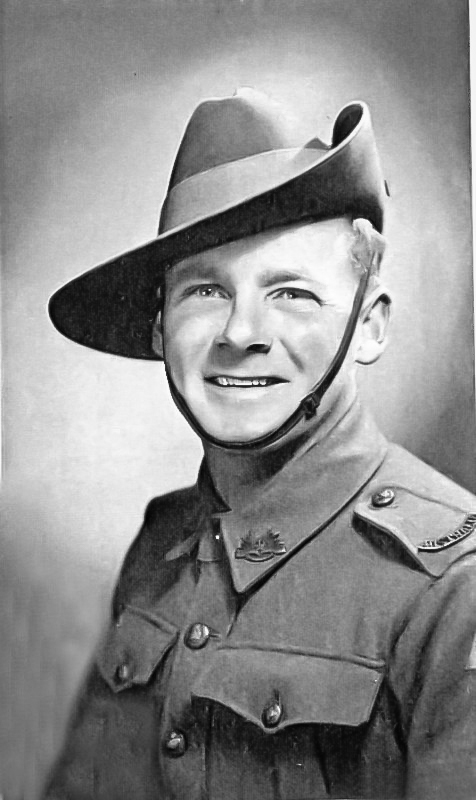
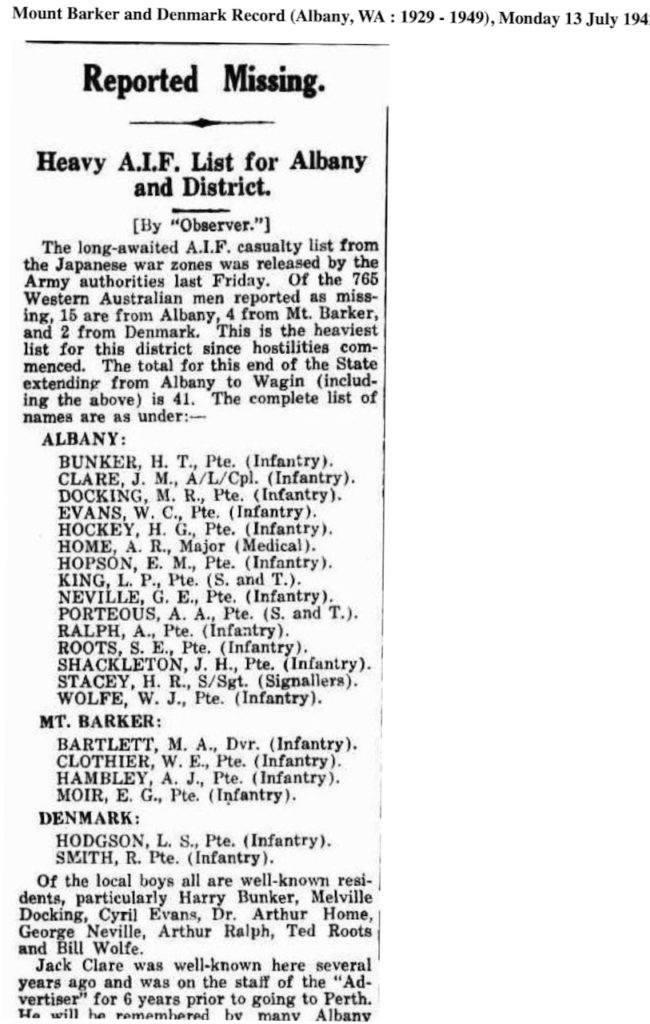
WX9241 HOPSON, Edward Mason (Ted)
born Albany 1909 to Alfred Joseph and Mary Jane Hopson. With several other men, Hopson managed to successfully escape from Singapore on the night of 15 February, 1942 reaching Sumatra. Their freedom was short-lived. It was far too difficult for Europeans to blend into local communities. The three men joined other POWs on Sumatra.
Tragically Edward Hopson died at Tenal Gajoe, Sumatra of appendicitis on 26 April 1944, he was far too ill with dysentery to undergo surgery. He was 35 years of age.
born Northampton 1914 enlisted 30 Oct 1940. He was the eldest of four Neale sons to enlist, plus a brother-in-law, George Rouse WX7656 who was also with 2/4th.
Rouse was married to Stan Neale’s sister. He was captured by Japanese on the first night of their invasion of Singapore and soon after was shot and killed whilst trying to escape.
Stan enlisted from Elleker, near Albany, in fact 16 km east of Albany, where he was recorded 1936 and 1943 Electoral Rolls.
The 1930’s depression proved to be a challenging decade for so many – with jobs hard to come by and many farms ‘going to the wall’.
In 1933 Stan was recorded as a ‘Sustenance worker’ for Thyne (Company or family) fishing at Wilsons Inlet, Denmark.
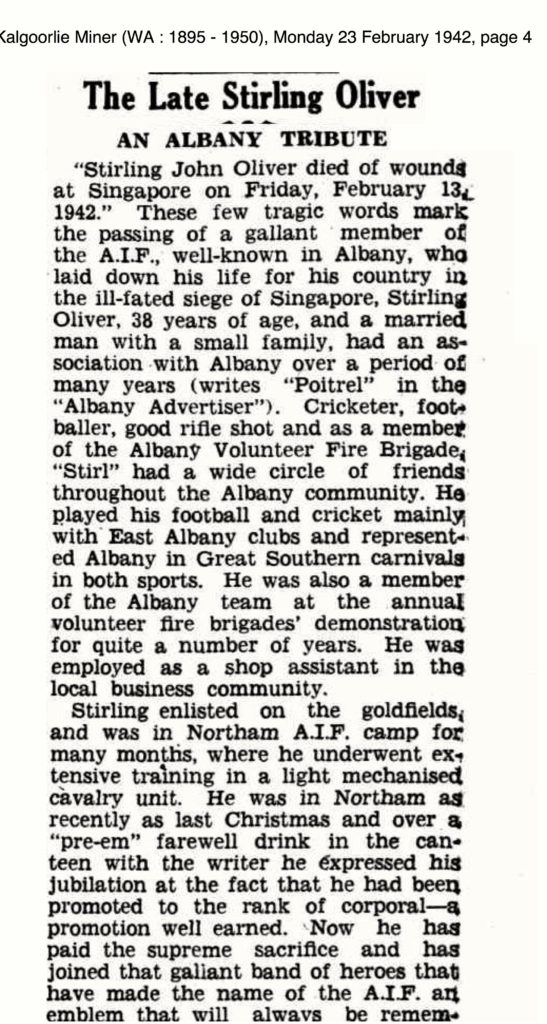
The Oliver family resided in Boulder where Stirling’s father was a miner. Stirling was one of several children, including sister Florence Mary who was born in Boulder.
In 1925 Stirling married Wilma Mildred Herbert. Prior to enlisting, Aberdeen Street Albany with his wife and family. He was employed as a shop assistant.
Wilma Oliver died in 1977.
Oliver, Stirling John
WX9253 ROSS, Don
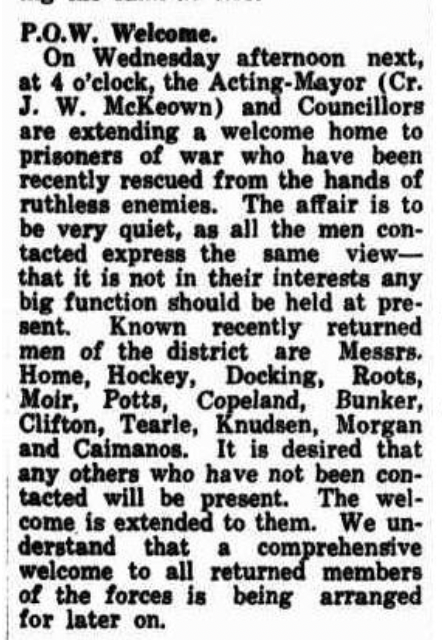
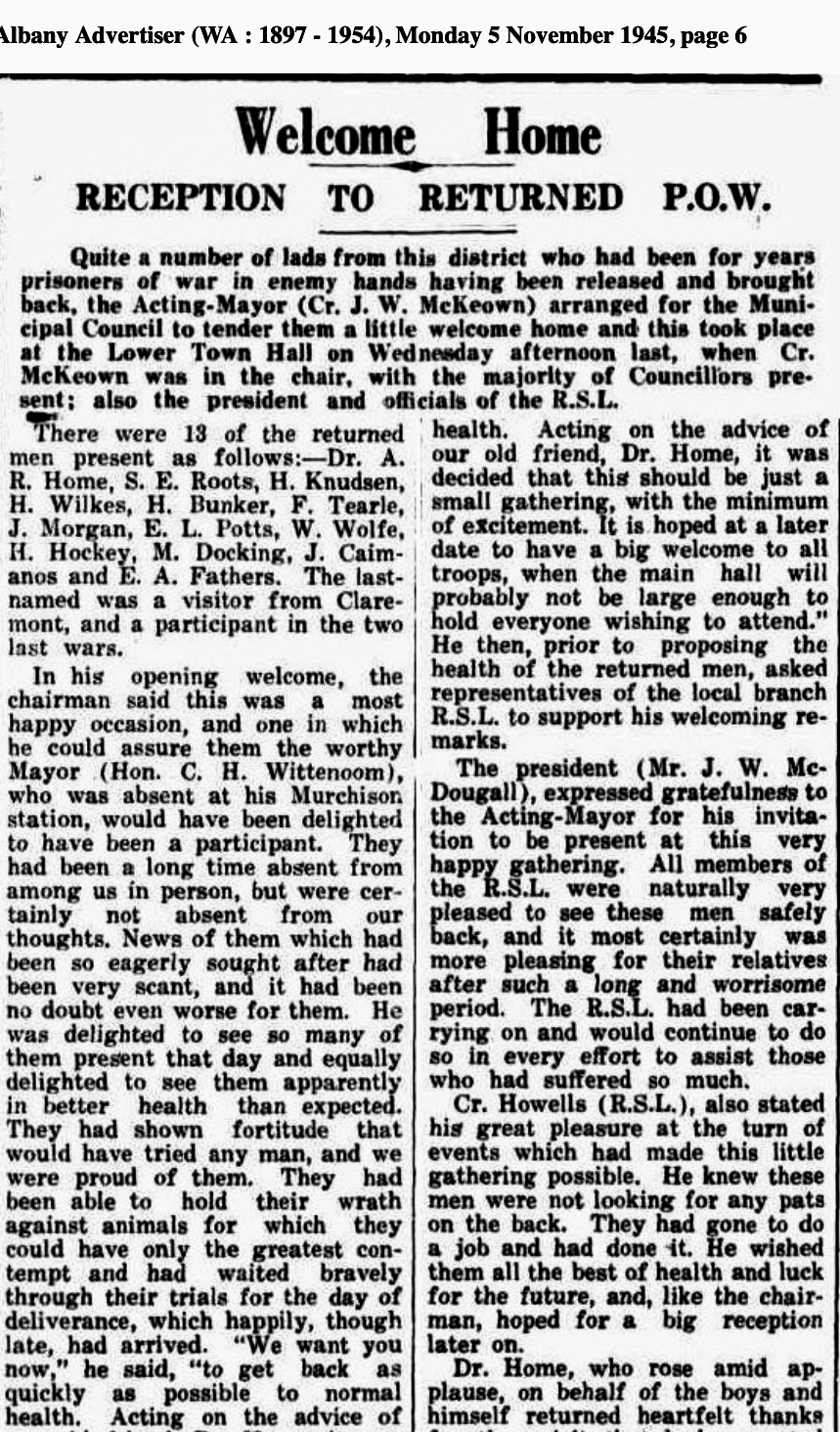
was born Albany 1913, son of Alexander and Lillian Ross of Bornholm (small town situated between Denmark and Albany on the railway line). Don married Ada Bunker, daughter of George and Annie Bunker of Albany. Ada’s brother WX9223 Harold Bunker, known as Harry was also a soldier with 2/4th MGB and had a miraculous escape from death, and returned home. Read further about Harry Bunker.
Don Ross enlisted 30 October 19430 and was a Driver with ‘A’ Company as was WX9252 James Shackleton. Harry Bunker was a rangetaker with ‘A’ Company.
Ross was selected as a POW from Selarang, Changi with ‘E’ Force Borneo. He died at Sandakan on 23 May 1945 aged 32 years, his death devastated the Ross and Bunker families of Albany.
WX9252 SHACKLETON, James Harold
was born Norfolk, England in 1904. He enlisted 30 October 1940 and was a Driver with ‘A’ Company. James and his wife Enid migrated to Australia in 1926 with their young son, settling in Albany.
James fought with ‘A’ Company during the torrid but short fighting to save Singapore from Japanese invasion. He was a POW at Selarang and Thomson Road, working with parties for the Japanese around Singapore before becoming ill. He died of acute bacillary dysentery 6 September, 1942. He was 38 years old.
born 1921 in Perth was foster son to Mr and Mrs Whimmerah of Redmond. Billy enlisted 22 October 1941 and joined the 2/4th reinforcements with ‘E’ Company to sail to Singapore on ‘Aquitania’ on 16th February 1942. Billy survived the battle for Singapore however many of ‘E’ Company were killed when ambushed at south west Bukit Timah on 11 February 1942.
He was selected with ‘D’ Force Thailand V Battalion to work on Thai-Burma Railway. Tragically he died of beri beri at Kuii Camp on 26 September 1943 aged 22 years. Billy was one of 21 men from 2/4th to die at Kuii Camp.
The following two men from 2/4th Machine Gun Battalion have their names honoured on the above Memorial:
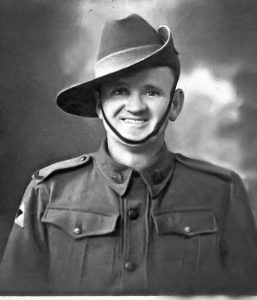
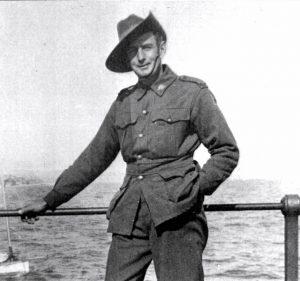
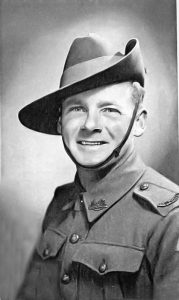
WX9318 LALLY, Kenneth
Born Northam 1915, Lally enlisted AIF 30 October 1940. He was then working at Carnamah as was Doug Carter and Bill Baillie.
Carter and Lally were together in No 13 Platoon ‘D’ Coy under Commanding Officer Lt. Wankey. As part of 8th Division the 2/4th was sent to Singapore. He was taken POW of Japan 15 February 1942 following surrender by the Allies and a short bitter fight resulting in many deaths and injuries. He was selected to work on the Burma-Thai Railway with ‘D’ Force Thailand V Battalion departing Singapore by train 17 March 1943.
Lally was one of the fortunate few to survive. V Battalion had one of the highest death rates of all Australian Forces on the railway.
When the railway was completed the Japanese regrouped all POWs from Burma and Thailand to 4 of largest camps in Thailand, for many it was for desperately needed medical treatment and the remainder, time to recover from their months and months of slavery, starvation and ill-treatment. Ken was considered fit by his Japanese captors and selected to work in Japan and travelled with ‘Aramis’ Party.
He died at Omuta Coal Mine, Japan 23 March 1945 when crushed between two trucks whilst working underground at the mine. The men were devastated. Ken was a well respected and much liked young Australian. He had survived the battle for Singapore, the ill-fated ‘D’ Force V Battalion with a 50% death rate whilst working on the railway. Survived the sea journey from Singapore to Japan on ‘Aramis’.
Was born 1917 Pinnaroo, South Australia to James and Gwendoline Murphy. James enlisted 22 September 1941. Within four months he was serving in Singapore as a reinforcement with ‘E’ Coy Special Reserve Battalion. Three days into the Battle for Singapore on 11th February 1942, James Joseph Murphy was KIA at South-West Bukit Timah, aged 25 years. Please read further about Special Reserve Battalion.
ALTHOUGH NOT INCLUDED ON THE CARNAMAH WAR MEMORIAL – William Cameron was working in the area prior to enlisting.
WX20026, CAMERON, WILLIAM b. Inverness Scotland 1908. William Cameron enlisted AIF 8 Sept 1941, later joining 2/4th’s reinforcements ‘E’ Coy SRB . He was KIA11 Feb 1942 at S-W Bukit Timah when a Japanese ambush killed a large number of inexperienced soldiers.
William Cameron and his wife Edith Eugenia were recorded living at Carnamah in 1936, where he was a farm-hand. It is believed he may have been working forWalter Bodycoat.
OTHER 2/4TH WHO LIVED CARNAMAH
Below: Eric Fraser, Eric Wankey.
WX9392 Lt. Milton Wankey Eric WANKEY was CO of 13 Platoon, D Coy . 13 Platoon took up their position North West Singapore coast with 2/20th, 22nd Brigade – west of Kranji and the head of a side road which serviced a landing strip of Lim Chi Kang Road.
Early after dawn on 8 Feb Japanese aircraft dive-bombed and machine gunned the machine gunners in their dug-outs. This with the artillery kept the soldiers trapped like animals in their burrows or huddled in shallow slit trenches.
When the Japanese came in their water craft 13 Platoon managed to hold off the first waves of enemy preventing them getting a foothold. Lt Wankey was manning a machine gun with Jimmy Loller as his No. 2 when they were both hit. Wankey although badly wounded continued to direct the fire of the three remaining guns.
For his outstanding leadership and example during the action, Lt Wankey was awarded the Military Cross.
Wounded on 8 Feb, Lt Wankey was transferred to 2/10th AGH ex 2/9th Field Ambulance on 10 Feb. Transferred 2/13th AGH on 17 Feb where his lower right leg was amputated. Transf. to AGH at Roberts Barracks Changi on 11 March and discharged to unit on 26 March. He was awarded an ‘A’ Medical Classification by the Japanese.
Loller was wounded by a mortar round at 2330 on 8th
Feb. Admitted to 2/9th Field Ambulance on 13 Feb with a shrapnel wound to his right knee, both legs and his back. Transferred to 2/13th AGH on 16 Feb where his right leg was amputated above the knee on 6 April. Loller was awarded an ‘A’ Medial Classification by the Japanese. He later worked in the hospital cookhouse at Changi Gaol Camp






 of so many of his generation. Born during a war, grew up in a depression and killed in another war.
 Known as ‘Bill’ or ‘Billy’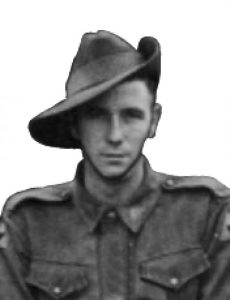

 in 1912 as a small child on ‘Belgic’ with his sister Roma and parents. George and Edith later had another son William born in Western Australia.
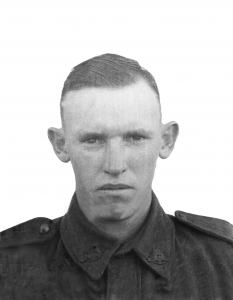
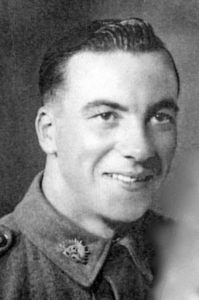
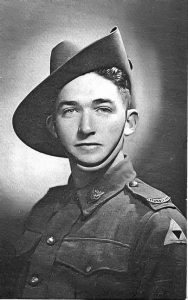

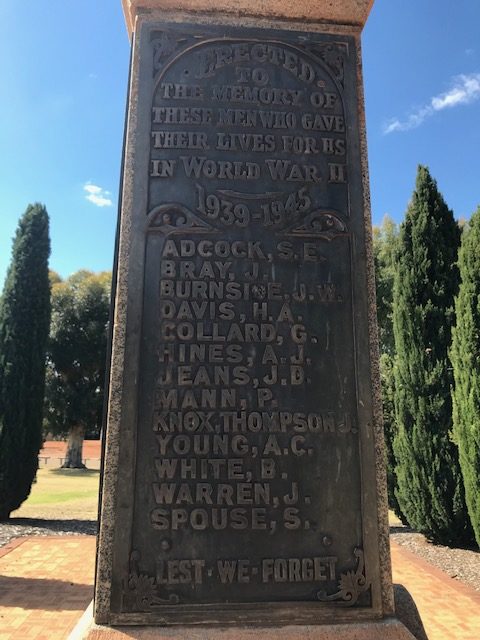
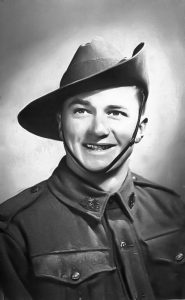
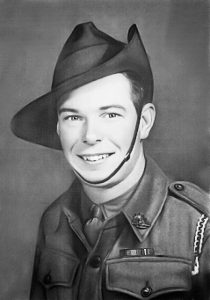
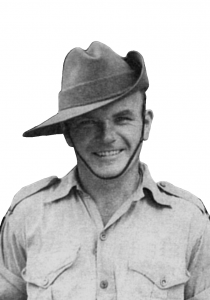
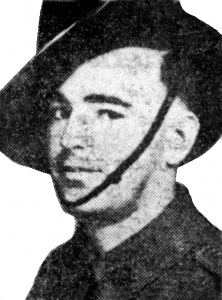
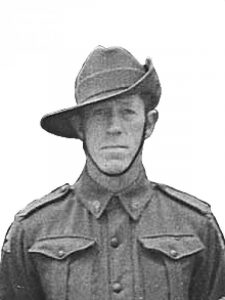
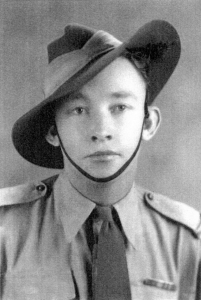 Left: Arthur Magill.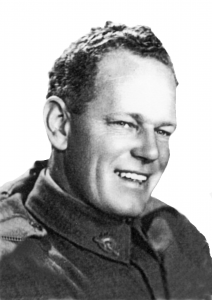




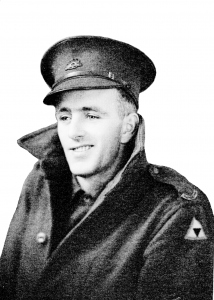
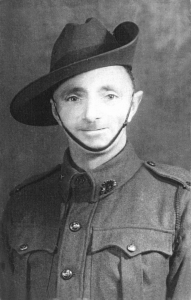
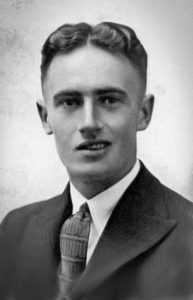 Teddy Moir died of malaria and dysentery at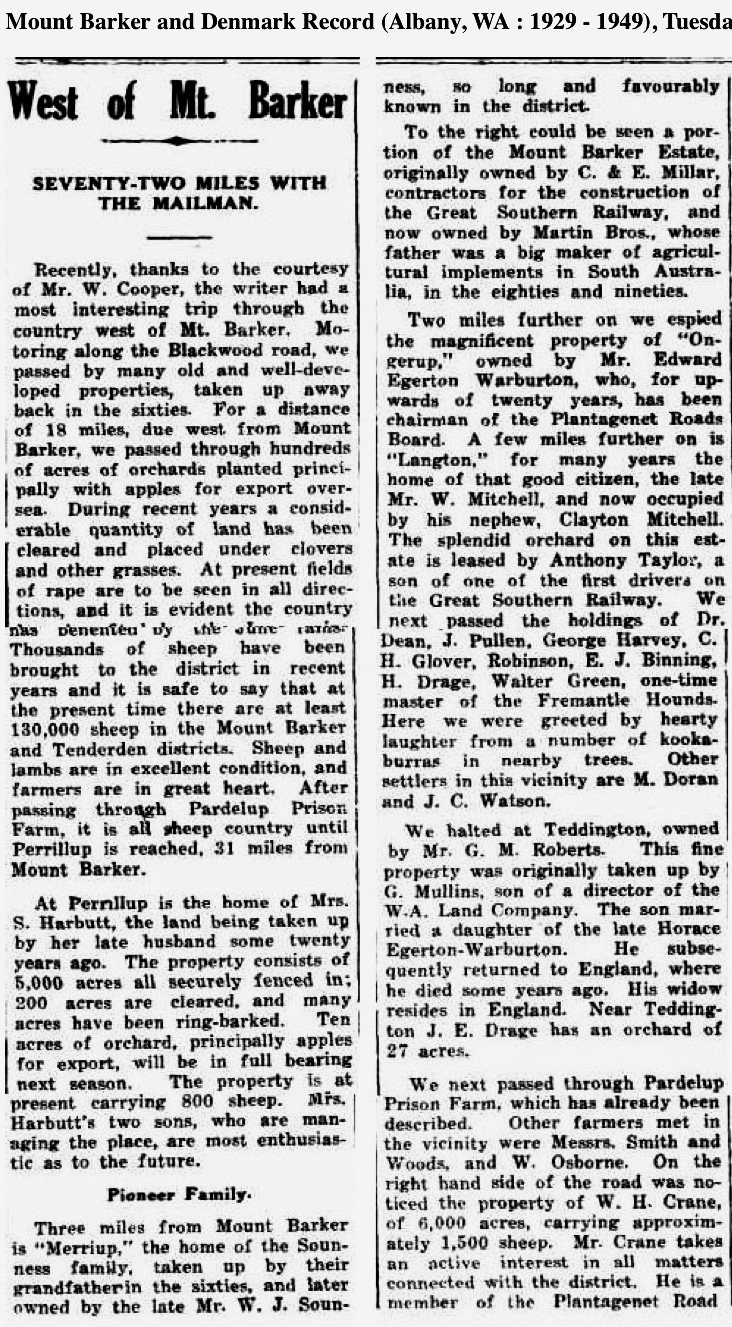


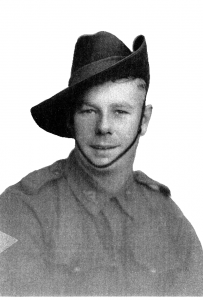 He died at Omuta Coal Mine, Japan 23 March 1945
  Was born 1917 Pinnaroo, South Australia to James and Gwendoline Murphy. James enlisted 22 September 1941. Within four months he was serving in Singapore as a reinforcement with ‘E’ Coy Special Reserve Battalion. Three days into the Battle for Singapore on 11th February 1942, James Joseph Murphy was KIA at South-West Bukit Timah, aged 25 years. Please read further about