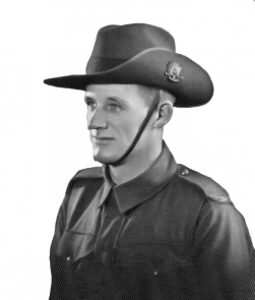
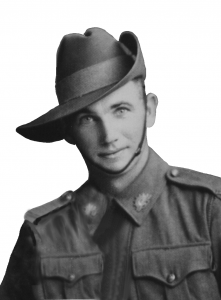
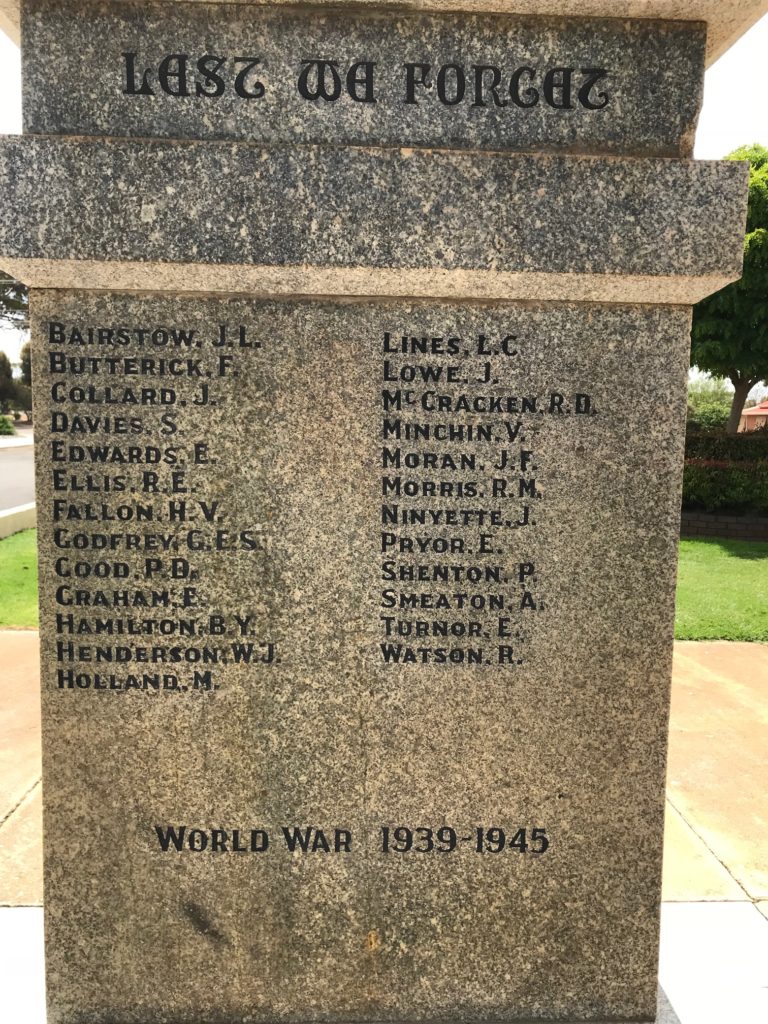
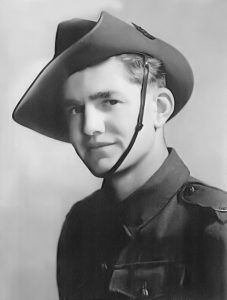
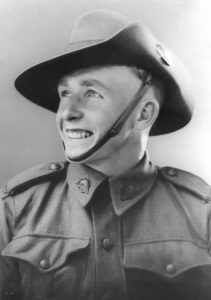
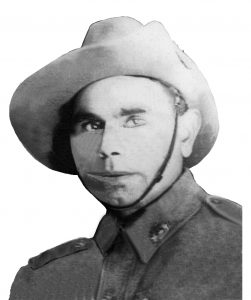
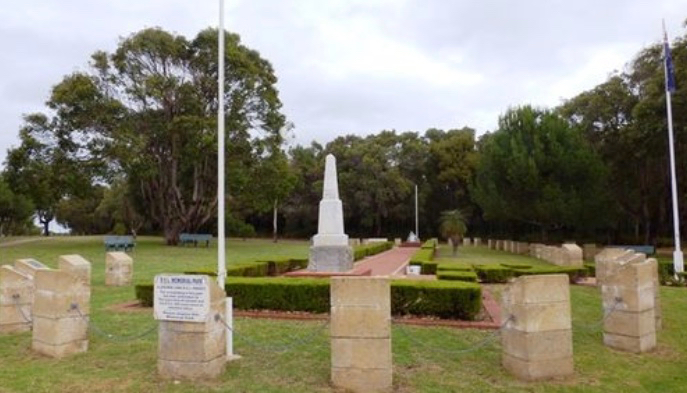
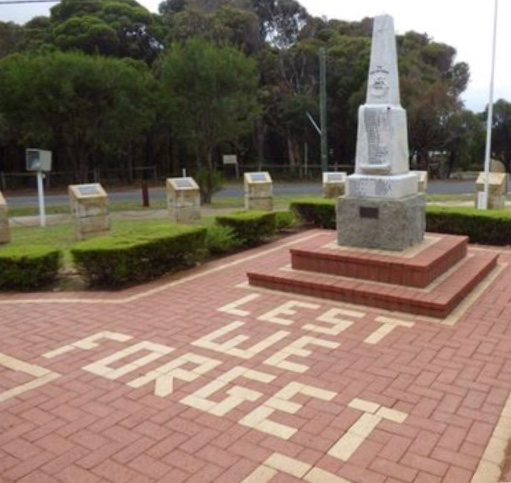
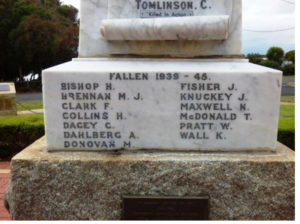
Wickepin Shire World War Memorial 1939 – 1995

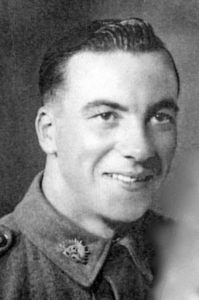
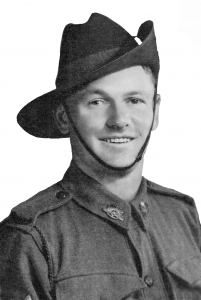
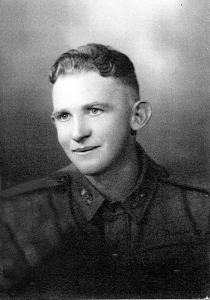
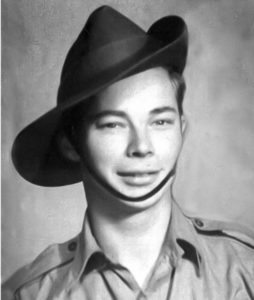
The Wickepin Honour Board includes the names of all the men from the district who served with the armed forces from 1939-1995, those who returned from serving overseas as well as those who did not return.


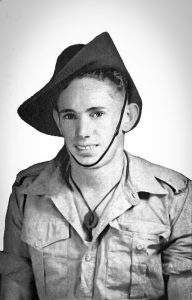
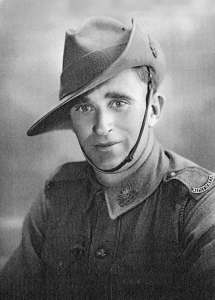
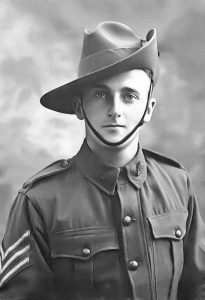
There are three men who served with 2/4th MGB and all returned to Australia.
WX9334 DARE, John Francis born Boulder 1913 enlisted 30 October 1940 joining ‘B’ Company.  His parents farmed at Harissmith where he spent his youth.  In 1943 he was selected to work on the Burma end of the Burma-Thai Railway with ‘A’ Force Burma, Green Force No. 3 Battalion and sailed from Singapore to Victoria Point, working on repairing and extending the airfield before moving to their first camp which was Kendau 4.8km.
Please read ‘A’ Force Burma Green Force No. 3 Battalion
John Dare was recovered from Thailand at the end of the war and returned to Australia. He died at Seacliff,d South Australia, where he had lived with his wife and children on 29 March 1970 aged 57 years.


 WX9563 RANDALL, John was born in King William Town, South Africa in 1905.   John sailed to Java and was taken POW by Japanese a short time after Singapore Fell.  He was later selected to work on the Burma end of the Burma-Thai Railway with ‘A’ Force Burma, Java Party, Williams Force.
Please read further about John Randall’s POW years.
John Randall sailed to Singapore with with Java Party 4 to work on the Burma-Thailand Railway.  Randall became ill in Singapore and did not proceed with his original party.  He then became part of ‘Both’ Party and became a POW in Saigon,French Indo-China from where he was recovered at the end of the war.


WX7715 SPACKMAN Clifford Joseph was born Pingelly 1917 and lived much of his formative years at Wickepin.
Whilst a POW in Singapore Cliff Spackman was selected to work on the Burma-Thai Railway with ‘D’ Force Thailand, V Battalion.  This Battalion departed by train from Singapore 17 March 1943 for Thailand.  V Battalion was to suffer one of the highest death rates of all Australian work parties on the railway.
Please read about V Battalion.
And the interesting life Cliff lived after the war.
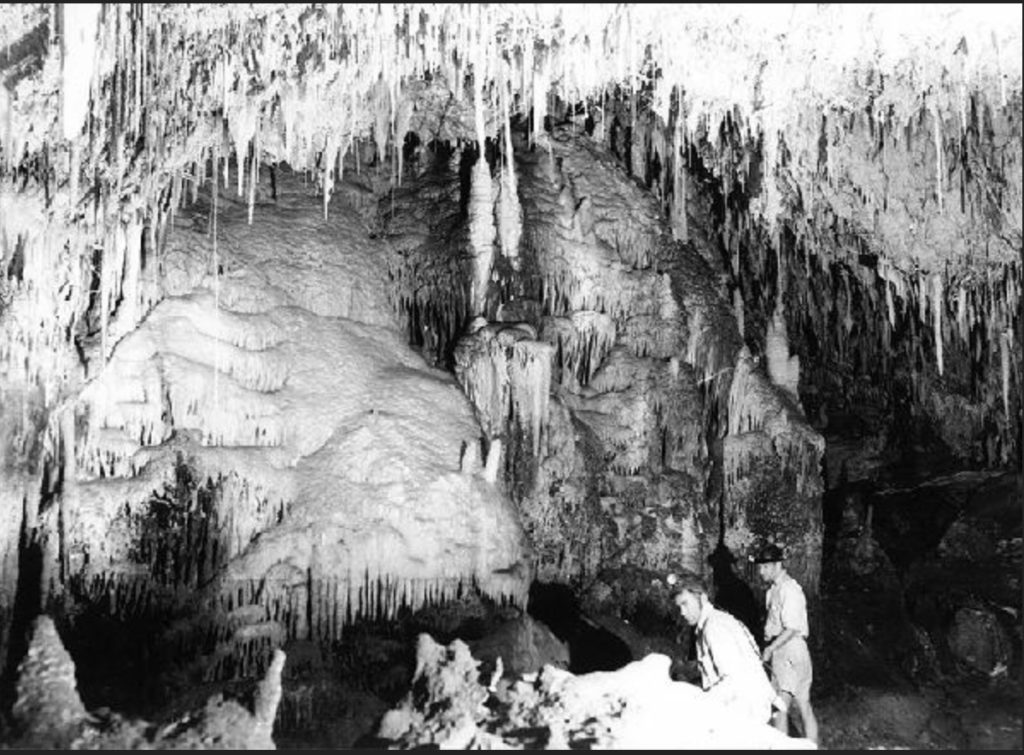
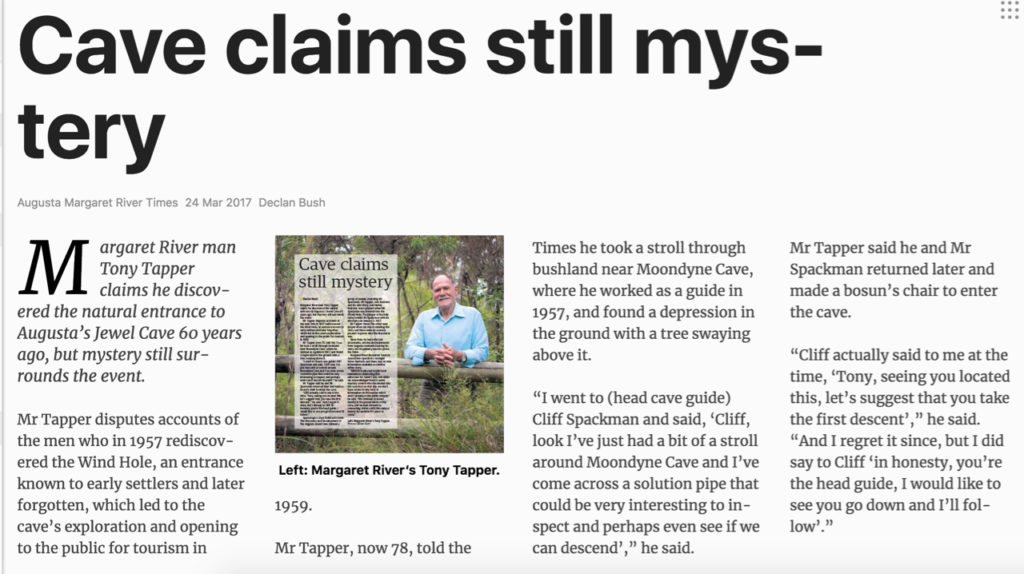
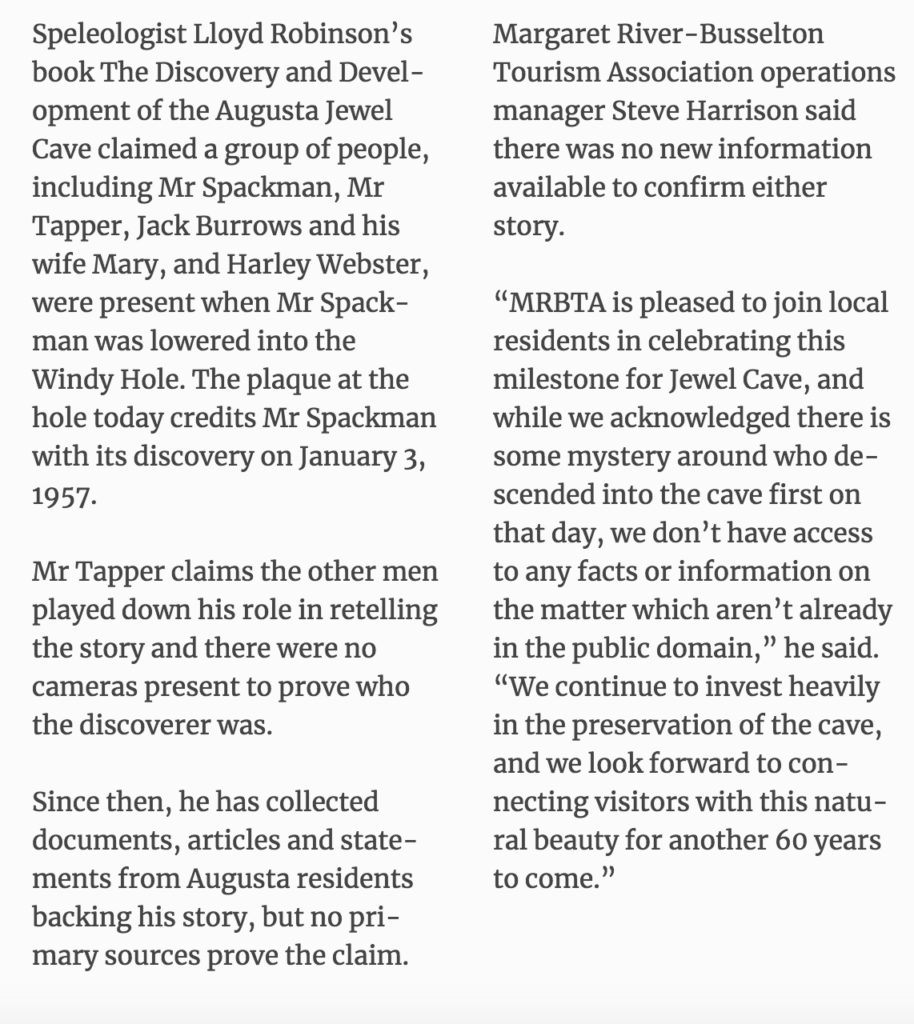
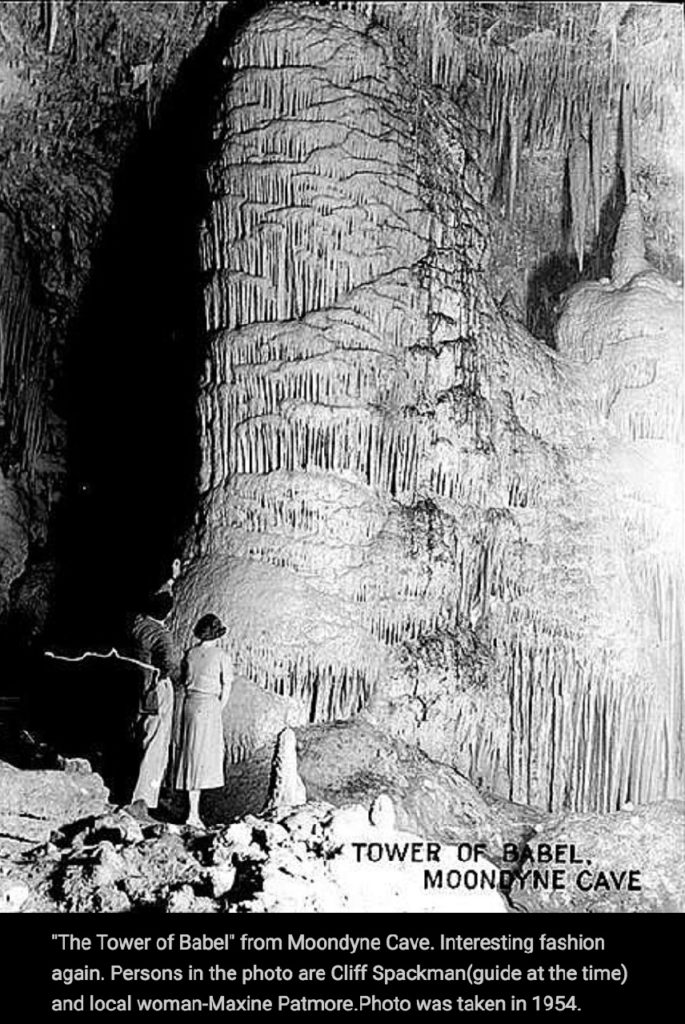
Cliff was one of three local men instrumental in re-discovering the Jewel Caves at Busselton.  They first gained notice in the early 1900’s but had never been explored.

Denmark WWII War Memorial


The following 2/4th men who came from around Denmark and who lost their lives:


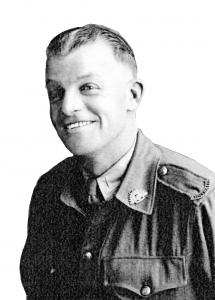
WX9231 HODGSON, Leonard Sydney (Tim) was born London, England and migrated to Australia with his family.  The Hodgson family took up land at Denmark.  ‘Tim’ as he was known enlisted 30 October 1940 and joined ‘A’ Company as a rangetaker.  As a POW on Singapore he was selected from Selarang with ‘A’ Force Green Force No. 3 Battalion to sail from Singapore to Burma to
work on the Burma end of the railway. Tim developed a leg ulcer which required amputation and was evacuated to Khonkan Hospital 55km Camp.  In his weakened health condition he died post amputation combined with toxaemia.  He was 24 years of age when he died.
Please read further about ‘A’ Force, Green Force No. 3 Battalion.
Also read further about Tim Hodgson.  Tim’s english-born father spent the duration of WW1 in a German Civilians POW Camp not far from Berlin.  The Hodgson family were at the time residing in Germany.  (Tim’s mother was German born).


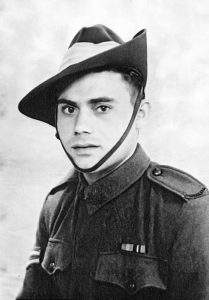
WX9226 TYSOE, Harry enlisted 30 October 1940 joining ‘A’ Company.  As a POW of Japan in Singapore he was selected with ‘J’ Force to work in Japan.
‘Sparrow’ as he was known, departed Singapore on ‘Wales Maru’ and accommodated at Kobe House.  He died of chronic beri beri and influenza at the Japanese hospital Osaka.  Harry’s body was cremated and enshrined at Juganji Temple, Osaka.  He was 35 years old and left his wife to care for four young children.
 Please read further about ‘J’ Force and  ‘Wales Maru’.
Also read about Kobe House 
Also read further about Harry Tysoe.


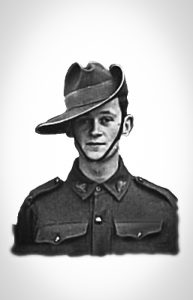
WX9224 WALKER, Harold Alexander enlisted 30 October 1940 joining Headquarters Company as a Signaller.
He was KIA Reformatory Road, Ulu Pandan, Singapore 12 February 1942 aged 23 years.  Please read further about H.A. Walker.


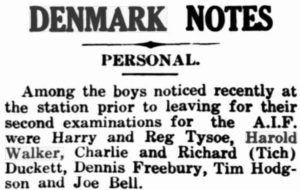
Above:  Albany Advertiser November 1940.


NB.  Further enquiries are to be made as to whether John Lee (also known as George Lee WX9214) is one and the same Lee included on the memorial. October 2018.
Harry Tysoe was sent to Japan with ‘J’ Force on ‘Wales’ Maru – as did Harold Edward Procter WX6172.  
Harold ‘Ted’ Procter arrived in Australia from England as a 5 year old.


His parents William and Rosa Proctor with several children and took up farming at Denmark.  


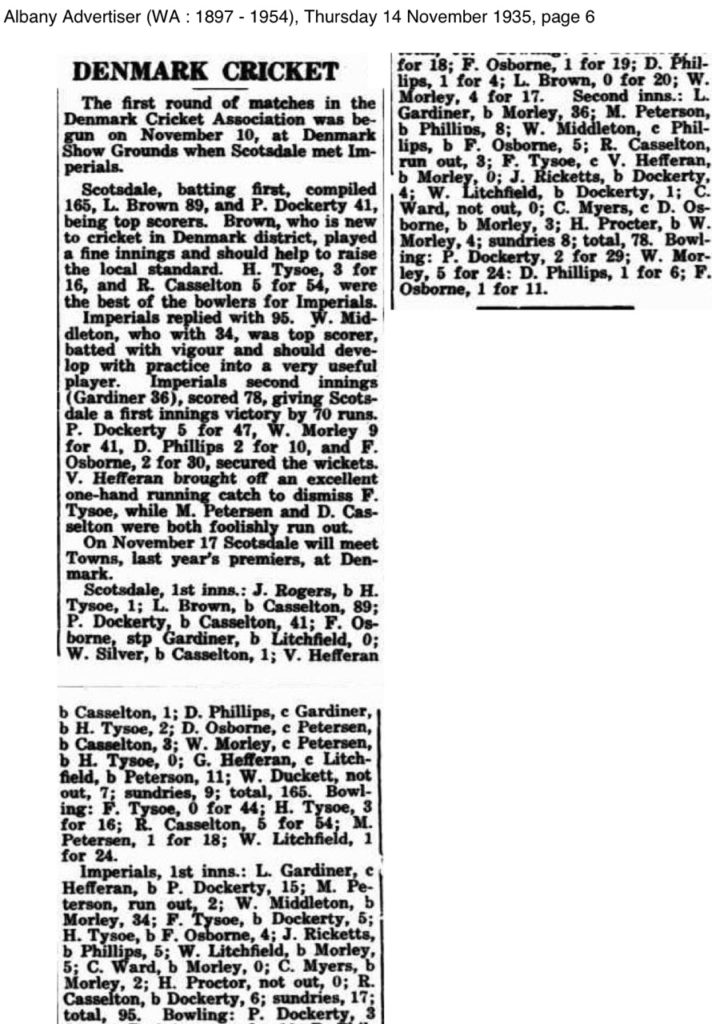
Below:  Harry  Tysoe and Ted Procter played local cricket. They were both in ‘A’ Company.


Denmark Cricket


Those from around Denmark who returned home at the end of war:
WX13352 SMITH, ROY was b. 1915 Taunton Somerset, England to John and Annie Evans.  John Evans died in 1920 aged 33 years and Annie died in 1924 (apparently Albany, WA).  In 1924 the four children of John and Annie Evans arrived in WA from London on ‘Demonthenes’ departing London 26 April 1924.   Cyril John 12 yrs, Edith 10 (she later married Miller in Albany), Doris 9 and Lionel 7 years.

Lionel was adopted by Mr and Mrs Charles Edward Smith of Denmark and changed his name.  He spent his formative years in Denmark, he was a boy scout, entered the Denmark Show and played the mandolin for school and community concerts.
He returned to Denmark after the war.  He is recorded working as a fisherman.


WX16426 William John WOLFE  b. Perth 1913 son of Richard Travers and Katherine May Wolfe of Bornholm.  William Wolfe enlisted 10 Sept 1941.  He was Taken on Strength to Woodside Camp, SA on 5 Oct 1941 joining No. 3 Platoon.

He worked on the Burma end of Burma-Thai Railway with A Force Burma Green Force  No. 3 Btn.  Wolfe was recovered from Tamarkan Camp Thailand when the war ended.
William married about 1937 to Maureen Goldsmith whose family also farmed in the Bornholm area.


Thomas (Tom) Alfred Henry Minchin WX9222 ‘A’ Coy returned home after the war.  Tom grew up in Denmark with his parents part of Group Settlement Farmers.  He married after the war to the sister of Tim Hodgson’s sister-in-law.


You may wish to read about Bornholm, Torbay & Kronkup 


WX7409 PASCOE, Thomas Anthony b. Cornwall arrived in Albany in 1924 and took up land at Tamarthen 116 Group Settlement.
Tom Pascoe worked on the Burma-Thai railway with ‘A’ Force Burma, Green Force No. 3 Battalion.
The same work party as “Tim’ Hodgson.


After the rail link was completed Pascoe set out from Thailand with what would become known as the ‘Rakuyo’ Maru group to sail to Japan – sailing from Saigon.   They spent several months in French Indo – before the Japanese accepted they were no longer able unable to use this shipping Port as it was successfully blockaded by US submarines. The Men had to return to Bangkok and travel (by train) back to Singapore where again they waited for their ship.
The work force finally departed September 1944.  The ship Rakuyo Maru was hit by several torpedoes fired by US Submarines.   Following 4 days in the ocean, Tom Pascoe was one of a number of POWs picked up by the same submarines which had attacked their convoy,
Please read about ‘Rakuyo’ Maru
Tom as far we know, never returned to Denmark/Camarthen area to live.  He died in 1973 East Victoria Park.


______________________

Shire of Wagin War Memorial & Prisoners of War of Japan


The Wagin WW2 Memorial includes two men from 2/4th who died.   Wagin born Tommy Green ‘s name is not included above, he died at Sandakan, North Borneo.
WX17039 ELLIS, Ronald ‘Ron’ Edward  at the age of 21 years died of wounds received on 11 February 1942 during the battle for Singapore.
The previous day, he received a gunshot wounds to his right arm and shrapnel wound to his chest.  Ron Ellis was admitted to 2/13th Australian General Hospital suffering severe shock.   He underwent amputation of his arm 2″ below the shoulder joint but succumbed to his injuries.
Ron Ellis was the eldest of 6 children born to George Christie Ellis and Olive Ellen King of Wagin. George and Olive married 1917 Katanning. They had six sons and two daughters.
Ron enlisted 17th May 1941 with  2/4th .  He joined  ‘D’ Company trained at Woodside SA and went to Darwin prior to sailing to Singapore on ‘Aquitania’ Jan 1942.
He was buried at Marita Road Military Cemetery, Katong and after the war, his body was interred and moved to Kranji War Memorial.
If you wish to read further about Ron Ellis, please go to

Please read further

WX5584 MCCRACKEN, Ronald ‘Ron’ Duncan was born in Narrogin 11 December 1920.  Ron enlisted 11 December 1940, and joined Headquarters Company as a Signaller.  He was involved in the bayonet charge at Hill 200, Ulu Pandan and wounded in action, receiving a gunshot injury to his right foot. Singapore fell to Japan and whilst in hospital Ron became a POW.  He was discharged to his unit and to Selarang Barracks 28 February 1942
From Selarang Camp Changi Ron was selected to work on the Burma-Thai Railway with ‘A’ Force Green Force No. 3 Battalion.  Please read further 
Ron was one of the few lucky POWs who did not get ill whilst working on the railroad – that is not to say he did not suffer starvation, long working hours and ill-treatment at the hands of his Japanese or Korean guards.  It simply mens he was not recorded being a patient at a so-called camp ‘hospital’ (which were always without medicines or medical equipment).    When the railway was completed the Japanese transported those working at the Burma end south to one of the large camps in Thailand – many died on their journey due to ill-health, those too weak to be moved from Burma remained behind to die in peace nursed by dedicated voluntary POW medical staff.
A few months later Ron was rated ‘fit’ by the Japanese and selected to work in Japan in what would become known as ‘Rakuyo Maru’ Party.  Between December 1943 and March 1944 the men having been innoculated twice against cholera, twice against pestis (plague) and once against tuberculosis departed their camps at either Tamarkan, Banpong or Non Pladuk by train in groups heading to Bangkok  with their final destination Saigon, French Indo-China where it was planned the POWs would be shipped to Japan.
In Saigon the POWs worked on the docks, go-downs and other jobs at Tan Son Nhut civil aerodrome north of Saigon while waiting for a ship.  Several attempts were made to leave Saigon, but the POWs returned.  Any Japanese plans for their ships to depart Saigon were finally realised to be futile.  They suffered huge losses of shipping to the Allies.  American submarines patrolling the South China Sea had now successfully blockaded the harbour and port.  The POWs were to be returned by rail to Bangkok and finally Singapore to wait for a ship.  On 4th July the train carrying the ‘Rakuyo Maru’ party as they were now called, arrived at Singapore and moved into River Valley Road Transit Camp.  Until their departure on 4 September 1944, the POWs worked at various places, including the docks and excavation of the dry dock opposite Pulau Damar Laut, known as Jeep Island from 7 July to 3 September.
Finally the ill-fated ‘Rakuyo Maru’ crammed with 1,317 Australian and British POWs confined in its hull moved out of Singapore harbour to the roadstead and anchored for 36 hours to wait for its convoy.  On 6 September the small convoy headed north east into to South China Sea.
On Tuesday 12 September 1944 at 0530 hours the convoy was attacked by three US submarines. 

Please read further.

Although a few very fortunate POWs were found by the same submarines which attacked their ship, Ron did not survive, he was one of a very large number who perished.


WX8540 GREEN, Thomas William known as ‘Tommy’ was born 1918 Wagin to George Henry and Janet Margaret Green who married Port Adelaide, SA in 1902.  Tommy enlisted AIF Oct 1940, later joining Headquarters Coy No. 3 Platoon as a Driver. He married in 1940 to Sylvia Madaleine King. – Sylvia King, Ron Ellis and George Quinn were all first Cousins.

He was AWOL when ‘Aquitania’ sailed for Singapore from Fremantle 16 Feb 1942 and was taken to Java with about 90 other 2/4th machine gunners who had been left behind. Please read the story of how Green arrived in Java and not Singapore
From Java Green was sent on a work party to Burma-Thai Railway via Singapore with ‘A’ Force Burma Java Party not 4 Black Force EXCEPT that Green became ill in Singapore and was left behind.  Tommy had the misfortune to be then taken with ‘E’ Force North Borneo to Sandakan. He died at Sandakan 22 Jan 1945 aged 24.  There were no survivors at Sandakan except 6 men who were lucky to escape.

Please read about Sandakan


Another 2/4th to have connections with Wagin is Brooker.
WX9288 BROOKER John Allen b. 1917 England enlisted Oct 1940 and joined ‘A Coy 6 Platoon as a Driver. 24 year old Brooker was KIA 15 Feb 1942 at Buona Vista.  It was that evening Percival surrendered to Japan.

Two men who joined 2/4th born in Wagin and both Clancy and Holland were selected to leave Singapore 16 Aug 1942 with Japan ‘B’ Party to Keijo.


WX7122 Cpl. James ‘Jim’ Patrick  CLANCY b. 1918 Wagin to Peter and Catherine Clancy. He enlisted Aug 1940 and later joned ‘D’ Coy 14 Platoon under CO Lt Tompkins.  Clancy was recovered from Manchuria at the end of the war.


WX17997 Hubert Mervyn ‘Dutchy’ Holland b. 1921 Wagin to Charles Newton and Estelle Holland. He enlisted 10 Dec 1941 and became reinforcement and batman/runner to 2/4th’s ‘B’ Coy 8 Platoon under CO Lt. MacKinnon. Holland was recovered from Japan at the end of the war.


Please read about them.


WX16417 Samuel ‘Sam’ NINYETTE b. 1917 Beverley to Jack and Rosie Ninyette.  EnlIsted 10 Sept 1941 and joined 2/4th’s ‘D’ Coy 15 Platoon under CO Lt Meiklejohn.

Sam missed reboarding ‘Aquitania’ at Fremantle 16 Jan 1942 and was sent with 90 2/4th men to Java where they were captured about 8 March 1942.
He was sent to work on Burma-Thai Railway with ‘A’ Force Burma, Java Party No. 4 Williams Force.  At the end of the war, Ninyette was recovered from Thailand.


WX9285 Quinn Cecil ‘George’ (Bluey) b. 1903 Wagin to Francis Phillip Daniel & Harriet Quinn.

At the end of the fighting in Singapore during which George Quinn was wounded on 9 Feb 1942 and then again on 11th Feb – receiving a shrapnel wound to one of his feet – he however managed to escape to Sumatra – But he was not safe there because the Japanese arrived not long after.   Quinn was one of the party of POWs who were taken to the northern part of Sumatra to work, prior to working on the Sumatran Railway.
Quinn was lucky to return to Australia – conditions were appalling and food rations non-existent.


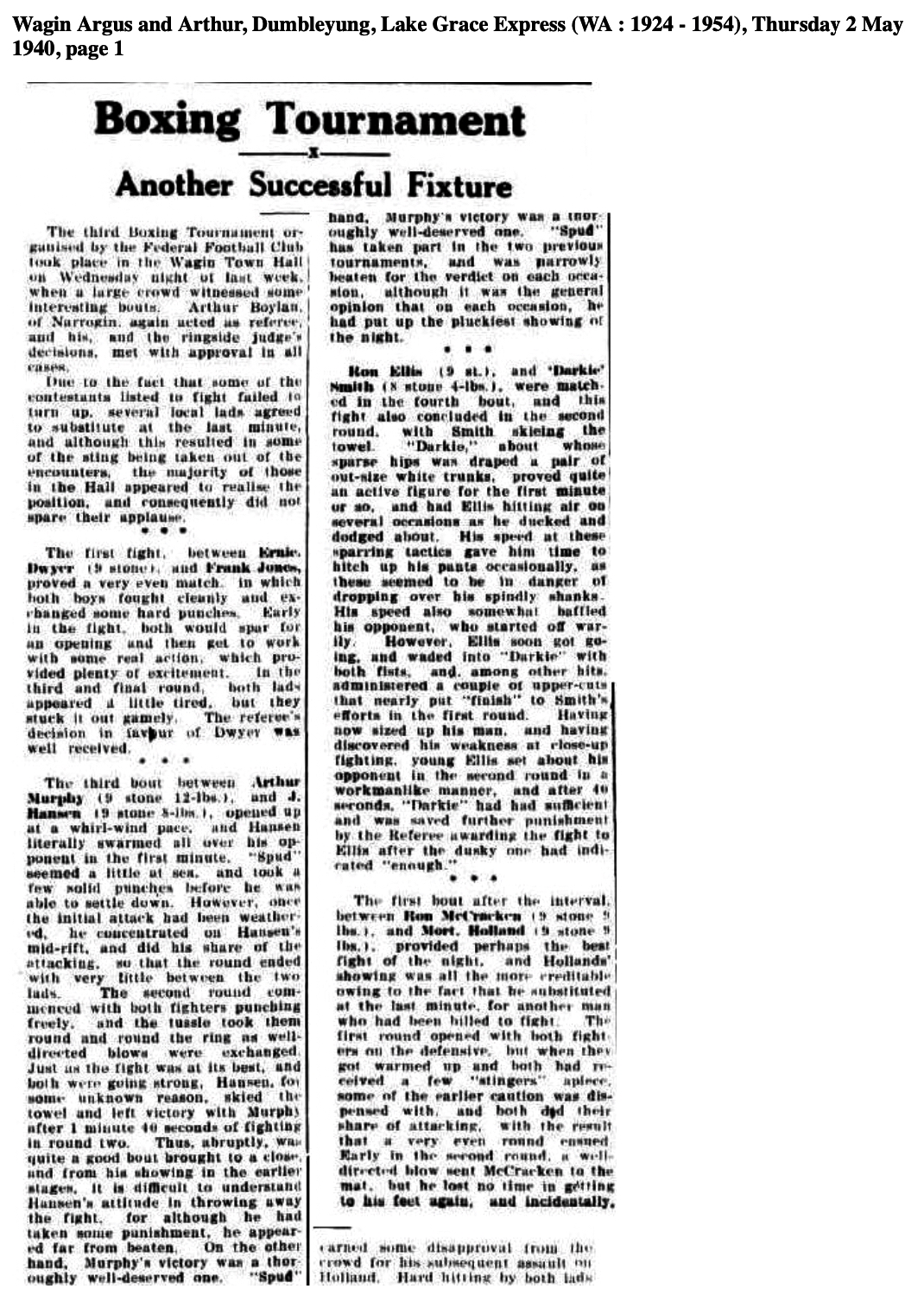
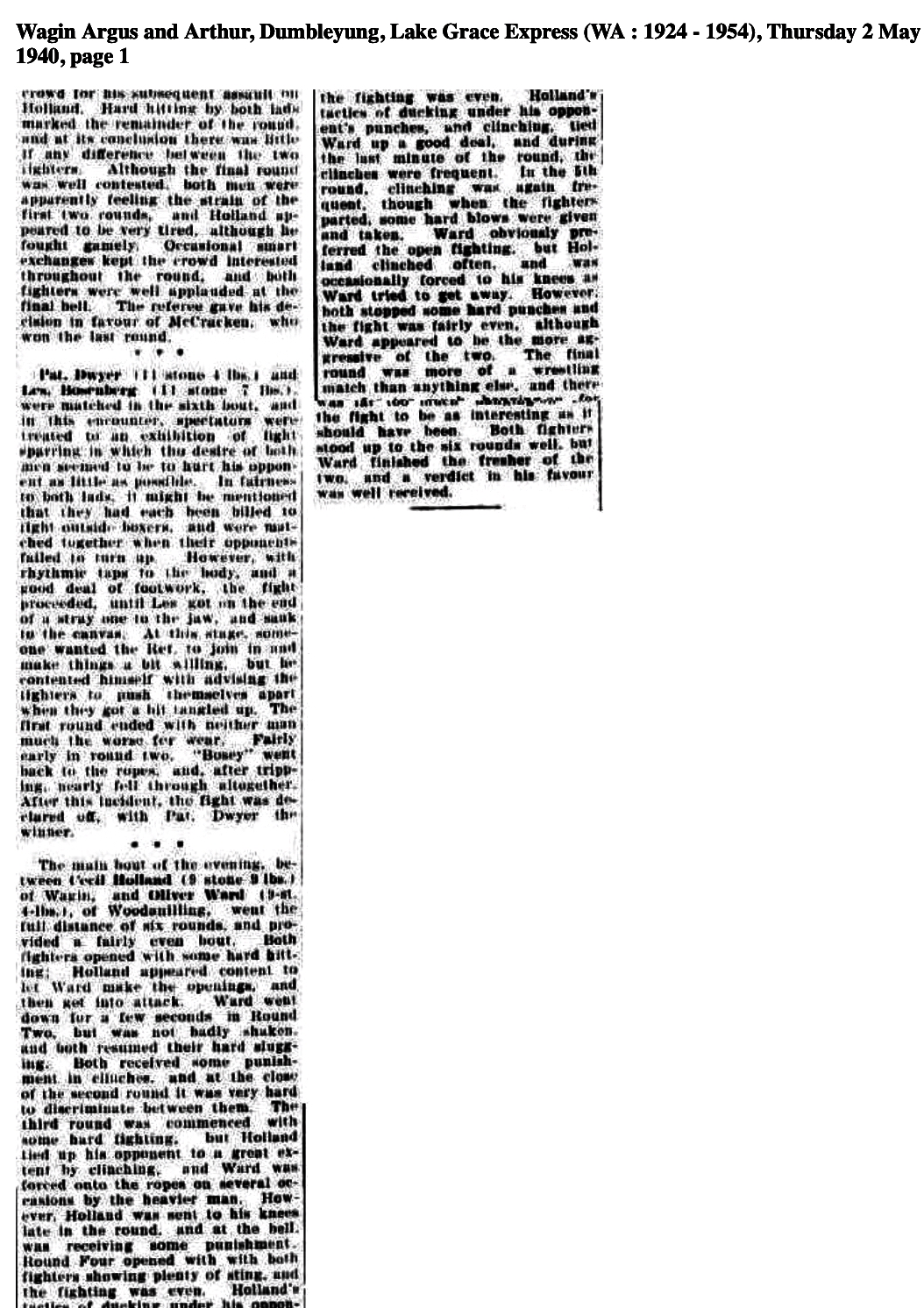
Below:  Boxing match in Wagin – participants include, McCracken, Ellis. 


WX10927 Lance Corp Norman ‘Norm’ Harding Edward THOMPSON b. Subiaco to Edward Arthur and Winifred Thompson.  Enlisted AIF 18 Feb 1941 joined ‘A’ Coy 5 Platoon under CO Lt Walton.

Thompson worked on Burma-Thai Railway with ‘D’ Force Thailand S Battalion.  Was then selected to work in Japan and sailed with ‘Rashin’ Maru Party on a 70 day Horror journey.  He worked at Yamane and Niihama mines in Japan, and was recovered from the latter at the end of the war.


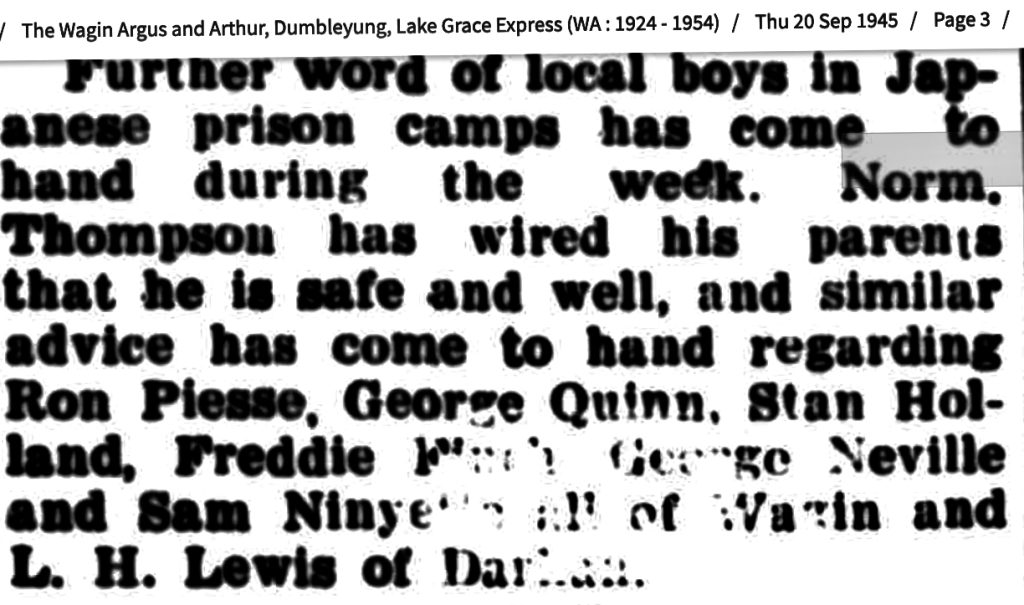
Below:  Sep 1945 Wagin boys Ron Piesse, George Quinn, Stan Holland, George Neville and Sam Ninyette.


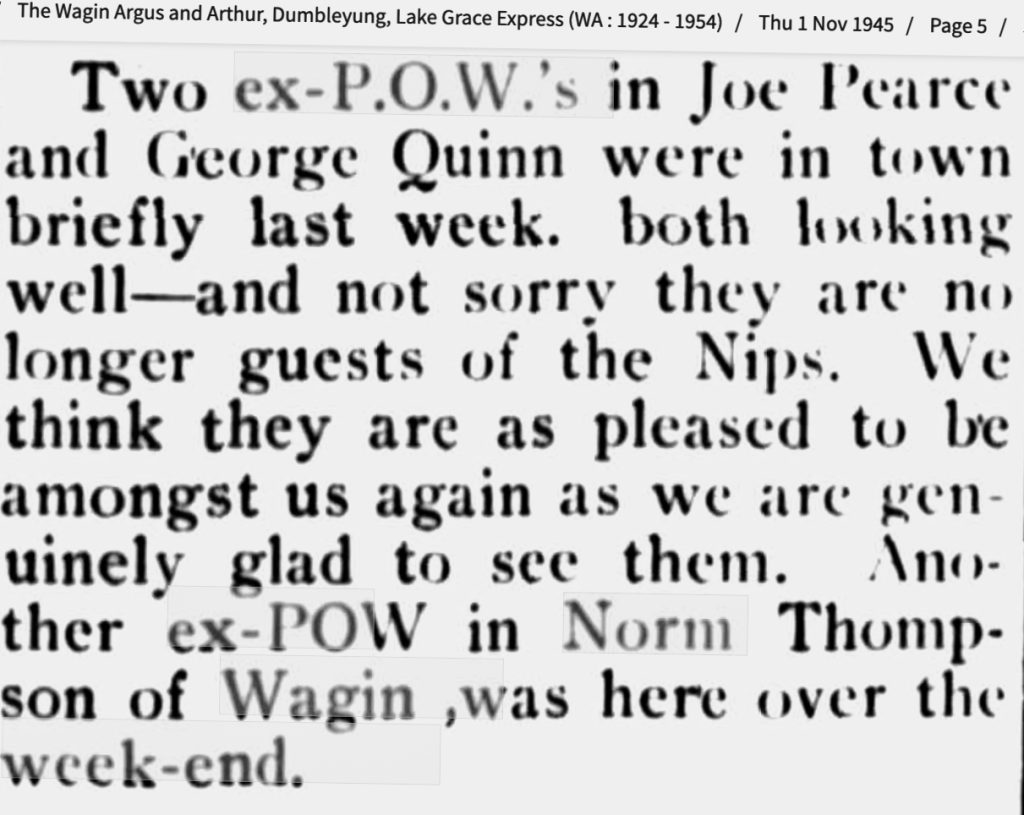
Below:  Nov 1945  Joe Pearce, George Quinn and Norm Thompson.


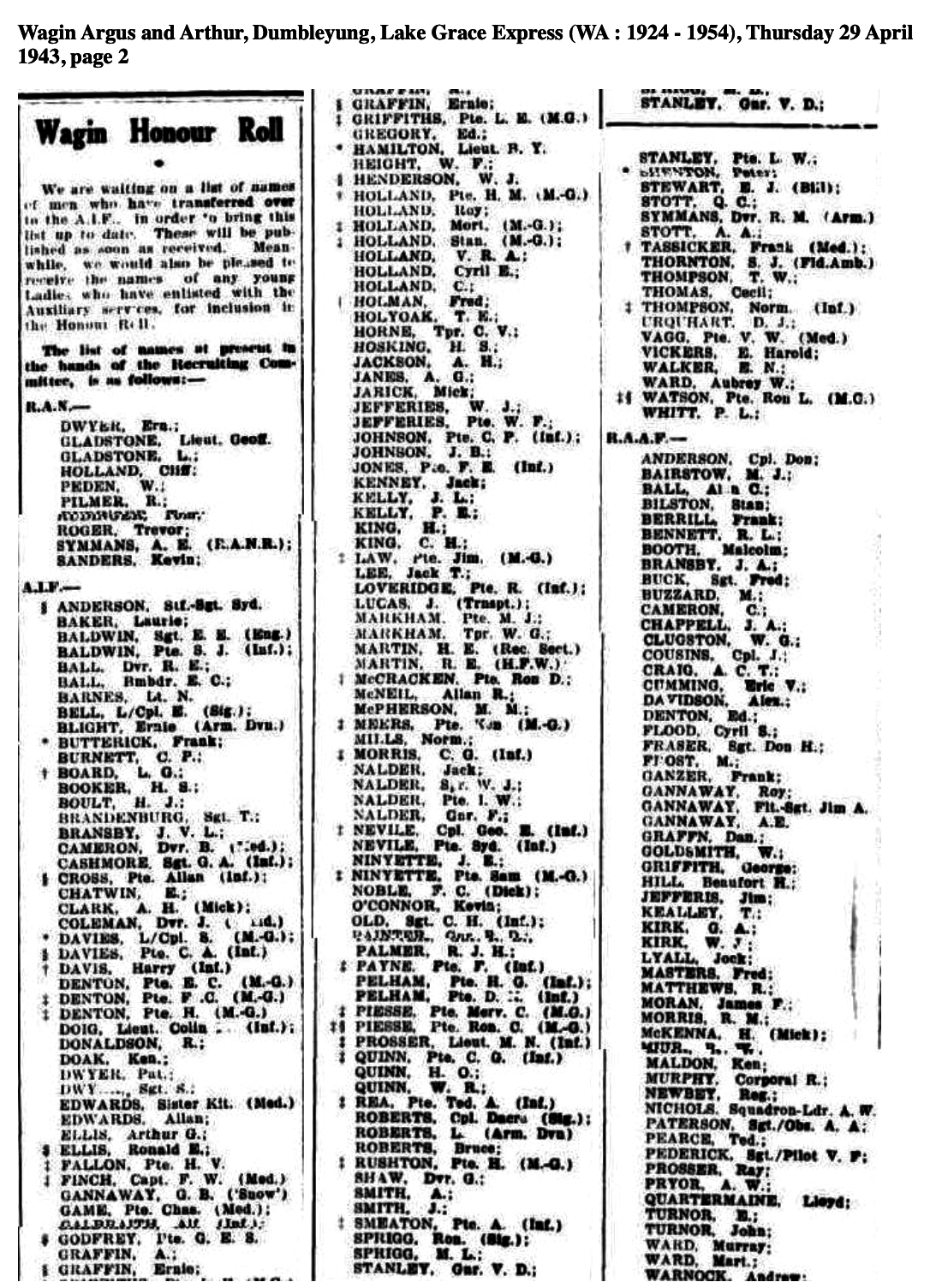
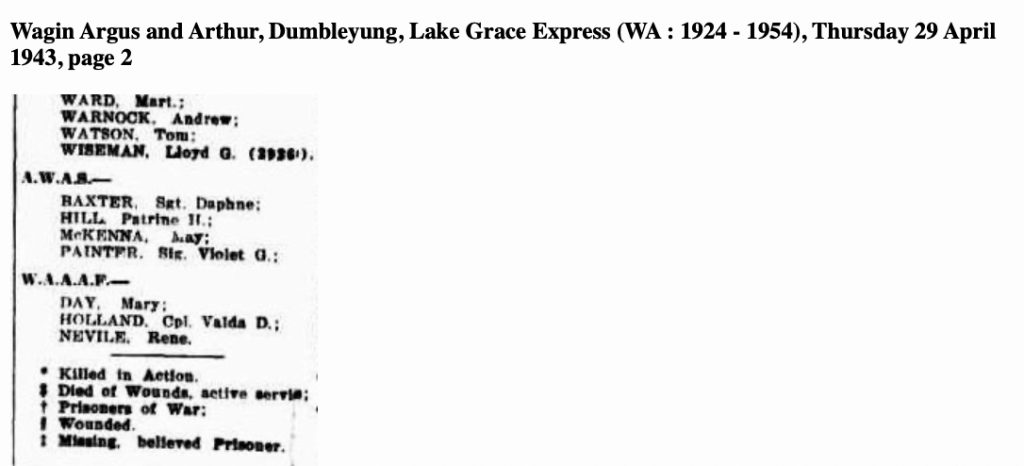
Below:  1943 Wagin Honour Roll

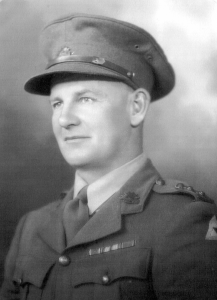
WX3451 Major Colin Cameron

Major Colin Cameron served in both WW1 and WW2.  After the war he provided his community with the same leadership he provided the men of 2/4th MGB during the battle for Singapore and as POWs of Japan, particularly whilst working on the Burma end of Thai-Burma Railway.

For further reading, please go to


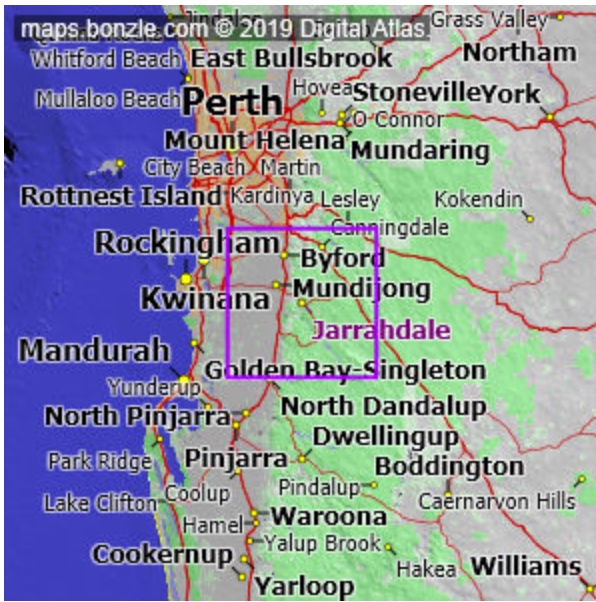
Byford War Memorial – Includes Mundijong, Jarrahdale

BYFORD WAR MEMORIAL

BYFORD, MUNDIJONG, JARRAHDALE REGION


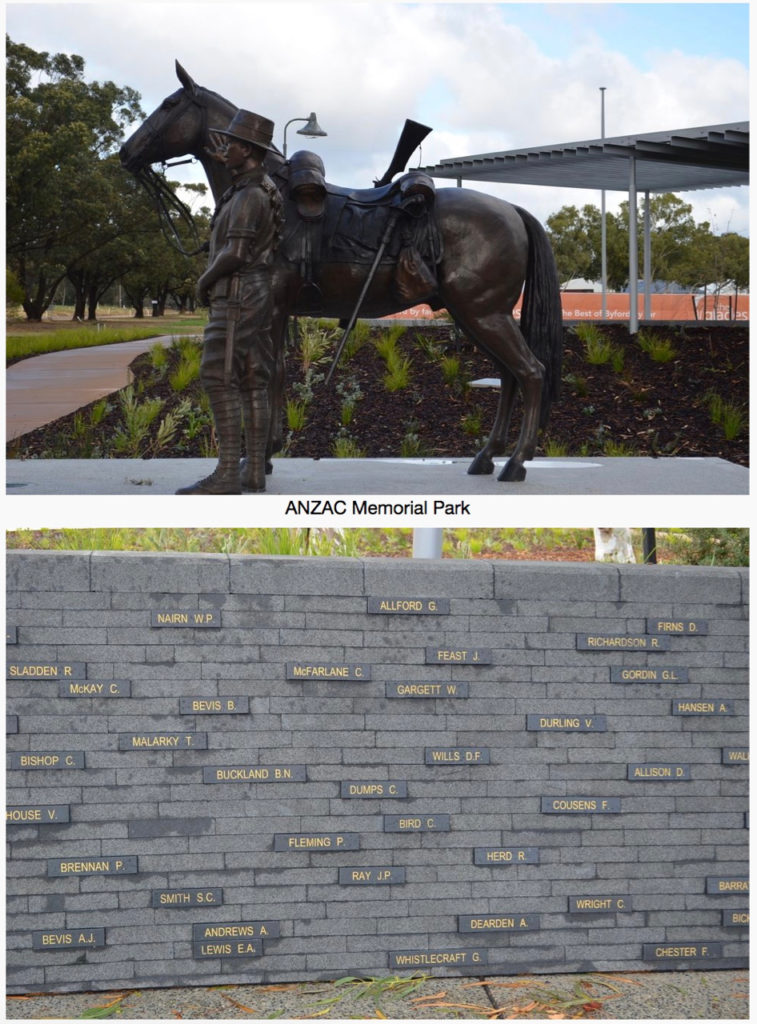
ANZAC Memorial Park, ANZAC Crescent, The Glades, Byford.

ANZAC Memorial Park commemorates those from Byford who served in WW1 and WW2.  There are 321 names superimposed on the above brick wall, in no particular order.
We can positively identify the following 2/4th men:


Don Day ands his nephew Martin Day were from Jarrahdale.

WX7240 DAY DONALD ALEXANDER

Day enlisted  AIF 1 Aug 1940 later joining 2/4th ‘B’ Coy, 8 Platoon under CO Lt MacKinnon.  He died of wounds received at West Mandai Road, Singapore 11th February 1942 aged 28 years. He was wounded whilst withdrawing No. 3 gun back 100 yards to a new position on Madai Road.

His nephew WX17391 MARTIN WILLIAM DAY

was KIA Singapore 11 February 1942 aged 21 years.  Martin enlisted 27 October 1941 and became a reinforcement for 2/4th’s ‘E’ Coy. He was KIA at South West Bukit Timah when they were ambushed . He had lost his life within 4 months of enlistment.  Martin was one of a large number of barely trained reinforcements to join 2/4th, many lost their lives in the battle for Singapore and later as POWs of Japan.


WX8425 LEADBITTER, EDWARD JONATHON


Died of cholera Kuii POW Camp, Burma-Thai Railway 10 October 1943, aged 24 years.  He was working on the Burma-Thai Railway with D Force V Battalion. (Ted Leadbitter was a former Fairbridge Farm School Boy).  Ted had recently married.


WX7474 RUBERY HERBERT MICHAEL


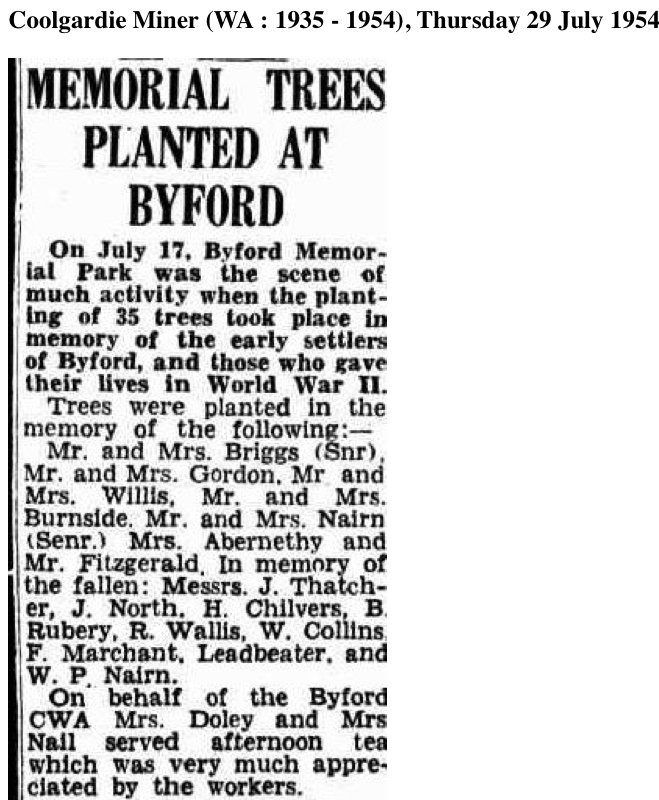
Born at Gosnells, Rubery attended school at Byford.
Enlisted AIF 6 Aug 1940 later joined 2/4th’s ‘A’ Coy No. 4 Platoon.  He died of illness 22 February 1943 at Roberts Barracks Hospital, Changi.  He was 24 years old.


WX2848 James Pryor THATCHER 2/3rd MGB – farmer of ‘Wattle Creek’, Byford, died Tarsau 1943.


On the front of the Memorial is the following inscription:

ANZAC Memorial Park
This memorial was unveiled on the 18th April 2015 by the Western Australian State President of the Returned & Service League of Australia the Hon Graham Edwards, AM
We remember with thanksgiving those who made the supreme sacrifice for us in time of war
May the offering of lives have not been in vain.
Today we dedicate ourselves to the cause of justice, freedom and peace ; and for the wisdom and strength to build a better world.
Lest we forget
Men who enlisted from Byford area and joined 2/4th and returned to Australia include:
WX9035 CORNISH RONALD HAMILTON
enlisted 26 October 1940 and joined ‘A’ Coy, No 5 Platoon as   Platoon Sgt.   He worked on Burma-Thai Railway with D’ Force Thailand S Battalion.  He was recovered at war’s end from Thailand and was flown to Singapore before sailing to Fremantle on HMT Moreton Bay.  Ron Cornish was tragically killed in a work-related accident in 1971, at the age of 55.  He was a father to 4 children.


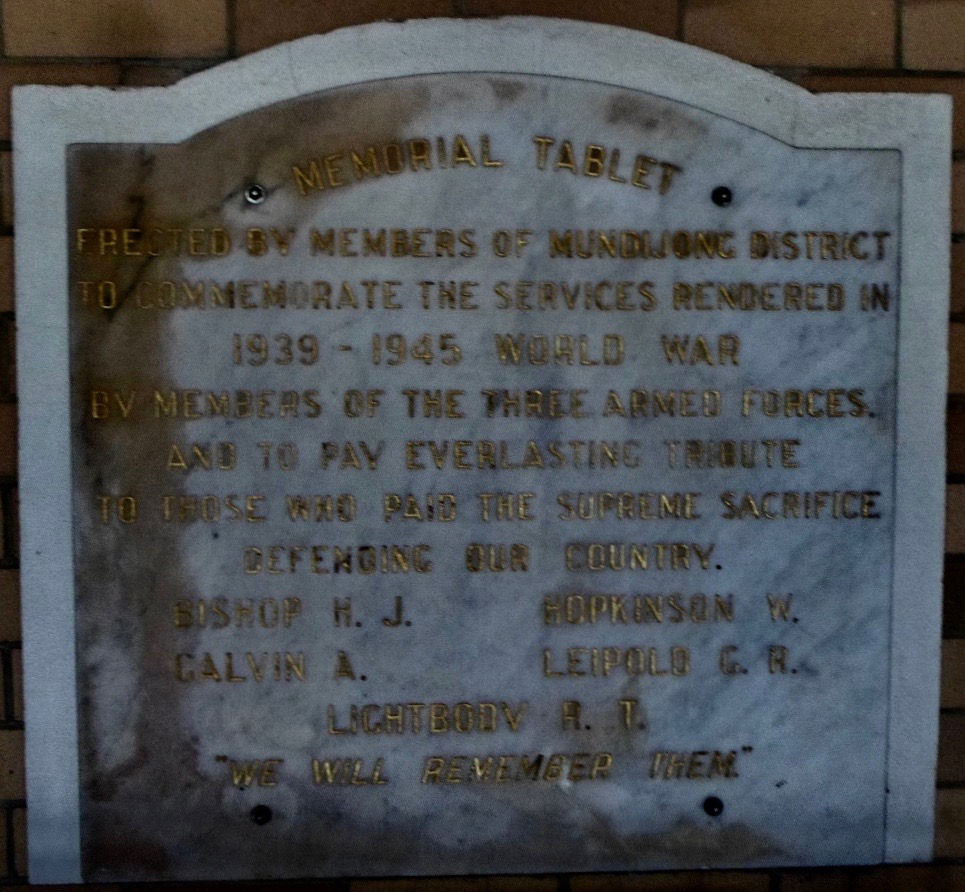
FIVE 2/4TH MEN FROM MUNDIJONG


WX8630 BISHOP HECTOR JOHN
Enlisted AIF  23 Oct 1940 and later joined 2/4th’s Headquarters Coy No. 3 Platoon as a Driver under COs Capt Phelps and Lt O’Sullivan.
Died of wounds received during battle for Singapore 12 February 1942 at Ulu Pandan aged 29 years.   He was married. His first child and son Dennis was born 2 weeks after his death on 26 February 1943. (Hector Bishop is also recorded at the Mundijong War Memorial).
WX15873 Syd Darby –  enlisted  on 19 August 1941 became a reinforcement for 2/4th MGB – joined the Battalion on board the ‘Aquitania’ anchored off Fremantle one night on it’s journey to Singapore with reinforcements for the ill-fated 8th Division.
– was KIA 10 February 1942 aged 19 years on the Sungei  Kranji-Sungei Jurong Defence Line, and was thought to have been killed by a Japanese sniper whilst on patrol.


WX16736 Stephen Gleeson enlisted 8 September 1941 (recorded his birth as 1919 i.e. aged 22 years when in fact he was born 1923 and was 18 years old).  He left Singapore with H’ Force Thailand to work on the Burma-Thai Railway.
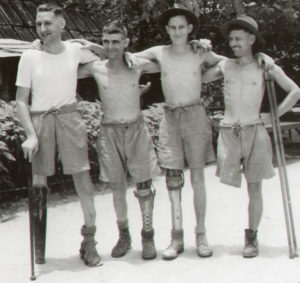
When the railway was completed ‘H’ and ‘F’ Forces returned to Singapore by rail.   Gleeson was amongst the sick left behind at Kanachanburi Hospital Camp where it is believed he had his right leg amputated.  He returned to Singapore sometime after December and before April 1944.  It was at Changi he was fitted out with temporary leg.
Stephen John Gleeson WX16736 (3rd from Left)


WX16355 George Leipold  enlisted 3 September 1941 – joined 2/4th reinforcements ‘E’ Coy with Darby, Gleeson and Swann.
He was KIA 11 February 1942 aged 19 years during the ambush at South-West Bukit Timah where E Coy Special Reserves Battalion suffered  heavy loss of life, almost 50%.
Please read about ‘E’ Coy, Special Reserve Battalion


WX17907 Bill Swann enlisted 7 December 1941 (aged 22 years) and joined his mates with
‘E’ Coy on board the ‘Aquitania’ 16 Jan 1942 sailing to Singapore.
Bill was fortunate to remain at Changi throughout the war where he was working at the vitamin factory.  He was included in X Party during 1945  excavating  tunnels for the Japanese Garrison.  It was obvious to the Japanese that their war was almost over, however  they proceeded everywhere, with programmes where they could  store ammunition or use as air raid shelters or places where POWs could be disposed.

Swann and Gleeson were the only two to return home to WA.

Hector Bishop was the eldest of the boys from Mundijong, he was also the first to enlist in 23 October 1940. Bishop was a driver with Headquarters and was KIA on 12 February 1942.   Hector was married and his son and first born child was born 2 weeks after his death.
Syd Darby enlisted 19 August 1941 was KIA 10 February 1942. Syd lived in Holyoake with his family. It is believed he worked around Mundijong. He was a good mate of George Leipold.
Steve Gleeson was a very lucky man as he survived his leg being amputated below his knee whilst working on the railway about 1943. He returned home.
Bill Swann, an apiarist,  enlisted on 7th December 1941. With very little training Bill was fighting in Singapore with the reinforcements and his mates from Mundijong within 2 months.
Bill returned home to WA.  He remained in Changi as POW and was involved with work in the Vitamin Centre.
Except for Hector Bishop, the four young men had only minimal training prior to being selected for 2/4th reinforcements.


Mundijong WW2 Memorial


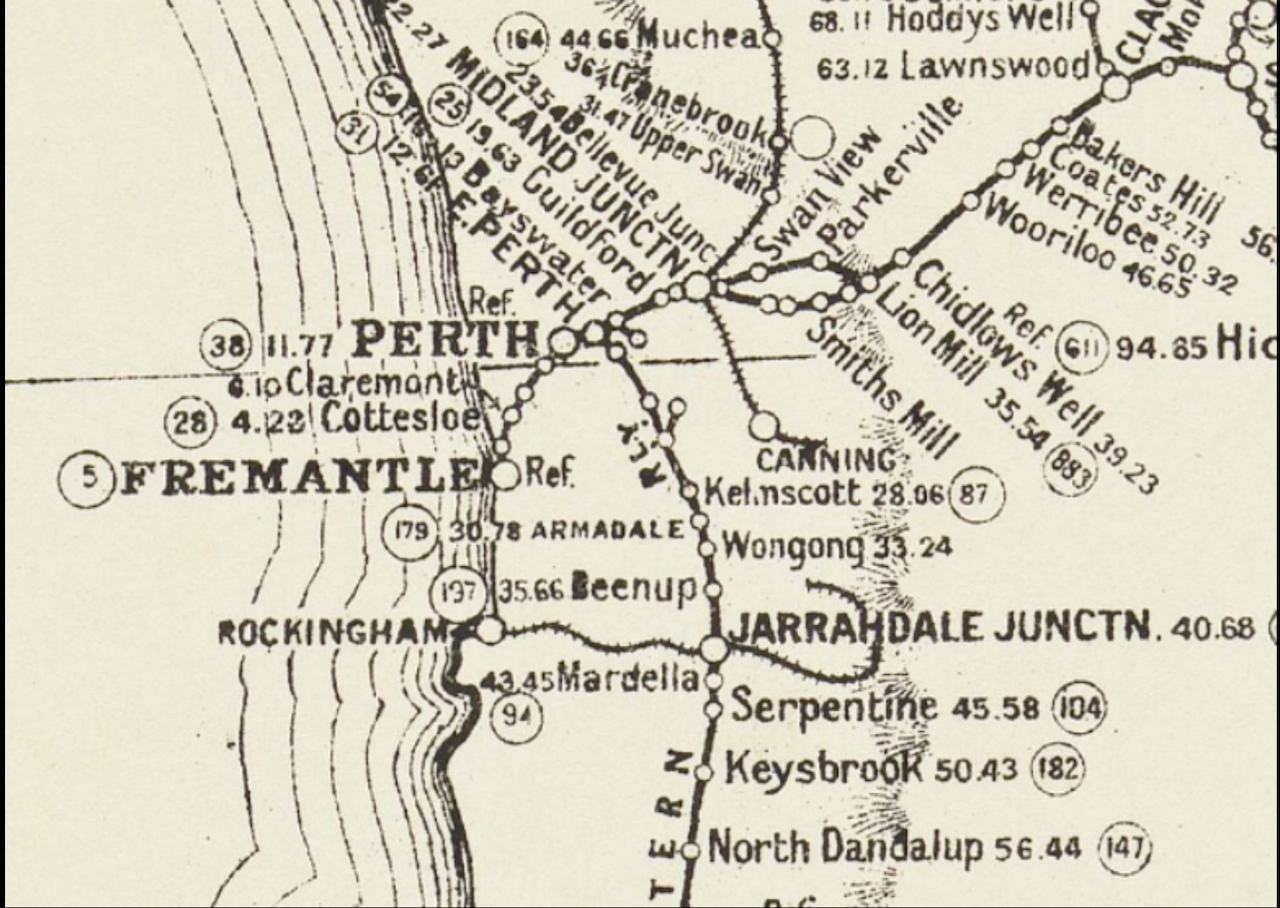
Below:  The drive from. Jarrahdale to Byford is about 15 minutes.


Above:  Historical map.

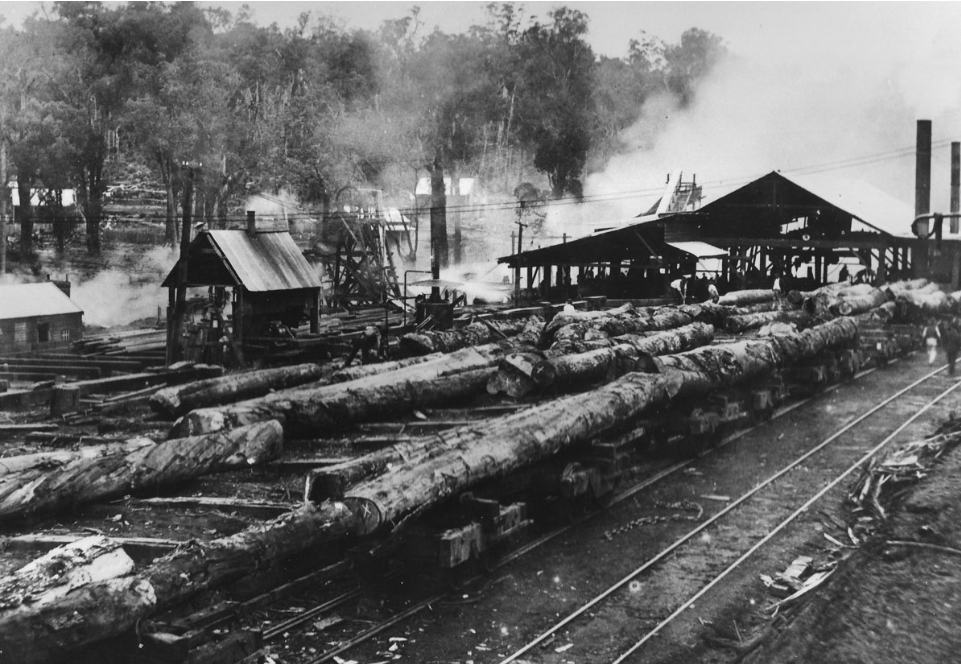
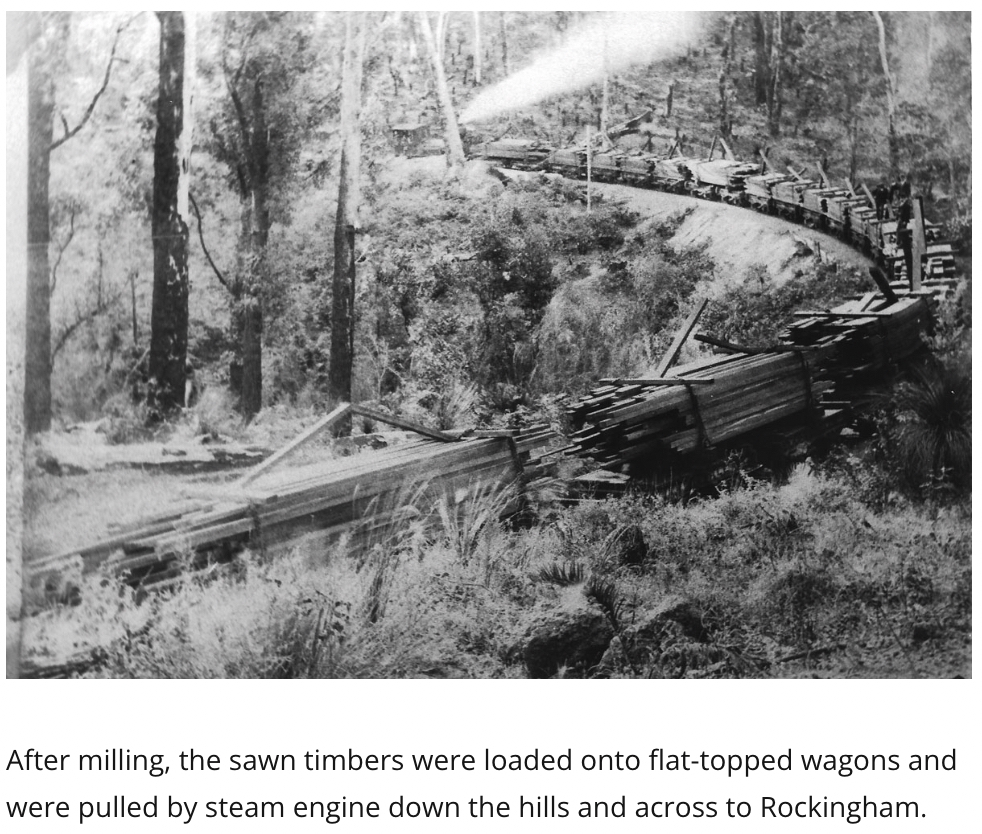
Jarrahdale had 14 mills.  Working in the mills was fraught with danger, causing lifelong injuries and even death.  The last Mill closed in 1997.


Guildford War Memorial


Guildford War Memorial where there are so many names of WW1 dead.
In comparison, WW2 inscription is very small in number.  The following men are from 2/4th MGB:


WX10012 WORTH, WALTER GEORGE enlisted December AIF 1940, later joining 2/4th MGB as a signaller with Headquarters Company No 1 Platoon Signals under Commanding Officer Lt Curnow.    As a POW in Singapore, Walter was selected with F’ Force Thailand to work on Burma-Thai Railway.
He died of Cholera at Kami Sonkurai Camp, 28 August 1943 aged 31 years.  He had married Millicent Harriet Dedman in 1941 and was employed at Smutterman Flour Mill.

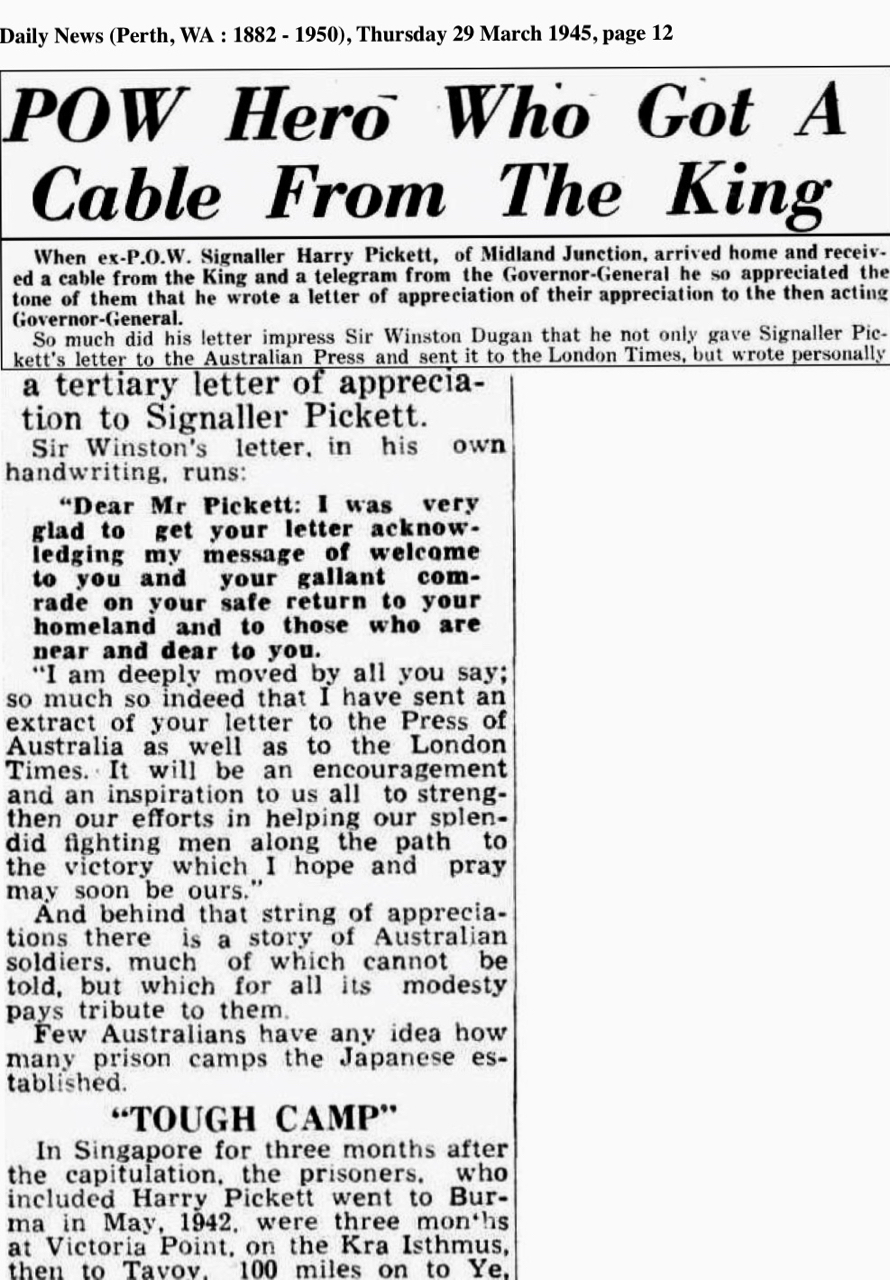
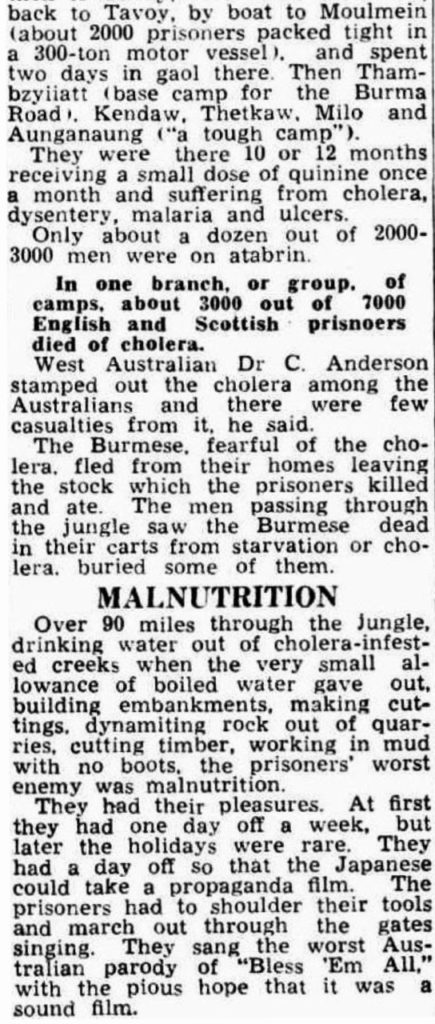
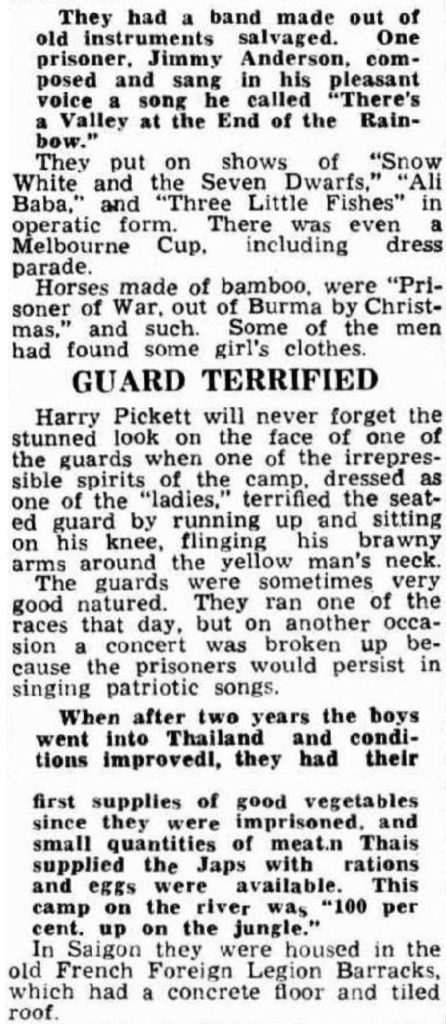
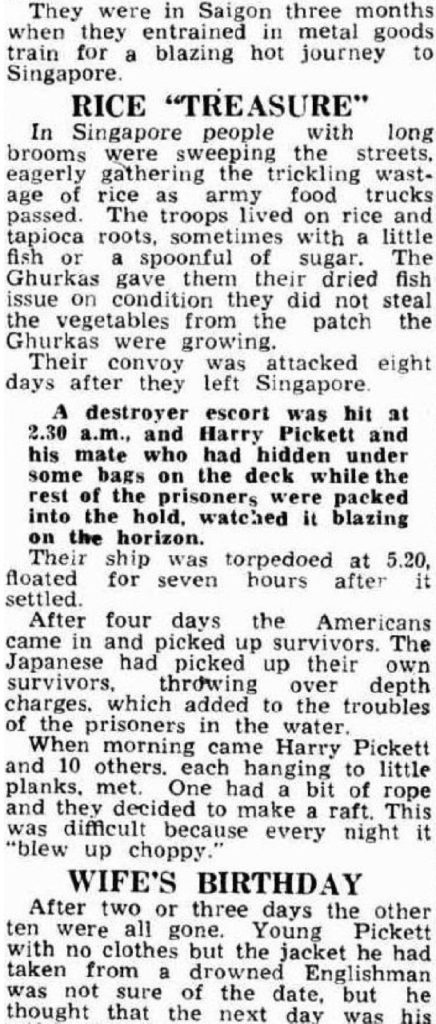
WX9055 HARRY PICKETT – one of the lucky few! Rescued by ‘Pampanito’ South China Sea

WX9055 HARRY PICKETT enlisted 25 October 1940, became Signaller with Headquarters Company.


As a POW in Singapore he was part of ‘A’  Force Burma Green Force No. 3 Battalion which sailed from Singapore to south west coast of Burma where the POWs would work on airfields for several months before making their way to the Burma end of the Burma-Thai Railway.  The men worked on this rail link until the end of 1943 when the Japanese began moving all the POWs working in Burma, south to one of the larger camps in Thailand.
Having survived the railway, Harry was selected by the Japanese as being ‘fit’ to sail to Japan to work.  After much ‘to and fro’ which included a train trip into French Indo China and working at Saigon to wait for a ship, Harry’s group known as ‘Rakuyo Maru’ then returned to Singapore by train, where again they worked at the docks whilst waiting for a ship to take them to Japan!

Please read further about the sinking of Rakuyo Maru’

As well as the story of ‘Pampanito’

Prisoners of War of Japan – returning home did not end their suffering and anguish

The ongoing after affects of war are well-documented.  We are familiar with WW1 trench warfare resulting in large numbers of soldiers never recovering from shell-shock – so many never left the institutions they entered on their return to Australia.

WWI also resulted in prisoners of war – their treatment was so neglectful and appalling; men died from lack of medical care and food.

History shows the devastation of war not only for the soldiers but also the civilian population.  Vietnam, Cambodia, Korea, China and in the previous century it was the Boer War where large numbers of civilians starved to death, American Civil War with shocking loss of life and large numbers of captured soldiers starved and died of injuries.   Crimean War, Napoleonic Wars and as we go back further into history we know only too well the cruelty of war.

WW2 would be no different.

However the very  large numbers of Australian and Allied soldiers who became prisoners of war of the Japanese Imperial Army was an issue never imagined by governments of the day (or perhaps they did) and the civilian population.  Their greatest fear was the death and maiming of soldiers.    The Germans had treated prisoners of war with a degree of humanity during WW1 and again those incarcerated during WW2.

For the Japanese Imperial Forces there would be no  ‘degree of humanity’ for their ‘asian neighbours’ nor their European enemies.  No recognition of the Geneva Convention for the treatment of prisoners of war.

Having surviving 3 1/2 years of incarceration and returning home  many former soldiers discovered to their total dismay ‘their hell’ never ended.  They had endured physical injuries, long-term illnesses resulting from years of starvation, unbelievable and appalling work and living conditions, regular and irrational inhumane punishment, beatings and humiliation.   These POWs  were unable to respond as nearby his mate was beaten mercilessly by not one sadistic guard, but as many as 4 or 6 guards, and often died soon after from the injuries received.

How does one recover?

Surviving POWs would learn of the deaths of their mates – sometimes months and months after the war ended, as did the families.

Mental illnesses were not discussed nor treated.  Former POWs were advised by the army to ‘get on with their lives’ and not to talk about their years of incarceration – well who would believe their stories anyway?

Memories of survival were unbelievable and so often the men themselves were unable to believe what had taken place.     The results were suicide, marriage break-downs – sometimes with violence, alcohol addiction, inability to work nor function and never-ending and ongoing physical illnesses and disabilities.

For some POWs who were in Japan – they suffered the long term affects of radiation from the atomic bombs.

The men of WW2 enlisted having survived the depression of the 1930’s.    Work was hard to find, no regular income, work places often unsafe resulting in injuries and sometimes death.  There was no money for family sickness and doctors.  More often than not, times were so tough there was no money for sufficient food on the table.  Sons and daughters had to leave school early to gain employment.  Desperate men and families walked off farms.

Young Western Australian men, whether married or single enlisted because they saw it as a means to regular income.  Others, particularly the younger men, saw it as an opportunity to travel, for adventure and to see the world!

Lastly were those who enlisted because of their strong sense of patriotism.  We have to remember this generation had grown up on the back of  WWI – there were War Memorials listing endless numbers of dead, regular services in every country town, the suburbs and large cities.  Stories and legends evolved  of Aussie bravery, skilled horsemen, resilience and single-mindedness on the battlefields of Europe, Gallipoli and middle east.  The poetry and writings of soldiers left lasting memories across Australia, passing from one generation to the the next.

And what of  men such as Bean and other historians?  So began the legend of the Anzac soldier, the stories, the memories, legends and myths.  It is a an important part of our heritage of which we are proud.

We can ourselves  ‘did these enlisting men forget the veterans without limbs and there were plenty, forgot about the uncle who ‘hadn’t been right’ since returning from the Front.  Did they forget about the ‘Men’s Homes’ filled with not only mentally ill but the limbless and the damaged who were unable to work –  never knowing nor returning to their former lives.  We also now know men who did not enlist may have received a white feather?’

As POWs of Japan there was little opportunity for writing poetry or bravery.  It was about survival and death and so often luck.

Below are some tragic stories found in  2/4th Machine Gun Battalion returned soldiers.  This does not include the men who returned to find their wives ‘gone’, family tragedies and deaths they were unaware of, those who had children no longer recognised their fathers, their siblings grown up, parents aged and girlfriends married.   The world had changed without them.

How difficult was it to settle back to ‘normal life’?

We know they sought each other out to be able to feel connected.

It was not until the late 1960’s, 1970s onwards when former POWs began writing and publishing their memories and stories did the world really know what took place.  Officers had written and submitted their diaries, with some diaries showing the writer in glowing with braveness for official records, however much of these records did not include the realities, nor the detailed day-to-day lives of working POWs.  Too often officers remained detached from their men – they were good  leaders on the battlefield but failed dismally as leaders of POWs –  unable to adapt and provide essential leadership for POW men.  Too often officers enjoyed the privilege of extra foods when their men were not only starving but working 12-18 hours daily, particularly on the railway.

Former POWs talked glowingly of the various doctors they encountered who provided not only medical care and leadership but often just a few words of encouragement or a few moments of caring of which there was so little.
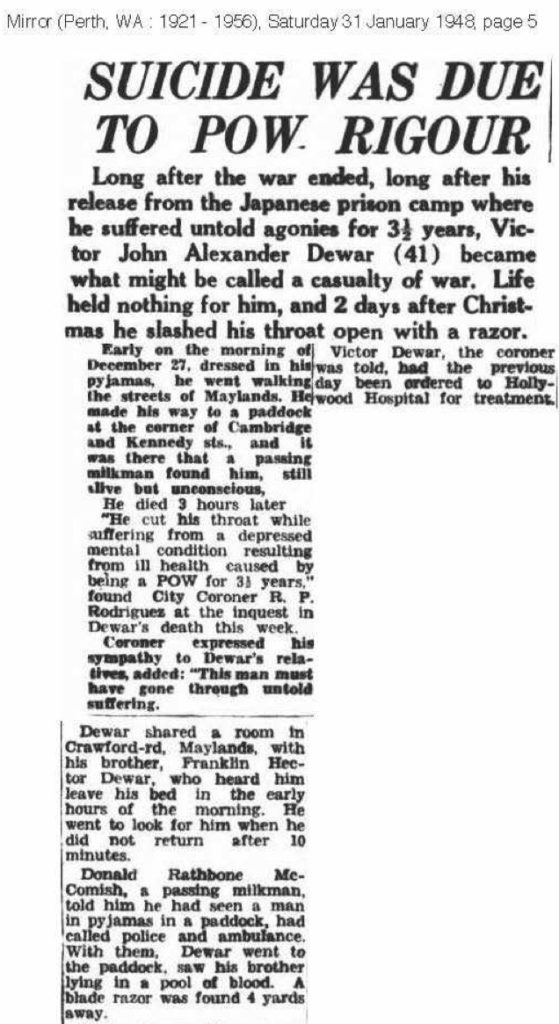
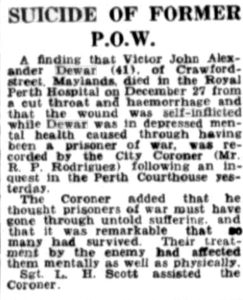


During a Fall of Singapore Service a very emotional Peter Dimopoulos, then in his 80’s spoke of his sincere and deepest regret and apologised on behalf of the men of 2/4th who traumatised and broke the lives of wives and families as he had done.

It took much courage for Peter to talk of his personal regrets to the gathering at the service.


During a Fall of Singapore Service an emotional Peter Dimopoulos spoke of his sincere and deepest regret and apologised on behalf of the men of 2/4th who traumatised and broke the lives of wives and families as he had done.


Augusta Region

Above: shows the approach path which has 78 bronze plaques for those who served in World War Two.


WX9031 BRENNAN,  Maurice John Corporal enlisted 25 October 1940, chiropodist Battalion Headquarters.  As a POW at Singapore he was selected to work on Burma-Thai Railway with ‘D’ Force Thailand, V Battalion.  V Battalion endured the highest death rate of all those working on the railway, 50%.  ‘Morrie’ or ‘Chum’ as he was known succumbed to beri beri at Kuii Camp, Thailand on 27 September 1943.  He was 30 years old and left his widow Agnes and his young son Tony.

Please read further about V Battalion.

WX9561 DAHLBERG, Albert Edward Corporal Fitter with 88 light Aid Detachment.  Enlisted 4 December 1940.  His was KIA 10 February 1942 at Reformatory Road, Ulu Pandan in the Battle for Singapore aged 30 years.  Albert’s mother Bertha and the Dahlberg family did not receive confirmation and news of Albert’s death until April 1946.  Please read further about this Augusta family.


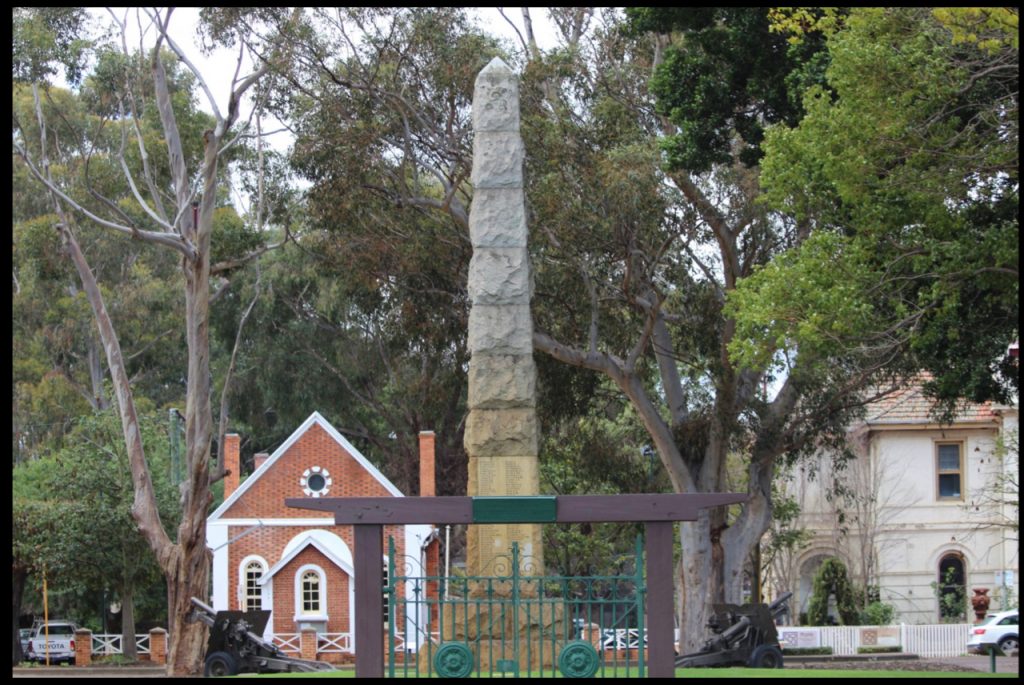
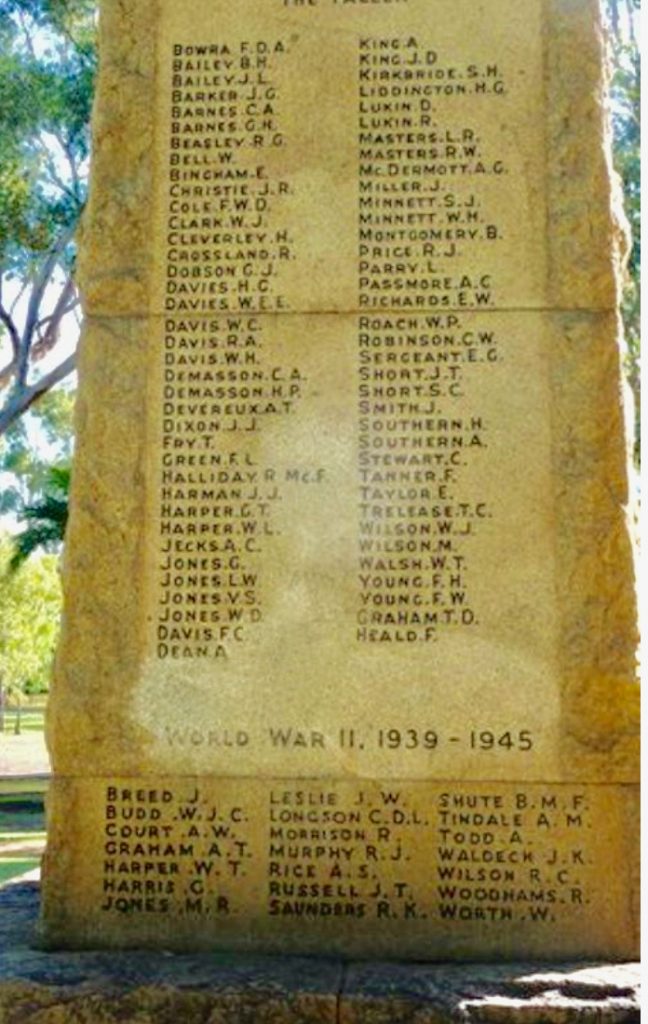
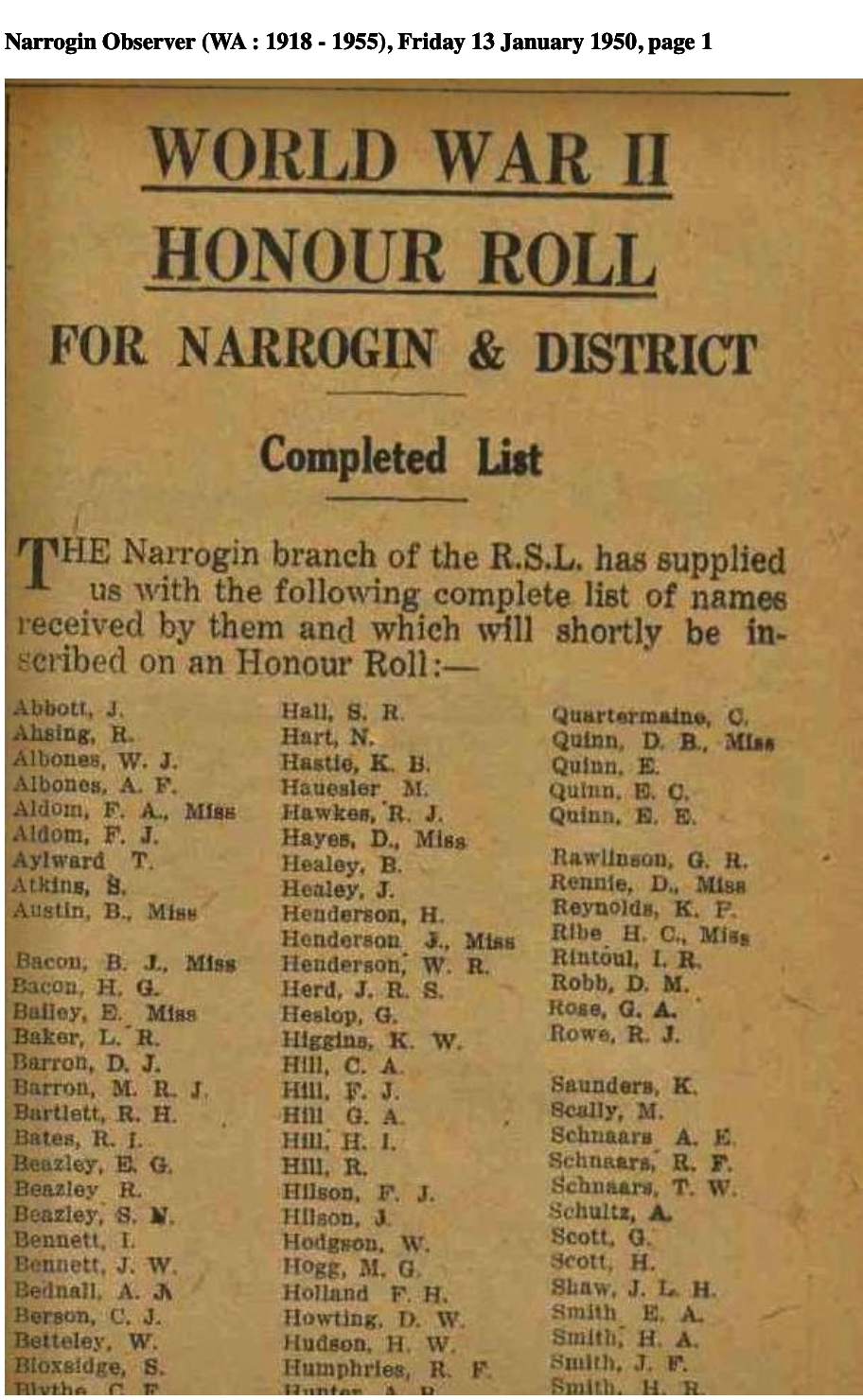
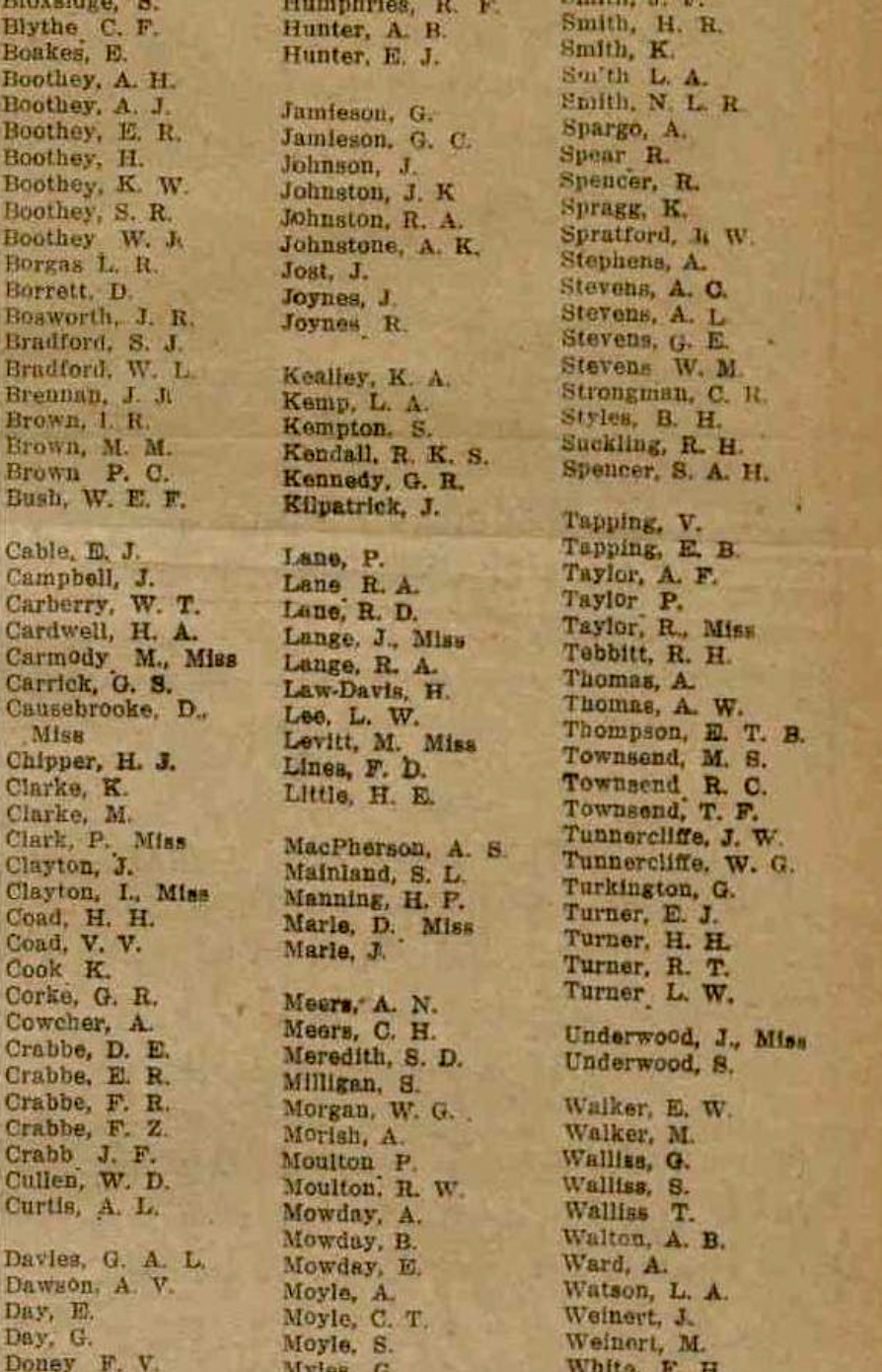
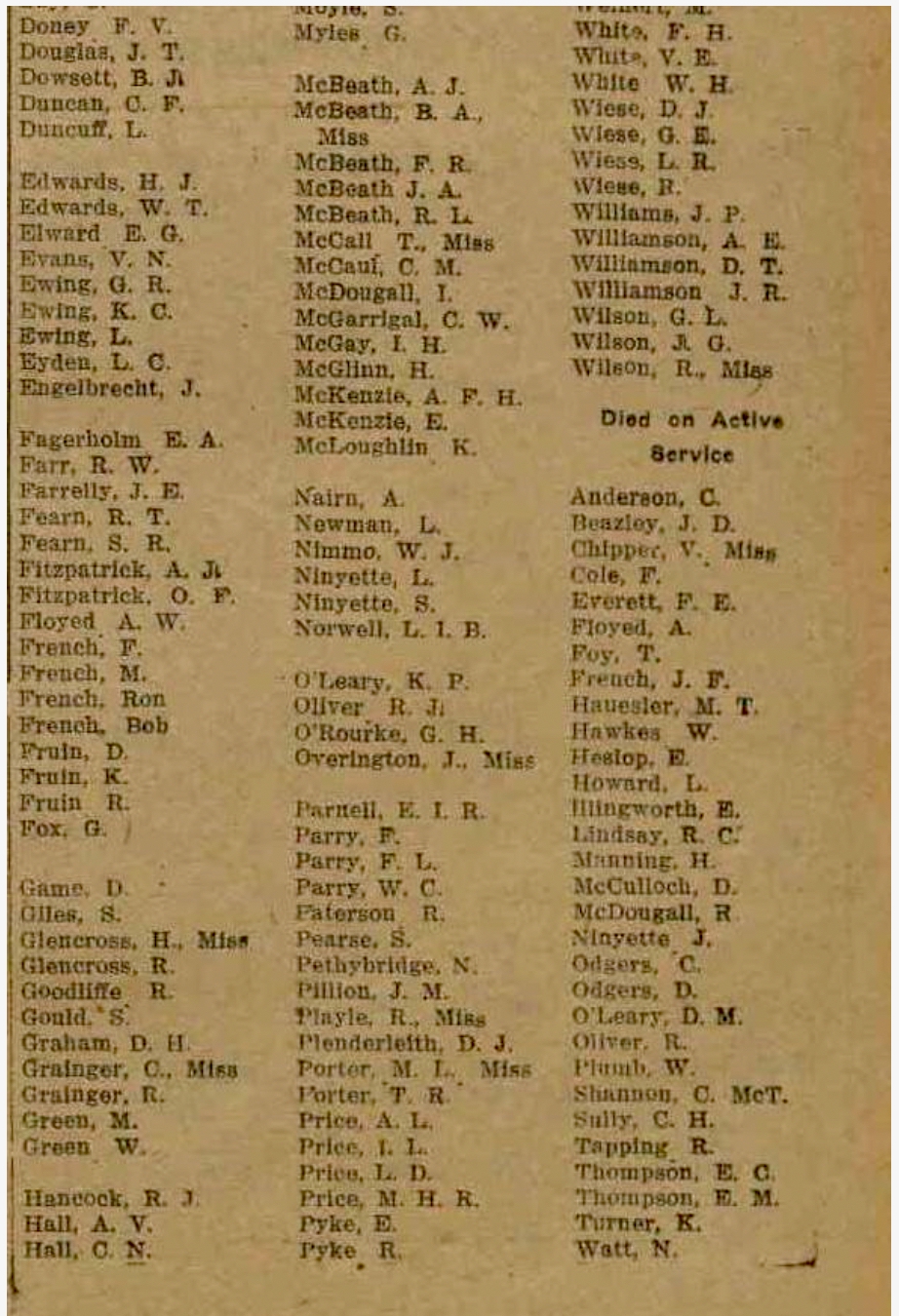
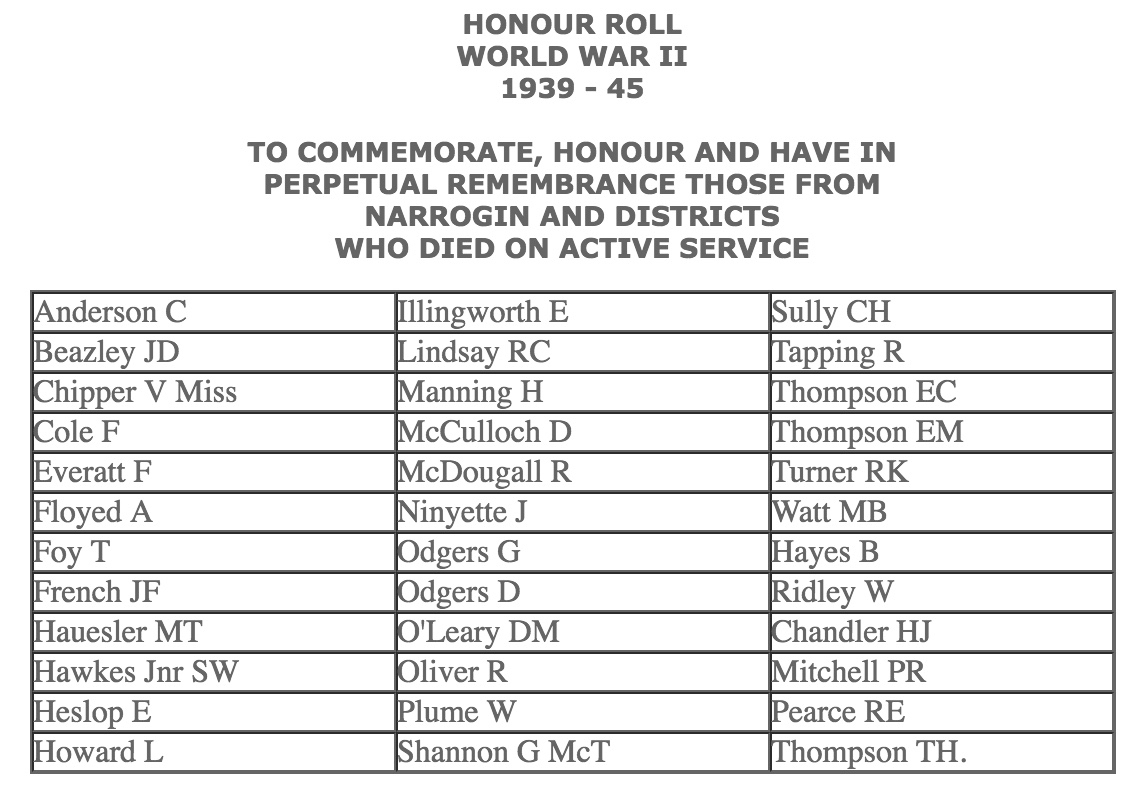
Narrogin War Memorial – WWII

NARROGIN WAR MEMORIAL


Above:  list includes Ronald Hill, Samuel Ninyette, James Graham Wilson from 2/4th.


WX12663 FLOYED, ARTHUR ERNEST died malaria Sandakan, Borneo 12 March 1945 aged 26 years. Born Narrogin 1918 to John Bertram and Ada Clare Floyed, ‘Artie’ enlisted 9 May 1941.  He was one of a large contingent of reinforcements, many with little or no training, to join the 2/4th Battalion which had been training in SA and NT to sail 16th January 1942 on  ‘Aquitania’ from Fremantle to Singapore.  Artie was fortunate to survive the battle for Singapore, particularly as a very large number of reinforcements in ‘E’ Company lost their lives.


From Singapore he was selected to sail to Borneo with ‘E’ Force. There were only 6 POWs who survived Sandakan (they escaped) and tragically Artie never returned home – he was one of 73 men from 2/4th to die at Sandakan.  Their names are inscribed on the Sandakan Memorial at Boyup Brook.
Please read further about Sandakan.
Also you may like to look over the map of Sandakan-Ranau.


WX8174 O’LEARY, DANIEL MARTIN Lance Sergeant, was born 1910 Kalgoorlie to Jeremiah and Hannah Ethel O’Leary,  He enlisted August 1940 and joined ‘A’ Company.  He remained in Singapore as a POW until sent to work on the Burma-Thai Railway with ‘F’ Force.  ‘F’ Force encountered appalling conditions and little food.  He died of malaria and dysentery at Kami Sonkurai Camp, Thailand.  He was 33 years old.

Please read further  ‘A’ Force Burma, Green Force No. 3 Battalion


Daniel had commenced his working life as a railway cleaner and advanced to a railway fireman.  His father Jeremiah was a loco engine driver with the WAGR.


WX9406 Charles Percival ODGERS b. 1919 Narrogin to Percival William Clunes and Florence Mary Odgers. Odgers enlisted AIF 21 Nov 1940.  He was taken on strength at Darwin having completed his officer training.  At Singapore he was transferred to ‘E’ Company Special Reserve Battalion as Adjutant to Commanding Officer Major Saggers.
When the SRB walked into the Japanese ambush at South West Bukit Timah on 11 Feb 1942, he was one of those KIA.

Please read about the Ambush at Bukit Timah

Charlie Odgers was 22 years old when he died.


WX15402 JAENSCH, Lawrence (Laurie) was b. SA 1907.  He spent his formative years on his family’s farm at Koonunga. He  came to Narrogin before 1931, we believe because he had an Uncle farming in the district.  His uncle John Friedrich Christian m.1915 to Rachel E Johnson in 1919.  He  was brother to Laurie’s  father. John F.C. Jaensch died about 1932.  He had no children.
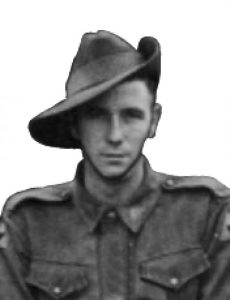
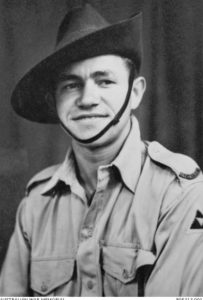
Laurie was recorded between 1931 and 1937 residing in Narrogin and up until 1943 residing at Williams, farming.
He enlisted Jul 1941 and joined 2/4th reinforcements on ‘Aquitania’ at Fremantle 15/16 January 1942.  He became a reinforcement to HQ Coy No. 2 Platoon, Anti-Aircraft.
Laurie left Singapore with ‘D’ Force Thailand  V Battalion.  This Battalion suffered an exceptionally high number of deaths working on Burma-Thai  railway.  Laurie died of acute enteritis and malaria at Kuii POW Camp 6 Oct 1943 aged 36 years.