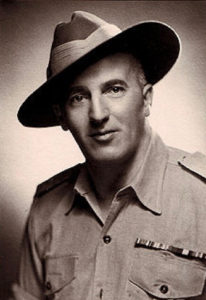
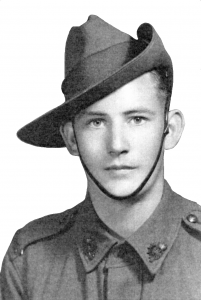
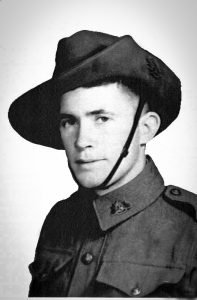
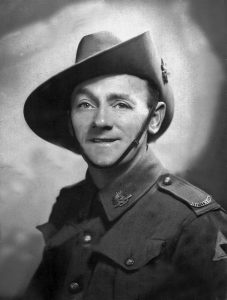
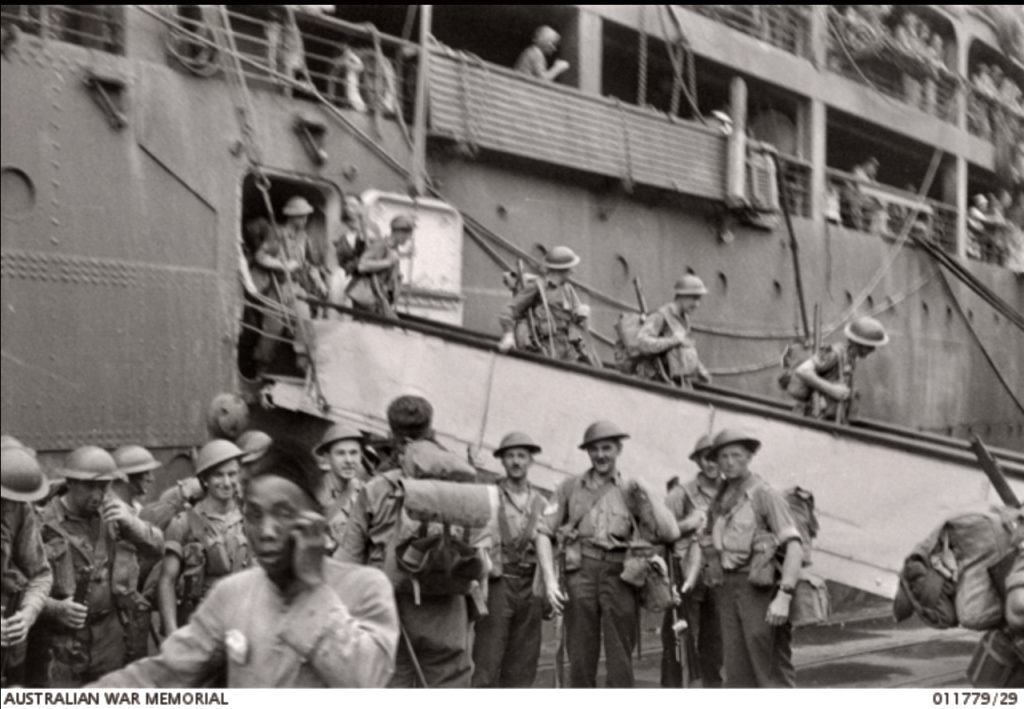
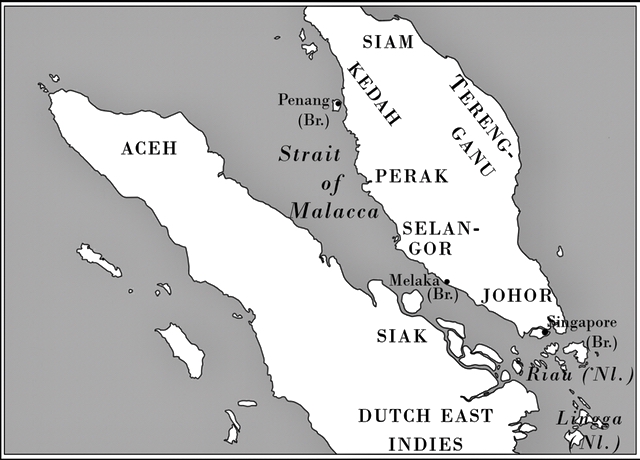
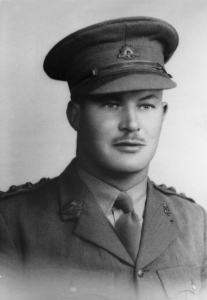
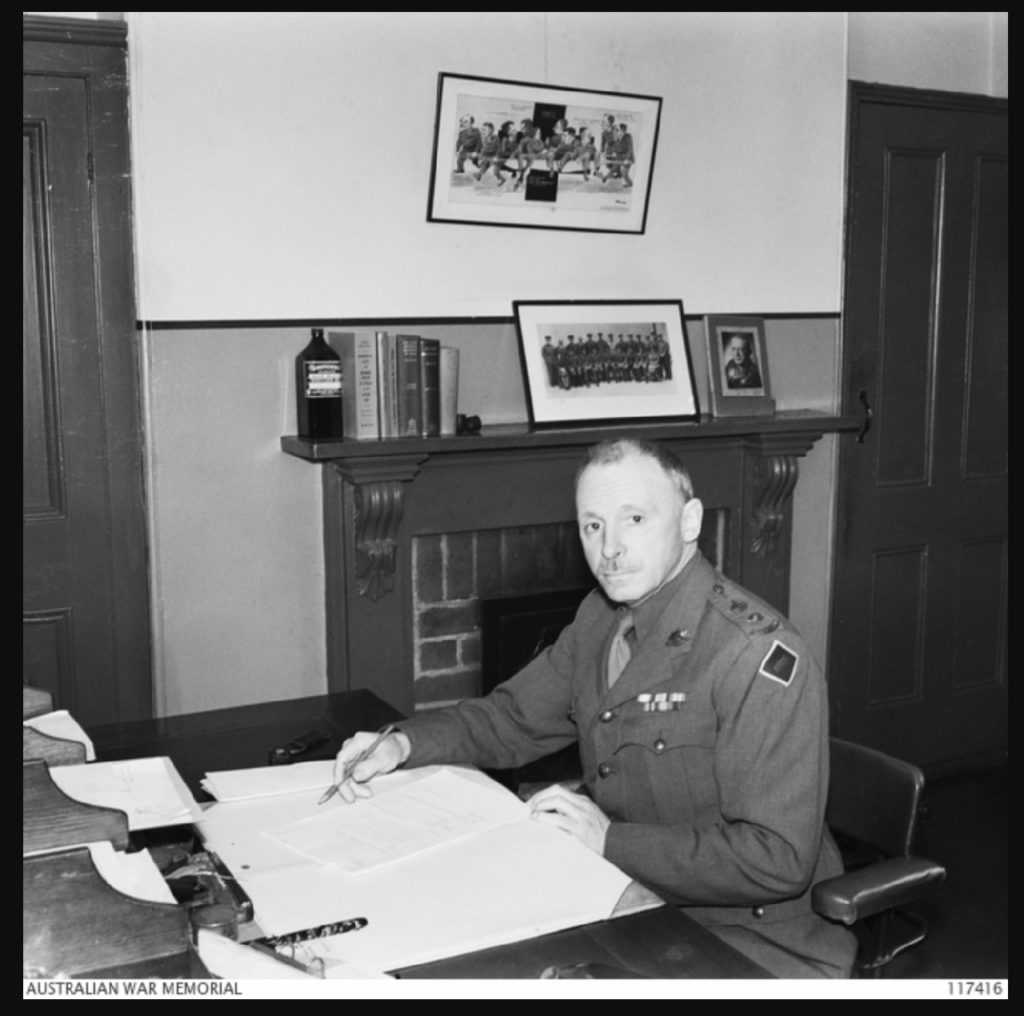
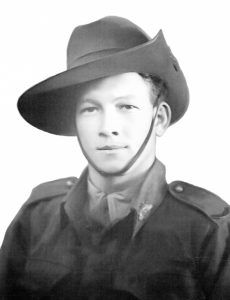
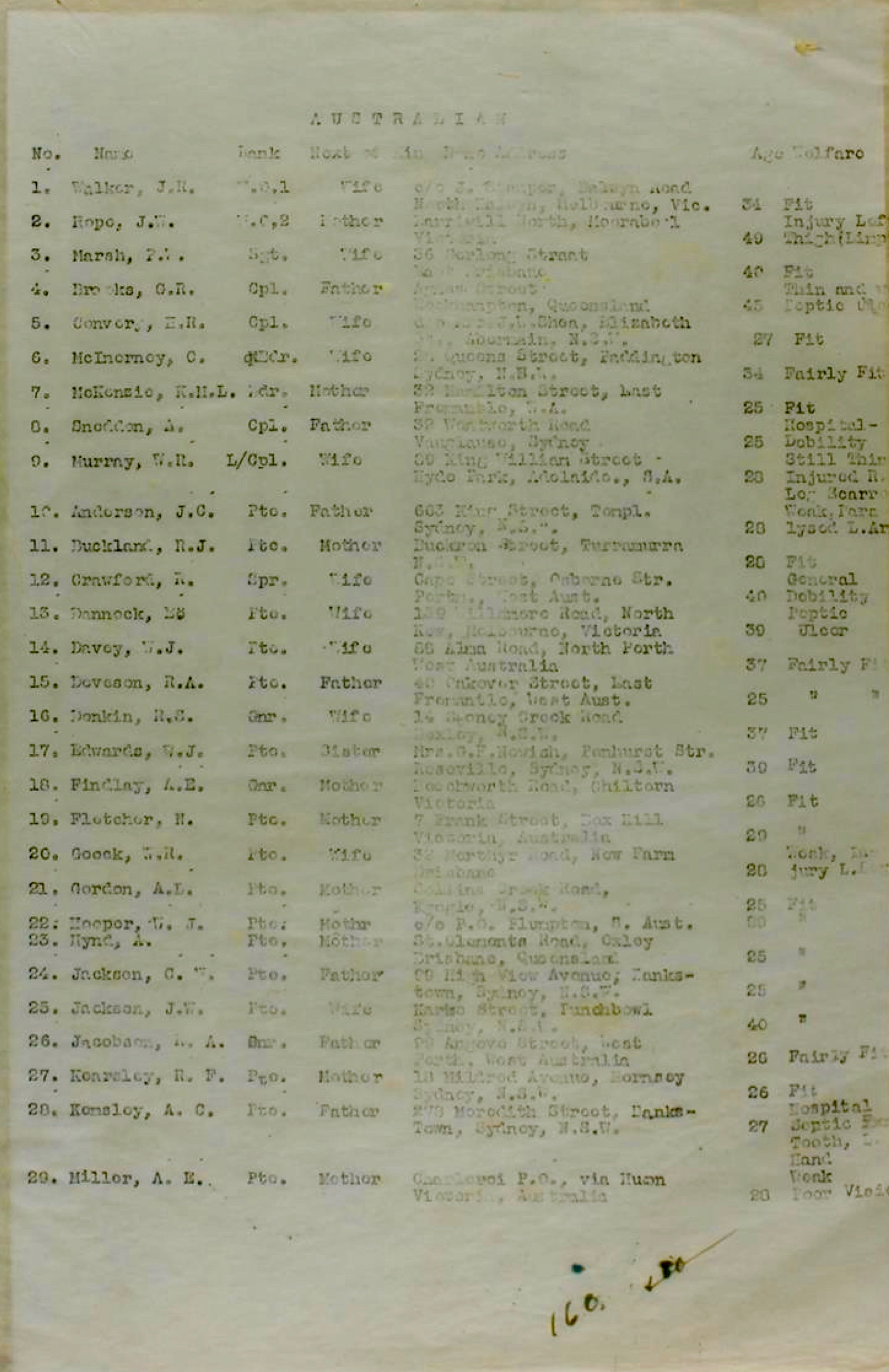
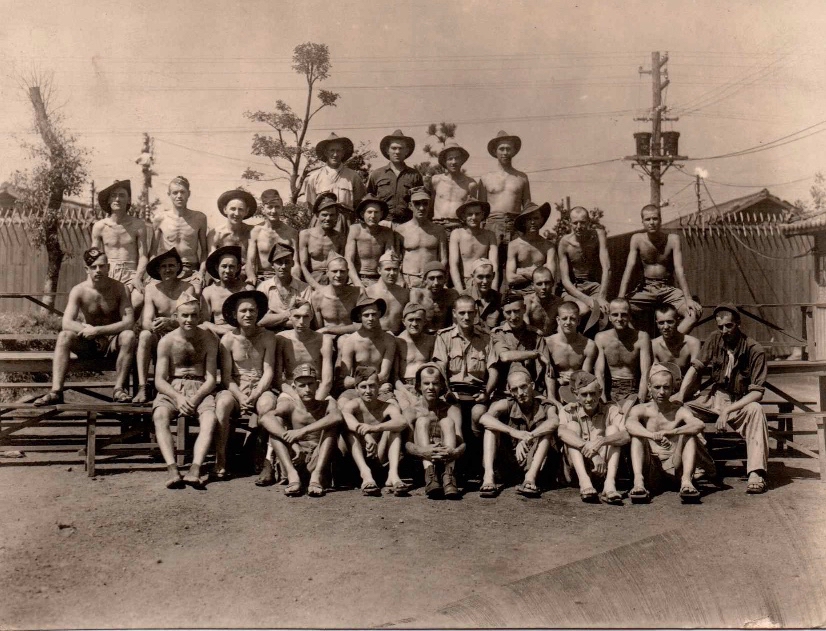
In May 1942, Coates with 500 British and 1000 Dutch POW, were sent to Medan and loaded onto a small coastal steamer and sent to Burma to join the 3000 Aussie POW of ‘A’ Force who had been sent from Changi.
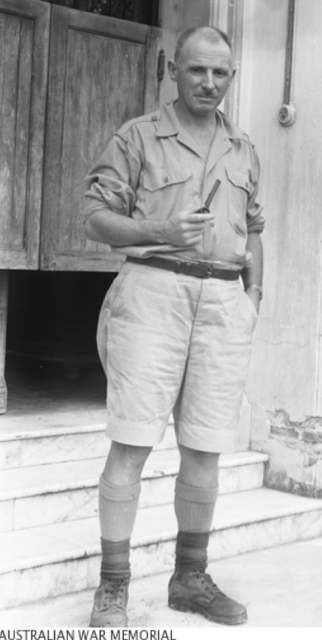
‘In Burma, Coates was responsible for major and some minor camps. He worked with Lt Col Hamilton, SMO, as well as Majors Ted Fisher from Sydney, Allan Hobbs and Sydney Krantz from Adelaide and W E Harris, a Brit. Fisher treated Coates for amoebic dysentery in Tavoy, luckily when some of the small supply of emetine was still available. He became a close companion and physician in the latter days of captivity. A large proportion of the Sumatra prisoners developed acute fulminant amoebic disease and many died. Two Dutch doctors Coates later recalled there were Maj Neileson and Capt Slaghter. Initially in Mergui, then in Tavoy, where camp base-hospitals were located, Coates performed a large number of operations. At one point it included finishing a botched appendix operation that the Japanese doctor was doing on one of their own men. He was stuck, and Coates finished the operation, allowing for some face-saving. The embarrassed Japanese doctor later gave him a tin of condensed milk and a pack of cigarettes, and an Aussie wag commented that it was probably his lowest fee ever.
An innovation at this time was the use of an ileostomy for amoebic dysentery. A Dutch soldier had developed peritonitis from a bowel perforation, and Coates performed this life-saving operation which was still somewhat experimental at that time. A flattened water bottle was adapted to cover the stoma. Coates was pleased to close the stoma on the same man two years later in Nakhon Pathom. This operation and the appendicostomy favoured by ‘Weary’ Dunlop became the standard treatments for toxic amoebic disease in the absence of specific medical therapy.
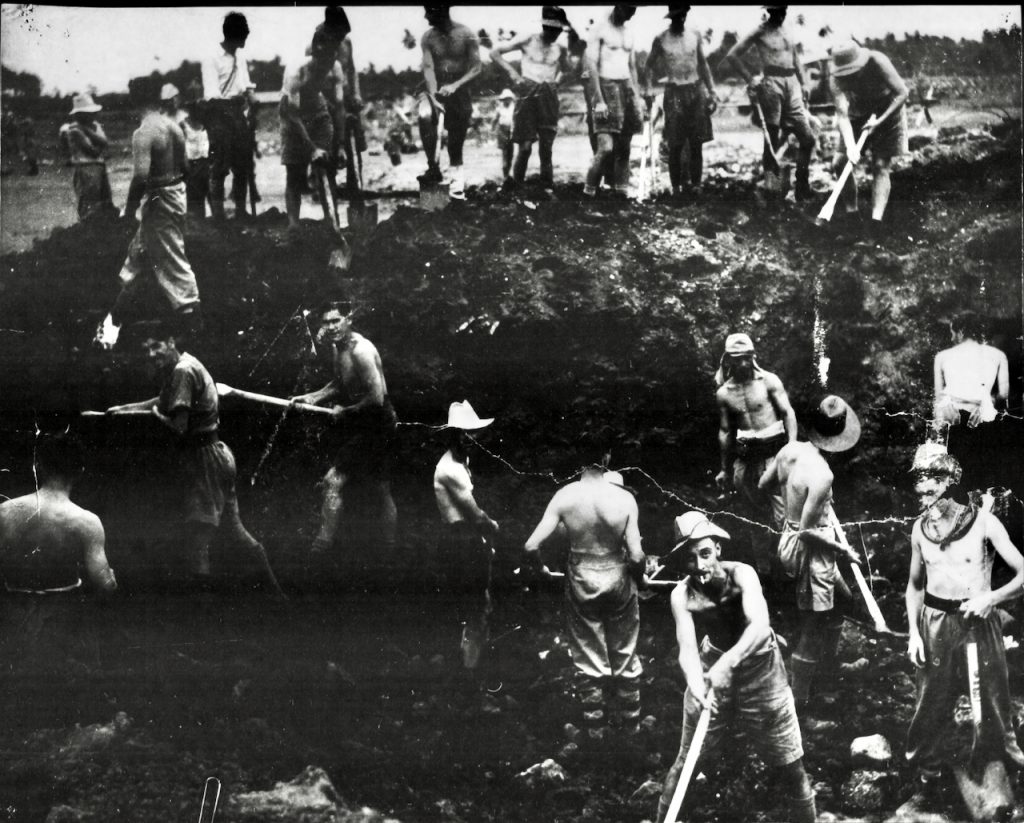
In February 1943, as the plans for the railway progressed, he was moved to Thanbyuzayat and first met the infamous Korean guards who would become such a torment for the POW. On the night before leaving with the last POW, mostly sick or incapacitated, with no equipment, Coates performed a successful appendicectomy on a POW using only a razor blade. An improvised stretcher was made for the patient to be carried on. They were then sent up the track, initially to Reptu at 30 kilo, where the “light sick” were housed. These were men who the Japanese considered not too sick for work, having only malaria, and malnutrition, although many could hardly stand. He reported the death rate amongst the native labourers was very high already here, bodies lay around commonly. At the 75 kilo camp conditions were the same and at one point of 1300 very sick men, the Japanese ordered 1000 to work.
While at 75 Kilo camp, and working as solo doctor, Coates was incapacitated with scrub-typhus and many of the men thought he would die. Although he could not stand, the Japanese sent him to run a new hospital camp 55 kilo at Kohn Kuhn where the main body of sick and injured would be taken. He was so sick, he had to be carried around the site while construction was completed and he examined the sick. He was forever grateful to two men who looked after him during his illness, Harold Buckley, who was suffering from malaria himself, and a Dutchman, Capt C J Van Bentinck who also provided great care.
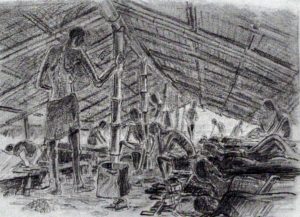
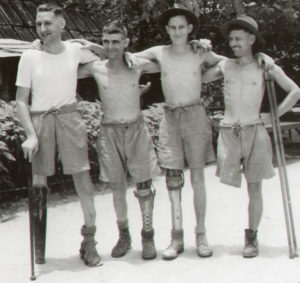
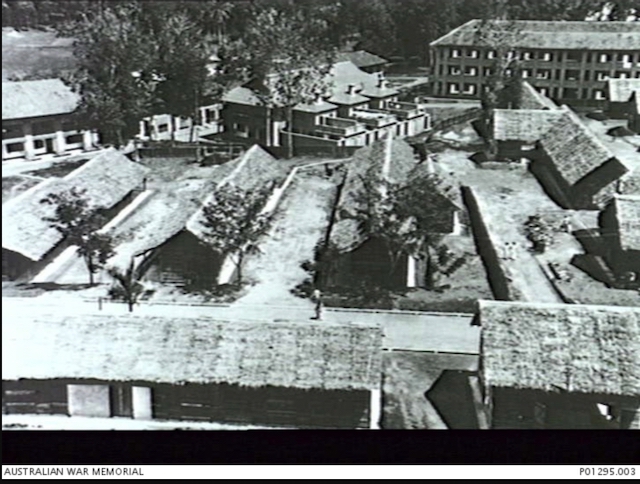
This 55 kilo camp was to become a 1800 bed hospital camp for men too sick to work from up the line. Bamboo huts were constructed and a small operating theatre added, covered over with palm thatch, dirt floors, and bamboo table for surgery. There was no equipment, no supplies, as the Japanese refused to allow any, and no beds. They had no proper instruments, only a few artery forceps, a scalpel or two, sharpened table knives for amputations, bent forks for retractors, some darning needles, a kitchen saw and a curette which the Japanese had given as a joke. Coates had a spinal needle, which became the method for giving anaesthesia. There was no general anaesthesia and for minor procedures, like removing a gangrenous toe, no anaesthetic was available at all. Cleaning a leg ulcer meant three men holding down the patient. Saline irrigation was generally used to help clean the ulcers although the Dutch doctors favoured the use of maggots, and in Thailand by the Kwai Noi, patients immersed their limbs so the fish could clean the wounds. There was an initial small supply of quinine, no other drugs, just some meagre supplies that had been carried by POW. They began to make sutures from the lining of the gut of the water buffalo that were occasionally killed to make the meagre gruel. Thin strips were cut and washed, and soaked in iodine solution for a week before use.
When Coates recovered enough from the scrub-typhus he commenced surgery immediately and performed a wide range of operations here. Strangulated hernia reduction, tracheostomy for diphtheria, and ileostomy for toxic amoebic dysentery were all done here. The complications of tropical ulcers was ever present, one orderly who scratched his hand during a night-round of the patients developed gas gangrene and required an amputation. Coates performed 120 amputations for gangrenous lower limbs here. The judicial use of the curette probably saved many more limbs. Sometimes more than 50 men would have ulcers curetted in a day.
There were twelve Australian doctors and two dentists already with this force. Initially there were rumours of road construction but it then became apparent that the Japanese wanted to build a railway from Thailand to Burma and intended to use POW labourr to do it in contravention to international conventions on POW. Little did they know then that the Japanese had no interest in the well being of the POW, in fact quite the contrary. The Japanese officers viewed the starvation, torture and neglect were justified in the service of their Emperor.
Brigadier Varley was in charge of ‘A’ Force, and they were joined by more POWs by Jan 1943. At the Thai end, 600 British POW under Major Sykes arrived in June 1942, and were soon joined by 3000 more British POW by August. The first teams had to build large camps at the ends of the line, smaller working camps in the jungle, and commence preparations for the work on the railway.
Albert Coates was the senior surgeon at the Burma end, working under Lt-Col Thomas Hamilton, SMO. ‘Weary’ Dunlop, was a senior surgeon and CO for the first group of Australian POW to reach the southern end in Thailand in January 1943, the force pushed forward and later known as ‘Weary’s 1000’. In all, about 13,000 Australians worked on the railway, among some 60,000 POW and about 200,000 conscripted native labourers from various Asia countries.
Some 2646 Aussie POW died among the 13,000 POW deaths in total, and at least 80,000 Asian labourers. The lower rate of deaths amongst POWs can be attributed to the presence of about 150 doctors, including British, 43 Australian, with some Dutch and one or two Americans, and the many medical orderlies, mostly volunteers, who worked on the railway, spread from Thailand to Burma, and who treated the injured and sick, and gradually developed systems for minimising infectious disease.
We wish to acknowledge the above information has been taken from ‘Prisoners of War of the Japanese 1942-1945’
Researched by Lt. Col Peter Winstanley OAM RFD (Retired)’