Kobe House, Japan (Central Story)

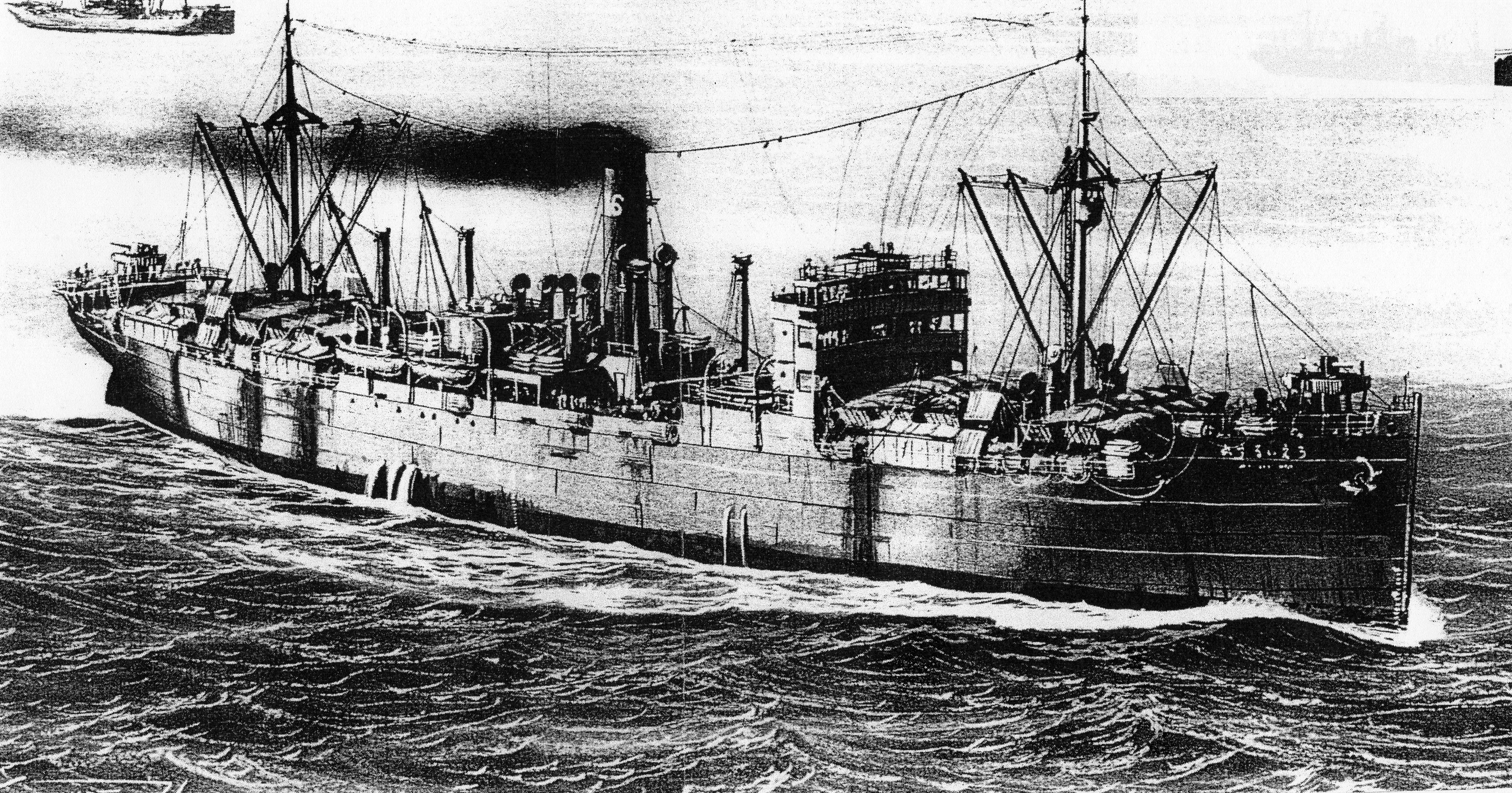
May 1943 saw the departure from Singapore of 900 prisoners, 600 British and 300 Australians on Wales Maru forming ‘J’ Force. June 7th the Wales Maru arrived Moji and the POWs entrained to one of several POW Camps. 250 Australians including 20 2/4th Machine gunners were destined for Kobe.

Please read the story of Wales Maru departing Singapore 1943

Kobe began its life as a tiny fishing village but over time became part of the most highly industrialised area in the Japanese Empire. The Osaka – Kobe – Kyoto area produced 25% of all Japan’s rolled iron and steel products approximately 30% of her naval and merchant ships and 30% of her marine engines.
Kobe House Camp was in two warehouses converted into barracks, about half a mile from the harbour with its wharves and factories. Buildings were dark, dirty and venomous, ill ventilated and crowded. Each man lived, ate and slept in his twenty seven inches of sleeping space.
The POWs soon found themselves contracted out to work in some of the many industries of Kobe Port  such as factories, iron foundries, shipbuilding yards, stevedoring companies and various warehouses.  Owned by well-known companies in today’s business/manufacturing world.


Above:  Bombs falling on Mitsubishi Steel Works, Kobe, Japan 1945. We wish to acknowledge this photo from ‘The Digital Collections of The National WWII Museum’. New Orleans, USA.
‘Japanese steel plant hit–Bombs rain on the Mitsubishi Steel Works at Kobe and on shipping in the harbor during an attack by U.S. Navy carrier-based aircraft. Fleets of American B-29 Superfortresses and carrier aircraft are raking the Japanese home islands’
https://www.ww2online.org/image/bombs-falling-mitsubishi-steel-works-kobe-japan-1945  
nationalww2museum.org


Read the story of Gilmour, Hutchinson and Ramsbottom
Also cheeky Wally Huchinson’s bath
Please read about Showa Denki
Please read Frank Hinnrichsen’s Affadavit
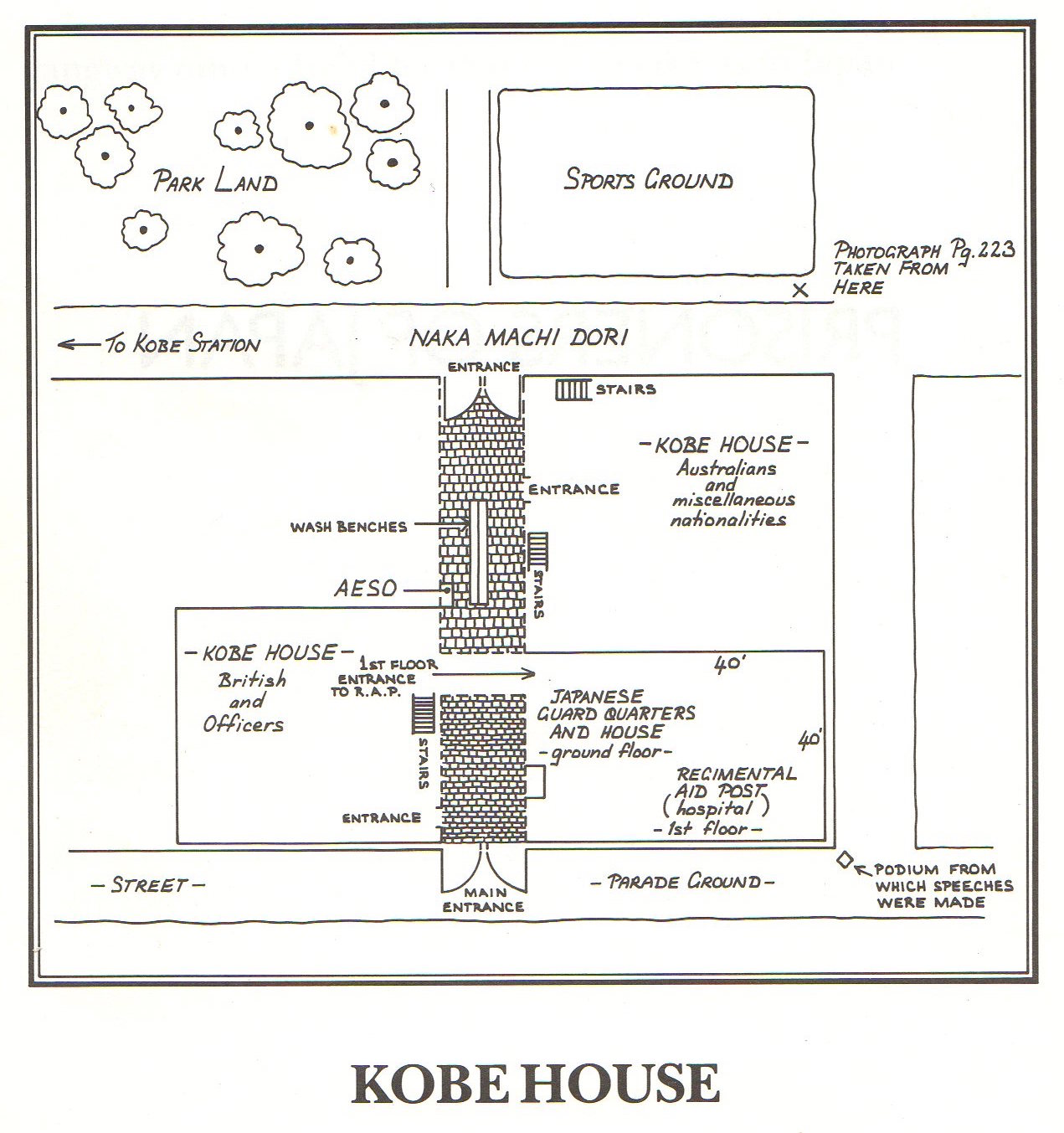
Kobe House plan
Plan as per John Lane’s book Summer Will Come Again, the photograph below is the one he refers to in his plan
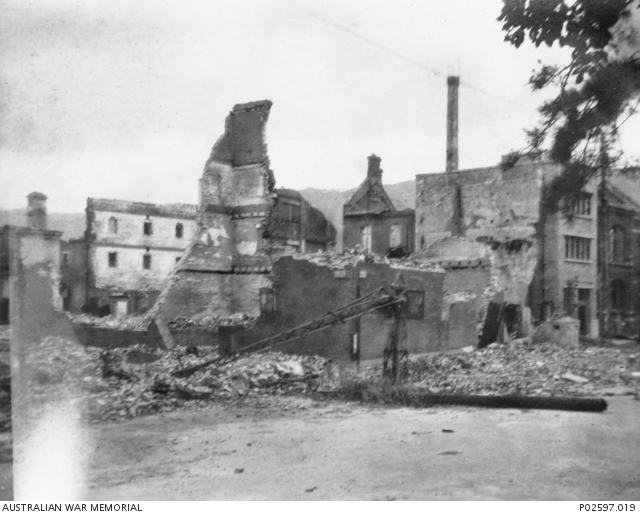
Kobe House
Above:  The ruins of Kobe House which was bombed on 5 June 1945. This was the home of J Force Prisoners of War (POWs) before it was destroyed by 500 lb incendiary oil bombs dropped by Americans. The rubble in the foreground is all that remains of the Australian quarters.
Read about the bombing of Kobe
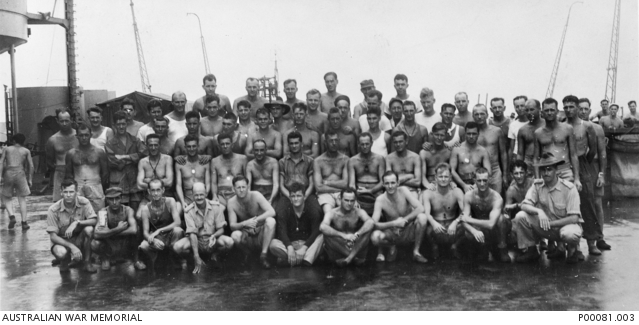
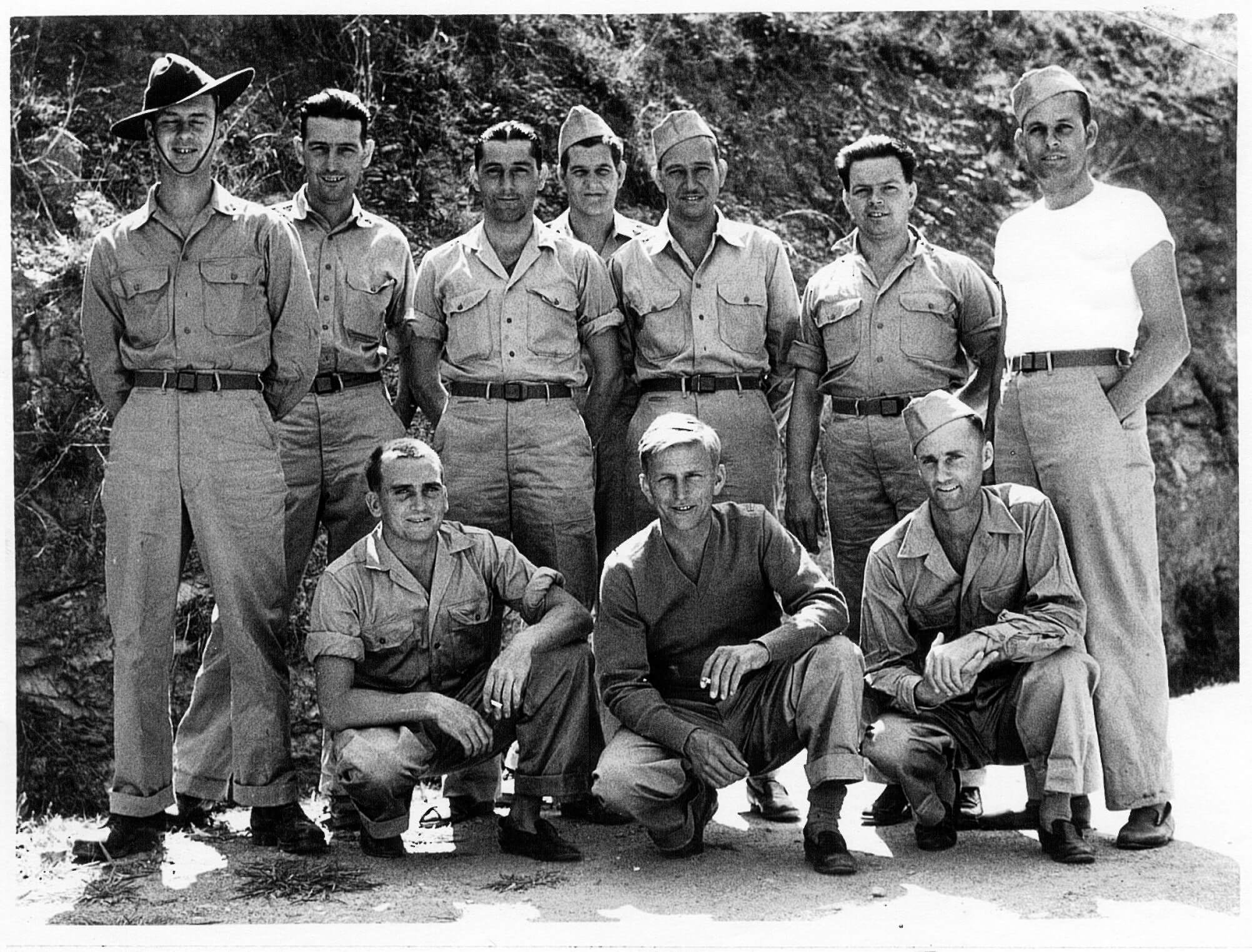
Photo of Kobe members

Kobe House POW Camp survivors on the way home from Japan on HMS Formidable.
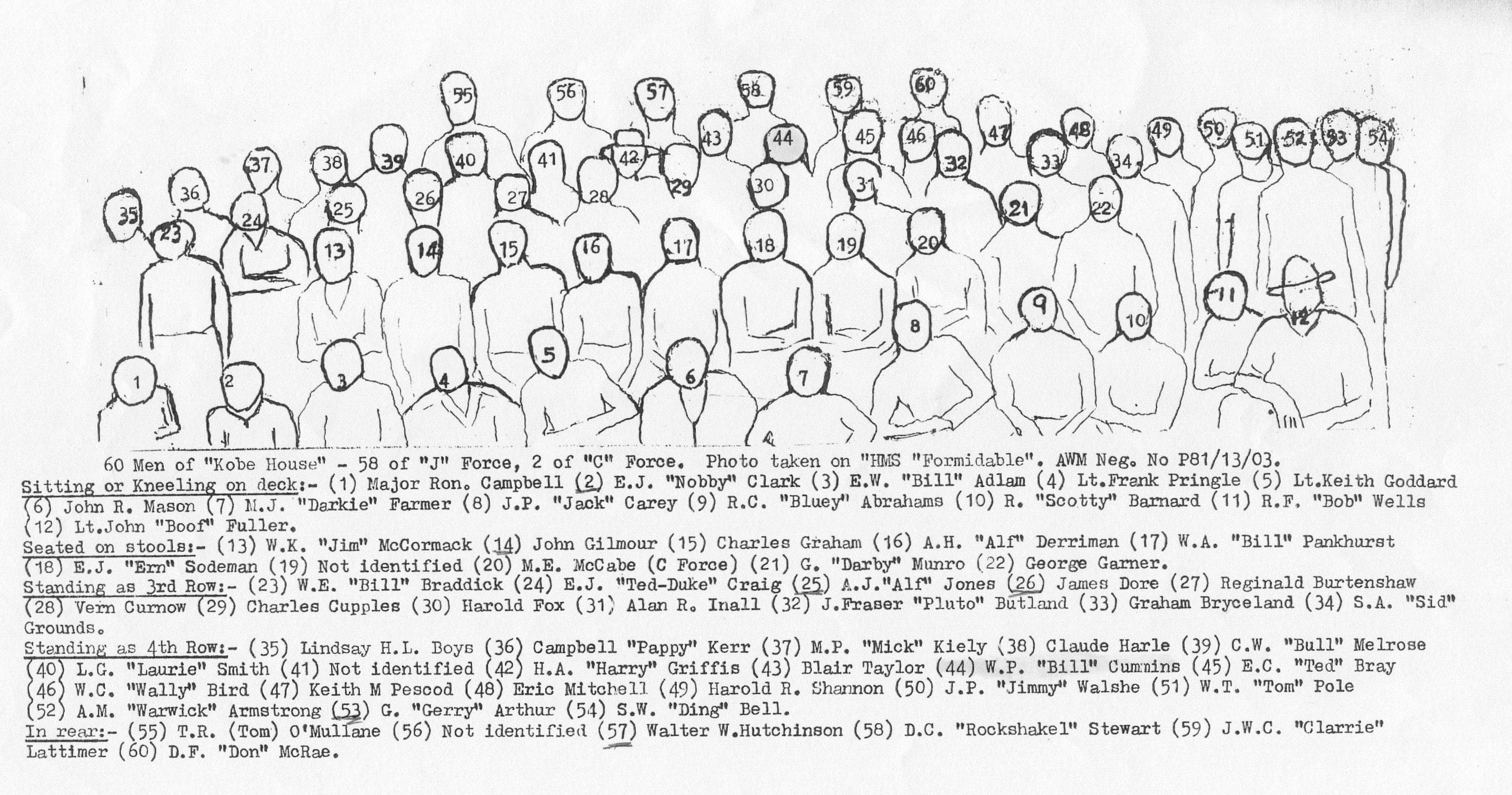
Names of Kobe members

Names of Kobe House survivors.

Norman Joseph Harris WX4985 – not identified in the above photo.
Harris left 14/2/1945 with a  work party under Lt K.W. Goddard to Toyo.
TOYAMA
The men in this party led by Lt Goddard travelled 12 miles to Toyama steel foundry in a special electric train.  Other 2/4th in this party included Jim Dore, Edwin Clark, Gerry Arthur and Arthur Draper. The work here was similar to that at Showa-Denki in that small small rail carts were brought to the furnaces from scrap heaps and from the furnaces to slag heaps.  Known as a dirty job and on a scale was about as popular as Showa-Denki.


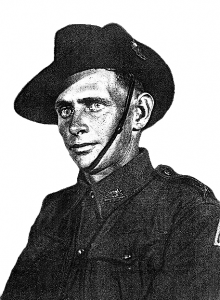
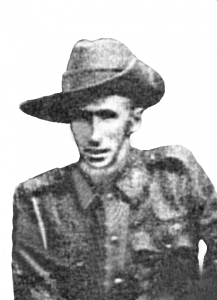
Above Top Left Dore, Right Clark
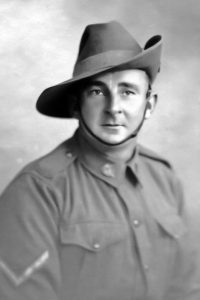
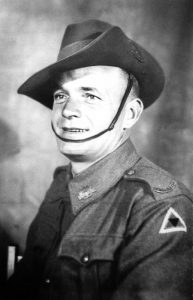
Above:  Arthur & right Draper


Read further about Showa-Denki
Read affidavit for War Trials
Read the list of 2/4th men who were selected with ‘J’ Force


Kobe was then the sixth largest city with a population of one million.  84 air raids over the city occurred between 18 April 1942 through to 15 August 1945.   1200 bombers dropped 8,000 tons bombs.  On 24 July 1945, a B-29 dropped 4 ‘pumpkin bombs’ – experimental ‘mock’ atomic bombs with the same weight and scale as ‘little boy’.
Just after midnight, on 6 Aug 1945, 261 B-29s bombed Kobe.
8 hours later, ‘Little Boy’ was dropped on Hiroshima.
It is said the death rate of civilians per sq. mile in Kobe’s urban area was more severe than any other Japanese city, including Hiroshima and Tokyo.  


Pte. Harry Tysoe WX9226

‘Sparrow’

Harry Tysoe, born in England in 1908, emigrated to Australia in 1912. Here he grew up on a Group Settlement farm, west of Denmark, the fourth eldest of eight boys.

He enlisted at Claremont, October 30 1940 as a 32 year old, leaving behind his pregnant wife and three children. Harry went on to train at Northam becoming a member of the 2/4th Machine Gun Battalion December 16 1940. Training continued for the battalion for the next year at Northam, Woodside South Australia and Darwin until embarkation on the Aquatania via Port Moresby Sunday January 4 1942 bound for Singapore via Sydney and Fremantle.

HarryT_20170124_0001aR

‘Sparrow’, as he was known, had leave with his family for the last time July 1941, where he was able to welcome his new daughter Hazel, born May 22nd.

Thursday January 15 1942, Harry, one of 860 homesick Western Australians, was refused leave from the Aquatania anchored in Gage Roads, Fremantle. Many of his mates were to find whatever means they could to get to shore to spend there last hours with their loved ones before departure for war. It is unknown what Harry ‘s position was. It is assumed that as his nearest family were 250 miles away, he stayed aboard the Aquatania. The Aquatania took the men to the Sunda Straits where they were transshipped to small Malaysian freighters which took them on to Singapore.

The 2/4th arrived in Singapore, Saturday January 25 1942. It was Japanese routine to bomb Singapore at precisely 11.00am. By sheer luck the bombers did not come on the day of the 2/4th’s landing. The men were taken to Woodlands Camp on the north west of Singapore going into action February 8 1942 with the Japanese for the first time. After a week, Singapore fell to the Imperial Japanese army. Harry’s battalion suffered severe casualties. Out of 966, 137 men had been killed with others dying later of their wounds.

Harry was now a prisoner of the Japanese, 1 of 130,000 fellow P’sOW. After capitulation the men were marched to Changi and when the civilian gaol was full, those left were housed in Selerang Barracks, former peace time home of the Gordon Highlanders. Harry was to call the different camps of Johore Bahru, Adam Park and Selarang Barracks Changi his home for the next 16 months where he would have joined other fellow P’sOW working in work parties such as salt water, garden and firewood parties.

May 15 1943, Harry along with some 500 British and 300 Australians (20 men of the 2/4th) formed ‘J’ Force and were loaded on the Weills Maru (Wales Maru) bound for Japan. They were the men who were left in Changi after the exodus of the major working parties to Burma, Borneo and Thailand.

Wales Maru
Wales Maru

The convoy, including the Weills Maru, headed north. Confined to the holds, it was a real break for the POW’s to be allowed up to collect meals and the occasional hose down with seawater. The ship was a very old and very slow tramp steamer of about 6000 tons. The trip took 23 days, calling at Saigon and Taiwan, managing to survive a torpedo attack. But with engines damaged by depth charges, it lost the convoy and completed the rest of the journey on its own as a prime target. It reached Moji Port, Kyushu, Japan June 7 1943 where the P’sOW were split up. Harry along with 250 other Australians was sent by train to Kobe.

Kobe House Camp was in two warehouses converted into barracks, about half a mile from the harbor with its wharves and factories. Buildings were dark, dirty and venomous, ill ventilated and crowded. Each man lived, ate and slept in his twenty seven inches of sleeping space.

The P’sOW soon found themselves contracted out to work in some of the many industries of the port of Kobe such as factories, iron foundries, shipbuilding yards, stevedoring companies and various warehouses.

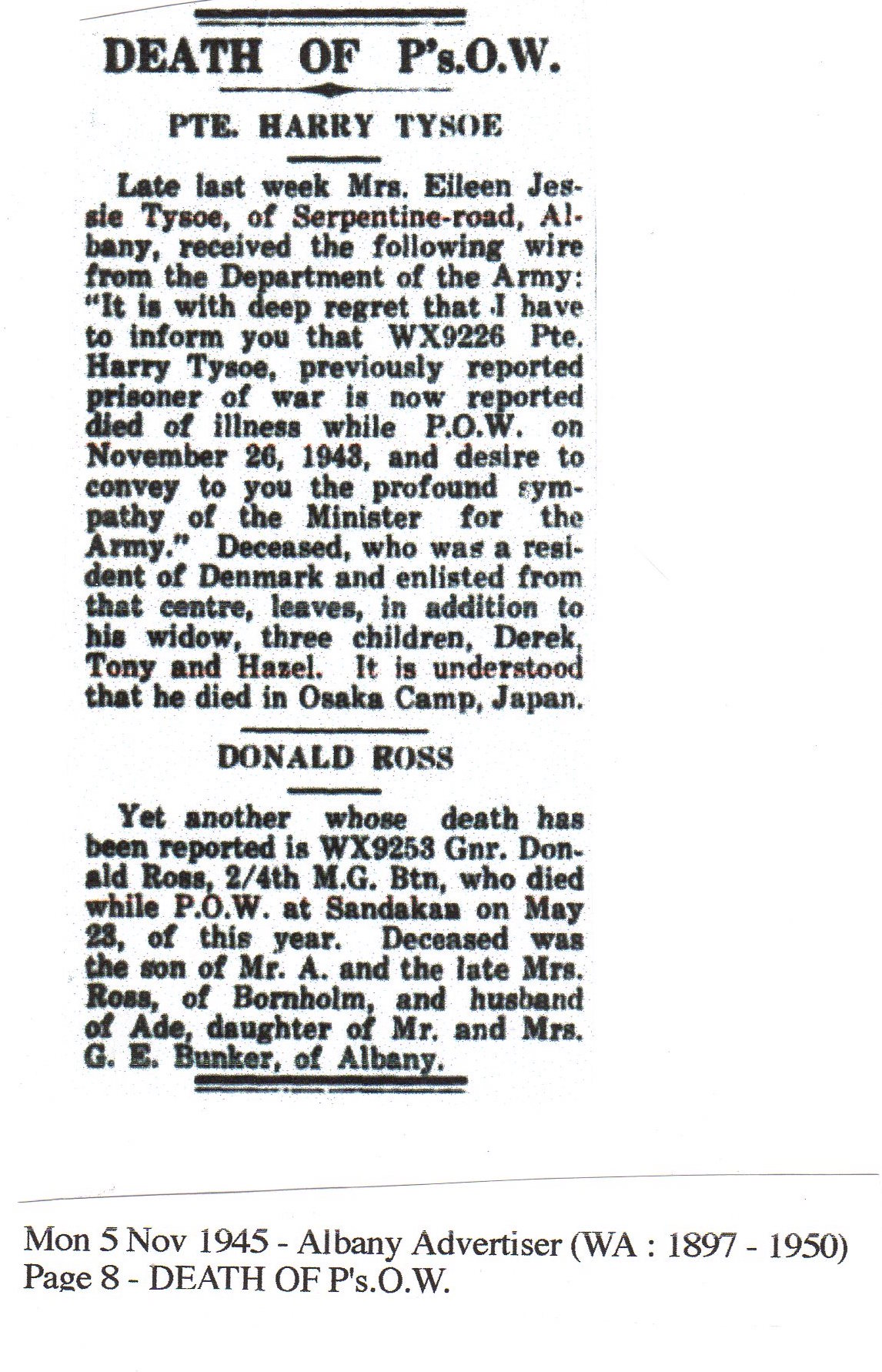
As October and November arrived so did heavy colds and influenza. November 1943 saw the only death of a 2/4th machine gunner from Kobe House, Harry, he was 35. Little did he know that his 9 year old son had been killed by a falling tree two months earlier. Harry had been admitted into hospital on November 7 suffering from influenza and acute beri-beri. He passed away November 26 as a result of progressive cardiac failure and beri-beri. His body was cremated at Kobe and his ashes were kept, along with other P’sOW remains, by a kind priest at a temple called Juganji, in Osaka. This temple was later moved to the outskirts of the city after the war.

His remains are said to have been re-inturned at Yokahama War Cemetery – Japan at Plot B Row A Grave 14.

Harry’s family were not to find out his fate for another 2 years. The following newspaper clipping appeared in the local paper Monday November 5 1945.

Harry Tysoe notice of death

Rakuyo Maru – the Story – 38 men from 2/4th who perished

A group of 649 Australians embarked on the Rakuyo Maru; the Kachidiko Maru, carrying some 1,000 British prisoners of war, was also in the convoy. Off Hainan Island, both vessels were sunk by an American submarine: 503 AIF, 33 RAN and 7 RAAF personnel were lost in the Rakuyo Maru; 80 survivors were picked up by American submarines. Those picked up by the Japanese were sent to the Kawasaki group of factories, and Moji and Sakata prison camps.


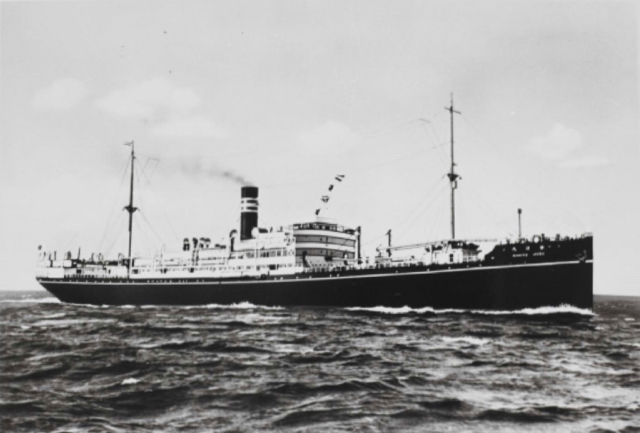
9,419 ton ‘Rakuyo’ Maru was built 1921 by Mitsubishi Company at Nagasaki.
Initially entrained from Thailand via Bangkok (where they also worked for a few days) to Saigon in French Into China, the Rakuyo Maru work party arrived in Saigon where they worked for several months around the wharves and the city, accommodated at the former French Foreign Legion quarters – a huge improvement from the attap huts on the line where they slaved long hours, had little food and no medicines.
Several times the Japanese prepared them to board their ship to Japan, after waiting around all day the men were returned to camp.  Finally the Japanese decided it was too dangerous to sail with the American blockade and ordered them to travel to Singapore by rail.
The POWs had in comparison found work and living conditions in Saigon far better than when working on the railway.  Also their food rations became more generous.  They now had to make their way to Singapore.
Arriving by train Singapore on 4 July 1944 from Saigon, the men designated for ‘Rakuyo’ Maru were accommodated at River Valley Road Transit Camp – and remained here until 3 September 1944 when it was announced ‘Rakuyo’ Maru was ready to board.  In the meantime, POWs were taken on daily work parties around the docks and some worked on the excavation of a dry dock opposite Pulau Damar Laut, otherwise known as Jeep Island.
Several 2/4th men were sent to Changi Gaol Camp hospital and were unable to proceed to Japan.  Murray Cheyne on 14 July 1944 was hospitalised suffering from malaria and pneumonia. On regaining his health, because he was a Pay Sergeant he was later transferred to Changi Administration  28 January 1945.  Basil Frost was hospitalised with an infected leg.
When it was time to embark, it was found the ship did not have sufficient room to take Australian Kumis No.’s  35-40.  No. 40 was deleted from the passenger list –  2/4th men in No. 40 included:    Vic Barnett, Bill Cake, Harry Lucas, Albert Hambley and Les Holtzman – they later sailed with ‘Awa’ Maru to Japan end of December 1944 and were very lucky indeed!  


On 4 September 1944, 718 Australian, 600 British and one American (shot down over java) POWs were marched to docks.   Earlier attempts saw them sit around waiting until late evening (large numbers of men were unable to march and others were sick with usual tropical diseases) before being marched back to their accommodation at  Transit Camp.
Many doubted they would actually see a ship on this particular day.  The same had occurred  in French Indo China when they were ordered to march to the docks and board their ship on several occasions only to later return to their accommodation.
But there it was – ‘Rakuyo Maru‘ moored at the docks! 
Many POWs were familiar with the ship as they had been loading her for the past weeks with raw rubber, copra, tin and scrap metal.
The men were herded below decks where conditions were very crowded, dark and stifling hot in the Singapore heat.   A tense standoff had taken place with the Japanese when a large number of POWs refused to go below into the over-crowded hold. They were warned there would be no water and food until they did so and situation became hostile.
Eventually the Japanese agreed with senior POWs officers that two thirds of the men would go into the hold.  The remaining third could remain on deck but must not impede the movement of crew.
Prodded by rifles with bayonets and the usual slapping and kicking, two-thirds of the men squeezed themselves below. Sitting back-to-back and knee-to-knee the men including the sick, settled down and waited in the dark hold sweating in the appalling conditions.
On deck and below there were numerous injuries from earlier hostilities – sore heads, bruises, cuts and broken ribs. They tried to maintain a path to the primitive but hygienic latrines – a slatted box lashed with rope to the port rail.
On 4 September 1944 ‘Rakuyo Maru‘ with 1318 POWs  moved off just before dusk and soon dropped anchor in the roads outside the harbour. They remained in the roadstead for another 36 hours.  Those on deck were able to see the lights of Singapore and enjoyed the faintest of breezes. For those below there was no relief, it must have been horrific trying to sleep sitting with heads on their knees, listening to the sick and injured cries and moans, the air filled with fear and the growing stench of so many bodies.
At about the same time ‘Kachidoki’ Maru with 1500 British POWs onboard sailed out of Singapore to join the convoy (also sunk by American Submarines).
There was no food ration this night. Whatever food they had been provided in the early morning was supposed to be for the day – however rice would not keep in the heat.
During the night ‘Rakuyo Maru’ joined a convoy of two tankers and further three transports to form two lines headed by a light cruiser, flanked by two destroyers and followed by a corvette and sailed away from Singapore.


It was nearer midday before  POWs received their small serving of food. They each received a small mug of rice with a tiny drop of stew! There was chaos and queue jumping by ravenous men. They were advised they would receive half a pint of tea later in the day. Cooking facilities were absolutely inadequate. The cooks had use of two kwalies for more than 1,000 men, worked in a lean-to cookhouse made of corrugated iron at the ship’s stern, exposed to weather and open deck. There was no way the POWs would receive more than two meals per day in daylight hours with two kwalies cooking for 1300 men. (There would be no fires at night for cooking).
Australians manned the cookhouse and eventually the British conceded the rice was well cooked. Initially the British felt outsmarted by the Aussies who had manoeuvred themselves into the cookhouse ahead of the British. By the second day they all received a pint of tea each man and the British conceded the Aussies were doing well. The prisoners soon settled into a routine with food distribution points, pathways to latrine, etc.  The men knew if they created any trouble everybody would be jammed into the hold and hatches closed.
Those on deck faced stinking hot conditions during the day, but were rewarded with cooler nights. For those in the hold it was otherwise and they were glad of a turn upstairs. By the fifth day men were desperate for water for cleaning themselves. Conditions soon became unsanitary. The Japanese agreed for bath parades! 5-6 men at a time allowed on deck and the use of a pump for 5 minutes. It was heaven beneath the 3-foot torrent of water whilst they splashed and rolled about.
Drinking water had become dangerously short and that night, thankfully the heavens opened up! Those on deck were happily drenched and filled their drink containers and from below came the hordes taking turns to do likewise. On deck, temperatures plummeted and the men with their sodden belongings gathered together to keep warm until morning when the sun was again out.
On the morning of 6th September the ‘Kachidoki Maru’, two passenger cargo vessels, two tankers and several escorts joined them.The POWs felt reasonably safe as the convoy forged on in favourable conditions accompanied by one cruiser, 4 destroyers and 2 corvettes.
The convoy headed directly northeast for the Formosa Straits.
The following day the convoy approached the danger area of the voyage – midway between Hainan Island and Luzon in the Philippines where the American submarines were concentrated.
Extra lookouts were evident on the foredeck and the bridge and the gun crews practiced on an antiquated artillery piece in the bow. Tension was high!

At this point (according to Ghosts in Khaki) the convoy was joined by three empty freighters and three frigates. The convoy became three columns of ships with tankers in the centre and ‘Rakuyo Maru’ becoming ‘tail end charlie’ at the right rear.
There was a hunt on for life jackets and ample stock was found on ‘Kachidoki Maru’ however 25% or more of POWs on ‘Rakuyo Maru’ missed out.
Survivors on board from HMAS Perth (taken POWs in Java after their ship sank) were active in spreading the message of ‘abandon ship survival’. They found the life jackets, wooden life rafts and advised how to launch them.   They also devised a plan to empty the holds quickly. The Perth survivors prepared those around them as much as was possible under the conditions.
On the evening of 11th September two 2/4th Machine gunners Alf and Wally Winter had been out scrounging and this incident proved to be a minor crisis, taking minds off the torpedoes!
“We broke a lock and got into a hold. We pinched a small bag of sugar, got it back to the hold and split it up amongst our Kumi (platoon). Everybody gulped it down by the handful. The Japs were onto the theft pretty quickly and announced that if they couldn’t find the culprit everyone would be punished.” …………Alf Winter (from Ghosts in Khaki Page 310)
The decision was left until the next morning – and the ship eventually settled down. As the ship sailed on the number of men sleeping on deck grew to many 100s of POWs on the forward deck. The decision of the missing sugar was never made and was taken over by a much greater crisis.
A little before midnight of the 6th day, on 12 September the convoy was attacked. For those on deck the night was dark, as the moon had not risen. The previous quiet evenings had lulled them into a sense of safety and tranquillity. Startled awake by the roar of activity, POWs on deck saw the destroyer escort charging around with lights blinking. There was a huge flash of light, an explosion or two, and the destroyer was gone.
Pandemonium followed, bells ringing, Japs racing everywhere and some even jumping into the lifeboats. Terrified men heaved themselves out of the holds. For those on deck they could see one of the tankers ablaze, and lighting up the night. ‘Rakuyo Maru’ was veering evasively right to the starboard. There were more explosions. Alarm bells continued ringing amidst the hysterical cries from men everywhere and from below, they could hear the scurrying of crew feet in a night which had suddenly gone mad. The POWs did not know what was to happen, or what they were to do as their ship rocked about.
The panicked guards and crew began to force the POWs back down the hold. A young Australian Officer took command. He confirmed the convoy had been attacked and two ships hit and advised the men to sit quietly and settle down. Nothing further happened and the convoy again settled down.
The ship remained on an even keel and control returned. The ‘Rakuyo Maru’ was drawing away from the convoy and they thought they would be all right. The terrified men had willed their ship to find safety away from the convoy into the safety of darkness.   They were suddenly aware the’ Rakuyo Maru’ was now alone. One cannot begin to imagine what was going through their minds of those hundreds of terrified men below decks.
At 5.30am POWs on deck saw a tanker not too far away go up in flames joined a few minutes later by a freighter. It was now the ‘Rakuyo Maru’s’ turn.   Watchers at the rails yelled “they’re going to hit” as two torpedoes streaked toward their ship. One torpedo went into the engine room bringing the ship to an abrupt halt with a loud explosion and a sheet of flame and second torpedo hit below where it was seemingly cushioned by the cargo of rubber bales or even missed its target.
A massive wave poured over the forecastle. POWs on deck were thrown violently about as they were pounded by boiling and hissing seas. Many thought the ship had already sunk. Next the water had gone leaving men confused, spluttering and blundering about the deck, their meagre possessions washed overboard.
They had hung on to avoid being swept overboard. Harry Bunker said, “It was like being hit by an enormous dumper at Cottesloe beach. I was all ends up scraping along the deck”. Harry Pickett said he had to hang on to stop being swept over the side. (from ‘Ghosts in Khaki P. 311)

You can read further about Harry Pickett

There were continual splashes as men jumped into the water. For those on-board there was further panic with the Japanese seemingly not knowing what to do and taking longer to do it. However the Japanese crew didn’t waste time appearing in life jackets (some POWs managed to grab one from their supply) and several rafts hit the water. Before everybody was out of the hold, the lowered lifeboats loaded with crew were pulling away from ‘Rakuyo Maru’.
The panicked POWs in the holds had immediately scrambled for the ladder. On deck, there were some savage confrontations between POWs with years of pent up hatred and a few of Japanese still on board.   It appeared the majority of men had jumped overboard. In the reappearing moonlight those in the water desperately sought floating cargo and debris for support. Especially those unable to swim.
By now the ship was sitting still.   The initial rush to jump overboard slowed down.
Some POWs returned to their ship. Some with leadership and survival skills began throwing overboard rafts and floatable material such as that which could be ripped off the superstructure following the explosion. Chairs, tables, hatch boards, POW cookhouse, oil drums, wooden stairs, etc. – anything which would float. Some of these struck men floating in the water further increasing injuries and deaths amidst the mayhem.
Groups were drawn into the sea of blazing oil from the tanker – unable to make their way to safer waters. For now it was mostly darkness, the unknown, confusion, and shocked voices calling for mates. A few Japanese who found themselves alone and swimming in the water were now facing the prospect of being outnumbered by POWs.
Doug Hampton said, “The Jap frigates were moving amongst the wreckage picking up their own survivors. We had one Jap officer aboard our raft and we were hoping someone would come to collect him and take us too! Small hope, they came for him in a small boat with a Jap in the bow holding a tommy gun. The two frigates then cruised alongside the rafts, the crew lining the rails with guns pointed at us. We thought we were going to get it (be shot) and gave them our thumbs up sign, I think they got the message.”  (Page 312 Ghosts in Khaki)
The Japanese boats finally after ramming through wreckage, sinking rafts, breaking up groups and killing men in the water turned away and with the remaining freighter leaving behind a mass of struggling, shocked and injured survivors.
The moon once again disappeared leaving 100’s of nameless men floating in the dark water eager to push away from  ‘Rakuyo Maru’ fearing the sinking ship may take them with it. Some men managed to get a place on a few lifeboats or larger pieces of floating debris – nobody wished to remain alone. It would be dawn in a few hours and they hoped to see their situation more clearly.
Phil Beilby, a lucky survivor, was well prepared when he jumped  over board having first thrown a hatch cover.  He had three canteens of water and a life jacket.  He  left behind his most cherished possession, his battered clarinet.  He was joined by Vic Cross on a large raft.
Alf Winter said “When I jumped I forgot to fold my arms over the life jacket and it came up and cracked me on the chin.   I was nearly knocked out and it took some minutes to recover.  I finally  managed to get on a raft with eight others.
In the first rush, all everybody thought about was getting over the side before the ship sank, but when we realized we had no (drinking) water, we went back on board and collected some water bottles but they had no corks and the water was lost!  We got away from the ship as fast as we could.”  (from Ghosts in Khaki Page 312)
By early morning the extent of the night’s tragedy was there for all to witness.  Many who had clung onto floating debri and craft had died in the night and it was evident many more had little chance of surviving the day.  The current was carrying them into the oil covered waters where the tanker had sunk.  The oil soon covered everything including the wreckage, the men, their bodies – eyes, ears and mouths. The oil made if impossible for some to hold onto wreckage.   They slipped away and didn’t have the strength to swim back.
The heat, despair and their overwhelming thirst began to take hold.  Resorting to drinking sea water resulted in death.
Doug Hampton said “People were doing strange things”.
Read further about the US submarines.
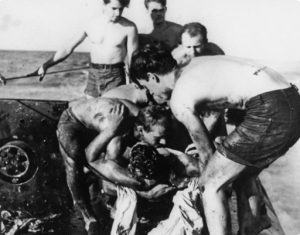
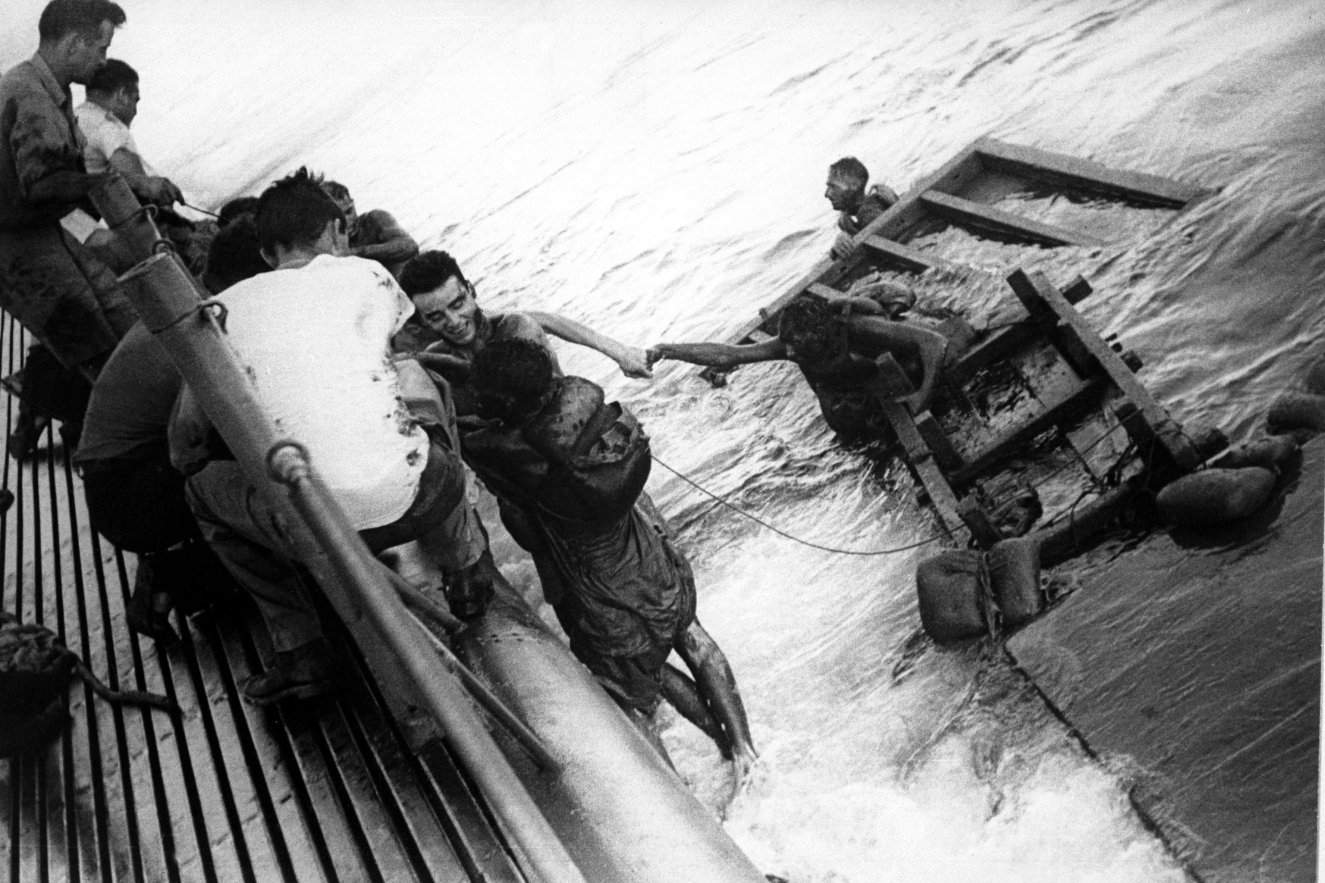
Below:  crew of Pampanito assisting oil covered POW on board.
Please read story of Cocking – one of 2/4th survivors of ‘Rakuyo’ Maru sinking.
Those who didn’t survive, include Peter Cripps from Northampton.
Vern Trigwell perished, and Harry Bunker was a survivor.  Please read their story.
RAKUYO MARU sank 12 Sep. 1944 South China Sea following torpedo attack by USS ‘Sealion.’  ‘Rakuyo’ Maru took 12 hours to sink. On board were 52 POWs from 2/4th Machine Gun Battalion.
11 very lucky POWs survived to be picked up by USS Submarines
3 POWs were picked up by Japanese vessel and taken to Japan (including Climie who survived in the water and was picked up by Japanese vessel, taken to Japan. He was killed during Allied Air raid whilst working as a POW in Japan 13 July 1945 – just one month before end of war.)
38 Men from 2/4th perished in South China Sea, including Gibbs brothers Jimmy and Lacey from Wanneroo.
Read November 1944 Australian Government receiving reports of ‘Rakuyo’ Maru story and devastating news of POW Camp  Conditions
WX7905 ANNESLEY, Frederick John (Fred) b. Collie 1926.  One of 88 men 2/4th who were AWOL from ‘Aquitania’ when she sailed from Fremantle on 16 Jan 1942 for Singapore.  Please read further about this incident which left 2/4th Btn short of 88 well trained machine gunners during battle to save Singapore.  Fred was captured with “Blackforce” in Java.  Selected to work Thai-Burma Railway with ‘A’ Force Burma, Java Party No, 4 Black Force he  sailed from Java to work Burma end of railway for more than 12 months.   Selected ‘fit’ by Japanese with ‘Rakuyo’ Maru Party.  Fred perished 16 Sep 1944 aged 28. Married with children.
WX9864 BAGGS, Royal James b. 1909 Weymouth, Dorset, England. Fought Singapore ‘A’ Coy 4 Platoon as a cook.   Selected at Singapore to work Thai-Burma Railway with ‘A’ Force Burma, Green Force No. 3 Bn where he worked at least 12 months after which he was sent with the POWs in Burma, south to Thailand.  He was  selected ‘fit’ by Japanese  to work in Japan with ‘Rakuyo’ Maru Party.  Perished 14 Sep 1944 aged 34.
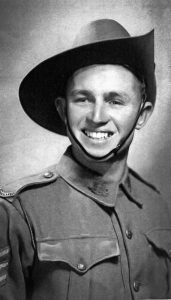
WX8720 BAKER, Arthur Joseph “Joe’  b. Coolgardie 1914. Family lived Coolgardie. Driver with HQ COY and fought Singapore.  Selected to work Burma end of Thai-Burma Railway with 3,000 POWs ‘A’ Force Burma, Green Force No. 3 Btn. Remained on rail link more than 12 months. ‘Rakuyo’ Maru. Perished 12 Sep 1944 aged 30.
Please read about Coolgardie boy Joe Baker
WX8682 BAKER, William Robert Samuel (known as Bob or WRS) b. 1919 Esperance. Formerly Norseman. Captured with “Blackforce” Java. Selected to work Thai-Burma Railway with ‘A’ Force Burma, Java Party No, 4 Black Force.   Worked Burma end of railway more than 12 months.   ‘Rakuyo’ Maru.    Perished 12 Sep 1944 aged 25.


WX16390 BELL, Robert Joseph (Bob) b. Perth 1920. Fought Singapore. Selected to work Thai-Burma Railway with 3000 POWs ‘A’ Force Burma, Green Force No. 3 Btn.  Worked Burma end of railway more than 12 months.   ‘Rakuyo’ Maru.     Perished 14 Sep 1944 aged 24.
Eldest son of Robert John and Kate Bell of Pingaring. Bob loved the land and farming.  Please read further about his life
WX9326 CARTER, Alfred Henry (Harry) b. 1920 Northam.  Formerly Dangin. Fought Singapore. Selected to work Thai-Burma Railway with 3,000 POWs ‘A’ Force Burma, Green Force No. 3 Btn. Worked Burma end of railway more than 12 months. ‘Rakuyo’ Maru.      Son of Lewis Basil and Mary Jane Carter, of Dangin. Harry was one of several men of 2/4th who came from around Dangin. Perished 12 Sep 1944 aged 24.


WX4927 CLIMIE, Austin Newman (Aussie) Corp. b. 1907 Perth. Fought Singapore. Selected to work Thai-Burma Railway with 3,000 POWs ‘A’ Force Burma, Green Force No. 3 Btn. Worked Burma end railway more than 12 months. Selected with ‘Rakuyo’ Maru Party to work Japan.
Survived Sinking of Rakuyo Maru – picked up by Japanese vessel, taken Japan. Climie killed 13 July 1945 during an Allied Air Raid at Kawasaki Camp No. 14 D Aged 37.
WX9109 COLQUHOUN, Alexander John (Alex) b. 1906 Midland Junction. Fought Singapore. Selected to work Thai-Burma Railway with 3,000 POWs ‘A’ Force Burma, Green Force No. 3 Btn. Worked Burma end railway more than 12 months.  Perished 15 Sep 1944, three days after ‘Rakuyo’ Maru Sank aged 38 (This information would have been passed on from one of the survivors)
WX9092 COUSINS, Arnold Vivian b. 1913 Mt Helena. Fought Singapore. Selected to work Thai-Burma Railway with 3,000 POWs ‘A’ Force Burma, Green Force No. 3 Btn. Worked Burma end railway more than 12 months. ‘Rakuyo’ Maru. Perished   Perished 14 Sep 1944 aged 30 years. (Previous service 10th Light Horse Militia)
Please read about Mt Helena boy ‘Arnie’ Cousins
WX15783 CRIPPS, David Charles (Dave) b. Geraldton 1921. Formerly from Northampton. Fought Singapore. Selected to work Thai-Burma Railway with 3,000 POWs ‘A’ Force Burma, Green Force No. 3 Btn. Worked Burma end railway more than 12 months. ‘Rakuyo’ Maru.       Perished 12 Sep 1944 aged 22.
WX8011 DELAPORTE, Harry Thomas b. Capel 1914. Fought Singapore. Selected to work Thai-Burma Railway with 3,000 POWs ‘A’ Force Burma, Green Force No. 3 Btn. Worked Burma end railway more than 12 months. ‘Rakuyo’ Maru. Perished 12 Sep 1944 aged 30.  Harry enlisted with mates Claude Knott and Charlie Harris from Boyanup. The three men were in  ‘A’ Coy.   Harry m. Mrytle May Harris and Claude Knott m. Ellen Bertha Harris – sisters of Charlie Harris.  Both Harry Delporte and Charlie Harris died overseas.  Harris died Sandakan 27 May 1945 aged 31.
(Claude Knott was one of 21 Fairbridge Farm School Boys to enlist with 2/4th.  Only 10 returned to Australia.)
There were 2 Fairbridge Farm School Boys who died Sandakan from 2/4th – Bob Chipperfield, supposedly tallest man in 2/4th, died First March d. 11 1945 aged 28 and Osborne.
WX8830 DRUMMOND, Alexander Donald Drummond (Alex, Bull or Bulldog) b. 1911 Kinross, Scotland. Formerly from Norseman. He was one of 88 men from 2/4th who missed their ship ‘Aquitania’ sailing from Fremantle 16 Jan 1942  to Singapore.  Instead these men were landed in Java as Singapore was about to fall.  Taken POW in Java with “Blackforce”.   Selected A Force Burma, Java Party No. 4 Williams Force to work northern end Thai-Burma Railway. Spent more than 12 months on rail in Burma as well as Thailand.  He lost his life on 15 Sept 1944 aged 33 years.
WX16407 GIBBS, Lacey Gordon b. 1917 Cannington. Formerly Wanneroo. (Brother to Jim Gibbs below). Fought Singapore. Selected to work Thai-Burma Railway with 3,000 POWs ‘A’ Force Burma, Green Force No. 3 Btn. Worked Burma end railway more than 12 months. ‘Rakuyo’ Maru.     Perished 14 Sep 1944 aged 27.
Read further about Lacey Gibbs and his brother Jim
WX8958 GIBBS William Herbert (Jim) b. 1916 Cannington. (brother to Lacey Gibbs).   Formerly Wanneroo. Fought Singapore. Selected to work Thai-Burma Railway with 3,000 POWs ‘A’ Force Burma, Green Force No. 3 Btn. Worked Burma end railway more than 12 months. ‘Rakuyo’ Maru.  Perished 12 Sep 1944 aged 28.
The Gibbs family farmed at Wanneroo – it wasn’t an easy life. Waneroo was then virgin land. The older boys were skilled horsemen.   Jim and Lacey’s mother had died young leaving a baby and large family for father Jabesz Gibbs to care for.

Please read a little of Jimmy Gibb’s life

WX10822 HARVEY, Laurence John b.1919 Kent, England. Fought Singapore. Selected to work Thai-Burma Railway with 3,000 POWs ‘A’ Force Burma, Green Force No. 3 Btn. Worked Burma end railway more than 12 months. ‘Rakuyo’ Maru.     Perished 12 Sep 1944 aged 24.
Please read about Jack Harvey who was married with a very young son
WX8408 HAYES, Albert George b. 1911 Kalgoorlie. Captured “Blackforce” Java.
Selected to work Thai-Burma Railway with ‘A’ Force Burma, Java Party No, 4
Williams Force.   Worked Burma end of railway more than 12 months, and Williams Force worked in Thailand on the rail link. ‘Rakuyo’ Maru. Perished 12 Sep 1944 aged 33.


WX1009 HELSIN, John Frederick (Jack or Johnny) Corp. b. 1919 London. Formerly Cottesloe. Fought Singapore. Selected to work Thai-Burma Railway with 3,000 POWs ‘A’ Force Burma, Green Force No. 3 Btn. Worked Burma end railway more than 12 months. ‘Rakuyo’ Maru.     Perished 12 Sep 1944 aged 25.  John Helsin’s English born mother returned to WA with her baby son following the death of her Australian-born husband who served with 16th Battalion AIF WW1, Corp. John Malmo Nelson (awarded Military Medal) who d. 3 Sep 1918 Rouen, France aged 33. Father and son were each only sons.
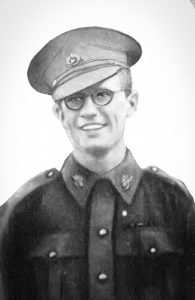
WX16446 HOBSON, Clifford b. 1905 Leeds, Yorkshire, England. Formerly Kalgoorlie.   Fought Singapore. Selected to work Thai-Burma Railway with 3,000 POWs ‘A’ Force Burma, Green Force No. 3 Btn. Worked Burma end railway more than 12 months. ‘Rakuyo’ Maru.     Perished 12 Sep 1944 aged 38.
Please read about Cliff Hobson
NX73270 HOWARD, Bernard James b. 1914 Quirindi, NSW. 88thth Light Aid Detachment attached 2/4th.   Fought Singapore. Selected to work Thai-Burma Railway with 3,000 POWs ‘A’ Force Burma, Green Force No. 3 Btn. Worked Burma end railway more than 12 months. ‘Rakuyo’ Maru.  Perished 12 Sep 1944 aged 29.
 HUGHES, Ronald Edward b. 1920 Manjimup. Enlisted 15 Jan 1941. Joined ‘A’ Coy.  AWOL when ‘Aquitania’ sailed 16 Jan 1942 Fremantle to Singapore.  Sent Java.   Captured “Blackforce” Java. Selected to work Thai-Burma Railway with ‘A’ Force Burma, Java Party No, 4 Williams Force.   Worked Burma end railway more than 12 months and in Thailand.  ‘Rakuyo’ Maru. Perished 12 Sep aged 24.
WX7646 HUTCHISON, Robert Bamford b. 1912 Subiaco. . Fought Singapore. Wounded in action 12 Feb 1944 receiving shrapnel wound to his back.   Selected to work Thai-Burma Railway with 3,000 POWs ‘A’ Force Burma, Green Force No. 3 Btn. Worked Burma end railway more than 12 months. ‘Rakuyo’ Maru.     Perished 12 Sep 1944 aged 32.


WX5584 McCRACKEN, Ronald Duncan b. 1918 Narrogin. Fought Singapore. Involved in bayonet charge at Hill 200, Ulu Pandan where he was wounded in action. Admitted to 2/10th Australian General Hospital with gunshot wound right foot. Discharged to unit 28 Feb 1942.
Selected to work Thai-Burma Railway with 3,000 POWs ‘A’ Force Burma, Green Force No. 3 Btn. Worked Burma end railway more than 12 months. ‘Rakuyo’ Maru.     Perished 15 Sep 1944 aged 24.
WX8760 McMAHON, Thomas Membury b. 1920 Loxton, S.A. Fought Singapore. Wounded in action Ulu Pandan 12 Feb 1942. Admitted to 13th Australian General Hospital with shrapnel wound to his left food. Discharged to unit 24 Feb 1942. Selected to work Thai-Burma Railway with 3,000 POWs ‘A’ Force Burma, Green Force No. 3 Btn. Worked Burma end railway more than 12 months. ‘Rakuyo’ Maru.     Perished 14 Sep 1944 aged 24.


WX7662 MINCHIN, Alec Randolph (Corp) b. 1914 Dangin. Fought Singapore. Selected to work Thai-Burma Railway with 3,000 POWs ‘A’ Force Burma, Green Force No. 3 Btn. Worked Burma end railway more than 12 months. ‘Rakuyo’ Maru. Perished 15 Sep 1944 aged 30.
WX8076 MOORE, Frank Clifford b. 1911 Northam. Formerly Bowgada. Fought Singapore. Selected to work Thai-Burma Railway with 3,000 POWs ‘A’ Force Burma, Green Force No. 3 Btn. Worked Burma end railway more than 12 months. ‘Rakuyo’ Maru. Perished 12 Sep 1944 aged 33.
WX7181 MUTTON, Charles b. 1913 Perth. Enlisted 1 Aug 1940 from Agnew, a goldmining town near Leinster.  Scout with ‘D’ Coy. Selected to work Thai-Burma Railway with 3,000 POWs ‘A’ Force Burma, Green Force No. 3 Btn. Worked Burma end railway more than 12 months and in Thailand with Williams Force. ‘Rakuyo’ Maru. Perished 12 Sep 1944 aged 31.
Son of Arthur Stephan Mutton and Bridget Agnes Mutton, of St. Kilda, Victoria. (his father died in 1937)
WX7940 NICHOLSON, Walter George b. 1907 Norwich, England. Fought Singapore. Selected to work Thai-Burma Railway with 3,000 POWs ‘A’ Force Burma, Green Force No. 3 Btn. Worked Burma end railway more than 12 months. ‘Rakuyo’ Maru. Perished 13 Sep 1944 aged 36.


WX7659 NOLAN, Edwin Leslie b. 1910 Durham, England. Formerly Bodalin. Fought Singapore. Selected to work Thai-Burma Railway with 3,000 POWs ‘A’ Force Burma, Green Force No. 3 Btn. Worked Burma end railway more than 12 months. ‘Rakuyo’ Maru. Perished 12 Seo 1844 aged 34.


WX8856 PEARCE, Harry Walter b. 1914 Fremantle. Captured “Blackforce” Java.   Selected to work Thai-Burma Railway with ‘A’ Force Burma, Java Party No, 4 Williams Force. Worked Burma end railway more than 12 months and in Thailand on rail link.   ‘Rakuyo’ Maru. Perished 12 Sep 1944 aged 30.
 WX16356 RANDALL, Ernest Edward b. 1908 Northampton. Fought Singapore. Selected to work Thai-Burma Railway with 3,000 POWs ‘A’ Force Burma, Green Force No. 3 Btn. Worked Burma end railway more than 12 months. ‘Rakuyo’ Maru. Perished 12 Sep 1944 aged 36.

Please read the story of Randall, Cripps & Northampton Boys

WX9282 SKINNER Francis Kenneth Herbert b 1903 Melbourne. Formerly Koorda. Fought Singapore. Selected to work Thai-Burma Railway with 3,000 POWs ‘A’ Force Burma, Green Force No. 3 Btn. Worked Burma end railway more than 12 months. ‘Rakuyo’ Maru. Perished 12 Sep 1944 aged 40.
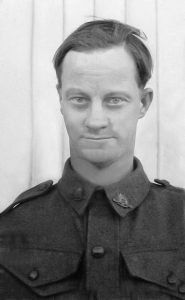
 WX7337 SPOONER, Alex b. 1910 Redhill, Surrey, England. Fought Singapore. Selected to work Thai-Burma Railway with 3,000 POWs ‘A’ Force Burma, Green Force No. 3 Btn. Worked Burma end railway more than 12 months. ‘Rakuyo’ Maru.             Perished 14 Sep 1944 aged 33.


WX15869 STRUTHOFF, Albert John b. 1914 Kojonup. Fought Singapore. Selected to work Thai-Burma Railway with 3,000 POWs ‘A’ Force Burma, Green Force No. 3 Btn. Worked Burma end railway more than 12 months.
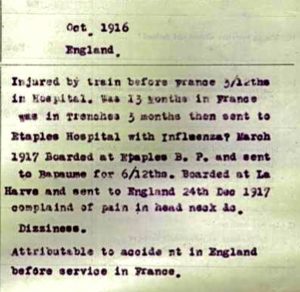
Travelled to Saigon with ‘Rakuyo’ Maru Party. Struthoff remained behind due to illness when POWs departed Saigon for Singapore.
Died 19 September 1944 Pneumonia Tan Son Nhut, French Indo-China.


WX6623 THOMAS, David William b. 1919 Perth. Fought Singapore. Selected to work Thai-Burma Railway with 3,000 POWs ‘A’ Force Burma, Green Force No. 3 Btn. Worked Burma end railway more than 12 months. ‘Rakuyo’ Maru.     Perished 12 Sep 1944 aged 23.
 WX7664 TOMS, Frederick William (Fred) b. 1904 Aldershot, England. Formerly Bonnie Rock. Fought Singapore. Wounded in action Buona Vista 15 Feb 1942. Admitted 2/13th Australian General Hospital with splinter wounds to back. Operated on same day. Discharged to Unit 18 Mar 1942.
Selected to work Thai-Burma Railway with 3,000 POWs ‘A’ Force Burma, Green Force No. 3 Btn. Worked Burma end railway more than 12 months. ‘Rakuyo’ Maru.  Perished 14 Sep 1944 aged 40.
WX17863 TRIGWELL, Vernon Chapman b. 1919 Donnybrook.  Member of Donnybrook 25th Light Horse Brigade Militia prior enlisting 2/4th 3 Dec 1941.  Reinforcement with  ‘C’ Coy Selected to work Thai-Burma Railway with 3,000 POWs ‘A’ Force  Burma, Green Force No. 3 Btn.  ‘Rakuyo’ Maru. Perished 14 Sep 1944 aged 24. Vern’s death two days after Rakuyo Maru was sunk by USS “Sea Lion” was confirmed by his Donnybrook mate Bert Wall WX12989 who was one of the survivors picked up by Imperial Japanese Navy – taken to Japan)
 
WX7484 TUCKER, William John b. 1906 Northam. Fought Singapore. Selected to work Thai-Burma Railway with 3,000 POWs ‘A’ Force Burma, Green Force No. 3 Btn. Worked Burma end railway more than 12 months. ‘Rakuyo’ Maru. Perished 12 Sep 1944 aged 38.
He was one of 9 children born to Robert Henry Tucker and Jennie Maxwell (Irvine).  The Tucker family resided around West Swan/Guildford.
Jack married in 1940.  He left his widow Susie and two step-daughters.
WX9292 VENEMORE, Norman James b. 1916 Cottesloe. Formerly Shackleton. Fought Singapore. Selected to work Thai-Burma Railway with 3,000 POWs ‘A’ Force Burma, Green Force No. 3 Btn. Worked Burma end railway more than 12 months. ‘Rakuyo’ Maru. Perished 15 Sep 1944 aged 28.
WX8776 WALSH, Leo Patrick b. 1907 Kalgoorlie. Fought Singapore. Selected to work Thai-Burma Railway with 3,000 POWs ‘A’ Force Burma, Green Force No. 3 Btn. Worked Burma end railway more than 12 months. ‘Rakuyo’ Maru.     Perished 12 Sep 1944 aged 36.


WX9829 WEBB, Frederick William ‘Spider’ b. 1921 Subiaco.   Fought Singapore. As a hairdresser he would regularly cut the hair of his Japanese guards – payment probably cigarettes.  Selected to work Thai-Burma Railway with 3,000 POWs ‘A’ Force Burma, Green Force No. 3 Btn departed Singapore May 1942 to sail south west coast Burma to  Victoria Point where POWs worked several months repairing and extending aerodrome. Worked Burma end railway more than 12 months. Was on ‘Rakuyo’ Maru. Perished 12 Sep 1944 aged 22 years.
Please read about ‘A’ Force Burma, Java Party No, 4 Black Force.
Please read about ‘A’ Force Burma, Green Force
Please read a survivor’s account of  sinking of ‘Rakuyo’ Maru – and his account of Tamarkan, Thailand to Saigon, then from Saigon back to Singapore.

Read all the stories of the ‘Rakuyo’ Maru

Cpl. William James Paterson WX9073

Read Peter Winstanley’s article on Corporal William James Paterson WX9073.

Located at Prisoners of War of the Japanese 1942-1945. This is a website containing many articles and videos from considerable research into the circumstances of many Prisoners of War of the Japanese written by Lt.Col. Peter Winstanley OAM (Retired) JP. His dedication and work is now recognized by The Australian War Memorial.

Honours and Awards

Several members of the 2/4th Machine Gun Battalion were honoured as a result of heroic behavior and or actions.

WX7852 Acting Corporal Henry Charles Fuhrmann DCM

On the 10 February A/Cpl H.C. Fuhrmann was in command of a group on the front line, The Japanese attacked several times during the day but each time were repulsed. During this action A/Cpl H.C. Fuhrmann behaved in an outstanding and energetic manner. He fearlessly moved around his posts, directing fire, encouraging the men and supervising the evacuation of the wounded. On the 12th February at Ulu Pandan A/Cpl H.C. Fuhrmann again showed outstanding leadership.

Date of Commonwealth of Australia Gazette: Distinguished Conduct Medal 12th September 1946

WX3435 Major Charles Edward Green MBE MID

Major Green was a POW in Japanese hands from Feb 1942 – Aug 1945 in Malaya, Burma and Siam. He was a camp commander for nearly the whole of this period. Such a task imposed on him a heavy and continuous mental and physical strain under difficult conditions brought about by brutal and uncivilized Japanese administration and included humiliation and continuous threat of personal violence. Under these conditions Major Green exhibited marked qualities of leadership, ability, initiative, energy, courage and devotion to duty. Throughout he maintained a determined opposition in endeavoring to modify and resist Japanese demands for sick and dying personnel to do heavy labour. Such work saved many lives.

Date of Commonwealth of Australia Gazette: Member of the Order of the British Empire 6th March 1947

Date of Commonwealth of Australia Gazette: Mentioned In Despatches 12th September 1946

WX9392 Lieutenant Milton Eric Wankey MC

On the 8th Feb 1942 the Northern end of Lim Chu Kang Road was subjected to very heavy artillery fire. Lt Wankey fired a gun with his No. 2 Pte Loller for some time until 2230 when both were wounded. Lt Wankey was severely wounded in the right knee but remained at his post until 0130 when he was ordered to withdraw. Lt Wankey’s devotion to duty, although severely wounded, was an outstanding example of courage, which imbued his men with the determination to hold this key position and so deny the enemy an important bridgehead for a period of four hours.

Date of Commonwealth of Australia Gazette: Military Cross 12th September 1946

WX16886 Private Arthur Melville Magill MM

Pte Magill was leading a patrol at Bulim Village when he encountered an enemy patrol, he immediately engaged and killed five of the enemy. He led his section most gallantly and was wounded in the neck and under the armpit. Later, even though wounded, he was able to lead his section in fighting their way out of an ambush showing splendid powers of leadership. His comrades spoke very highly of his leadership, and his behavior throughout the action, despite his wounds, was an outstanding example of courage and devotion to duty,

Date of Commonwealth of Australia Gazette: Military Medal 12th September 1946

WX15743 Private Robert William Ritchie BEM MID

Pte Ritchie was a Medical Orderley attached to Capt. C.L.Anderson for all of his POW days . During the whole of this period he displayed outstanding devotion to duty. He worked unceasingly and never spared himself, his personal care and interest was the means of saving many men’s lives. When cholera broke out at 105 Kilo Camp he immediately volunteered to work in the isolation ward. He, at all times, set an example of high courage and his quiet determination and absolute reliability was an inspiration to all ranks.

Date of Commonwealth of Australia Gazette: British Empire Medal 6th March 1947

During heavy artillery bombardment on 15th Feb 1942, he showed outstanding courage and absolute fearlessness by his care and attention to the wounded.

Date of Commonwealth of Australia Gazette: Mentioned In Despatches 12th September 1946

WX9336 Sergeant John Gorringe BEM

As a member of ‘F’ Force that marched for 190 miles in Thailand Sgt Gorringe acted as CSM and his conduct and behavior was an inspirpation to all ranks. He never spared himself and his handling and care of tired, dispirited and sick men was worthy of the highest commendation. His devotion to duty and the personal interest and care he took of the 200 cases of men with tropical ulcers he was later in charge of ws outstanding. He was cheerful under most difficult and trying conditions and his example and firmness was the means of maintasining discipline and morale.

Date of Commonwealth of Australia Gazette: British Empire Medal 6th March 1947

WX3464 Captain Claude Anderson A.A.M.C. MID

Capt. Anderson was the M.O. attached to the 2/4th M.G.Bn. During action on Singapore Island he was outstanding in his tireless devotion to duty. He worked unceasingly and with absolute disregard for his personal safety. In his action he showed great courage, and it was a typical example of his bearing under fire and his complete disregard for personal danger.

Date of Commonwealth of Australia Gazette: Mentioned in Despatches 6th March 1947

WX3376 Lieutenant-Colonel Michael Joseph Anketell MID

In recognition of gallant and distinguished service in Malaya 1942

Date of Commonwealth of Australia Gazette: Mentioned in Despatches 12th September 1946

WX3451 Major Colin Cameron MID

In recognition of services rendered whilst a POW in Japanese hands.

Date of Commonwealth of Australia Gazette: Mentioned in Despatches 6th March 1946

WX8617 Corporal James John Dore MID

In recognition of services rendered whilst a POW in Japanese hands.

Date of Commonwealth of Australia Gazette: Mentioned in Despatches 6th March 1947

WX7777 Corporal Arthur Montague Draper MID

In recognition of services rendered whilst a POW in Japanese hands.

Date of Commonwealth of Australia Gazette: Mentioned in Despatches 6th March 1947

WX3450 Captain George Whittindale Gwynne MID

In recognition of services rendered whilst a POW in Japanese hands.

Date of Commonwealth of Australia Gazette: Mentioned in Despatches 6th March 1947

WX8377 Sergeant Kenneth Thomas MacLennan MID

On the 12th Feb 1942 Sgt Thomas’ commander was killed Sgt Thomas took command and showed outstanding ability and energy. He was wounded but remained on duty. He set an exceptionally high example of courage and was absolutely fearless.

Date of Commonwealth of Australia Gazette: Mentioned in Despatches 12th September 1946

WX8611 Sergeant Laurence James McGrath MID

This man serving as a member of the 43rd Landing Craft Coy went into the flames of a burning barge following an explosion to rescue an unconscious soldier.

Date of Commonwealth of Australia Gazette: Mentioned in Despatches 21st February 1946

Members of 2/4th nominated for Medal but not awarded

RAKYO-MARU-Survivors

Members of the 2/4th Machine Gun Battalion who received nominations for the British Empire Medal, not awarded.

WX12765 Pte. Philip James Beilby, WX7409 Pte. Thomas Anthony Pascoe, WX9223 Pte. Harold Thomas Bunker, WX9055 Pte. Harry Pickett, WX16369 Pte. Alfred John Cocking,           WX16424 Pte. Alfred Sing, WX7123 L/Sgt. Robert Douglas Hampson, WX 8110 Pte. Alfred Daly Winter, WX17452 Pte. Laurence Daniel Kearney, WX10373 Pte. Walter Victor Winter, WX7268 Pte. Frederick Victor Cross

THE ABOVE SOLDIER, was a member of the party of Ps.O.W. which embarked in a Japanese ship at Singapore on 4th Sept 1944 for transfer to Japan. The ship that they were in was torpedoed at 0530 hrs on 12th Sept 1944. The Japanese panicked and without showing the slightest interest in the Ps.O.W. deserted the ship in the lifeboats. The Ps.O.W. showing amazing control and discipline threw all rafts and wooden articles, which would float overboard and then progressively made an orderly evacuation of the ship. Depth charges were dropped by the escorting Japanese destroyer affecting many men struggling in the sea. The Japanese then proceeded to rescue their own nationals and when this had been done waved derisively to the Ps.O.W. who showed magnificent spirit by singing ‘Rule Britannia’. THE ABOVE SOLDIER spent four to five nightmare days on the raft with his comrades. After years of exhausting work on the Burma Railway, in an emaciated state from the conditions under which they had existed on the Japanese transport, covered with filthy oil, without clothing and exposed to the elements for four days and nights without a scrap of food or a drop of water, these men displayed dauntless courage and amazing endurance. It was the outstanding and intrepid spirit of THE ABOVE SOLDIER and his comrades that enabled them to survive this terrifying ordeal, until rescued by a U.S. submarine. As a result their tenacity and courage they were the means of conveying to Australia the condition of the Ps.O.W. in Japanese hands thereby rendering a very great service.

 Rakyo Maru rescue

Recommended by: Major C.E.Green C.O. 2/4 M. G..Bn.

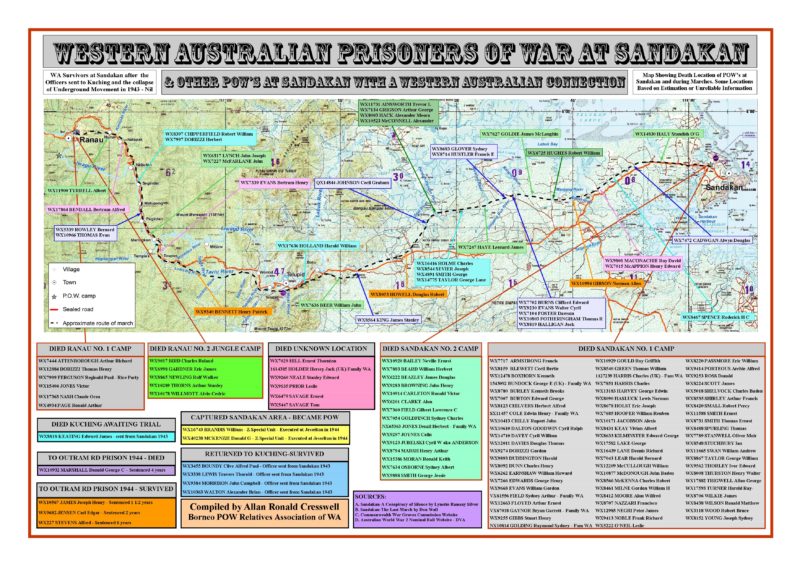
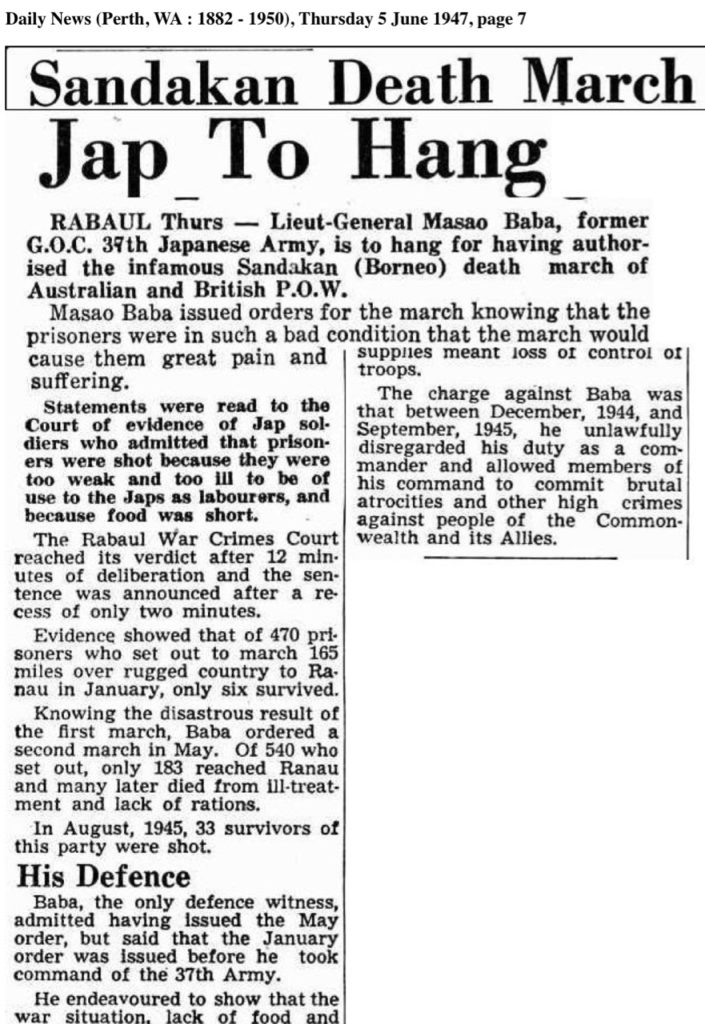
SANDAKAN MARCHES – AN OVERVIEW

Of 141 Western Australian’s who perished in Borneo, 71 were members of  2/4th Machine Gun Battalion, including NX73279 Cecil William Newman who was taken on Strength at Sydney on 9 January 1942.
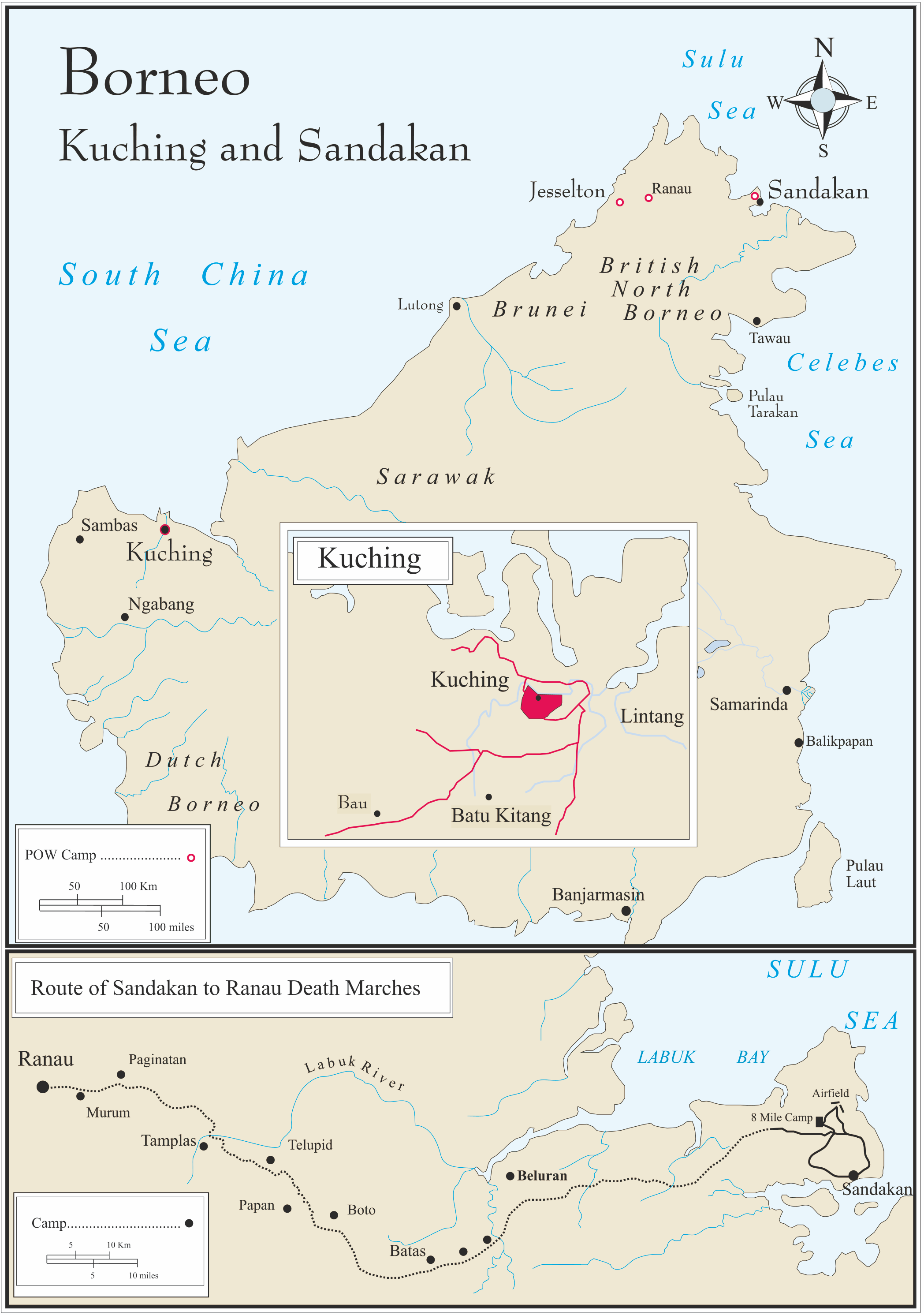
In 1942 and 1943, Australian and British POWs who had been captured at Battle of Singapore 8-15th February 1942 were shipped to North Borneo to construct a military airstrip and prisoner-of-war camps at Sandakan, North Borneo (Sabah). As on  Burma Railway the prisoners were forced to work at gunpoint, and were often beaten whilst also receiving very little food or medical attention. In August 1943, with the intention of controlling the enlisted men by removing any commanders, most officer prisoners were moved from Sandakan to Batu Lintang camp at Kuching. Conditions for the remaining prisoners deteriorated sharply following the officers’ removal. Any rations given were further reduced, and sick prisoners were also forced to work on the airstrip. After construction was completed the prisoners initially remained at the camp. At the end of December 1944, with only 1,900 prisoners still alive, the advancing Allies managed to successfully bomb and destroy the airfield. It was at this time with Allied landings anticipated, that camp commandant Captain Hoshijima Susumu decided to move the remaining prisoners westward into the mountains to the town of Ranau, a distance of approximately 260 kilometres (160 mi). He claimed that this was an order of Lt Gen Baba Masao, commanding officer of 37th Japanese Army.
The former military airstrip is now known as Sandakan Airport, which serves Sandakan town.
The first marches – The first phase of marches across wide marshland, dense jungle, and then up the eastern slope of Mount Kinabalu occurred between January and March 1945. The Japanese had selected 455 prisoners who were thought to be fit enough to carry baggage and supplies for the accompanying Japanese battalions relocating to the western coast. In several groups the POWs, all of whom were either malnourished or suffering serious illness, started the journey originally under the intention of reaching Jesselton (Kota Kinabalu). Although the route took nine days, they were given enough rations for only four days. As on the Bataan Death March, any POWs who were not fit enough or collapsed from exhaustion were either killed or left to die en route. Upon reaching Ranau, the survivors were ordered to construct a temporary camp. As one historian later commented: “Those who survived… were herded into insanitary and crowded huts to then die from dysentery. By 26 June, only five Australians and one British soldier were still alive.


THE SECOND MARCH

The new Sandakan camp commander, Captain Takakuwa Takuo, ordered prisoners towards Ranau in groups of about fifty with accompanying Japanese guards. This second series of marches began on 29 May 1945 with approximately 536 prisoners.  As with the First March, the Japanese deliberately delayed the groups’ departure times providing sufficient time so there could be no possibility of two groups collaborating together.   The march lasted for twenty-six days, with prisoners even less fit than those in the first marches, POWs were provided fewer rations and were forced to forage for food.
Compound No. 1 of the Sandakan camp was destroyed in an attempt to erase any evidence of its existence. Only 183 prisoners managed to reach Ranau. Upon their arrival on 24 June 1945, participants of the second marches discovered that only six prisoners from the first series of marches during January were still alive.
THE FINAL MARCH
Approximately 250 men were left at Sandakan after the second march departed. Most prisoners were so ill that the Japanese initially intended to let them starve to death forcing many to scavenge in the surrounding forest for food. However, on 9 June 1945 it was decided to send another group of 75 men on a final march. The remaining men were so weak that none survived beyond 50 kilometres (31 mi). As each man collapsed from exhaustion, he was shot (or otherwise murdered)  by a Japanese guard or guards.  All remaining prisoners left at Sandakan who could not walk  were either killed or died from a combination of starvation and sickness before the Japanese surrender on 15 August 1945.
(However it was not just POWs who suffered and died on the Marches – large numbers of Japanese soldiers also died of illness/starvation with some even turning to cannibalism in order to preserve their fighting effectiveness.)
The local population endured terrible starvation as the Japanese depleted their crops and supplies.  Punishment was brutal and usually death slow to terrify the population.  They were terrified of Japanese patrols and were unable to assist POWs.
Due to a combination of a lack of food and brutal treatment at the hands of the Japanese, there were only 38 prisoners left alive at Ranau by the end of July. All were too unwell and weak to do any work, and it was ordered that any remaining survivors should be shot. They were killed by the guards during August, possibly up to 12 days after the end of the war on 14 August. Furthermore, it has been estimated that 16% of the population of Sabah were killed during the three years of Japanese occupation, a reflection of the sheer brutality.
In total, only six Australian servicemen managed to escape. During the second marches, Gunner Owen Campbell and Bombardier Richard Braithwaite managed to escape into the jungle, where they were assisted by locals and eventually rescued by Allied units. During July, 1945 Private Nelson Short, Warrant Officer William Sticpewich, Private Keith Botterill and Lance Bombardier William Moxham managed to escape from Ranau and were also helped by the local people, who fed them and hid them from the Japanese until the end of the war. Of the six survivors, only four (Sticpewich, Botterill, Short, & Campbell) survived the lingering effects of their ordeal to give evidence at various war crimes trials in both Tokyo and Rabaul. The world was able to receive eyewitness accounts of the crimes and atrocities committed – unfortunately for the families of the soldiers, they were denied the truth and knowledge of their deaths.  The Australian Government (and the British Government) decided the truth was too terrible and an official code of silence prevented even the media who attended the war trials to report on events.
1787 Total Number of Australians on Nominal Roll
  641 Total Number British on Nominal Roll
      6 Number who Survived
1381 Total number of POWs who died Sandakan
1047  Total number who died on Marches
It would be several decades before the World learnt of the terrible atrocities committed by the Japanese at  Sandakan – Ranau.
The inability to learn what happened to their sons, brothers, husbands caused more pain for the families.  Distressed families in particular fathers, went to their own graves never knowing details of where their loved one died, let alone how.
Captain Hoshijima was found guilty of war crimes and hanged on 6 April 1946. Capt Takakuwa and his second-in-charge, Capt Watanabe Genzo, were found guilty of causing the murders and massacres of prisoners-of-war and were hanged and shot on 6 April 1946 and 16 March 1946 respectively.
Above was Compiled by Allan Creswell, Borneo POW Relatives Assoc of WA.  
Additional information has also been included by 2/4th MGB.

Sandakan10final-1

Following map created by Murray Ewen

borneo200

Reflect on the men from Western Australia who perished in Borneo.


Please read 2025 Anzac Day Sandakan

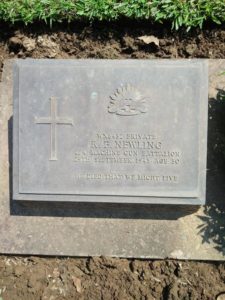
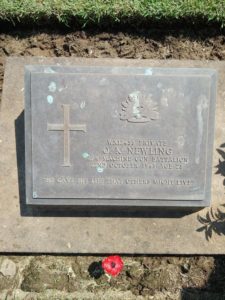
Three Newling Brothers – who never returned home

EPSON MFP image
Three Newling Brothers


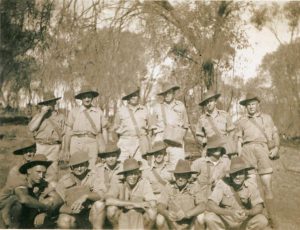
Back row L-R E. Preedy, J. Heffernan, J. Holt, Bluey Smith, Lin Powell, R Kelt, 2nd row – Tom Firns, H. Elkins,Scotty McEwan, Front row – Darkie Rennie, Unknown, R Newling, J. Quinn, Barney Doolan


Rolf Walker Newling was born June 1911 and the eldest of the three brothers to join the 2/4th.    Second brother Rexford Frank (Rex) Newling born in April 1913 was in fact the first to enlist on 8th October 1940 with Rolf enlisting a few weeks later on the 25th October 1940.
Oswald Kitchener (known as Kitch) Newling born in June 1915 was the youngest of the brothers.  His occupation is recorded as boat repairer.  Oswald enlisted 27th October 1941.
On 8th July 1942, Rolf Newling  with ‘B’ Force departed Changi (the first of the Newling Brothers to leave Singapore) under the command of Lt-Col A.W. Walsh of 2/10th Field Regiment, AIF.  They boarded the ship ‘Ume Maru’ heading for British North Borneo.  This force comprised 1,494 Australians of which 145 were officers.
Rolf Newling managed the survive 3 years of hell at Sandakan before heading off on the  Sandakan-Ranau Death March.  He died at Ranau on 13th June 1945 aged 33 years.  Rolf  left behind a daughter Joan and a son Gordon. He married Eileen Alice McComish about 1934.  Eileen died 1986 aged 74 years.

Please read about his body being identified in 2000

Please read further about ‘B’ Force Borneo

Following capitulation Kitch and Rex, both with Headquarters Company were accommodated at Selarang Camp and Barrack before departing for the Burma-Thai Railway 17th March 1943.  Trucks moved ‘D’ Force V Battalion from Selarang Barracks to Singapore Railway Station where they entrained through Malaya for four days to Thailand.  They arrived at Kinsaiyok Camp on 31st March 1943.  Located on the bank of River Kwae Noi the accommodation was described as ‘not too bad’.  The first job was to cut a track through the jungle ahead of the rail laying gangs and excavation of a long cutting.  Seven men died during the 32-day stay.
Their next camp was Brankassi.  It was judged to being worse than Kinsaiyok with mud contributing to the discomfort.  Tents were old and threadbare, water would enter during heavy rain and their bamboo slat beds were about 2 feet from the ground.  27 men died at this camp including 5 machine gunners.  It was here that a Japanese Engineer Corporal given the name ‘Black Cat’ took great delight in beating and terrorising the POWs.
On 10th July 1943 the men moved to Hindaine where conditions were much the same.  Mud, little food and men dying every day without medical supplies.   On 10th August 40 of the heavy sick were evacuated.  28 men died at this camp including several machine gunners.
They travelled by barge from Hindaine to Kuii camp on 31st August.  Work commenced immediately with every available man and continued through until 17 December 1943.  It was here the men were accommodated with 1700 Dutch POWs
A total of 52 men died at Kuii.  Included were 16 machine gunners as well as Rex and Kitch Newling.  In the appalling conditions and of the original 500 men, 200 had died by December 1943 and another 20 died by the end of March.

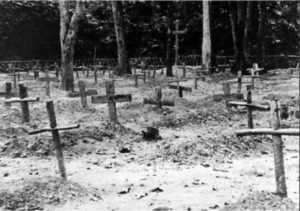
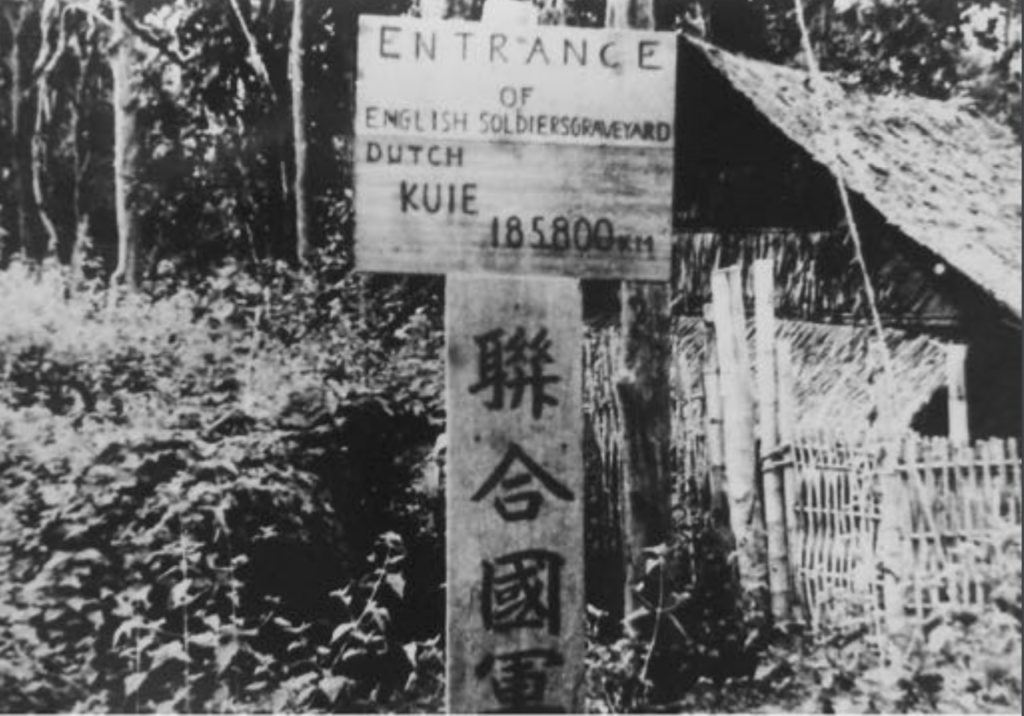
Below:  Kuii Camp Cemetery in 1945

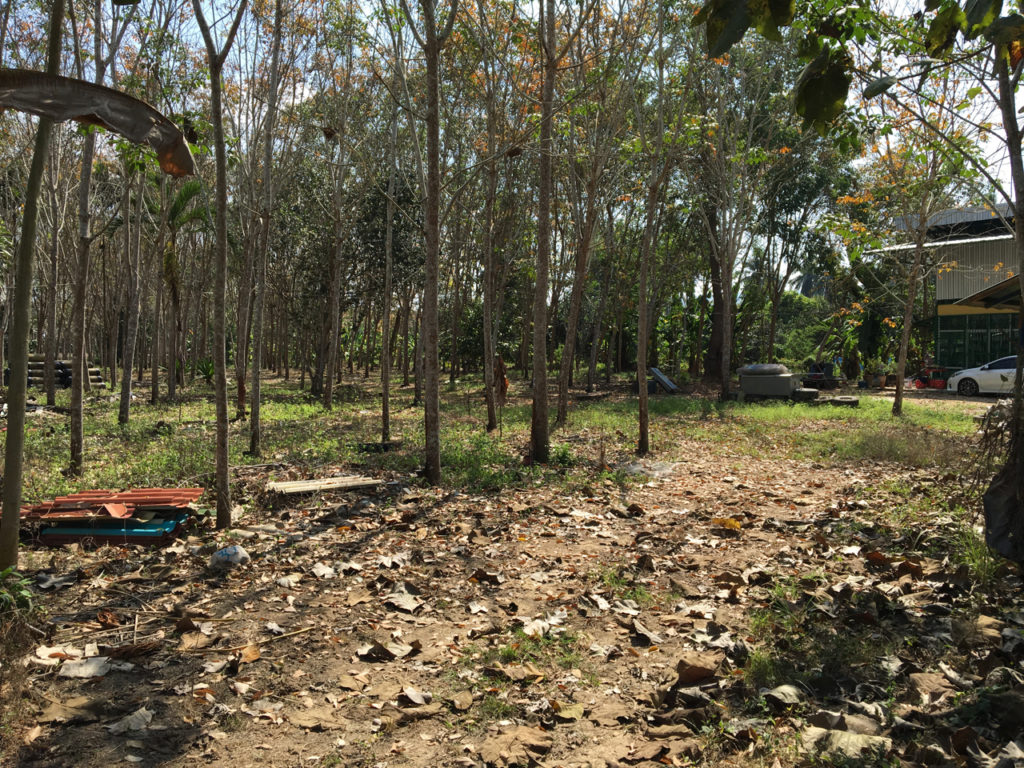
Site of Kuii Camp today.


Please read further about this work party who suffered extremely high number of deaths on Burma-Thai Railway
Rex Newling aged 30 years, was the first to die on 29 September 1943   Kitch aged 28 years died 4 weeks later on 22 October 1943.  They both died of malaria.  Kuii Camp was without any medicines and little food.
After the war their bodies were interred and buried at Kanchanaburi War Cemetery.


Kitch Newling married about 1935 to Kathleen Mary Williams.  The couple had one son Malcolm Kitchener born 1941.  Malcolm died in 1980 aged 39 years.
Rex Newling married about 1941 to Doris Jones. Doris Newling resided at Gin Gin.
Their parents William John Newling married Lillian Mary Walker (known as Queenie) 1905 at West Leederville.
Their first born child was son John Gordon (sometimes known as Jack) Newling in 1906.  He married Eileen Johnson about 1929.

Below:

Above, Jack Newling worked in the fire department and was stationed in Perth when he died on 22 June 1946 following a motor cycle accident two weeks earlier   He was father to four children:  John, Jan, Colin and  Terry.


Catherine Newling born 1908 was the only daughter.
Rolf Newling born in 1911.
Red Newling born 1913
Kitch Newling born 1915.


Below:  William John (Jack) Newling

William John Newling

Below:  Lillian Mary ‘Queenie’ Newling (nee Walker)


Their father, William John Newling died 2 Nov 1943 at Wembley aged 63 years.  His wife Queenie died Nov 1966 aged 80 years – her husband and four sons had predeceased her.


William John Newling enlisted WW1 28 Sep 1915, Service No. 5536 joined 2nd reinforcements 13th Field Company Engineers.  He embarked overseas leaving his wife Queenie with five children to care for.  He served in France and spent time hospitalised ill.  He returned to WA aged 36 years and discharged 15 Feb 1918 and awarded a medical pension.
13th Field Coy Engineers, 13th Brigade, 4th Division, AIF.


During WW 1 the Engineers undertook a raft of tasks broadly divided into mobility, counter mobility and construction as well as survey and mapping, and specialised tunnelling and mining operations.  The Field Companies’ scope of works concentrated on the former rather than the latter.
They undertook a broad range of tasks including preparation and supervision of the construction of defensive and gun positions, excavation of trenches and dugouts, erection of wire and other obstacles, preparation of command posts, signalling and water supply, field engineering, road and bridge construction and route maintenance.  They also undertook obstacle breaching and crossing.  For example in the lead up to the attack at Mont St Quentin the Engineers were required to carry out two river crossing / bridging operations.
Engineers also had responsibility for signalling although this function  became more specialised as the war progressed, eventually leading to the creation of a separate Signals Corps.’   …………We would like to acknowledge and thank Virtual Memorial for the above information.’

Most of the fighting was concentrated around Bapaune and Bullecourt – 1917 was the worst year of WW1 with terrible loss of lives.


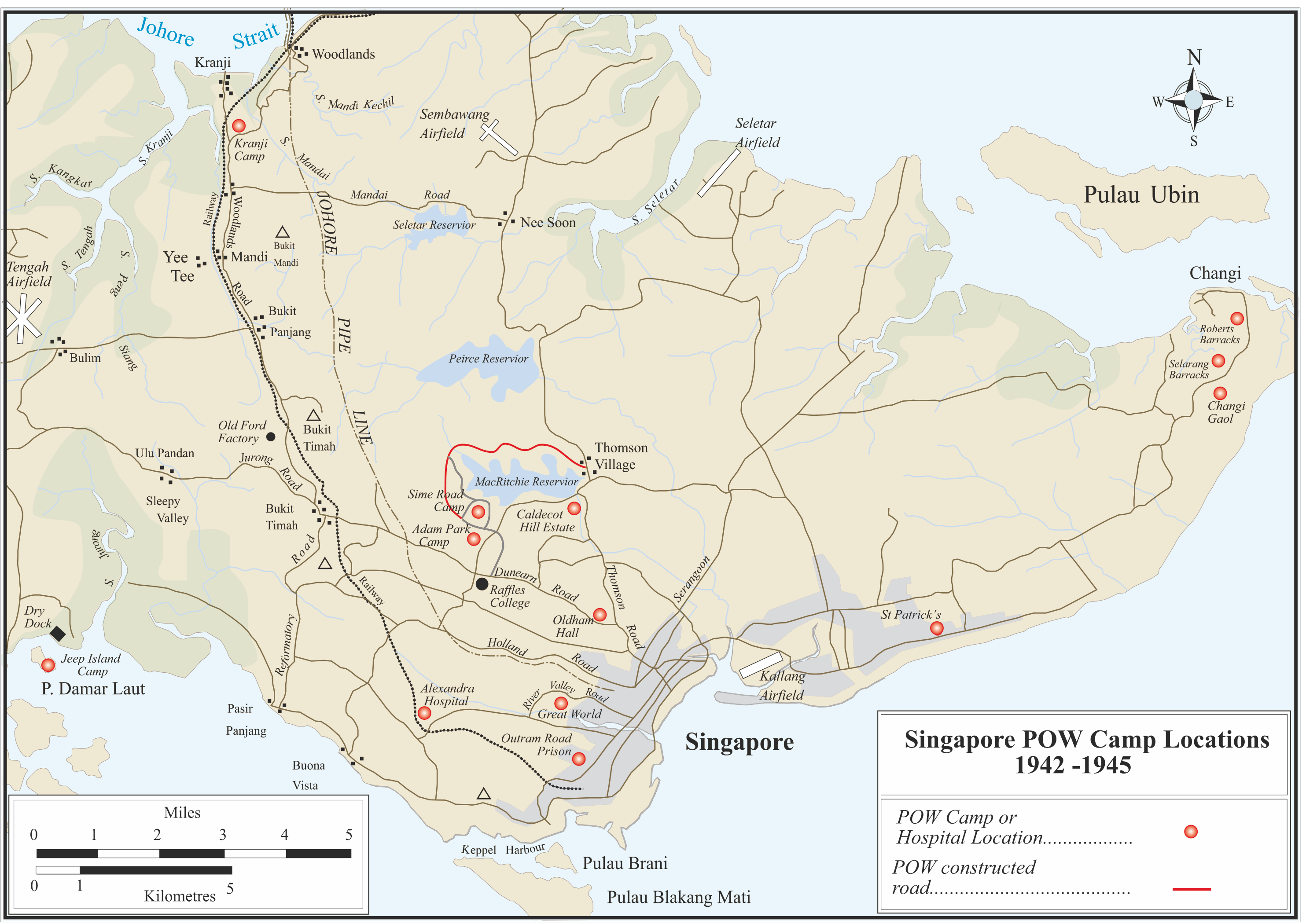
The Singapore POW Camps

2/4th 1942-1945

map2nd4th1942-1945 (1)
2/4th POW Camp Locations 1942-1945

Singapore Camps

Following the capitulation of Singapore those men of the 8th Division that were able to walk, were marched the 17 miles to Selarang Barracks Changi. This Barracks was situated on the north-eastern tip of Singapore on the Changi Peninsula.

At first the Japanese were reasonably lax with their treatment of their new wards and preferred, in the AIF’s case, for the Austalian’s to be autonomous and operate under their own administration. It wasn’t until August that the Japanese began to organize Changi as a POW Camp proper.

The 2/4th Machine Gun battalion arrived at Roberts Artillery Barracks at 0300 hours on the 18th February 1942. Later that day they were billeted out in three bungalows attached to Selarang. There were approximately 192 men from HQ’s Coy 2/4th in house No.38 under command of Capt. “Bob” Phelps, 255 men from ‘A’ and ‘B’ Coy’s in house No.35 under Capt. Tom Bunning and 235 men from ‘C’ and ‘D’ Companies in house No. 34 under the command of the newly appointed Major Colin Cameron.

There doesn’t appear to have been too many complaints at this stage of captivity and as the working parties, the likes of Adam Park group moved out, more space became available. By the time ‘A’ Force moved out all remaining 2/4th had been concentrated in house No. 35.

singpow300

Singapore Camp Locations

On 4th April 1942 2800 men of the AIF moved out of Selarang Barracks Changi to Bukit Timah area a vicinity of the MacRitchie Reservoir. The 2/4th had been ordered to supply 300 men for the occasion, under the command of Major Alf Cough. There were five sub-camps in this area being Adam Park, Sime Road, Thompson Road (Caldecot Hill Estate, Mount Pleasant Estate and Lornie Road. Three of the camps were former housing estates and the other two were atap style native hutted camps.

Corporal Stan Currie led a party of twenty-seven men from the 2/4th to River Valley Road Camp on 30th October 1942. River Valley Road would later become one of several transit camps where men who had returned to Singapore would mark time whilst they waited for available shipping before being forwarded to Japan and Saigon. Havelock Road Camp was another camp close by separated from River Valley Camp by a footbridge. There were fifty-nine members from the 2/4th at Havelock Road who would, like the rest of the work parties around Singapore , return to Selarang Barracks in December 1942.

Major Bert Saggers took a party of 278 AIF to Serangoon Road Camp on 25th May 1942. This camp had been an internment camp for the Chinese and consisted of atap huts even less palatial than the Sime Road Camp. This group shared their accommodation with a number of British Prisoners of War employed at the Ford Motor Works.

Pte. Tom Wayman WX7502

My father (Bill Ewen) had recalled that Tom had always been anti-Japanese. If he’d worked with Tom loading or unloading a Japanese ship on the wharf he would toss overboard anything that wasn’t nailed down.

Tom had been raised on a market garden property in the Spearwood area. His father left when he was 16 and left him and his brother to fend for his three year old sister (a cripple) and his mother. Tom worked in the Goldfields with his brother where he learnt mining.
Prior to enlistment he was a bus driver for the Metro buses in Fremantle. On enlistment he was married with 2 daughters, he allotted his entire pay to his wife except for 2 shillings per week, which was the minimum the army would allow him to draw from his pay book.
Tom recalls ‘at Darwin’ (Red Robbie) Western Area Commander came to Darwin to inform 2/4 MG that they were going to Singapore. (End of December 1941) Lt. Col. Anketell told R.S.M. to keep men on parade after he had left. He thus informed the Battalion that he was not happy with the decision but would take them to Singapore. Anketell believed they’d only need a taxi to take the survivors who returned to Australia for their reunion.
As they boarded ‘Westralia’ & ‘Marella’, three Japanese aircraft flew over and dropped bombs – obviously causing no damage, they sailed that night, under darkness for Port Morersby.
Sitting high in the water was the ‘Aquitania’ awaiting the arrival of 2/4th. The ‘Westralia’ and ‘Marella’ drew along either side of the ‘Aquatania’ and the mens’ equipment was loaded in through hatches in the side.
Apparently three Japanese aircraft flew over again so ‘Aquitania’ set sail so as not to be caught by more Japanese aircraft. As a consequence much of the mens’ kit was left on the two smaller ships so many of the men made the voyage in what they were standing in.
Tom doesn’t believe Western Australians were made very welcome in Sydney, especially around Kings Cross.
On arrival at Fremantle the gangway was lowered and Anketell who had been summoned to Western Australian HQ was first off the ship.
Many men went over the side as we know. Tom arrived back on the wharf at 8am by which time the damage had been done.
The MPs rounded up the stragglers, put them in trucks and sent them to Fremantle Jail. They entered prison by way of the side or back door. Tom believes the latecomers could have been taken out to the Aquitania because the 2/4th reinforcements from Northam were waiting on the wharf to be ferried out to the ship. Yet the AWOLs were taken to the lock-up.
Eventually they ended up at Karrakata and then secretly boarded the ‘Duntroon’ bound for Singapore or so they thought. They ended up in Java disembarking at Batavia. Seems there was a bit of confusion as no one knew what to do with the men. Tom never mentioned the other Australian units which fought on Java.
He says there was a series of strategic moves, i.e. retreats and that no major confrontations took place, only Australians sniping at the Japs. He was put in charge of a Bren Carrier (Driver) which was leading a convoy of lorries.
This night they were driving, lights out, on a sealed road, when his Bren Carrier ended up in a bomb crater and turned over on its side. After the Java Island fell to the Japs he and two or three others (including Bluey Walsh ) wandered about for four days near South Coast. Their only food was some chocolate and a few cans of Bully Beef.
After hostilities, vehicles were lined up convoy fashion, all were left running with chokes on. The radiators were holed as were the sumps with steel bars. After about ten minutes the engines would seize up, making them unusable to Japs.
The men came across a track which ran up to a road. They walked along and came across a tea plantation. Tom said much of Java was paddy fields, tea and rubber plantations.
They heard some vehicles and stopped them when they saw they were Poms. What they didn’t know was the Poms were collecting stragglers for the Japs. They drove into a Dutch Army camp on the Southern side of Java which was now a POW camp.
From now on he worked on Docks at Batavia, worked on vehicles and cut grass on ovals. He wasn’t on Java long when he was sent by ship to Changi (‘D’ Force Thailand, Java Party No. 6, P Battalion).  He then travelled by train to Siam and worked with ‘F’ force. Initially he did surveys of line with the Japs and kept finding indications of earlier surveys done by British Circa 1920? (survey pegs).
On the line he was a powder monkey and laid charges for the blasting rock. At one point he could hear the sound of men working further North on the line but was never allowed to come in contact with them.
Japs insisted they bore a 1 metre hole and fill the lot with dynamite. The result being a skyrocket of dynamite with little or no effect. The method being to bore the hole, place the charge and compact with dirt and stone so – blast would have maximum effect. Many Jap guards had V.D. caught from comfort girls who travelled up and down the line. Officers first then N.C.Os and finally the enlisted men. They, of course, wanted the best of the allied doctors to cure them. Apparently one of Dunlop’s jobs.
When reaching the end of the line, the men were examined for dysentery by taking a specimen of faeces. This was done with a wooden stick. Tom lined up for his chance at being examined. Not being too impressed with the examination, he kept slipping further and further back down the queue. When his turn came the wooden sticks had run out and Tom was lucky enough to be put on the receiving end of a not very well aimed length of wire, which resulted in a shout of joy from Tom and he was sent in the opposite direction several yards before his feet touched the ground again. It seems the Japs were worried about dystentery because of poor sewerage conditions in Japan. Having passed the jab test he was loaded onto the ‘Byoki Maru’ and set sail for the land of the Rising Sun.

Please read further about ‘Byoki’ Maru

Docking at Japan, he travelled South to the island of Kyushi and was set to work in a mine rich in copper, situated to the south of Nagasaki. (The mines were Yamane and Niihama)
Tom worked in the mine on pipe repair (which were cast iron and corroded through) and pump repair on 12 hour shifts. They were paid one cigarette per day by the mine company. The Jap guard would roll and empty the tube of its tobacco so that all that was left was the paper.
At the end of the war, the Yanks fumigated them and sent them by ship to Manila where they stayed for three months being fattened up. They lived in army tents, had 24hr food, doctors and nurses on call.
When the time came to leave, Tom flew to Darwin on a heavily laden Catalina PBY-5 flying boat. Whilst in Darwin he was called up one at an open air theatre and told to get on board a B29 Bomber which was headed for Perth with stretcher cases. The plane named ‘Waltzing Matilda’ took off at midnight and arrived at 7am at Guildford where the men were ‘put on display for the general public.’
It was now early 1946.

(We have included details – Historians 2/4th)

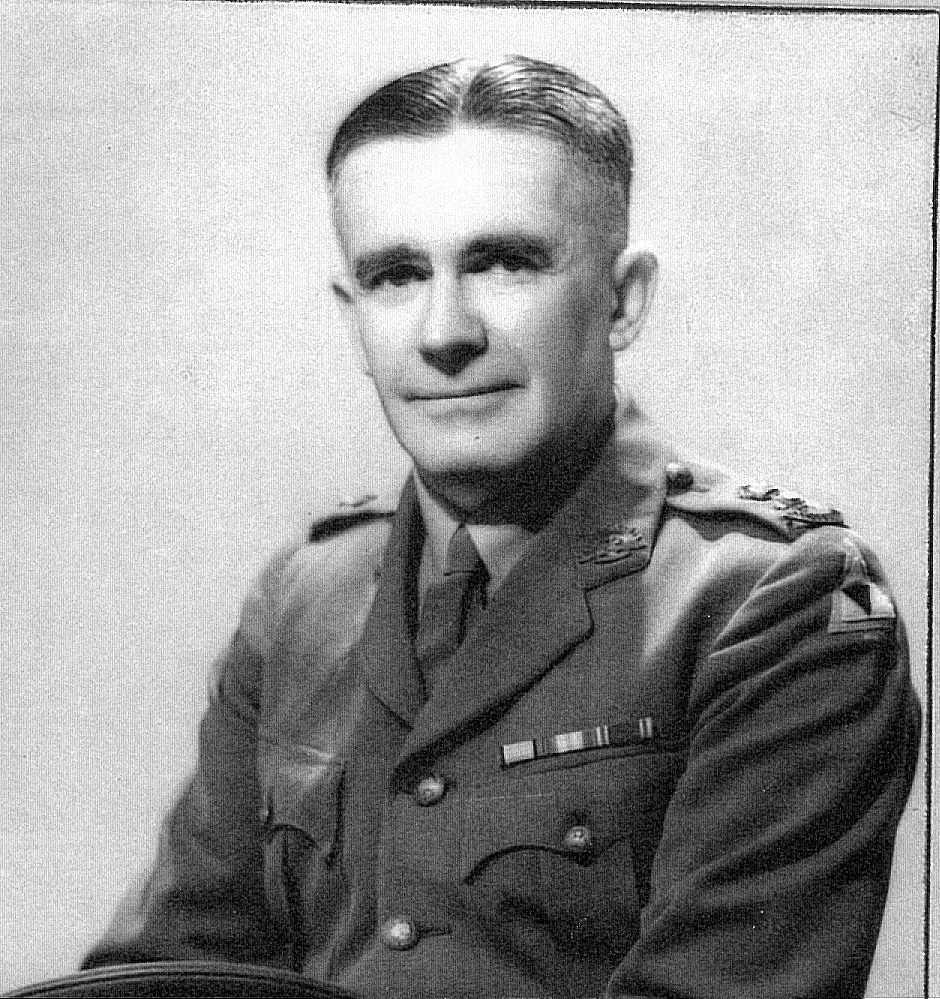
Anketell, Michael Joseph, Lieutenant-Colonel , Commanding Officer, 2/4th Machine Gun Battalion

Anketell Michael J

LIEUTENANT-COLONEL MICHAEL JOSEPH ANKETELL
COMMANDING OFFICER, 2/4TH MACHINE GUN BATTALION
10.10.1890-13.2.1942
On 7th November 1940 it was announced by the Minister for the Army, Francis Forde that Lt-Col M.J. Anketell was to form and train the 2/4th Machine Gun Battalion. It was obvious from the outset that Lt-Col Anketell would leave his own indelible stamp upon this WA raised Battalion.
Towards end of November 1940 an advance party of 12 officers and 12 NCO’s from 2/4th Machine Gun Battalion marched in to No. 2 Camp at Northam. Two days later they were joined by 394 other ranks. Another 262 men arrived on 4 December 1940.
The Commanding Officer, Lt-Colonel Michael Joseph Anketell was aged 50 years.   His military pursuits began 3 March 1926, when aged 25 years he volunteered with the A.I.F. He departed Australia for overseas service on 20 January 1917 with 7th reinforcements for the 44th Battalion.
By January 1918, 22 months following his enlistment, Anketell had risen to the rank of Lieutenant.
On his return to Australia in 1919, Michael Anketell joined the Australian Military (Militia) where he eventually rose to the rank of Lt-Col. He was appointed to command the 28th Battalion in February 1937.
In addition to his military pursuits, Anketell had always been a very keen and dedicated sportsman and competitor. He was a founding member of the YMCA in Western Australia. In 1913 he travelled interstate to compete in team gymnastics. He took out the highest individual aggregate.
In 1929 Michael Anketell again in gymnastics won the Senior Grade Paterson Cup. As well, he played ‘A’ Grade Football, in the WAFL, ‘A’ Grade cricket and was a keen yachtsman.
His obsession with physical fitness was the cause of many a tired muscle and footsore machine gunner after some of his marathon battalion training marches.
The men said of ‘Mick’ Anketell, their Commanding Officer
“he trained very, very hard himself and never asked anybody to do something he wouldn’t do himself. Before we went on leave, we would have to do an 18-mile route march and he was great on that”.
“Anketell wanted men who were pretty active and did not pick men who he thought were a bit too old.   If men were interested in sport he grabbed them. We had a crackerjack football team which won the competition in Adelaide.”
Whilst at Northam, the unit formed a cricket team to participate in the local competition.
Anketell also sought men with musical experience for a bugle and drum band.
The unit also adopted a fine-looking kelpie type dog named ‘Gunner’.
Anketell trained the men pretty hard at Northam. Digging trenches, climbing slopes, crossing the Avon River with our packs (without getting wet). There was no evading training and tasks. There was always next week. The Battalion looked up to him and were nicknamed ‘Anketell’s mountain goats.’
On 4th March the battalion headed up by Lieutenant-Colonel Mick Anketell began a 4-day march from Northam to Perth. From Perth the men headed for a bitter winter based at Woodside in the Adelaide Hills. ‘Anketell’s mountain goats’ were further toughened with exercises on Mount Lofty’s steep slopes.
In October the 8th Division were deployed ‘up north’. Along with the 23rd Brigade the 2/4th Machine Gunners headed by train to Alice Springs. Here they were transferred by truck convoy to Darwin. The 8th Division’s other two brigades were in Malaya and Singapore.
Based at Winellie the 2/4th were allocated a large defensive zone of beaches, swamps and creeks between Nightcliffe, Lee Point and Shoal Bay. The wet season caused flooding in the camp. There was an outbreak of dengue fever and a raised danger of crocodile attacks; ‘Gunner’ was a victim of such an attack.
Under Anketell, the men continuing their training including machine gun-firing exercises.
On the morning of 7th December 1941, Pearl Harbour was attacked by Japan. At the same time Japan attacked Thailand, Philippines, Guam, Hong Kong and Malaya. Japan’s advance soon began towards Singapore.
On 8th December 1941, Prime Minister John Curtin announced that Australia was at war with Japan.
The original plan to sail from Darwin to Singapore via Port Moresby was changed after Japan attacked Rabaul. The 2/4th headed out of Darwin south to Sydney. The men became sure they were now going to Singapore and thrilled about it.
On the 24 January 1942 the Battalion landed at Singapore with 942 men of all ranks disembarked alongside 1907 untrained reinforcements for other units. In little more than 3 weeks, most of them would either be dead or captured as POWs.   Lt-Col Michael Joseph Anketell was one of those who died. He was badly wounded on 12th February, evacuated by ambulance to Alexandra Hospital but failed to regain consciousness and died the following morning.
Those who had survived death and were now POWs were greatly saddened to learn of ‘Mick’s’ unexpected death. He had been their leader and always so fit. For decades it was rumoured Anketell was bayoneted by the Japanese at Alexandra Hospital, but this has been officially disputed by hospital staff attending him.
Lt-Col M.J. Anketell had ensured the 2/4th were prepared for war. He had imparted valuable experience with his own WWI service and the question of the Battalion’s physical fitness and training could not be doubted.  
Anketell’s mountain goats’ were about to embark on 3 1/2  years of hell.
Group portrait of five Australian junior officers from the 44th Battalion somewhere in France. Identified but positions unknown are 2nd Lieutenant (2Lt) Cyril Richard Cornish, of Midland Junction, WA; 2Lt Michael Joseph Anketell, of Perth, WA; 2Lt Charles Richard Davies, MM, of Perth, WA; 2Lt John Yule, of Perth, WA and Lt Aubrey Clarence Crawley, of Perth, WA. Lt Crawley was killed in action on 17 February 1918.